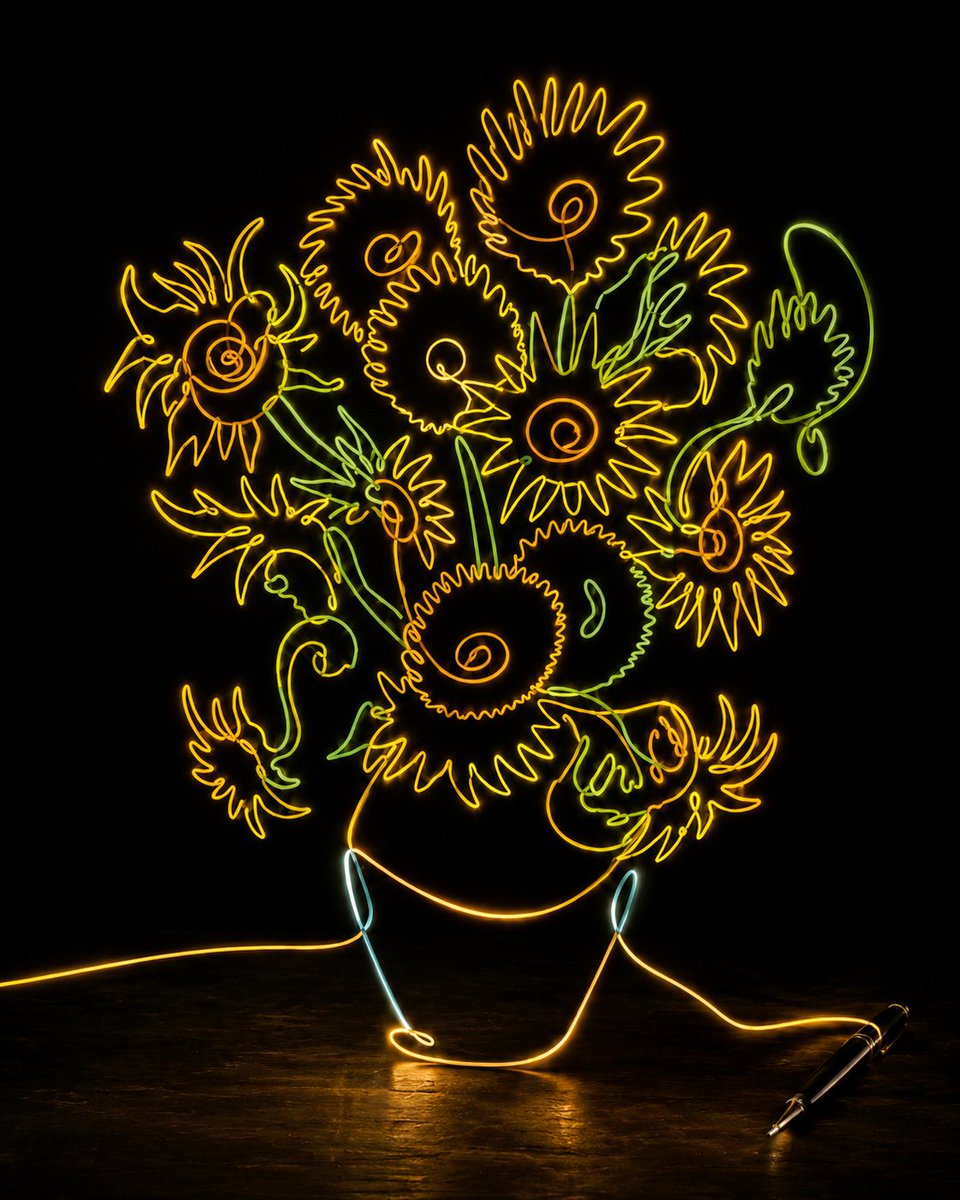
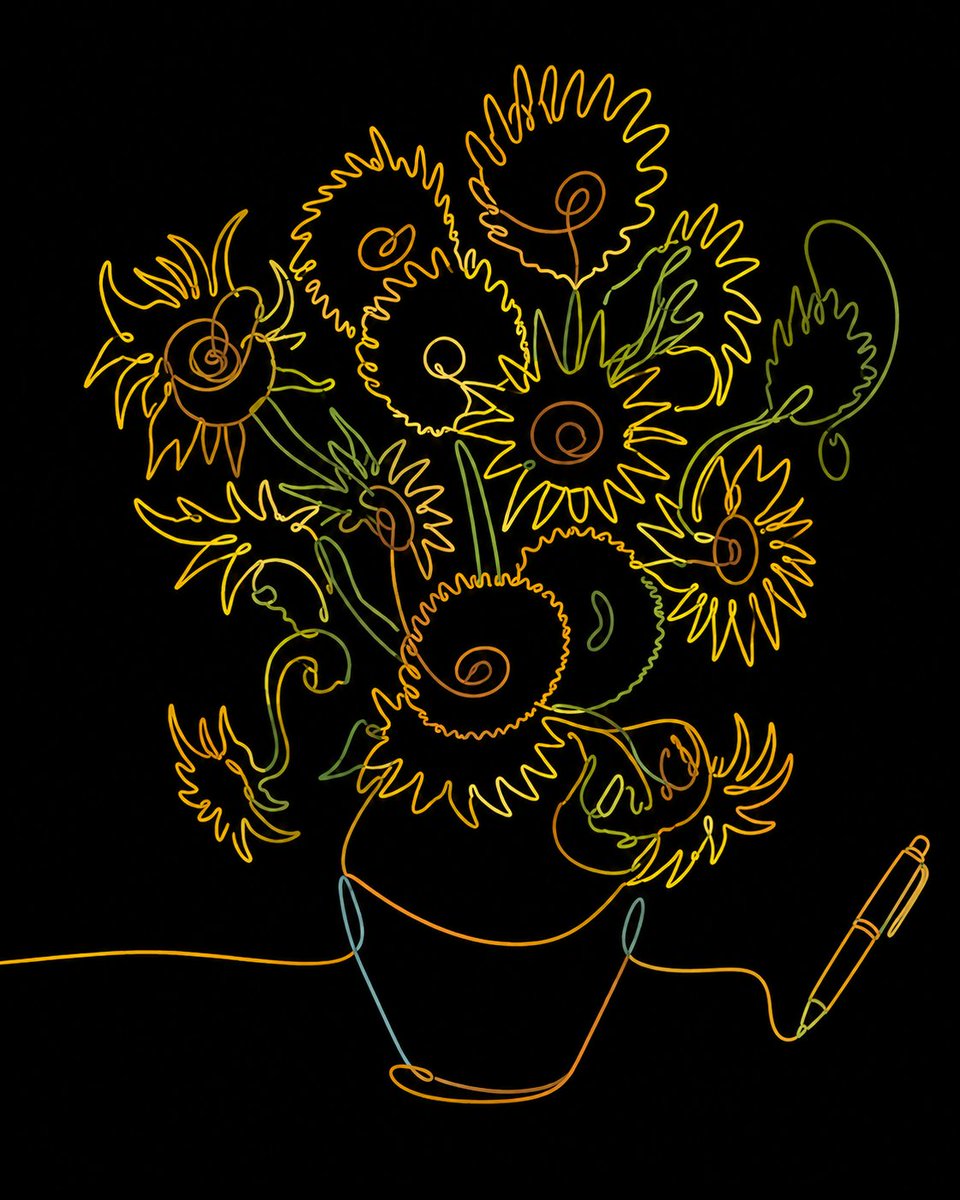
名画を、一本の線に。
フェルメールの『真珠の耳飾りの少女』を、 原画の青、金、白を残しながら、 一筆書きのラインアートとして再構築しました。
削ぎ落としても、名画の静けさは残る。
Masterpiece in a Single Line.
#一筆名画#名画を線に#フェルメール#真珠の耳飾りの少女#Vermeer
Ecchu Washi from Toyama — handmade Japanese paper crafted with mountain water and tradition.
Soft, strong, and beautifully imperfect — true wabi-sabi. 🏔️
#EcchuWashi#ToyamaCraft#Mingei#WabiSabi#TeaDa
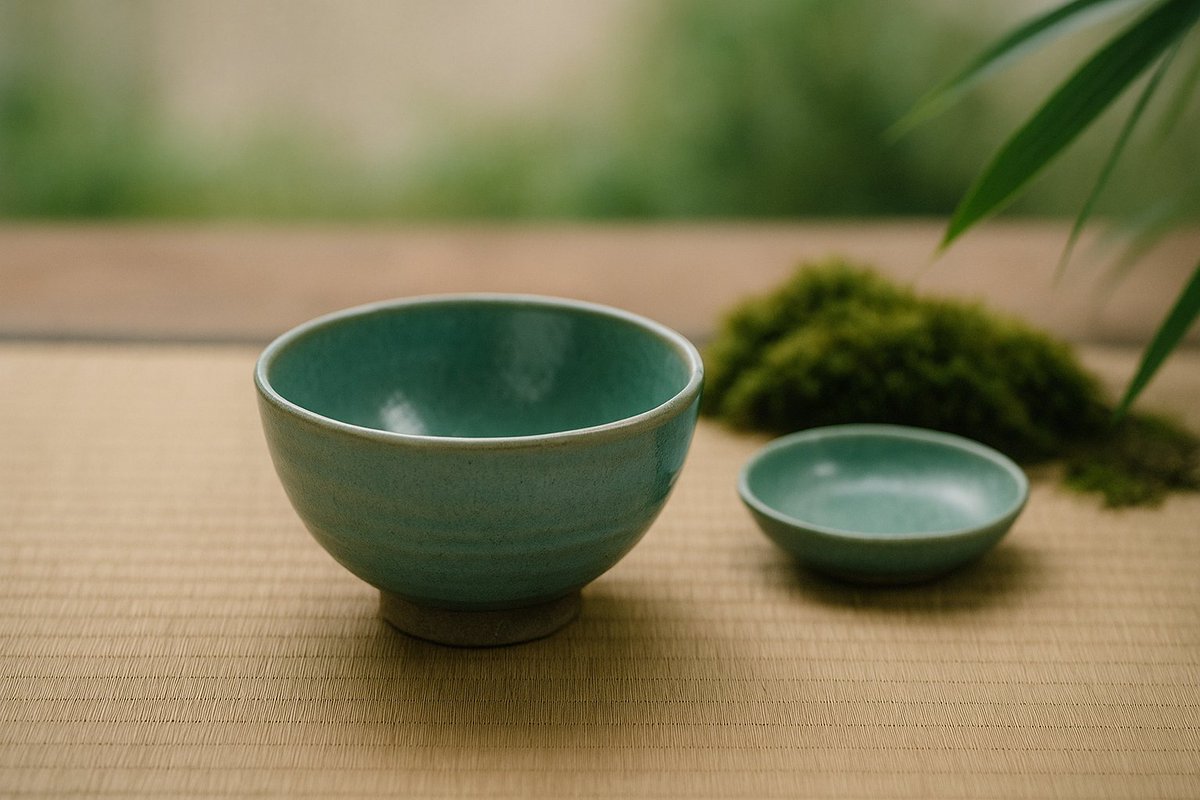
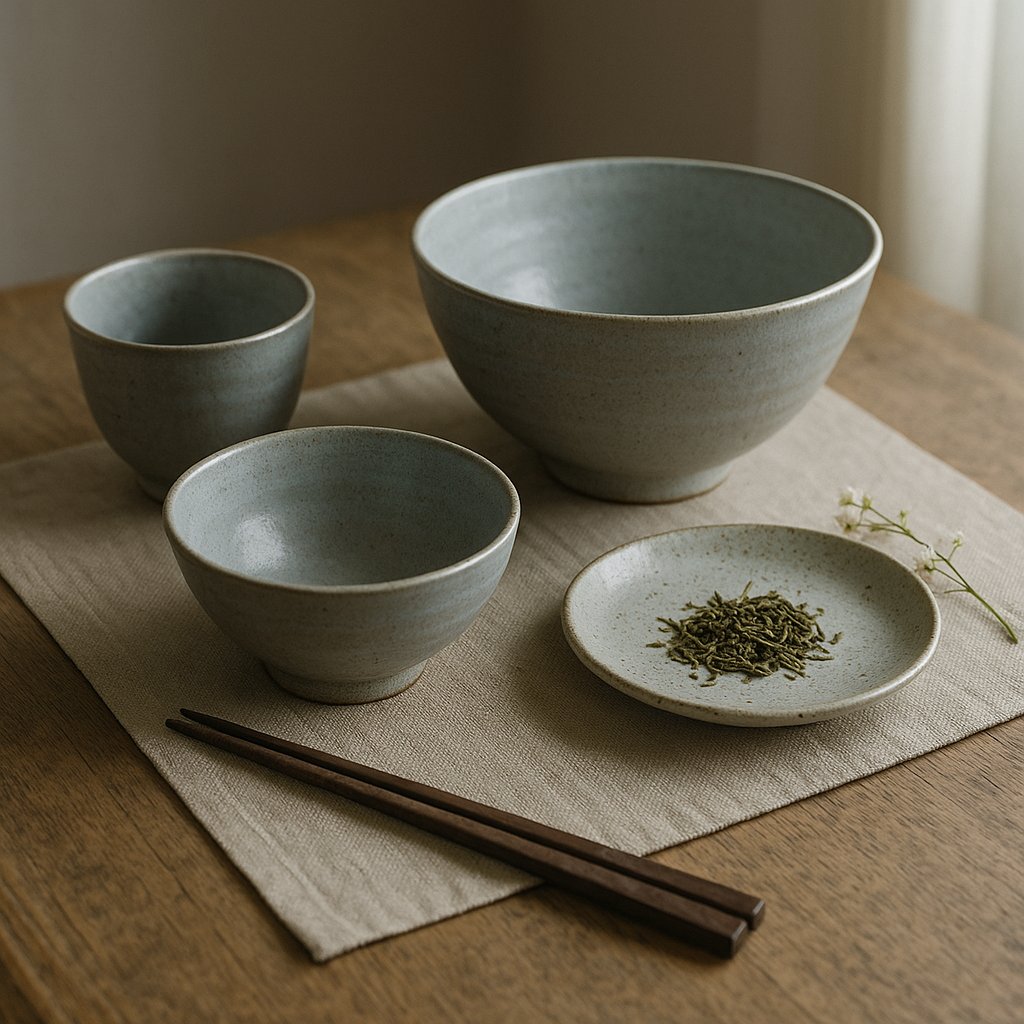
Mino-yaki from Gifu — simple yet refined pottery rooted in daily life.
Each bowl holds quiet beauty, embodying the heart of wabi-sabi. 🍶
#MinoYaki#GifuCraft#Mingei#WabiSabi#TeaDa
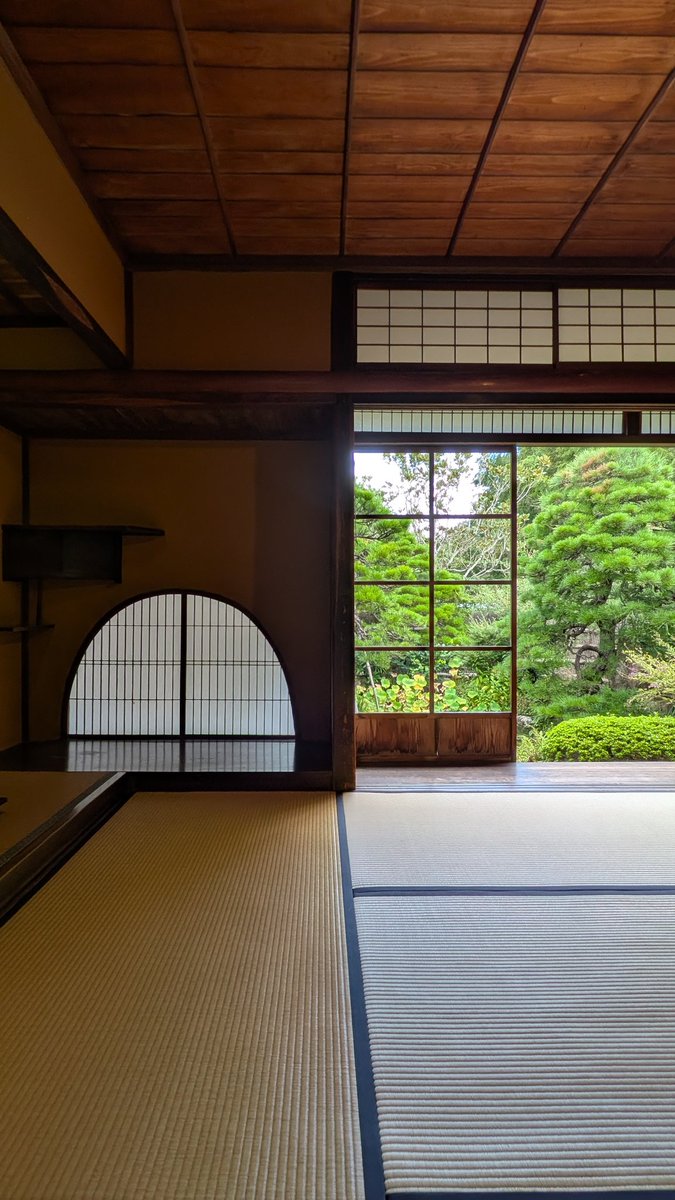
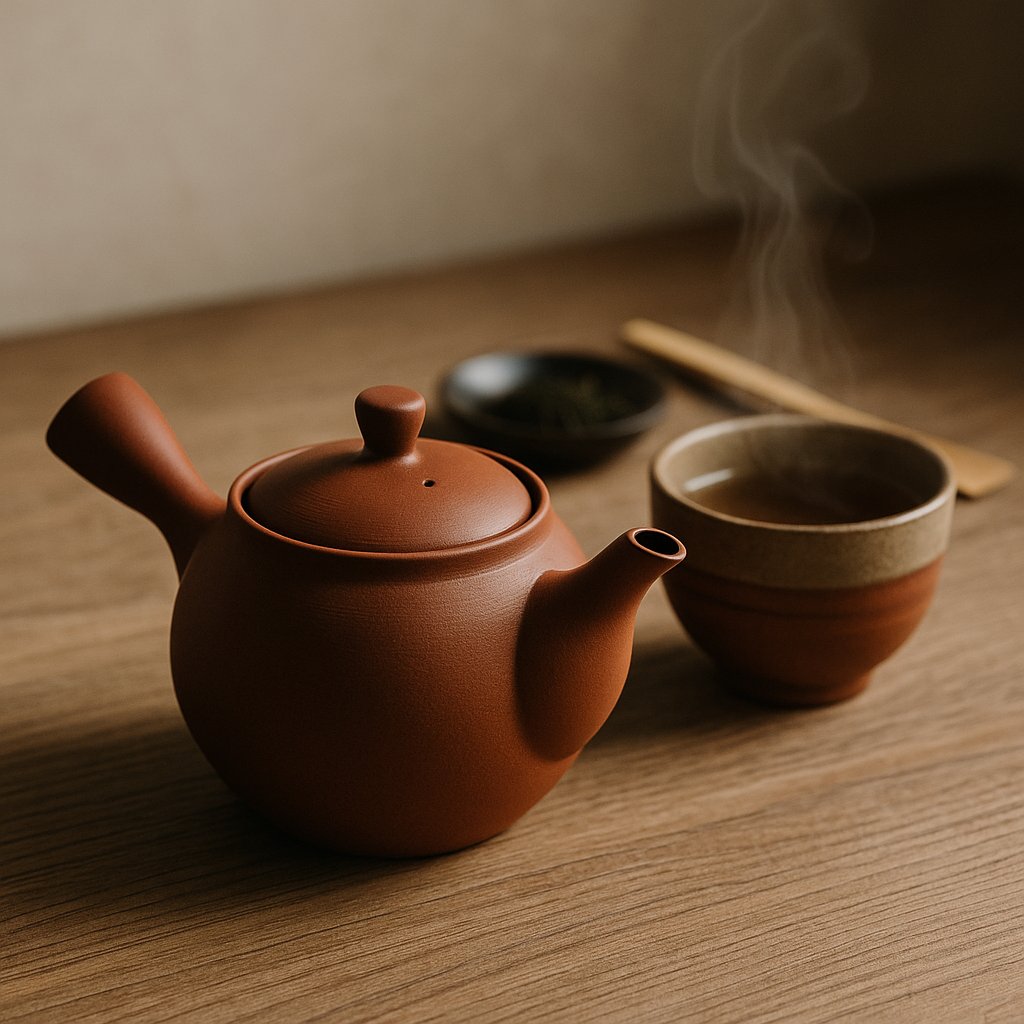
In late medieval Japan, wabi-sabi took concrete form through the tea ceremony. Townsman tea masters Murata Jukō (1423–1502) and Takeno Jōō (1502–1555) rejected opulent Chinese wares and shaped wabi-cha—Zen-inflected, austere simplicity. #WabiSabi#WabiCha#Zen
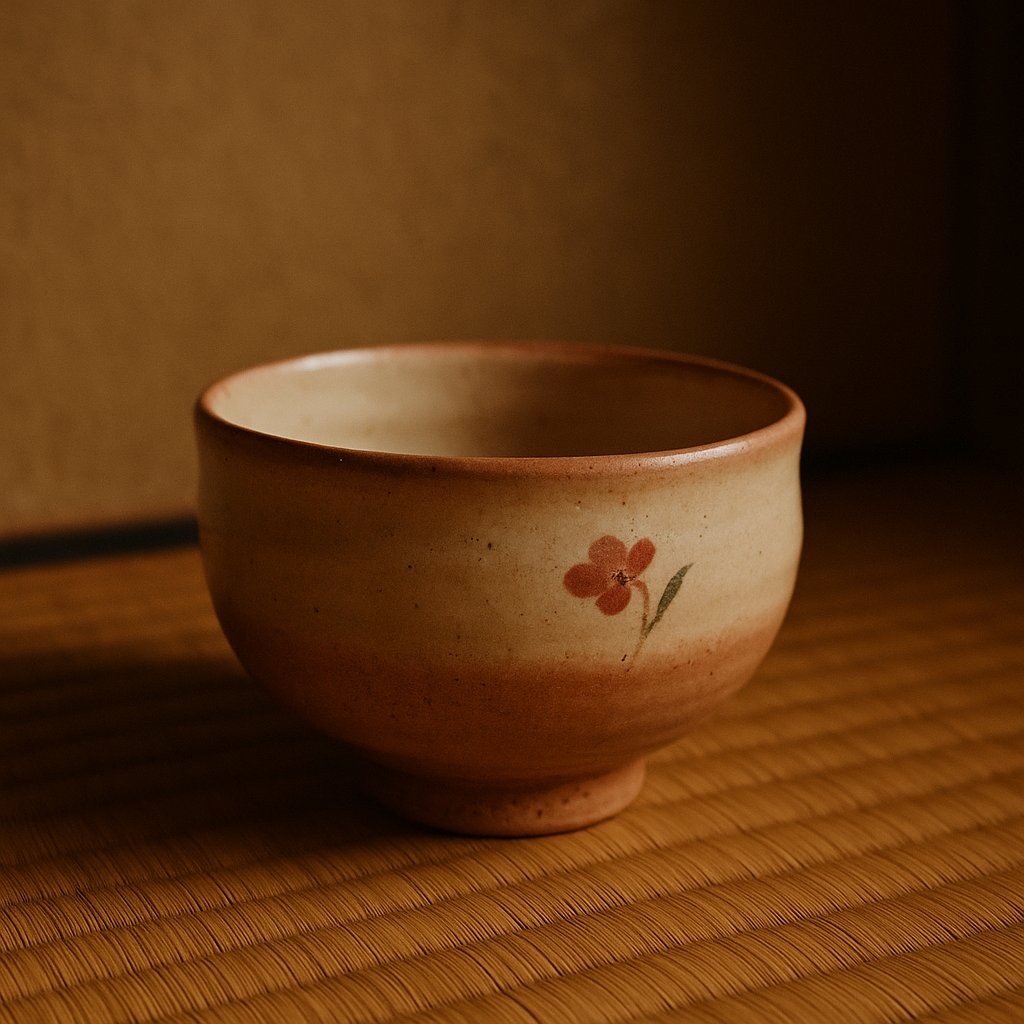
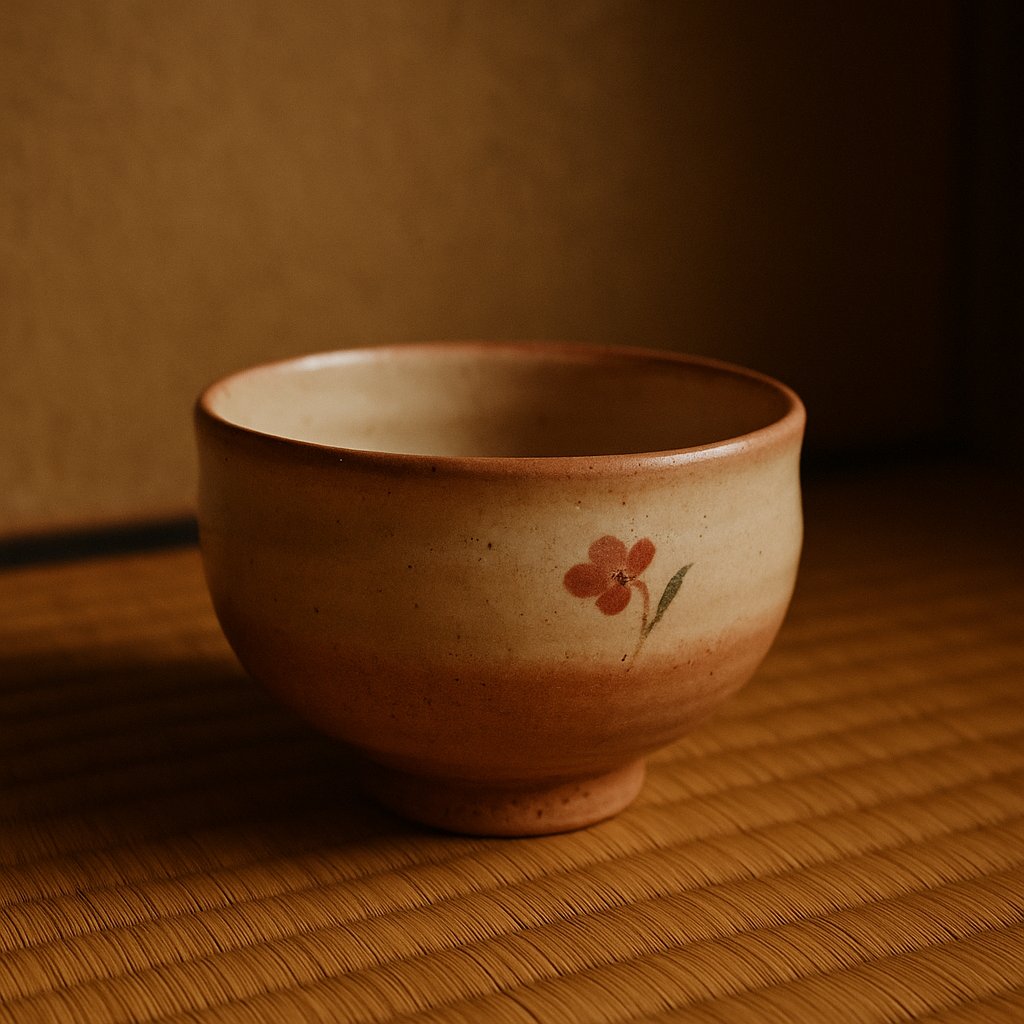
Akahada-yaki from Nara — soft, earthy pottery rooted in tea culture.
Each piece embodies calm simplicity and the quiet beauty of imperfection. 🍵
#NaraCraft#AkahadaYaki#Mingei#JapaneseTea#TeaDa
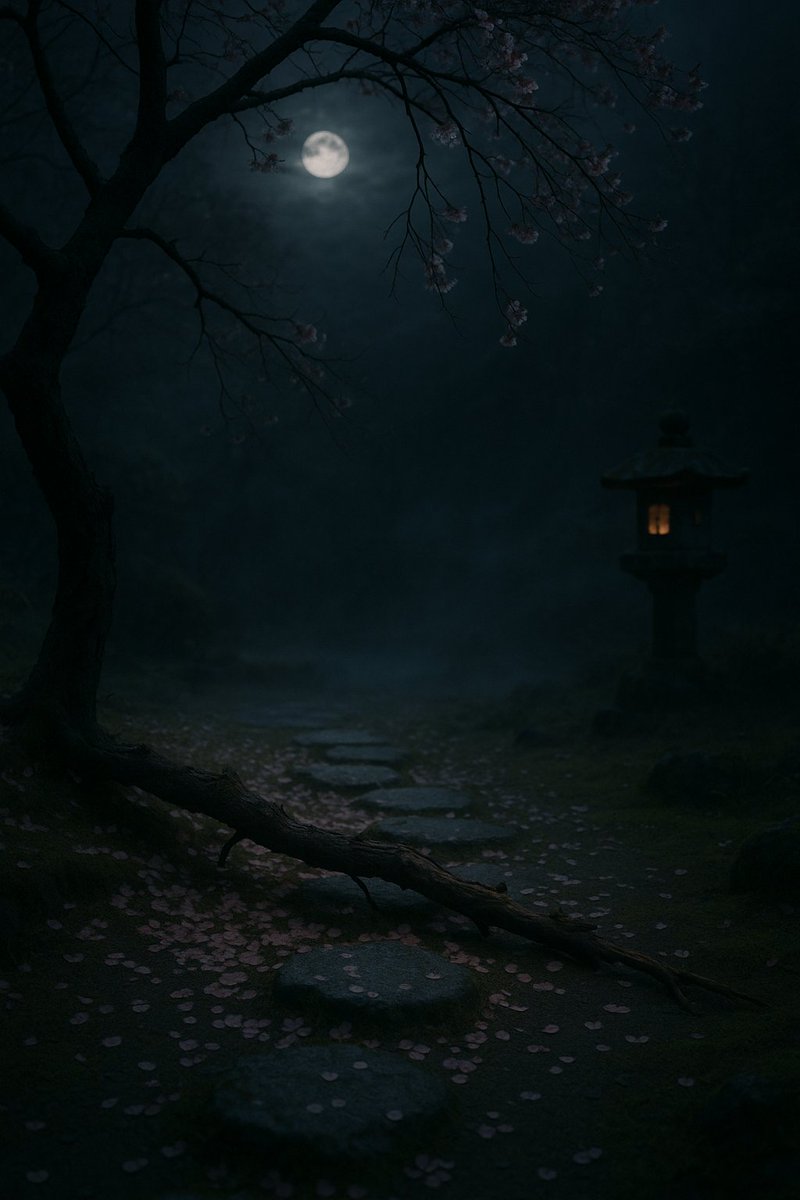
“Must we gaze only at blossoms in full bloom and the moon without a shadow? … The garden of broken boughs and fallen petals is the one to behold.” —Tsurezuregusa. Deeper feeling lies not in perfection, but in impermanence. #WabiSabi#MonoNoAware
```
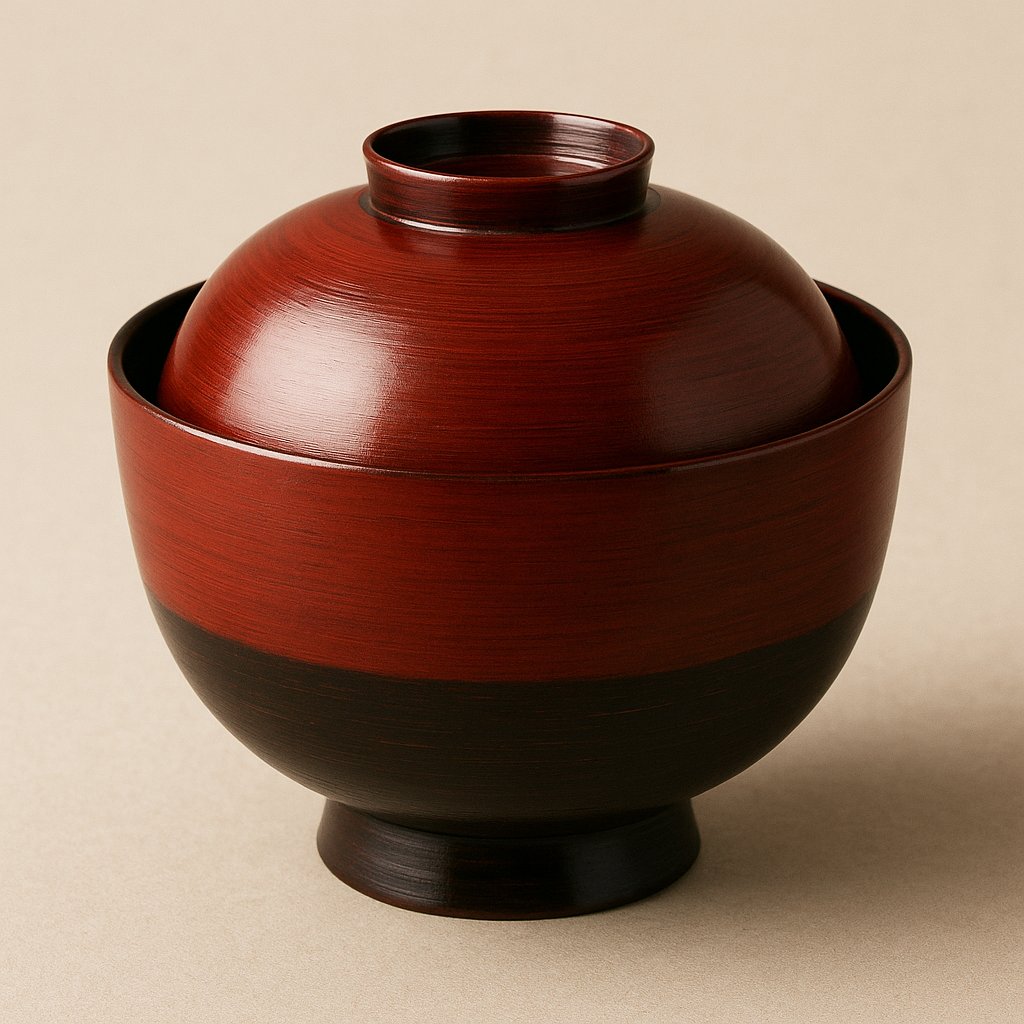
✨Aizu Lacquerware | 会津塗 from Fukushima✨
Lustrous layers of lacquer, rich with heritage.
Aizu lacquerware combines elegance and durability — handmade in Fukushima since the 16th century.
Still used today in both tea and daily life.
#AizuLacquerware#FukushimaCraft