@ChronicleZim My dad was a primary school headmaster, he raised 10 of us and sent us to boarding schools - I grew up in rural areas then Luveve - we never queued for mealie meal or money handouts from anyone let alone a “prophet”
and will effect the RTGS pricing. Prices are as follows
Choice $275.
Commercial $275.
Economy $240.
Manufacturing $140.
Pls can all the relevant people communicate with our farmers and agents and notify them of this change.
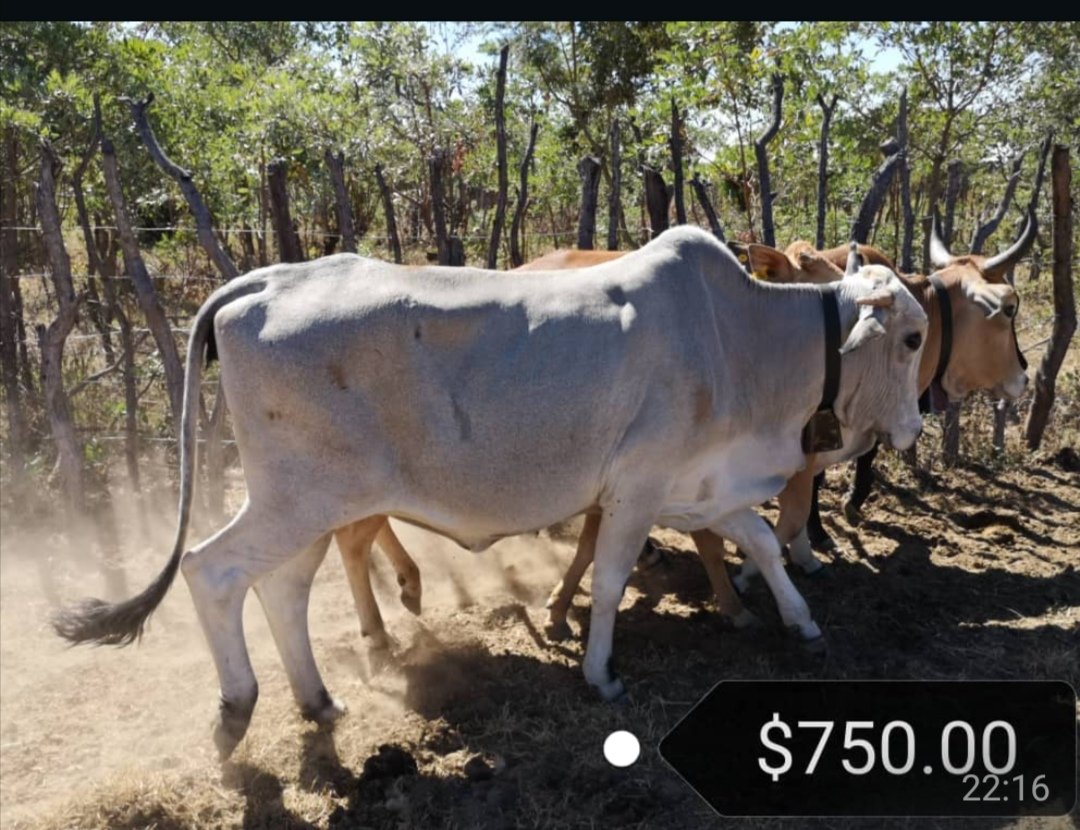
#SI127 will have far reaching consequences : "Due to the laws issued in SI127, MC meats will no longer be buying any cattle, live or for slaughter, with usd, we are now only going to be purchasing cattle in Rtgs and all payments will be done in Rtgs. #Asakhe@zenzele
This new system will begin tomorrow, Tuesday the 1st of June, all cattle that are at the abattoir or that arrive tonight will be honored by MC meats and paid for in USD at the rate of 125-1, any cattle arriving after 6am tomorrow Mrng will no longer be honored in usd
Join us for this month’s meetup for a panel discussion on Digital Transformation and the Digital Marketplace: A Zimbabwean Perspective.
Date: Thursday 6th May
Time: 3pm CAT, 2pm BST
Register at https://t.co/YgYZgdMhYr
#CityofBYO#BYOtechMeetUp#SustainableSolutions
Listen to our podcast as we tackle challenges faced by victims of #GBV during the lockdown period. In our discussion we talk to representatives from @EmthonjeniWomen and @MusasaProject. Follow link for full interview: https://t.co/fyr3UB5rWB
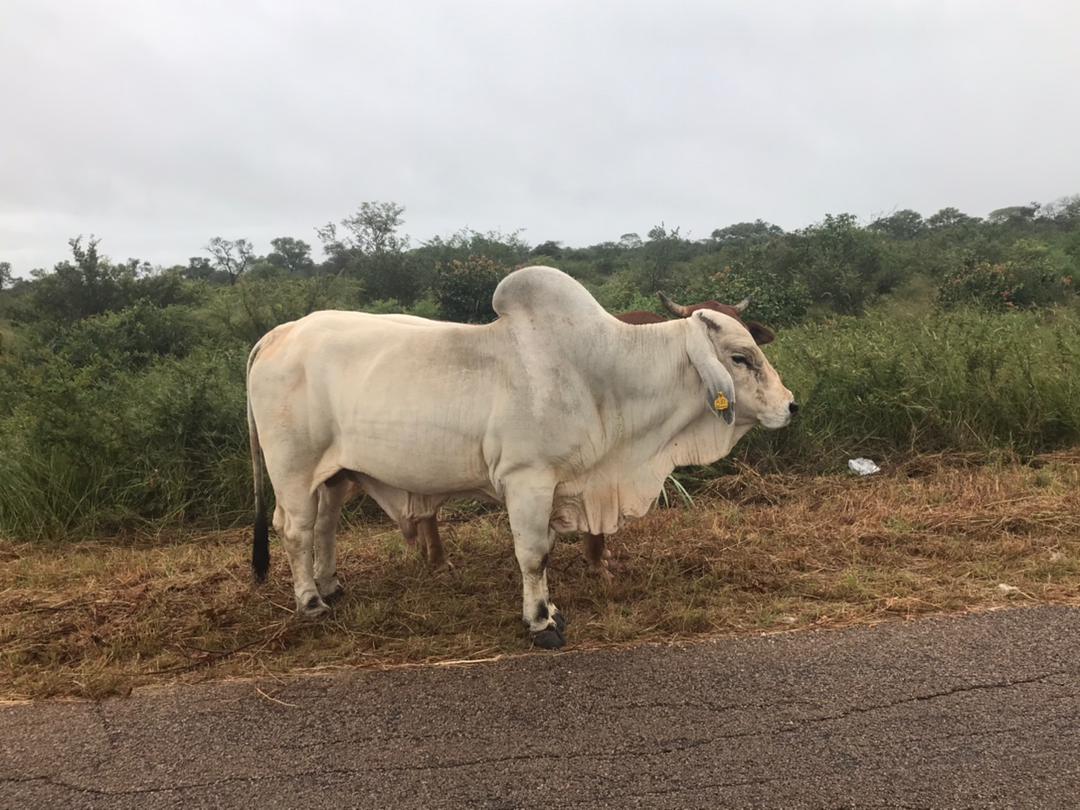
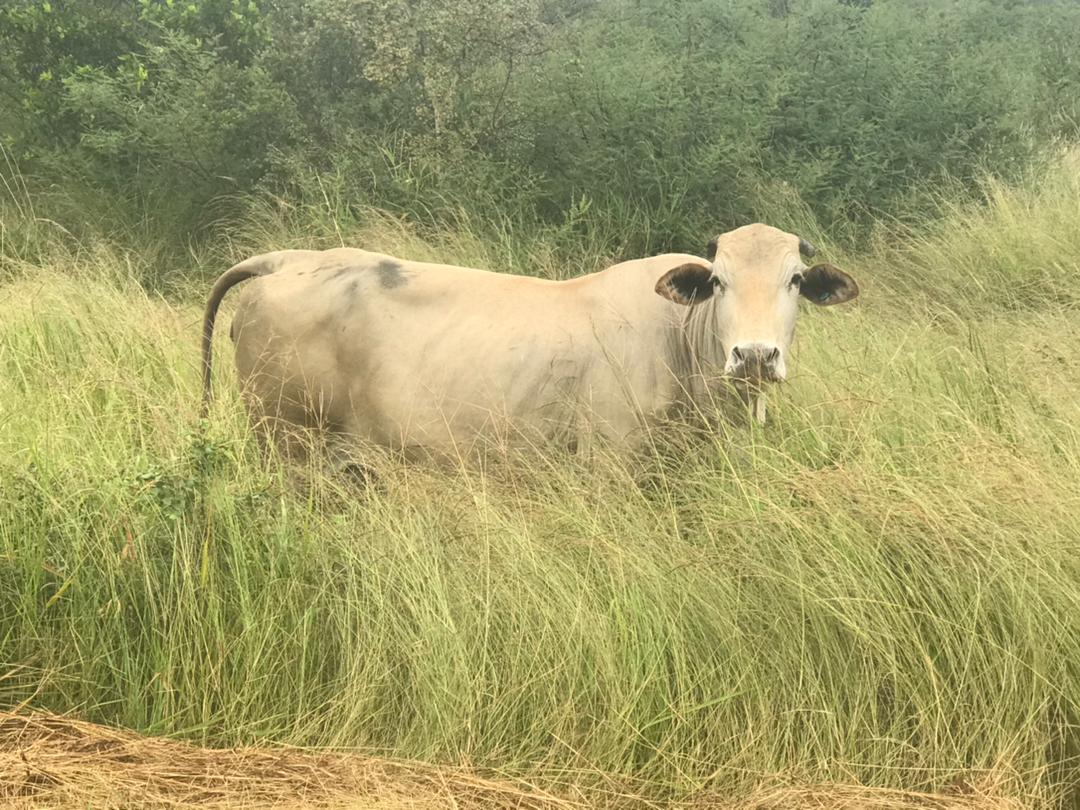
Chip Hines says that what cattle farmers should in fact be fixating on is on understanding the crucial difference between kgs of production per animal & kgs of production per acre. “The latter is where you make profit, and it has nothing to do with increased weaning weights.”
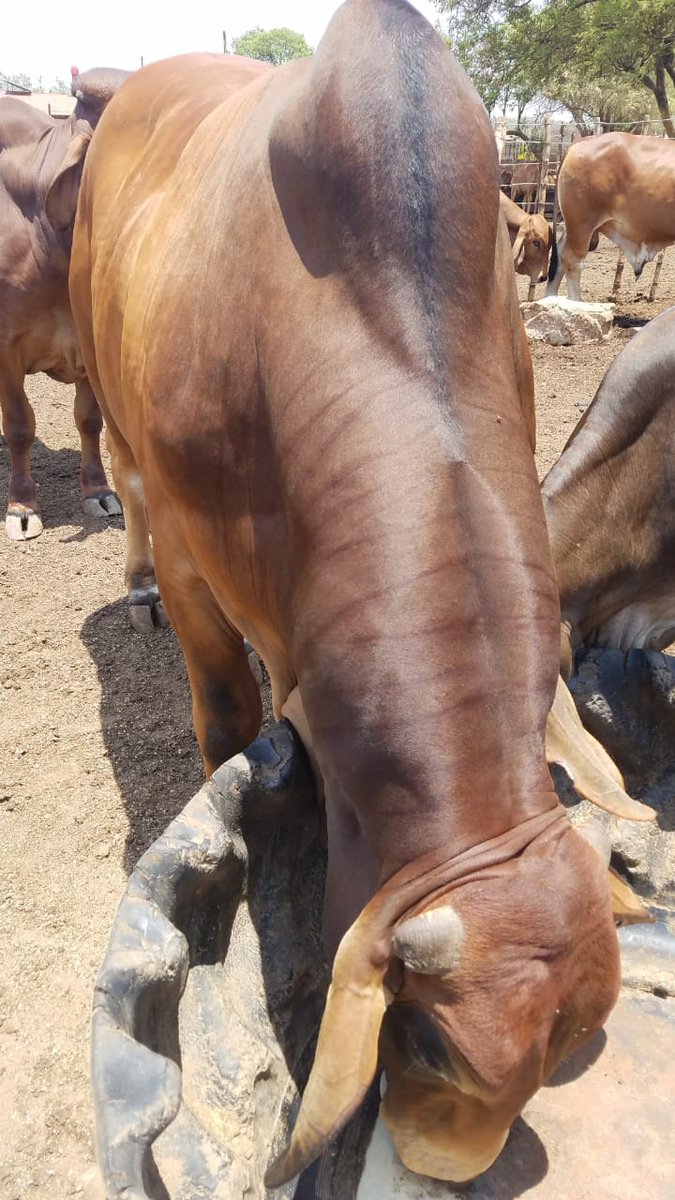
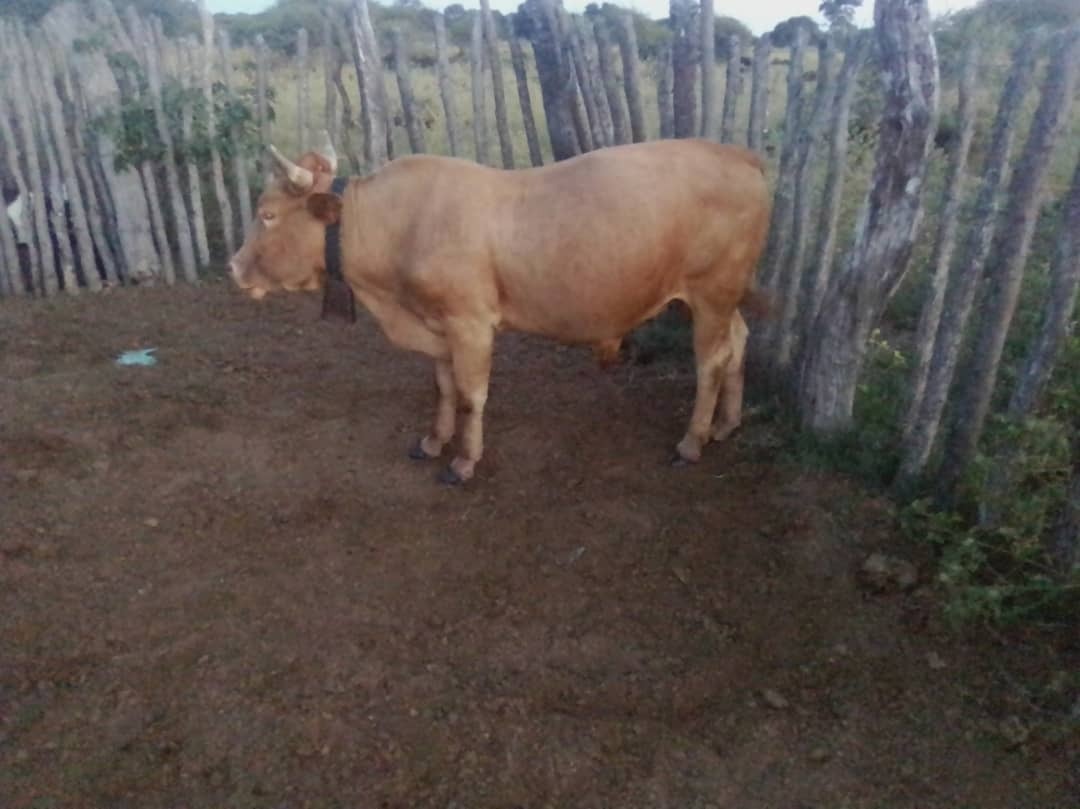
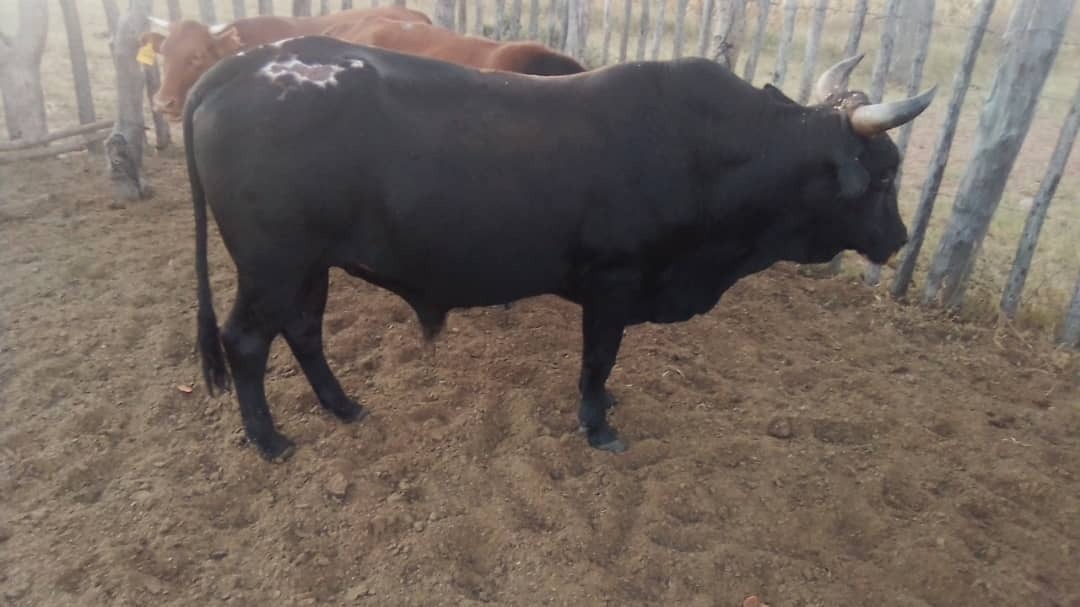
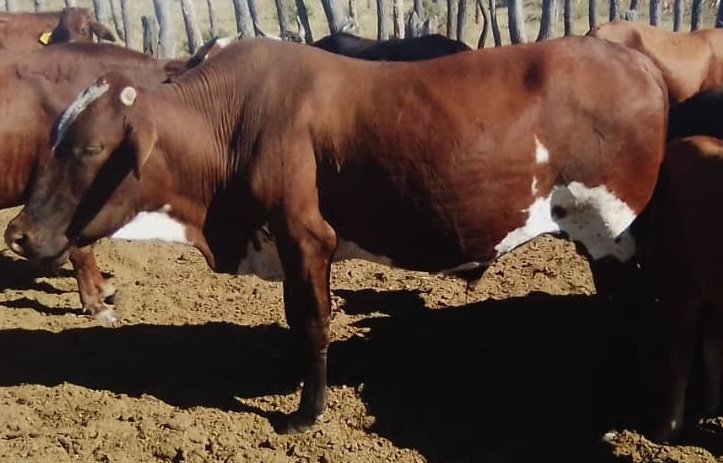
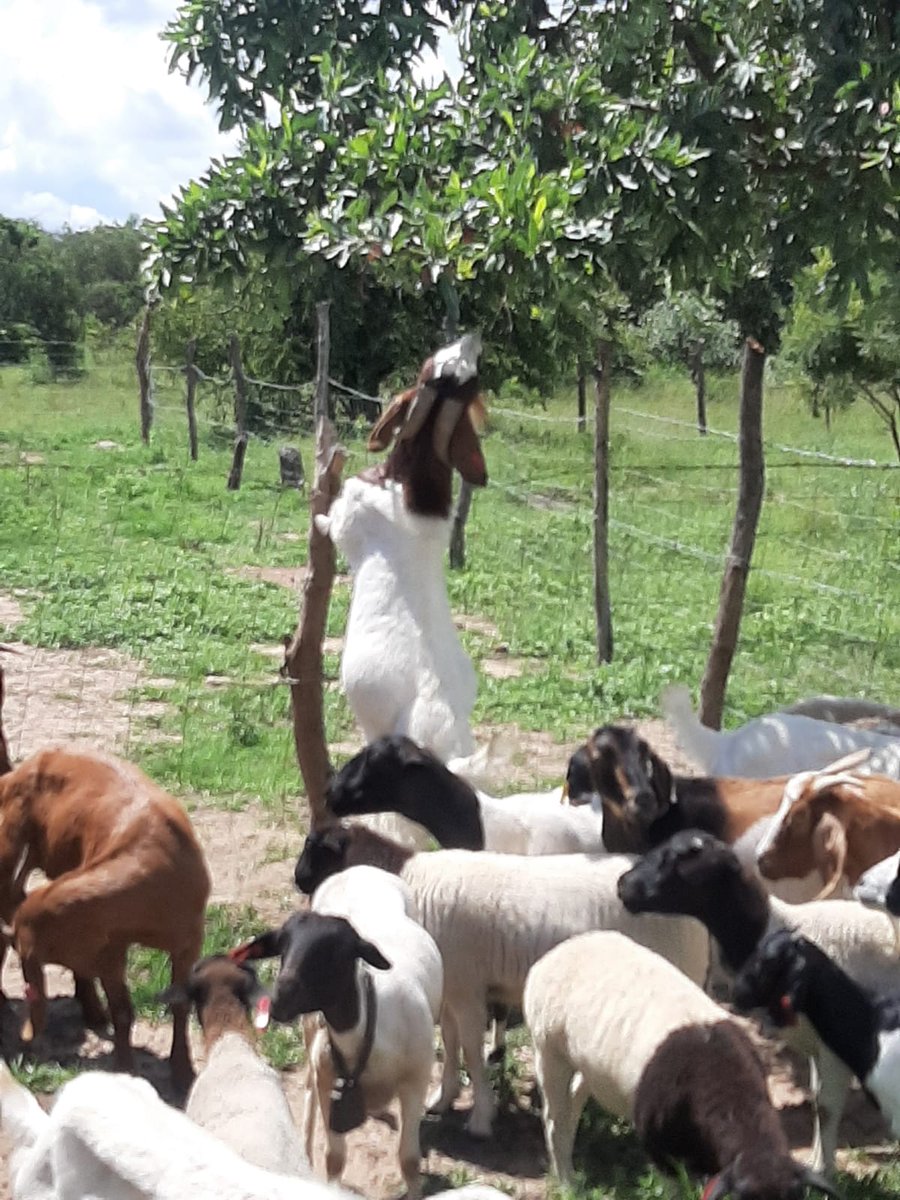
An American rancher says cattle farmers should stop being obsessed with keeping large-frame cattle and keep African types like Ngunis, hard Mashonas, Borans, or Tulis because they are resistant to diseases and drought. They are so cheaper to maintain. #Asakhe