ServiceNow is Hiring |
Position: Senior Staff Product Manager
Location: New York City, USA
Work Mode: Flexible / Remote
Experience: 7+ Years
ServiceNow is hiring a Senior Staff Product Manager in NYC. Interested? Apply now: https://t.co/E4rSa28b83 🚀
#hiring#jobposting
Python Generators are more than just yield.
Master them to unlock:
• Lazy evaluation
• Memory-efficient processing
• Infinite sequences
• Streaming data
• Generator pipelines
• Async generators
A small concept that powers large-scale Python applications.
#Python #100DaysOfCode #PythonProgramming
🚨 If you’re serious about becoming an AI Engineer, don’t spend this weekend building another ChatGPT wrapper.
Build a production-grade RAG system instead.
Here’s a roadmap:
1. Ingest documents (PDFs, HTML, Markdown, Docs)
Clean the data
Extract metadata
Preserve page numbers for citations
2. Design an effective chunking strategy
Compare fixed-size vs semantic chunking
Experiment with 300–800 token chunks
Test different overlap values
Document why your approach performs best
3. Generate high-quality embeddings
Compare multiple embedding models
Measure retrieval quality, not just speed
Cache embeddings to reduce latency and cost
4. Build hybrid retrieval
Dense vector search
Sparse/BM25 search
Fuse both to improve recall
5. Add reranking
Retrieve top 50 candidates
Use a cross-encoder to rerank
Return only the most relevant context
6. Improve user queries
Rewrite ambiguous questions
Expand queries with synonyms
Handle follow-up conversations correctly
7. Retrieve better context
Parent document retrieval
Metadata filtering
Multi-query retrieval
Context compression
8. Prevent hallucinations
Ground every answer in retrieved evidence
Include page-level citations
Refuse unsupported questions
Return “I don’t know” when confidence is low
9. Evaluate everything
Don’t rely on “it looks good.”
Measure:
• Hit Rate
• Recall@K
• Precision@K
• MRR
• NDCG
• Latency
• Cost per query
• Citation accuracy
10. Build an evaluation dataset
Create 50–100 golden questions
Include adversarial queries
Include impossible questions
Compare every pipeline change against the baseline
11. Benchmark your improvements
Compare:
❌ Naive RAG
✅ Hybrid Search
✅ Hybrid + Reranking
✅ Query Rewriting
✅ Parent Document Retrieval
Show the improvement with real metrics.
12. Make it production-ready
Streaming responses
Observability and logging
Prompt versioning
Retrieval analytics dashboard
Rate limiting
Retry logic
Caching
Monitoring
Anyone can build a chatbot in a few hours.
Very few engineers can build a RAG system that is accurate, measurable, scalable, observable, and ready for production.
That’s the skill companies are hiring for.
🔖 Bookmark this roadmap and build one feature at a time.
#AI #AIEngineer #RAG #LLM #GenerativeAI #MachineLearning #Python #MLOps #LangChain #VectorDatabase #OpenSource
🚀 Open to New Opportunities
I’m currently exploring Senior AI Engineer, Applied AI Engineer, and Senior Full Stack Engineer roles.
With 10+ years of software engineering experience, I specialize in:
• Python
• AI Agents
• LLMs, RAG & MCP
• LangChain & LangGraph
• React.js, Node.js & TypeScript
• Distributed Systems & Microservices
• AWS, Docker & Kubernetes
I’m interested in:
✅ Remote opportunities
✅ UAE, Singapore, Europe, Japan, and other global roles
✅ Building production-grade AI applications and scalable platforms
If you’re hiring or know of a suitable opportunity, I’d love to connect.
#OpenToWork #AIEngineer #LLM #GenerativeAI #Python #MachineLearning #SoftwareEngineer #FullStackDeveloper #Hiring
1. How would you design an evaluation pipeline for an LLM-powered agent where ground truth doesn’t exist? What metrics would you trust besides accuracy?
2. A RAG system has 95% retrieval recall but still hallucinates frequently. Where would you debug first: embeddings, chunking, reranking, prompt, or generation? Why?
3. When would you choose full fine-tuning over LoRA/QLoRA despite the significantly higher compute cost? Explain the trade-offs.
4. How would you prevent an autonomous multi-agent system from entering infinite reasoning loops while maintaining high task completion accuracy?
5. In a production AI system serving millions of requests daily, what signals would indicate model drift versus retrieval drift versus prompt drift, and how would you isolate each?
Asked in @ElevenLabs
𝗣𝘆𝘁𝗵𝗼𝗻 𝗜𝗻𝘁𝗲𝗿𝘃𝗶𝗲𝘄 𝗦𝗲𝗿𝗶𝗲𝘀 – [𝗘𝗽𝗶𝘀𝗼𝗱𝗲 𝟮]
𝗣𝘆𝘁𝗵𝗼𝗻 𝗖𝗼𝗻𝘁𝗲𝘅𝘁 𝗠𝗮𝗻𝗮𝗴𝗲𝗿𝘀 (`𝘄𝗶𝘁𝗵` 𝗦𝘁𝗮𝘁𝗲𝗺𝗲𝗻𝘁)
One of the most underrated Python features is the 𝗖𝗼𝗻𝘁𝗲𝘅𝘁 𝗠𝗮𝗻𝗮𝗴𝗲𝗿.
Most developers know it for opening files:
with open("data.txt") as file:
content = https://t.co/qD3eFikM6H()
But experienced Python engineers know that context managers are much more than file handling.
They are a clean way to 𝗮𝗰𝗾𝘂𝗶𝗿𝗲 𝗮𝗻𝗱 𝗿𝗲𝗹𝗲𝗮𝘀𝗲 𝗿𝗲𝘀𝗼𝘂𝗿𝗰𝗲𝘀 𝗮𝘂𝘁𝗼𝗺𝗮𝘁𝗶𝗰𝗮𝗹𝗹𝘆, making your code safer, cleaner, and easier to maintain.
𝗪𝗵𝘆 𝘂𝘀𝗲 𝗖𝗼𝗻𝘁𝗲𝘅𝘁 𝗠𝗮𝗻𝗮𝗴𝗲𝗿𝘀?
• Automatically release resources
• Prevent resource leaks
• Handle exceptions gracefully
• Improve code readability
• Perfect for databases, locks, network connections, transactions, temporary files, timers, and much more.
---
𝗛𝗼𝘄 𝗱𝗼𝗲𝘀 𝗶𝘁 𝘄𝗼𝗿𝗸 𝗶𝗻𝘁𝗲𝗿𝗻𝗮𝗹𝗹𝘆?
A context manager implements two special methods:
```python
class Example:
def __enter__(self):
print("Acquire Resource")
return self
def __exit__(self, exc_type, exc, tb):
print("Release Resource")
```
When Python executes:
```python
with Example():
print("Working...")
```
Execution order:
1. `__enter__()`
2. Execute block inside `with`
3. `__exit__()` (even if an exception occurs)
This guarantees cleanup.
---
𝗔𝗱𝘃𝗮𝗻𝗰𝗲𝗱 𝗣𝘆𝘁𝗵𝗼𝗻 𝗜𝗻𝘁𝗲𝗿𝘃𝗶𝗲𝘄 𝗤𝘂𝗲𝘀𝘁𝗶𝗼𝗻𝘀
• What is a 𝗰𝗼𝗻𝘁𝗲𝘅𝘁 𝗺𝗮𝗻𝗮𝗴𝗲𝗿, and why is it better than using 𝘁𝗿𝘆...𝗳𝗶𝗻𝗮𝗹𝗹𝘆?
• Explain the purpose of __𝗲𝗻𝘁𝗲𝗿__() and __𝗲𝘅𝗶𝘁__().
• What do the parameters 𝗲𝘅𝗰_𝘁𝘆𝗽𝗲, 𝗲𝘅𝗰_𝘃𝗮𝗹𝘂𝗲, 𝗮𝗻𝗱 𝘁𝗿𝗮𝗰𝗲𝗯𝗮𝗰𝗸 in __𝗲𝘅𝗶𝘁__() represent?
• How can __𝗲𝘅𝗶𝘁__() suppress an exception?
• What is the difference between 𝗰𝗹𝗮𝘀𝘀-𝗯𝗮𝘀𝗲𝗱 𝗮𝗻𝗱 𝗴𝗲𝗻𝗲𝗿𝗮𝘁𝗼𝗿-𝗯𝗮𝘀𝗲𝗱 𝗰𝗼𝗻𝘁𝗲𝘅𝘁 𝗺𝗮𝗻𝗮𝗴𝗲𝗿𝘀 (`contextlib.contextmanager`)?
• How would you manage multiple resources in a 𝘀𝗶𝗻𝗴𝗹𝗲 `𝘄𝗶𝘁𝗵` 𝘀𝘁𝗮𝘁𝗲𝗺𝗲𝗻𝘁?
• What is 𝗰𝗼𝗻𝘁𝗲𝘅𝘁𝗹𝗶𝗯.𝗘𝘅𝗶𝘁𝗦𝘁𝗮𝗰𝗸, and when would you use it?
• Can 𝗮𝘀𝘆𝗻𝗰𝗵𝗿𝗼𝗻𝗼𝘂𝘀 𝗰𝗼𝗻𝘁𝗲𝘅𝘁 𝗺𝗮𝗻𝗮𝗴𝗲𝗿𝘀 be used with 𝗮𝘀𝘆𝗻𝗰 𝘄𝗶𝘁𝗵? How do __𝗮𝗲𝗻𝘁𝗲𝗿__() and __𝗮𝗲𝘅𝗶𝘁__() work?
• How would you build a 𝗰𝘂𝘀𝘁𝗼𝗺 𝗰𝗼𝗻𝘁𝗲𝘅𝘁 𝗺𝗮𝗻𝗮𝗴𝗲𝗿 to measure execution time?
• In real-world production systems, where have you used context managers besides file handling?
---
𝗖𝗼𝗺𝗺𝗼𝗻 𝗣𝗿𝗼𝗱𝘂𝗰𝘁𝗶𝗼𝗻 𝗨𝘀𝗲 𝗖𝗮𝘀𝗲𝘀
• Database transactions
• Thread locks (`threading.Lock`)
• Temporary directories/files
• HTTP sessions
• Timers & profiling
• Logging scopes
• Database connection pools
• Distributed locks
• Cloud resource management
---
Mastering context managers isn't about memorizing `with`, it's about understanding 𝗿𝗲𝘀𝗼𝘂𝗿𝗰𝗲 𝗹𝗶𝗳𝗲𝗰𝘆𝗰𝗹𝗲 𝗺𝗮𝗻𝗮𝗴𝗲𝗺𝗲𝗻t.
#Python #PythonProgramming #PythonDeveloper #CodingInterview #TechInterview #100DaysOfLearning
How Enterprise Teams Scale Frontend Development with Micro-Frontend Architecture 🚀
The biggest frontend scaling problem isn't React or Angular. It's team coordination.
As products grow, one frontend codebase eventually becomes a bottleneck.
You start seeing:
* Longer build times
* Teams waiting on each other
* Full deployments for tiny changes
* More merge conflicts and release risks
That's why many enterprise products adopt **Micro-Frontend Architecture**.
Here's the idea 👇
🏠 Shell (Container)
Acts as the entry point.
It manages authentication, routing, layouts, shared navigation, and dynamically loads other applications.
🧩 Micro Apps (Remotes)
The application is divided by business domains such as:
• Authentication
• Dashboard
• Orders
• Billing
• Admin
Each team owns its codebase, CI/CD pipeline, testing, and deployment.
⚡ Runtime Loading
With **Module Federation**, the shell loads only the applications users need.
Benefits:
✅ Faster initial load
✅ Independent deployments
✅ Better scalability
🔗 Shared Dependencies
Frameworks (React/Angular), UI libraries, and design systems are shared as singletons to reduce duplicate bundles and keep the experience consistent.
💬 Communication Between Apps
Keep applications loosely coupled using:
• Custom Events
• Shared libraries
• URL state
• Event Bus (when appropriate)
🚀 Independent Releases
A team can ship a new feature or bug fix without rebuilding or redeploying the entire frontend.
---
Micro-frontends aren't about making frontend architecture more complex.
They're about enabling multiple engineering teams to move faster without slowing each other down.
As someone with 10+ years building scalable enterprise applications, I'm sharing practical system design, frontend architecture, and engineering concepts that are commonly used in large-scale products.
If you're preparing for senior frontend interviews, building enterprise applications, or looking for remote opportunities, follow along.
What frontend architecture are you working with today?
• Monolith
• Micro-Frontends
• Hybrid
#MicroFrontends #FrontendArchitecture #SystemDesign #React #Angular #JavaScript #WebDevelopment #SoftwareEngineering #TechLeadership #RemoteWork #Freelancing #OpenToWork
@merishabh_singh Hi Rishabh, having 10+ years of experience and 7 years in Cisco. I think that will be a great fit for this role. Can I share my profile to this role.
📚 Today's Learning Journey 🚀
Spent time strengthening both DSA and AI fundamentals today.
✅ Stack
LIFO principle
Push & Pop operations
Real-world use cases like Browser Back, Undo, and Function Call Stack
✅ Overlapping Intervals
How to determine if two intervals overlap
Understanding the core condition before moving to merge intervals, then deep dive into merging the overlapping interval
✅ RAG
Explored chunking strategies and why effective chunking significantly impacts retrieval quality and LLM response accuracy
#Python #DSA #Stack #Intervals #RAG #GenerativeAI #LLM #AIEngineering #SoftwareEngineer #CodingInterview #LearnInPublic #100DaysOfCode
Today’s Learning Plan 🚀
Diving deep into the world of AI agents & MCP architecture:
🔹 End-to-End Deep Agent hands-on
🔹 Quick start with Deep Agents
🔹 Customization in Deep Agents
🔹 Understanding MCP Architecture
🔹 Building from scratch:
• MCP Server
• MCP Client
🔹 Full end-to-end project with a custom MCP Server
Goal: Not just theory — real implementation & understanding ⚡
#AI #Agents #MCP #MachineLearning #BuildInPublic #LearningJourney
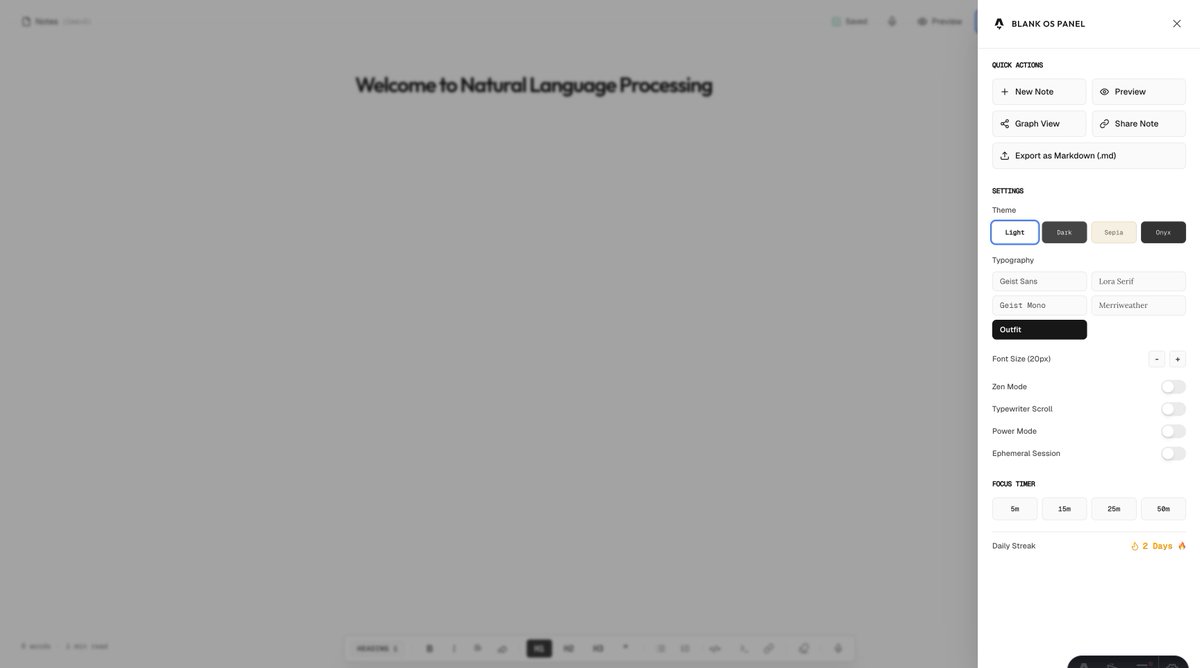
@ardent__dev Distraction free Writer Space with no price no hidden thing. Purely go to and use it.
Just now fixing some bug and then will publish. This version will free and doing some enhancement in next version there we will add some pricing.
From last 3 day It hits insanely. I used to setup only nextjs project and it took 80% of token how. @antigravity how its refresh policy will work. Just fix from your end
@RyanOlunix I was tired of losing notes, slow apps, and forced logins.
So I built my own:
A local-first writing app that:
Saves everything offline
Never loses your data
Works like a native app (PWA)
Zero distractions
No cloud. No noise. Just writing.
Would you use this?
Vectorless RAG is the biggest shift in retrieval architecture nobody is talking about.
It removes embeddings, chunking, and vector DBs entirely.
Here’s how it actually works (and when to use it) 🧵👇
Agree with both.
Bad chunking breaks retrieval, embeddings or not.
Removing the vector DB doesn’t fix that, just removes one failure point.
But vectorless RAG still has a place — when you need precision, structure, and control over retrieval.
End of the day, it’s not vector vs vectorless.
It’s retrieval quality > everything.
If you’re building:
• AI agents
• Document reasoning systems
• Compliance tools
You should seriously explore this.
This is where RAG is heading.
Follow for more deep dives into real AI architectures 🚀