Are you a researcher planning to apply for Wellcome funding in the next two years?
We’re offering researchers the opportunity to observe a Wellcome funding advisory committee and learn how grant applications are assessed.
Learn more ⤵️
https://t.co/thvs7V2mCE
This is like AlphaFold, but for protein localisation rather than folding
It's a deep learning model that predicts a protein's subcellular compartment based on its amino acid sequence alone:
I am thrilled to share insights and developments from Sarawak, poised to emerge as a significant player in biomedical research. https://t.co/yGuOSdmbji
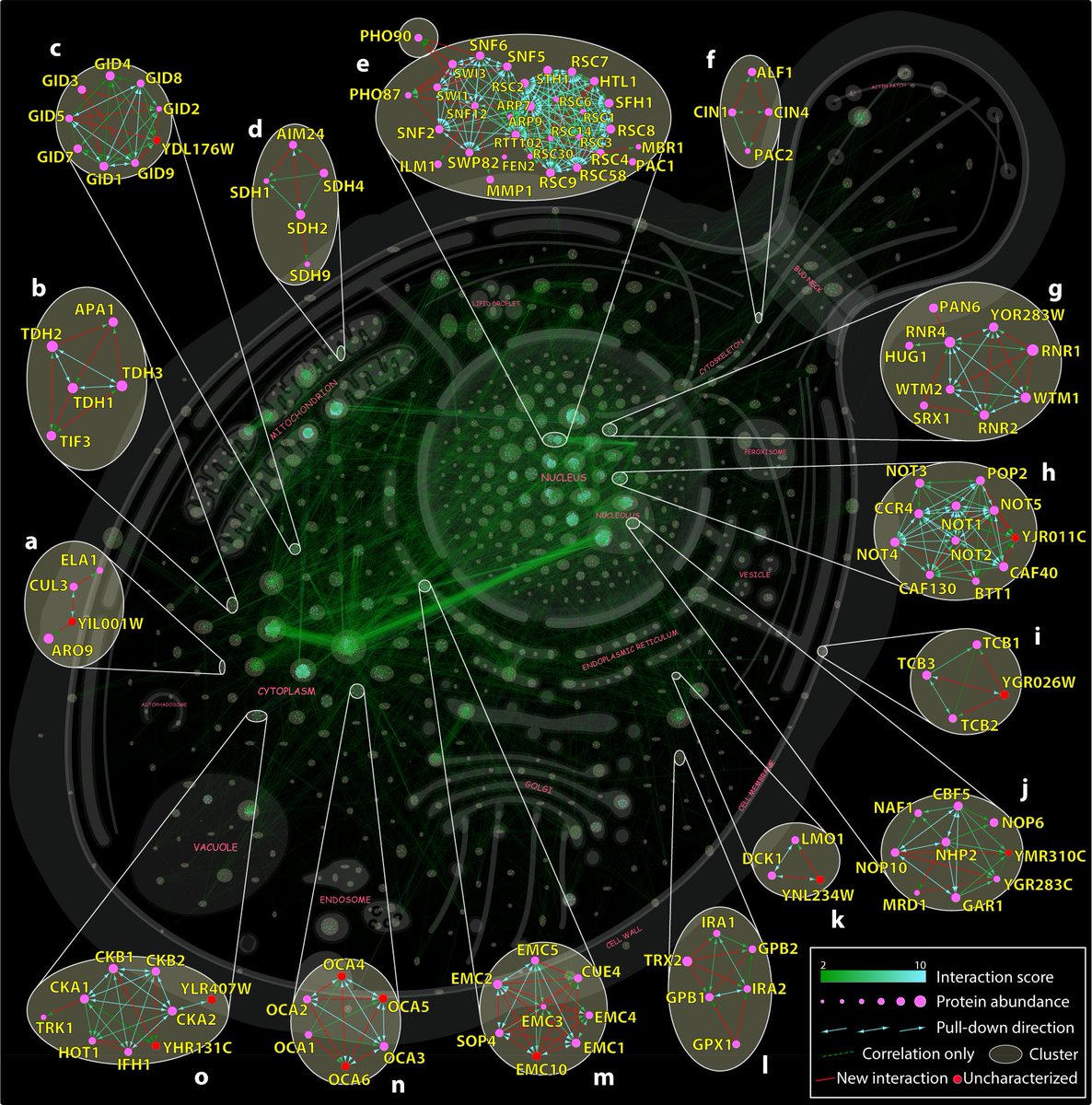
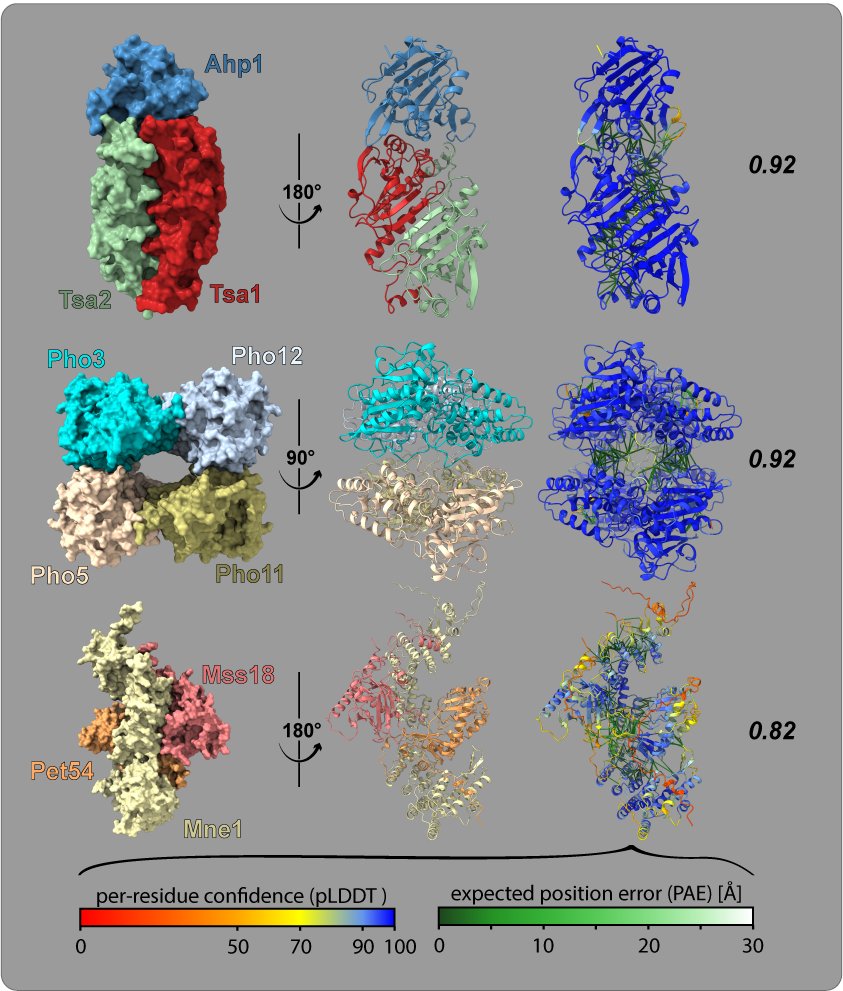
Our mapping of the cellular protein #interactome with unprecedented depth is now published @nature. Leaps in robust #proteomics and analytic workflows enabled us to perform over 4.000 pull-downs in yeast unraveling the social and structural aspects leveraging #alphafold multimer.
Coming back from the @embl retreat this week I got *even more* excited about AI in the lifesciences and specifically at EMBL. I wrote about it here. https://t.co/jEqUr4wQWn
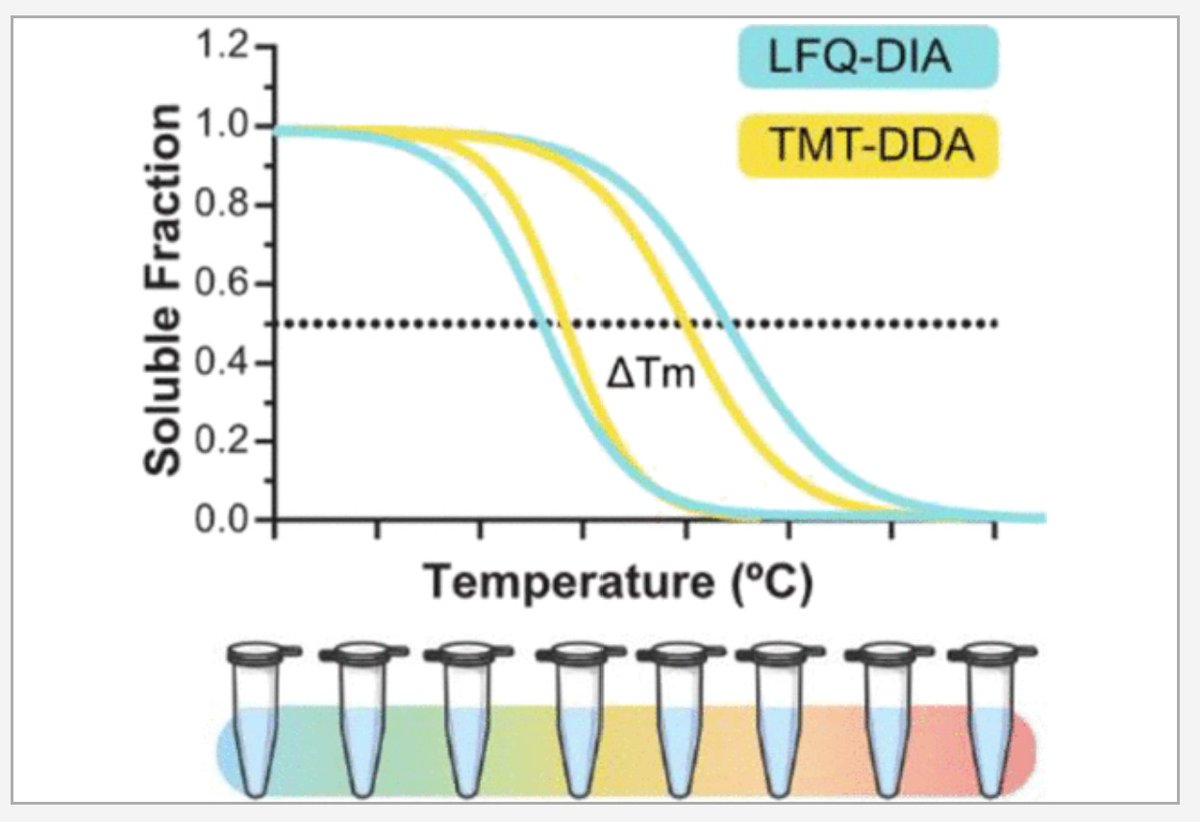
Comparison of Quantitative Mass Spectrometric Methods for Drug Target Identification by Thermal Proteome Profiling | https://t.co/GkyYG0F7LS #proteomics
Wondering how protein N-terminal acetylation affects proteome stability? Check our paper for more details at https://t.co/mUFB7EdZOR
#proteomics#proteinacetylation#NatAenzyme".
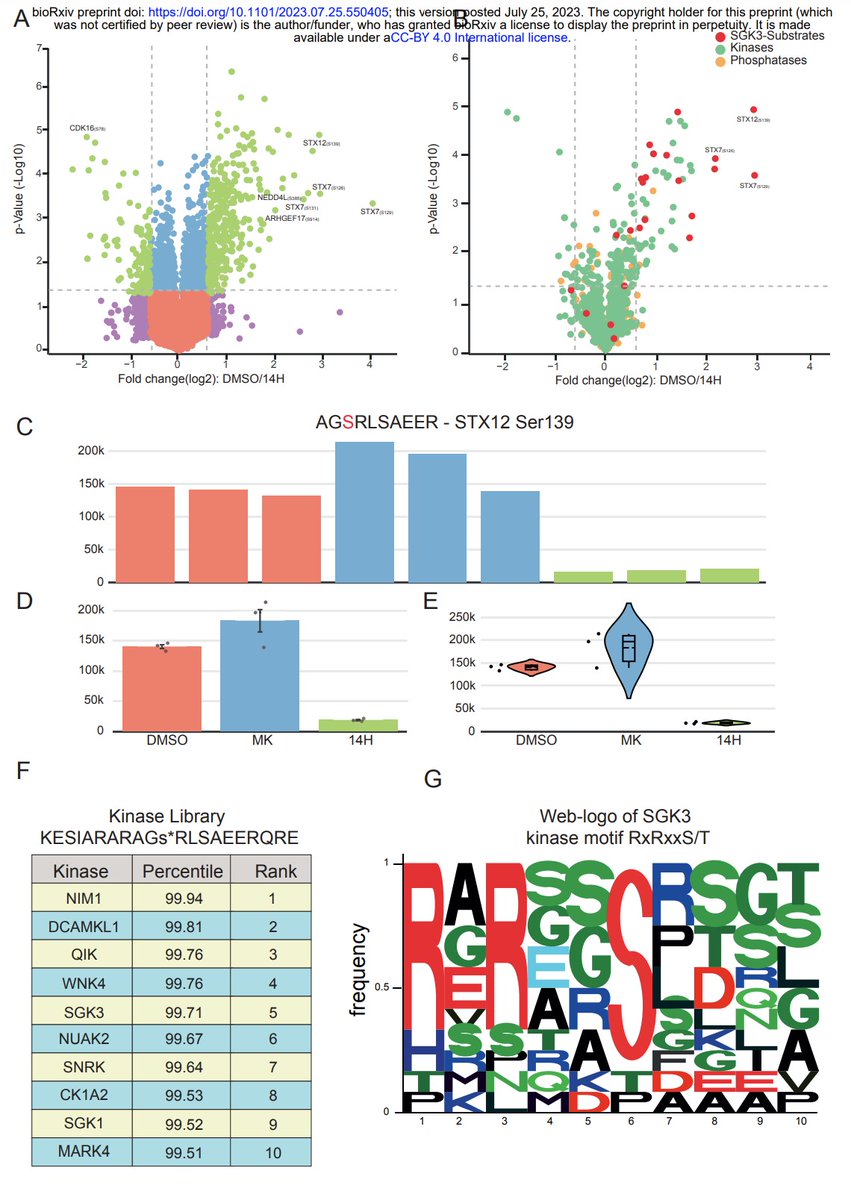
MSBooster manuscript led by @yangkl96 is out! In tandem with Percolator, it improves identification rates in #FragPipe using deep learning-based predictions (from DIA-NN). We illustrate it using HLA peptidomics, direct DIA, single-cell, and timsTOF data. https://t.co/DRtG1ATXtL
Check out a new book I edited on Protein-Protein Interactions. It includes in vitro & in vivo experimental methods covering cell biology, biochemistry, and biophysics. In silico methods are sequence, structure & phylogenetic profile-based approaches, gene expression & ML methods
3 amazing papers just out @Nature, the kind worth giving up sleep for🦉
Spatial multi-omics human maps:
-placenta: MIBI & DSP
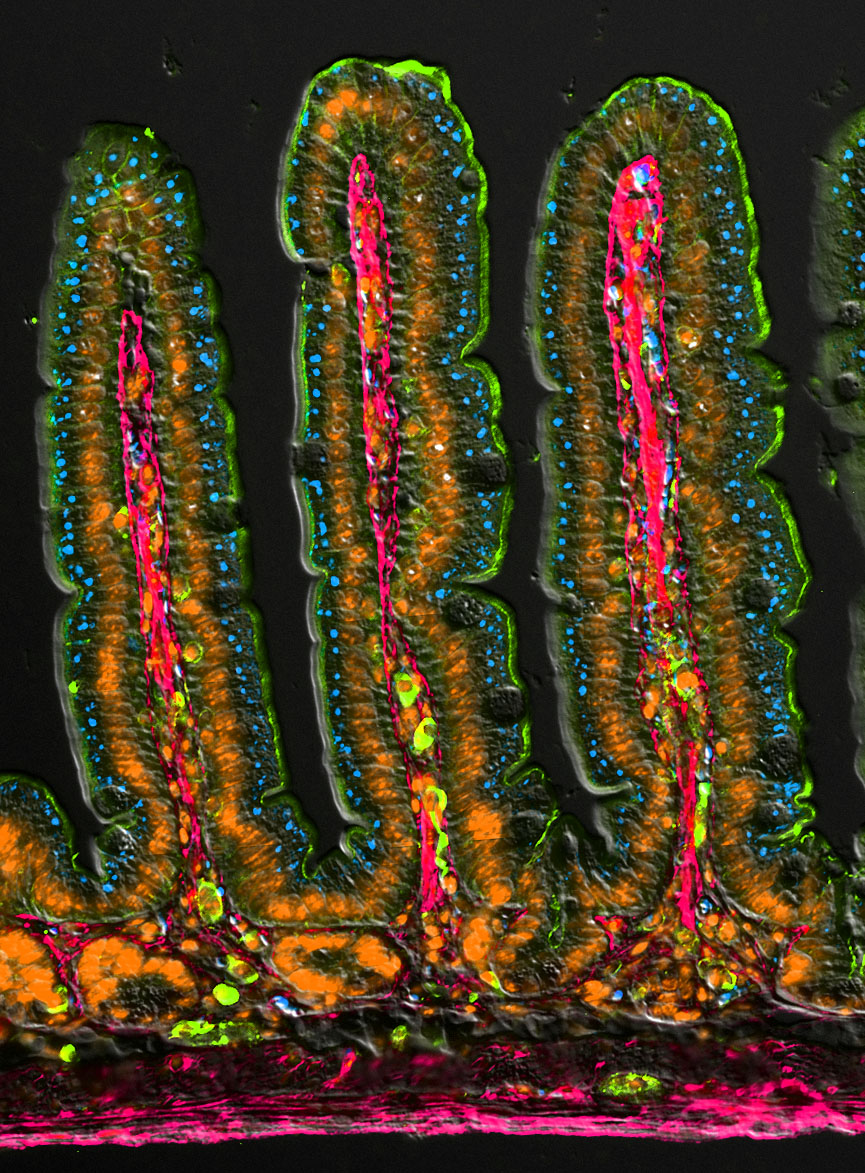
-intestine: CODEX & snRNAseq & snATACseq
-kidney: Visium & scRNA & scATAC
After sequencing single cells, we are now finally putting them back together🧵
A mind-blowing paper has come out today in @Nature
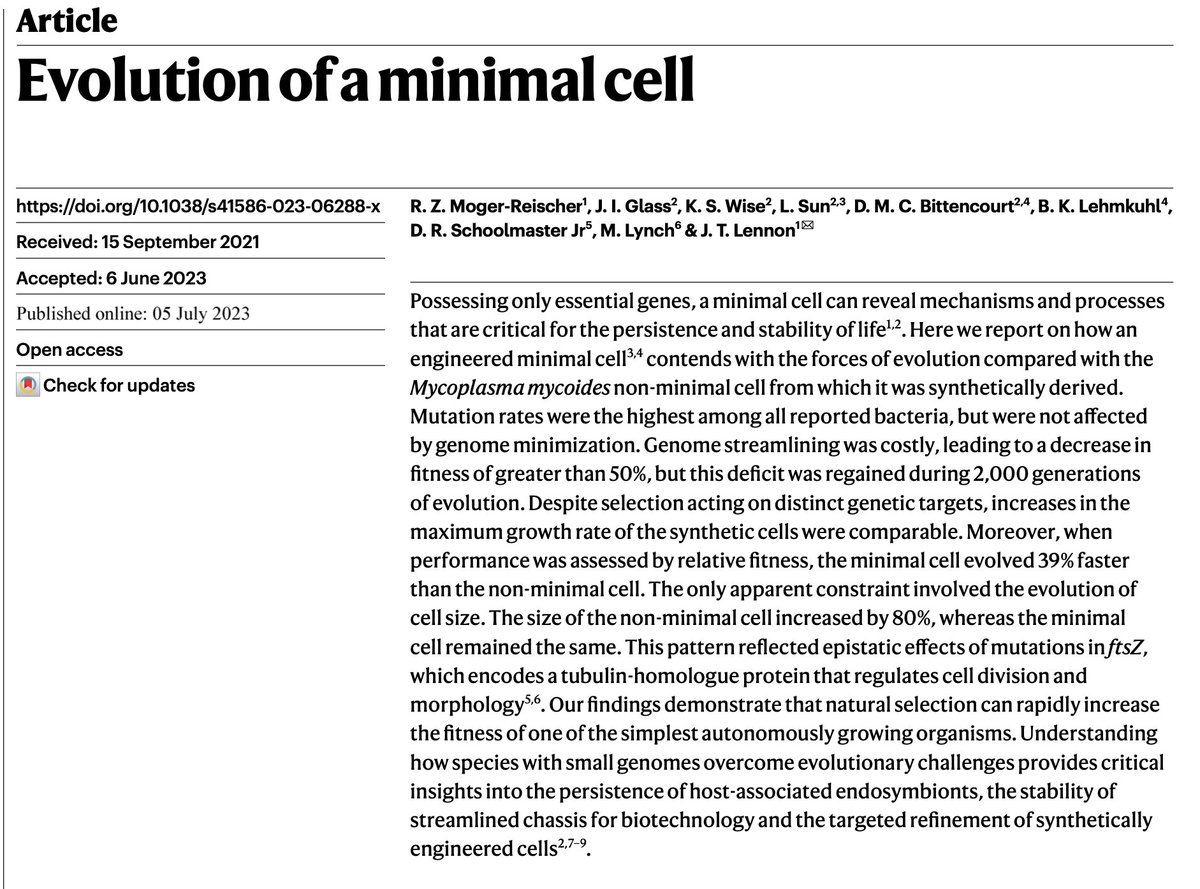
In 2016, JC Venter Institute scientists trimmed a bacterial genome to its barest minimum required for life to synthesize what they called a "minimal genome" (https://t.co/Rk8oZJ0bUj).
Today, a group of scientists from Indiana University reports how that minimal genome evolved over 2000 generations in comparison to the non-minimal genome.
The authors found that even when you reduce a bacterial genome to its absolute minimum where every nucleotide matters, the genome undergoes mutational events generation after generation as much as the non-minimal genome. One simply cannot stop the evolution.
Just over 300 days of evolution (equivalent to 40,000 years in humans) the minimal cell has gained everything it lacked in fitness on day one in comparison to the non-minimal cell.
When comparing the evolved traits between the minimal and non-minimal cells, the scientists found something striking. The evolutionary process increased the cell size of non-minimal cells but not that of the minimal cell. But that is not the striking part.
The scientists were able to identify the key mutation that resulted in cell size evolution. And it turned out that the mutation that helped the non-minimal cells to grow bigger is the same that helped the minimal cells to stay smaller. Growing bigger had a survival advantage for non-minimal cells and not growing bigger had a survival advantage for minimal cells. So, the mutation had a context-dependent effect. This just demonstrates that the evolutionary effects on traits have no absolute direction. All that matter is what is beneficial for the organism's survival.
The conclusion of the paper is metaphorically a quote from the Jurassic Park movie:
“Listen, if there’s one thing the history of evolution has taught us is that life will not be contained. Life breaks free. It expands to new territories, and it crashes through barriers painfully, maybe even dangerously, but . . . life finds a way". (https://t.co/UlxRlb86CT)
https://t.co/zA9OAqSoAu