Adding protein to a recovery drink may improve rehydration 🥛
This new meta-analysis included 16 studies and 205 adults, examining whether protein-containing drinks improve hydration and rehydration compared with water or carbohydrate-based drinks 🔍
Key findings ⬇️
💧 Fourteen studies examined rehydration after exercise- or heat-induced dehydration, with participants losing ~2.1% body mass
🥛 Protein-containing drinks provided an average of 23.7 g protein/L
📈 Protein produced a medium improvement in fluid retention compared with control drinks (SMD = 0.66)
🚽 Cumulative urine output was also lower (SMD = −0.71), meaning more of the ingested fluid was retained
⚖️ Net fluid balance improved with protein (SMD = 0.58)
🩸 Plasma volume recovery also improved, although the effect was smaller (SMD = 0.29)
🥛 Whole milk showed a large effect on fluid retention and reducing urine output, while whey protein produced smaller benefits
🧬 Potential mechanisms include slower gastric emptying, amino acid–sodium co-transport and increased plasma oncotic pressure
⚠️ However, protein drinks were often more energy-dense than comparison drinks, so some benefit may reflect the overall beverage composition rather than protein alone
👩 Only 17% of participants were female, and almost all evidence involved dairy-based proteins, limiting conclusions for female athletes and plant-based options
↔️ Evidence in already-euhydrated individuals was also limited, with only two studies
For athletes recovering from meaningful sweat losses, a protein-containing recovery drink may offer the useful combination of supporting muscle recovery while also improving fluid retention, particularly when rapid rehydration is required between sessions ✅
Reference:
https://t.co/66ZuEBavxP
Subscribe to https://t.co/kPsQssm5ut FREE to receive your daily study breakdown, straight to your inbox or via the Substack app 📥
Powered by https://t.co/V0YqjzPGsK⚡️
Could lactate become a new endurance fuel? 🧪
This new commentary explored whether exogenous lactate could become a complementary fuel alongside carbohydrate during endurance exercise 🔍
Here are the key takeaways ⬇️
⚡ Lactate is not simply a waste product; it is an important circulating energy substrate that can be taken up and oxidised by working tissues
🍞 Current carbohydrate fuelling is partly limited by intestinal transport, with exogenous carbohydrate oxidation typically reaching around 1.5–1.8 g/min
🧬 Lactate appears to use monocarboxylate transporters (MCTs) rather than the glucose and fructose transporters SGLT1 and GLUT5
🔀 In theory, this creates a parallel absorption pathway, meaning lactate could potentially add energy without directly competing with carbohydrate transport
🚴 Below lactate threshold, exogenous lactate may provide an additional oxidative substrate and potentially support glycogen sparing
🔥 Above lactate threshold, it could theoretically support high carbohydrate flux, pyruvate availability and rapid ATP production
🥤 The authors propose that combining 90–120 g/h carbs with ~10–25 g/h lactate could potentially increase total exogenous energy availability
📚 However, 13 controlled human trials using lactate-derived supplements have so far produced largely disappointing performance results
↔️ Only two reported performance benefits, while most showed no improvement in endurance, sprint or repeated high-intensity performance
💡 Importantly, previous studies generally used relatively small single doses and treated lactate as a buffering agent rather than delivering it continuously as an exercise fuel
🤢 Higher oral doses may create substantial sodium/calcium loads, gastrointestinal symptoms and disturbances in acid–base balance
🧪 Novel formulations such as lactate esters, hydrogels or encapsulation systems may eventually allow higher, better-tolerated delivery rates
⚠️ For now, the concept remains largely mechanistic and hypothetical, with no evidence that lactate should replace established carbohydrate fuelling strategies
For endurance athletes, exogenous lactate is an intriguing future “dual-fuel” strategy that might eventually push energy delivery beyond current carbohydrate limits, but practical high-dose formulations and convincing performance trials are still needed ✅
Reference:
https://t.co/lKTxdeRTNe
Subscribe to https://t.co/kPsQssm5ut FREE to receive your daily study breakdown, straight to your inbox or via the Substack app 📥
Powered by https://t.co/V0YqjzPGsK⚡️
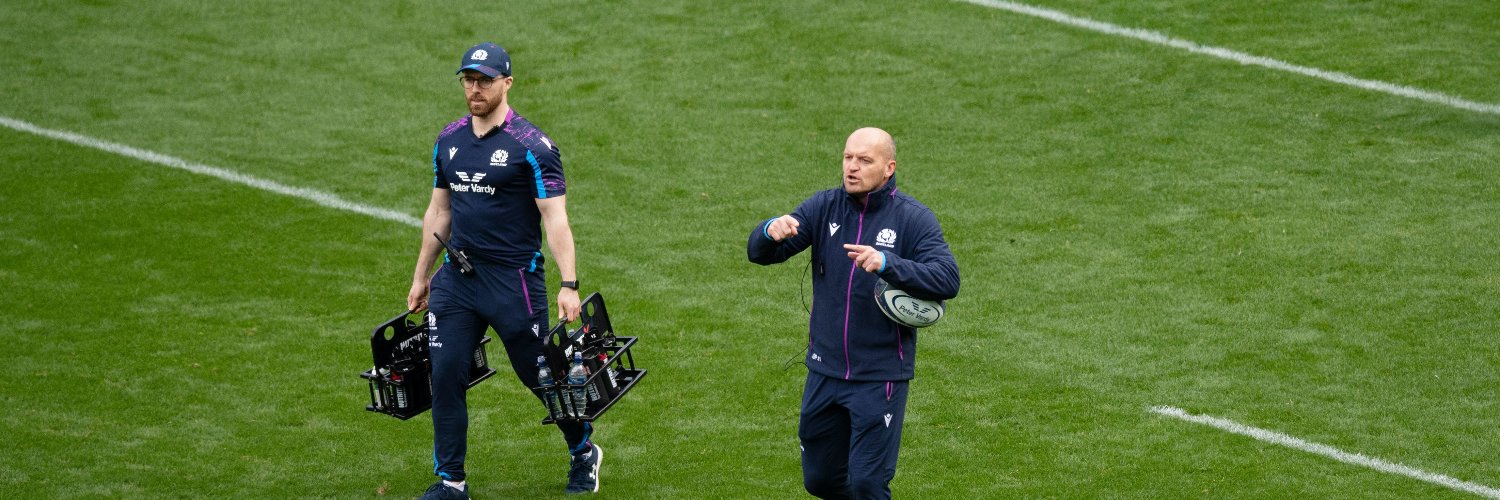
Nutrition support for rugby - visible, integrated and food-centred 🏉
This qualitative study interviewed 27 people within professional Australian rugby, including 13 players, 5 dietitians, coaches, S&C staff, physiotherapists and high-performance managers 🔍
Here are the key findings ⬇️
👥 Three major themes emerged around how nutrition services are perceived and delivered
🏟️ Organisational value mattered: when nutrition was championed by coaches and performance staff, dietitians had greater visibility, influence and credibility
↔️ When nutrition was undervalued or roles were unclear, messaging became fragmented and other staff sometimes provided conflicting advice
👩⚕️ Participants felt dietitians were most effective when they were present, integrated and available, rather than operating in limited part-time or reactive roles
🍽️ Food provision was viewed as the main way nutrition support was actually experienced day to day, through menus, training food, shared meals and practical food access
🥘 Players and staff valued accessible, appropriate food, particularly for fuelling, recovery, growth and players with limited time, money or cooking skills
👩 Gaps were especially apparent in women’s, pathway and rehabilitation settings, where food access and support were less consistent
🧑🍳 Food literacy and cooking skills were repeatedly highlighted, particularly for younger players moving away from home
📚 Participants wanted more education, but also emphasised that information alone was insufficient if the food environment did not support the advice being given
⏱️ Limited staffing and budgets pushed dietitians towards reactive work, reducing time for relationship-building, long-term planning and player development
⚠️ This was a qualitative study within one rugby organisation, so the findings reflect perceptions and context rather than proving that one service model improves performance outcomes
For rugby programmes, nutrition support is likely to have greater impact when the dietitian is embedded in the performance team, food provision reinforces the message, and practical support is available consistently across senior, women’s and pathway squads ✅
Reference:
https://t.co/w01UgPx7mv
Subscribe to https://t.co/kPsQssm5ut FREE to receive your daily study breakdown, straight to your inbox or via the Substack app 📥
Powered by https://t.co/V0YqjzPGsK⚡️
How elite athletes actually prepare for competition in the heat 🥵
This review examined 12 observational studies describing how elite and world-class athletes prepare for competition in hot outdoor environments 🔍
Key findings ⬇️
🌡️ Evidence-based guidelines generally recommend 10–14 consecutive days of heat exposure, with ≥4 sessions/week to induce adaptation
⏱️ Sessions should typically last 60–90 min, ideally sustaining core temperature around ≥38.5°C alongside elevated skin temperature, blood flow and sweating
🏃 In practice, heat acclimatisation usually involved normal sport-specific training outdoors in the heat, often in conditions similar to or hotter than competition
🧖 Heat acclimation was more varied, combining active training with post-exercise sauna, hot-water immersion or environmental-chamber exposure
📆 Elite athletes often deviated from textbook protocols to fit heat work around tapering, altitude training, recovery and competition demands
🧩 Common approaches included longer heat blocks several weeks out, followed by re-acclimation close to competition
🫀 Despite variation, typical adaptations included reductions in exercise heart rate of ~4–21 beats/min
🌡️ Exercise core temperature commonly fell by around 0.2–0.6°C
🩸 Plasma volume increases of up to ~23% were also reported, although responses varied substantially
💦 More complete sweating adaptations generally appeared to require >10 days of heat training
🏁 Previous meta-analytic evidence suggests heat training can improve self-paced performance in the heat by around 1–3%, although poorly managed heat load may impair training quality and increase fatigue
⚠️ Monitoring was often limited, with many studies failing to report core temperature, skin temperature or training-load adjustments in sufficient detail
For athletes preparing for hot competition, the best heat strategy is rarely a rigid 10–14 day protocol; sport-specific exposure, passive heating, training-load management and well-timed re-acclimation can be combined to achieve meaningful heat adaptation without compromising key training ✅
Reference:
https://t.co/QMKGWLvp9P
Subscribe to https://t.co/kPsQssm5ut FREE to receive your daily study breakdown, straight to your inbox or via the Substack app 📥
Powered by https://t.co/V0YqjzPGsK⚡️
Caffeine may reduce soreness without reducing muscle damage ☕
This systematic review included 15 randomised controlled trials and 222 participants, examining caffeine supplementation and exercise-induced muscle damage (EIMD) 🔍
Key findings ⬇️
☕ Caffeine doses ranged from 3–6 mg/kg, most commonly taken 30–70 min before exercise
😣 Of 6 studies assessing delayed-onset muscle soreness, 4 reported reduced soreness, generally within the first 24–48 h after exercise
↔️ However, 2 studies found no benefit or even greater pain, suggesting the analgesic response is not consistent
🩸 Eleven studies assessed biochemical markers such as creatine kinase (CK), LDH and myoglobin
📊 Nine found no significant difference between caffeine and placebo for biochemical markers of muscle damage
📈 Two studies actually reported higher CK concentrations following caffeine, potentially reflecting greater exercise output or muscle stress rather than impaired recovery itself
💪 Five studies assessed functional recovery, with some evidence that caffeine reduced losses in maximal force or isokinetic torque
🏃 However, improvements in performance were inconsistent, including no benefit for 5-km running 48 h after muscle-damaging exercise
🧠 The clearest potential effect may therefore be through reduced pain perception, rather than preventing structural muscle damage
⚠️ No included trial directly measured muscle damage using MRI or biopsy, and most relied on soreness, CK and performance measures
☕ Most participants also had relatively low habitual caffeine intake, so benefits may be smaller in regular high-caffeine users
For athletes, caffeine may help reduce soreness and temporarily restore function after damaging exercise, but it should be viewed as a way to manage symptoms rather than a strategy that meaningfully reduces the underlying muscle damage itself ✅
Reference:
https://t.co/WIqtdIXuKU
Subscribe to https://t.co/kPsQssm5ut FREE to receive your daily study breakdown, straight to your inbox or via the Substack app 📥
Powered by https://t.co/V0YqjzPGsK⚡️
Competitive athlete, over 18, interested in supplements?
Check out this new research study, your experience could help shape future sports nutrition guidelines.
https://t.co/NZ7Il5CdZv
Resistance training helps preserve lean mass during GLP-1 treatment 🏋️
This 40-week study examined whether resistance training could reduce lean mass and strength losses during tirzepatide treatment in 120 adults with overweight or obesity 🔍
All participants received tirzepatide, with 59 also completing 3 supervised resistance-training sessions/week 💉
Results 📊
📉 Body-weight loss was almost identical: −22.6 kg with tirzepatide alone vs −22.3 kg with resistance training
🔥 Fat-mass loss was also similar: −17.2 vs −18.0 kg
💪 However, resistance training reduced total lean soft tissue loss from −4.67 to −3.57 kg, preserving around 1.09 kg
🦵 Appendicular lean soft tissue loss was also smaller: −3.55 vs −2.92 kg
🏋️ The biggest difference was muscle function: strength declined with tirzepatide alone but increased substantially with resistance training
📈 Bench press changed by −4.1 vs +4.7 kg, lat pulldown −4.4 vs +8.6 kg, and knee extension −4.4 vs +5.9 kg
⚖️ Resistance training therefore improved muscle quality and function without compromising the substantial weight or fat loss produced by tirzepatide
🫀 Blood pressure, glucose, HbA1c and lipids improved similarly in both groups, with no additional cardiometabolic benefit from resistance training
📅 Lean soft tissue losses occurred primarily during the first ~24 weeks before largely plateauing
For people using tirzepatide or other GLP-1 receptor agonists for weight loss, resistance training can meaningfully reduce lean mass loss, while transforming the trajectory of muscle strength from decline to improvement ✅
Reference:
https://t.co/JiOe1emaAZ
Subscribe to https://t.co/kPsQssm5ut FREE to receive your daily study breakdown, straight to your inbox or via the Substack app 📥
Powered by https://t.co/V0YqjzPGsK⚡️
Heat acclimation does not restore exogenous glucose oxidation 🔥
This crossover study examined whether heat acclimation could restore the reduced oxidation of ingested carbohydrate during exercise in the heat in 17 endurance-trained adults 🔍
Participants cycled for 90 min at 45% Wmax while consuming 90 g/h glucose 🚴
Trials were completed in 20°C, 40°C, and again at 40°C after 9 heat-acclimation sessions over 10 days 🌡️
Results 📊
🍞 Exogenous glucose oxidation was ~27% lower in the heat, falling from 0.51 g/min in cool conditions to 0.37 g/min
↔️ Despite successful heat acclimation, glucose oxidation remained suppressed at 0.38 g/min
🫀 Heat acclimation still clearly worked physiologically: heart rate, core temperature, thermal discomfort and RPE were all reduced versus the initial hot trial
🩸 Importantly, the appearance of ingested glucose in the bloodstream was unchanged between conditions
😮💨 This suggests the reduction was not primarily caused by impaired gastrointestinal absorption or delivery of glucose into circulation
📉 Instead, glucose metabolic clearance and plasma glucose oxidation were lower in both hot trials, pointing towards reduced peripheral glucose uptake and utilisation
🩸 Plasma glucose was consequently higher during exercise in the heat, even after acclimation
🧬 Muscle glycogen data did not consistently support greater glycogen use as the main explanation for the reduced exogenous glucose oxidation
⚠️ Only 14 participants completed all three trials, and the study tested glucose alone during moderate-intensity cycling rather than race performance
Heat acclimation improves thermal tolerance but does not appear to restore the body’s ability to oxidise ingested glucose in the heat, meaning athletes should still prioritise well-practised carbohydrate delivery, hydration and gastrointestinal tolerance rather than assuming acclimation completely normalises fuelling metabolism ✅
Reference:
https://t.co/OqEBwrksKD
Subscribe to https://t.co/kPsQssm5ut FREE to receive your daily study breakdown, straight to your inbox or via the Substack app 📥
Powered by https://t.co/V0YqjzPGsK⚡️
Higher protein helps preserve fat-free mass during weight loss 🥩
This new meta-analysis included 33 randomised controlled trials and 2,135 adults with overweight or obesity, examining protein intake during energy-restricted weight loss 🔍
Here are the key findings ⬇️
🥩 Higher-protein groups consumed an average of 1.25 g/kg/day, compared with 0.79 g/kg/day in normal-protein groups
💪 Higher protein preserved an additional 0.26 kg of fat-free mass during weight loss
🔥 It also produced ~0.69 kg greater fat mass loss compared with normal protein intake
🏋️ In studies including supervised exercise, higher protein preserved ~0.49 kg more fat-free mass
↔️ Without supervised exercise, the additional preservation was only 0.14 kg and was not statistically significant
🧩 However, the formal comparison between exercise and non-exercise studies was not significant, so the apparent interaction should be interpreted cautiously
👨🦱 Within exercise studies, the benefit was significant in adults <60 years (+0.60 kg) but not those ≥60 years (+0.34 kg)
📊 The average difference between higher- and normal-protein diets was ~0.46 g/kg/day
⚖️ Overall body-weight loss was only marginally greater with higher protein, suggesting the main advantage was a more favourable composition of weight loss
📉 Higher protein + exercise produced the lowest relative contribution of fat-free mass to total weight loss in exploratory analyses
⚠️ Heterogeneity for fat-free mass was moderate-high (I² = 61%), and most studies had some risk-of-bias concerns
For athletes or active people dieting, increasing protein towards ~1.2–1.3 g/kg/day or above may modestly improve fat-free mass retention and fat loss, with the strongest practical strategy likely combining higher protein with resistance-based exercise ✅
Reference:
https://t.co/Mp2N3vlYzz
Subscribe to https://t.co/kPsQssm5ut FREE to receive your daily study breakdown, straight to your inbox or via the Substack app 📥
Powered by https://t.co/V0YqjzPGsK⚡️
5:2 fasting may be better for short-term fat loss than 16:8 ⏱️
This 4-week randomised trial compared daily 16:8 time-restricted eating with a 5:2 fasting approach in 68 women with overweight or obesity 🔍
The 16:8 group fasted for 16 h every day, while the 5:2 group consumed an ~800 kcal fasting-mimicking diet on 2 non-consecutive days/week ⏰
Results ⬇️
⚖️ Across both groups, body weight fell by ~2.7 kg, fat mass by ~1.7 kg and muscle mass by ~0.6 kg
📉 By week 4, weight loss was greater with 5:2: −3.13 kg vs −2.19 kg with 16:8
🔥 Fat loss was also greater with 5:2: −2.10 kg vs −1.23 kg
💪 Muscle mass declined similarly in both groups: −0.59 vs −0.56 kg
📏 Waist circumference fell by ~3.2 cm, with no meaningful difference between approaches
🫀 Systolic blood pressure decreased by ~6.7 mmHg overall, again with no significant difference between groups
🍽️ Importantly, neither group was prescribed a calorie deficit, yet energy intake spontaneously fell by around 530–550 kcal/day
🕐 The eating window shortened more with 16:8 (−3.3 h) than 5:2 (−1.3 h)
🩸 Mean glucose decreased similarly with both strategies, although peak glucose fell more with 16:8 while glucose nadir fell more with 5:2
⚠️ The study lasted only 4 weeks, included women only, used BIA for body composition, relied on self-reported dietary intake and did not measure physical activity
Both intermittent fasting approaches produced meaningful short-term weight and fat loss largely alongside reduced energy intake, with 5:2 producing greater fat loss by weeks 3–4 but no advantage for preserving muscle mass ✅
Reference:
https://t.co/hT2enRYDwF
Subscribe to https://t.co/kPsQssm5ut FREE to receive your daily study breakdown, straight to your inbox or via the Substack app 📥
Powered by https://t.co/V0YqjzPGsK⚡️
Leucine may not protect muscle during short-term immobilisation 🦵
This double-blind randomised trial examined whether leucine could preserve muscle protein synthesis (MPS) and muscle mass during 3 days of unilateral leg immobilisation in 48 recreationally active adults 🔍
Participants included 24 younger adults (~23 y) and 24 older adults (~69 y), with an equal male split 👥
They consumed either 5 g leucine or 5 g carbohydrate 3×/day with their main meals during immobilisation 🥄
Results 📊
📉 Daily MPS was ~15% lower in the immobilised versus non-immobilised leg in younger adults
📉 In older adults, MPS fell by ~23%, indicating a greater suppression of protein synthesis during disuse
↔️ However, leucine did not attenuate the reduction in MPS in either age group
🦵 Quadriceps cross-sectional area decreased by ~1.2% in younger adults and ~1.1% in older adults after only 3 days
↔️ Leucine also failed to preserve quadriceps muscle size versus carbohydrate placebo
👴 Although older adults experienced a larger suppression of MPS, the actual rate of muscle loss was not significantly different between age groups
⚡ These findings highlight how rapidly muscle tissue responds to disuse, with measurable atrophy developing in just a few days
🧬 Leucine can stimulate MPS under normal conditions, but during immobilisation this anabolic signal appears insufficient to overcome disuse-induced anabolic resistance
⚠️ The study examined only 3 days of complete leg immobilisation, so findings may differ during longer periods, partial loading or rehabilitation
During injury or immobilisation, leucine alone should not be expected to preserve muscle; maintaining safe mechanical loading where possible, alongside sufficient total protein and rehabilitation strategies, is likely to be more important ✅
Reference:
https://t.co/SVZXMIbpII
Subscribe to https://t.co/kPsQssm5ut FREE to receive your daily study breakdown, straight to your inbox or via the Substack app 📥
Powered by https://t.co/V0YqjzPGsK⚡️
Athlete sleep is a system, not just an individual behaviour issue 😴
This systems-modelling study developed a causal loop diagram of athlete sleep using published evidence and consensus from 10 experts, then applied network analysis to identify highly connected variables 🔍
Here are the key findings ⬇️
🧩 The final model contained 48 variables, 120 relationships and 290 feedback loops
🏟️ Variables spanned four domains: travel demands, behavioural/lifestyle factors, athlete condition and readiness, and scheduling/resource constraints
✈️ Highly connected upstream variables included hours of travel, number of time zones crossed, caffeine dose and available resources
😵 Variables receiving the most incoming influences included pre-sleep arousal, sleep opportunity, travel fatigue and performance
🔗 Physical condition, performance, diet quality and competition importance frequently linked different parts of the system
☕ Caffeine was an important modifiable factor, with both dose and proximity to sleep potentially influencing sleep health
📅 Early-morning training and evening competition may reduce sleep opportunity or increase arousal, while travel and congested schedules can amplify these effects
🔄 Poor sleep may also reinforce other problems: fatigue can increase napping or caffeine use, which may then influence subsequent sleep
📊 The authors proposed a three-tier framework: monitor upstream exposures, identify emerging sleep/performance strain, then consider behavioural and system-level responses
⚠️ This is a hypothesis-generating model rather than a predictive one, and network connectivity does not prove which factors are most causally important
Improving athlete sleep may require more than sleep hygiene; monitoring travel, caffeine, scheduling, arousal and recovery together may identify causes of poor sleep that individual behaviour change alone cannot fix ✅
Reference:
https://t.co/7tkV4t78Vj
Subscribe to https://t.co/kPsQssm5ut FREE to receive your daily study breakdown, straight to your inbox or via the Substack app 📥
Powered by https://t.co/V0YqjzPGsK⚡️
More protein may increase lean mass without increasing fat mass 🥩
This 4-week intervention examined whether modest protein overfeeding altered body composition in 35 exercise-trained men and women who completed pre- and post-testing 🔍
Participants were asked to increase protein intake by ~20% while maintaining habitual training and keeping carbohydrate and fat intake similar 🥩
Results 📊
📈 Actual protein intake increased by ~12%, from 1.93 → 2.12 g/kg/day (+18 g/day)
⚖️ Total energy intake increased by only ~51 kcal/day and did not change significantly
💪 Lean body mass increased by +0.67 kg over 4 weeks
💧 Total body water also increased by +0.49 L, which is important because body composition was measured using bioelectrical impedance
↔️ Fat mass did not significantly change (+0.37 kg), while body fat percentage also remained statistically unchanged
📊 Total body mass increased by ~0.57 kg, but this did not reach statistical significance
🧬 Researchers also examined the obesity-associated FTO rs9939609 genotype, but risk-allele status did not predict changes in lean mass, fat mass, body weight or body fat percentage
🏋️ Importantly, participants already had relatively high baseline protein intakes and averaged ~5 h/week of resistance training
⚠️ The study had no control group, only 35 of 56 participants completed the intervention, dietary intake was self-reported and BIA is sensitive to hydration status
For trained athletes already consuming plenty of protein, a modest increase from ~1.9 to ~2.1 g/kg/day may support small increases in lean mass without promoting fat gain, although the rise in body water and lack of a control group mean the true magnitude of muscle gain remains uncertain ✅
Reference:
https://t.co/HLFt5K8jsP
Subscribe to https://t.co/kPsQssm5ut FREE to receive your daily study breakdown, straight to your inbox or via the Substack app 📥
Powered by https://t.co/V0YqjzPGsK⚡️
Cold-water immersion may acutely improve cognition and fat oxidation 🧊
This new crossover study examined how cold-water immersion (CWI) and alternating cold + sauna exposure affected cognition and metabolism in 20 healthy, active adults 🔍
Participants completed 10 min of CWI at 10°C, contrast therapy alternating 2 min of 10°C water and an 82°C sauna, or a thermoneutral control 🧊
Results 📊
🔥 Five minutes after exposure, fat oxidation was higher after CWI (0.17 g/min) than contrast therapy (0.11 g/min) or control (0.09 g/min)
⏱️ The CWI effect was short-lived, with no significant difference from control by 20 min
🔥 Contrast therapy showed a more delayed response, with higher fat oxidation than control 20 min after exposure
🚴 During subsequent cycling at 20–30% Wmax, contrast therapy increased fat oxidation versus control by approximately 0.13–0.15 g/min
🧠 CWI improved reaction time from baseline and produced faster reactions than contrast therapy immediately afterwards
↔️ However, reaction time after CWI was not significantly faster than control immediately post-exposure
📉 Contrast therapy was associated with poorer processing speed later in testing, suggesting alternating hot and cold exposure may not offer the same cognitive effect
🫀 During low-intensity cycling, heart rate was approximately 10 bpm lower after contrast therapy than control
🌡️ Core temperature and perceived exertion did not differ between conditions
⚠️ The study included only 20 active adults, measured acute responses only and did not assess exercise performance or fat loss
For athletes, brief cold-water immersion may provide a short-lived increase in alertness and fat oxidation, while alternating sauna and cold exposure may prolong changes in low-intensity fat oxidation; neither finding currently demonstrates an improvement in sporting performance ✅
Reference:
https://t.co/8wMj5fdSKu
Subscribe to https://t.co/kPsQssm5ut FREE to receive your daily study breakdown, straight to your inbox or via the Substack app 📥
Powered by https://t.co/V0YqjzPGsK⚡️
Athletes may eat more during training camps in the heat 🌡️
This study examined how an 8-day training camp in hot conditions affected energy intake, macronutrient intake and hunger in 22 well-trained endurance athletes 🔍
Fourteen athletes completed matched training periods in temperate conditions (10°C, 58% humidity) and then hot conditions (30°C, 74% humidity) 🏃
A control group of 8 athletes completed both periods in the same temperate environment ↔️
Results 📊
🔥 During the heat camp, daily energy intake increased by ~24%
🍞 Carbohydrate intake increased by ~36%, representing the largest macronutrient change
🥩 Protein intake also increased by ~28%
🍳 Breakfast was the main point of adjustment: energy intake rose by ~90%, carbohydrate by ~107% and protein by ~70%
🌙 Protein intake was also higher at dinner during the hot-weather camp
🥤 Energy, carbohydrate and protein consumed during training sessions all increased significantly in the heat
😋 Athletes reported greater hunger before breakfast, which may partly explain why this meal accounted for much of the additional intake
↔️ None of these measures changed between training periods in the control group
⚠️ The sample was small, the heat group completed the conditions in a fixed order, and the study measured food intake rather than energy balance, recovery or performance
For endurance athletes attending hot-weather training camps, breakfast and during-session fuelling may become particularly important opportunities to increase energy, carbohydrate and protein intake to support the combined training and environmental demands ✅
Reference:
https://t.co/3da0f4pUy8
Subscribe to https://t.co/kPsQssm5ut FREE to receive your daily study breakdown, straight to your inbox or via the Substack app 📥
Powered by https://t.co/V0YqjzPGsK⚡️
Reduced muscle protein synthesis appears to drive disuse atrophy in women🦵
This controlled study examined how 10 days of unilateral leg unloading affected muscle protein synthesis (MPS), muscle protein breakdown (MPB) and muscle size in 14 healthy young women 🔍
One leg was unloaded for 10 days, while the opposite leg continued to receive resistance exercise 🦵
Results 📊
📉 MRI showed a significant reduction in vastus lateralis volume in the unloaded leg, confirming short-term muscle atrophy
🧮 Researchers compared traditional steady-state calculations with non-steady-state modelling that accounted for the shrinking muscle protein pool
↔️ Both modelling methods produced the same overall interpretation
📉 Mixed-muscle MPS declined significantly during unloading
🧬 The response was protein-fraction specific: myofibrillar MPS decreased, while sarcoplasmic MPS remained unchanged
↔️ Muscle protein breakdown did not increase, suggesting atrophy was not driven by greater protein degradation
🏋️ In the loaded leg, mixed, myofibrillar and sarcoplasmic MPS remained unchanged compared with baseline across the measurement period
💡 Short-term disuse therefore appears to reduce the construction of new muscle protein rather than substantially accelerate the breakdown of existing tissue
🙋♀️ The study adds valuable female-specific evidence to a research area that has often relied heavily on male participants
⚠️ The sample was small and involved only healthy young women using a 10-day unloading model, so findings may not fully translate to longer immobilisation, severe injury or older adults
For women, during injury-related unloading, maintaining as much safe mechanical loading as possible should be prioritised, with nutrition used to support that stimulus rather than assuming muscle loss is mainly caused by accelerated protein breakdown ✅
Reference:
https://t.co/zoQNTWvDdo
Subscribe to https://t.co/kPsQssm5ut FREE to receive your daily study breakdown, straight to your inbox or via the Substack app 📥
Powered by https://t.co/V0YqjzPGsK⚡️
A 200-km swim required nearly 14,700 kcal per day 🏊
This case study used doubly labelled water to measure energy expenditure during a 200-km open-water swim completed over 73.5 hours by a 103-kg former Olympic-level swimmer 🔍
Results 📊
🔥 Total energy expenditure averaged 14,747 kcal/day, reaching approximately 46,600 kcal across the 76-hour measurement period
📈 This equated to 6.17 times basal metabolic rate, placing it among the highest directly measured sustained energy expenditures reported over a similar duration
🌊 The swim took place in 20.5°C water, where continuous conductive heat loss likely added substantially to the metabolic cost of near-continuous swimming
🥣 The athlete consumed around 10,000 kcal/day, using gels, bananas, muesli bars, sports drinks and larger meals approximately every 4 hours
📉 Despite this, the estimated cumulative energy deficit was still approximately 16,600 kcal
⏱️ Nutrition was provided every 20 minutes during brief stops, helping maintain intake without substantially interrupting progress
💧 Daily water turnover reached 14.8 L, equivalent to approximately 0.61 L/hour
💪 The athlete completed an estimated 200,000 strokes, contributing to shoulder pain, blisters and substantial upper-body mechanical stress
😴 Total rest time was around 7 hours, including partial sleep, across the event
↩️ A previous attempt ended after 163 km and 55 hours, when intake was only ~5700 kcal/day and sleep totalled around 40 minutes
⚠️ This involved one athlete, and calculating expenditure required assumptions about respiratory exchange ratio, so the exact values remain uncertain
For extreme multi-day endurance events, success depends not only on physical capacity, but on sustaining very high energy intake alongside realistic pacing, planned sleep, thermal protection and frequent, practical feeding opportunities ✅
Reference:
https://t.co/lfSbqIF7VA
Subscribe to https://t.co/kPsQssm5ut FREE to receive your daily study breakdown, straight to your inbox or via the Substack app 📥
Powered by https://t.co/V0YqjzPGsK⚡️
Walnuts may help reduce inflammation 🔥
This systematic review and dose–response meta-analysis included 24 randomised controlled trials and 2,068 adults, examining whether walnut intake influences inflammatory cytokines and adipokines 🔍
Key findings ⬇️
📉 Walnut consumption produced a small reduction in C-reactive protein (CRP) versus control (WMD = −1.0 mg/dL)
🧬 Interleukin-6 (IL-6) was also modestly reduced (WMD = −0.11 pg/mL)
↔️ However, sensitivity analyses showed that these findings were not robust when several influential studies were removed
🔥 Walnuts did not significantly reduce tumour necrosis factor-alpha (TNF-α)
⚖️ There were also no significant effects on the adipokines adiponectin or leptin
📆 Subgroup analyses suggested stronger anti-inflammatory effects in interventions lasting more than 12 weeks
🥜 Effects also appeared more pronounced with walnut intakes above 50 g/day, although this does not establish an optimal dose
🧩 Walnuts provide polyunsaturated fats, fibre and antioxidants, which may help explain potential effects on inflammatory pathways
⚠️ The average effects were modest, study results were not entirely stable, and the clinical importance of the changes remains uncertain
Adding walnuts to an overall high-quality diet may provide a small anti-inflammatory benefit, but these findings do not show that walnuts directly improve exercise recovery or performance ✅
Reference:
https://t.co/VCNJtLyCfY
Subscribe to https://t.co/kPsQssm5ut FREE to receive your daily study breakdown, straight to your inbox or via the Substack app 📥
Powered by https://t.co/V0YqjzPGsK⚡️
Creatine does not reliably prevent muscle loss during immobilisation 🦵
This systematic review included 6 randomised placebo-controlled trials and 118 participants, examining creatine during immobilisation and rehabilitation 🔍
Key findings ⬇️
🛑 Studies used 1–2 weeks of upper- or lower-limb immobilisation, mainly in healthy people aged 15–24 years
🥄 Protocols commonly used 20 g/day for 5–7 days, followed by 3–5 g/day during rehabilitation
📉 Direct imaging showed similar quadriceps losses with creatine and placebo: −5.6% vs −5.5% after 1 week and −11.0% vs −9.4% after 2 weeks
⚖️ Two studies reported better preservation of limb lean mass, but these used DXA or bioelectrical impedance, which can be influenced by fluid shifts and may not reflect preserved muscle tissue
💪 Effects on strength, power and endurance during immobilisation were inconsistent, with favourable findings mainly from small upper-limb studies
🏋️ Results were more promising once structured resistance rehabilitation began
📈 One study found greater quadriceps growth with creatine during rehabilitation (+21.3% vs +14.3%)
⚡ Other studies reported greater improvements in lower-limb lean mass, power, strength or muscular endurance, although benefits were inconsistent
↔️ Passive recovery without structured retraining showed no creatine benefit
⚠️ Evidence was limited and heterogeneous, with no trials in older adults or clinical populations at greater risk of prolonged muscle loss
For injured athletes, creatine should not be relied upon to prevent atrophy during complete immobilisation, but it may be worth continuing or introducing alongside progressive resistance-based rehabilitation, where the limited evidence is more encouraging ✅
Reference:
https://t.co/qRlU0DuZd2
Subscribe to https://t.co/kPsQssm5ut FREE to receive your daily study breakdown, straight to your inbox or via the Substack app 📥
Powered by https://t.co/V0YqjzPGsK⚡️