During the late 19th century, the pharmaceutical company Bayer gained prominence for its production and distribution of various medications. One such product was heroin, which at the time was considered a breakthrough in the field of medicine. Initially, Bayer held the trademark for the word "heroin" and marketed it as a remedy for common ailments like coughs and headaches.
Heroin, derived from morphine, was synthesized by Bayer's chief chemist, Felix Hoffmann, in 1897. The company saw potential in the drug due to its potent pain-relieving properties. As a result, Bayer introduced heroin as an over-the-counter medication, widely available for purchase without a prescription.
The marketing campaign for Bayer's heroin emphasized its effectiveness as a cough suppressant, particularly for children. It was positioned as a safer alternative to traditional cough remedies, such as codeine-based preparations. The company touted the drug's ability to alleviate coughing and soothe headaches, presenting it as a versatile solution for common respiratory and pain-related issues.
During this period, the potential risks and addictive nature of heroin were not yet fully understood or acknowledged. Consequently, the public and medical professionals had limited awareness of the dangers associated with its use. As a result, heroin gained widespread acceptance and popularity as a household remedy.
It wasn't until the early 20th century that the harmful effects and addictive nature of heroin became more widely recognized. As scientific understanding advanced, the medical community and regulatory authorities began to realize the detrimental consequences of its unrestricted availability. Subsequently, heroin was classified as a controlled substance, leading to stricter regulations and eventually its removal from the market as an over-the-counter medication.
The case of Bayer's involvement in the marketing and distribution of heroin as a cough and headache remedy serves as a historical reminder of the evolving understanding of drugs and their effects. It highlights the importance of scientific research, regulatory oversight, and responsible pharmaceutical practices in ensuring public health and safety.
Most Popular First Names In The World:
Mohammed - 133,349,300
Maria - 61,134,526
Nushi - 55,898,624
Jose - 29,946,427
Wei - 17,145,807
Ahmed - 14,916,476
Yan - 14,793,356
Ali - 14,763,733
John - 14,323,797
David - 13,429,576
Li - 13,166,162
Abdul - 12,163,978
Ana - 12,091,132
Ying - 12,047,080
Michael - 11,471,765
Juan - 11,372,603
Anna - 11,350,336
Mary - 11,303,767
Jean - 11,024,162
Robert - 10,170,794
Daniel - 10,026,181
Luis - 9,757,245
Carlos - 9,618,779
James - 8,807,695
Antonio - 8,659,274
Joseph - 8,630,833
Hui - 8,516,339
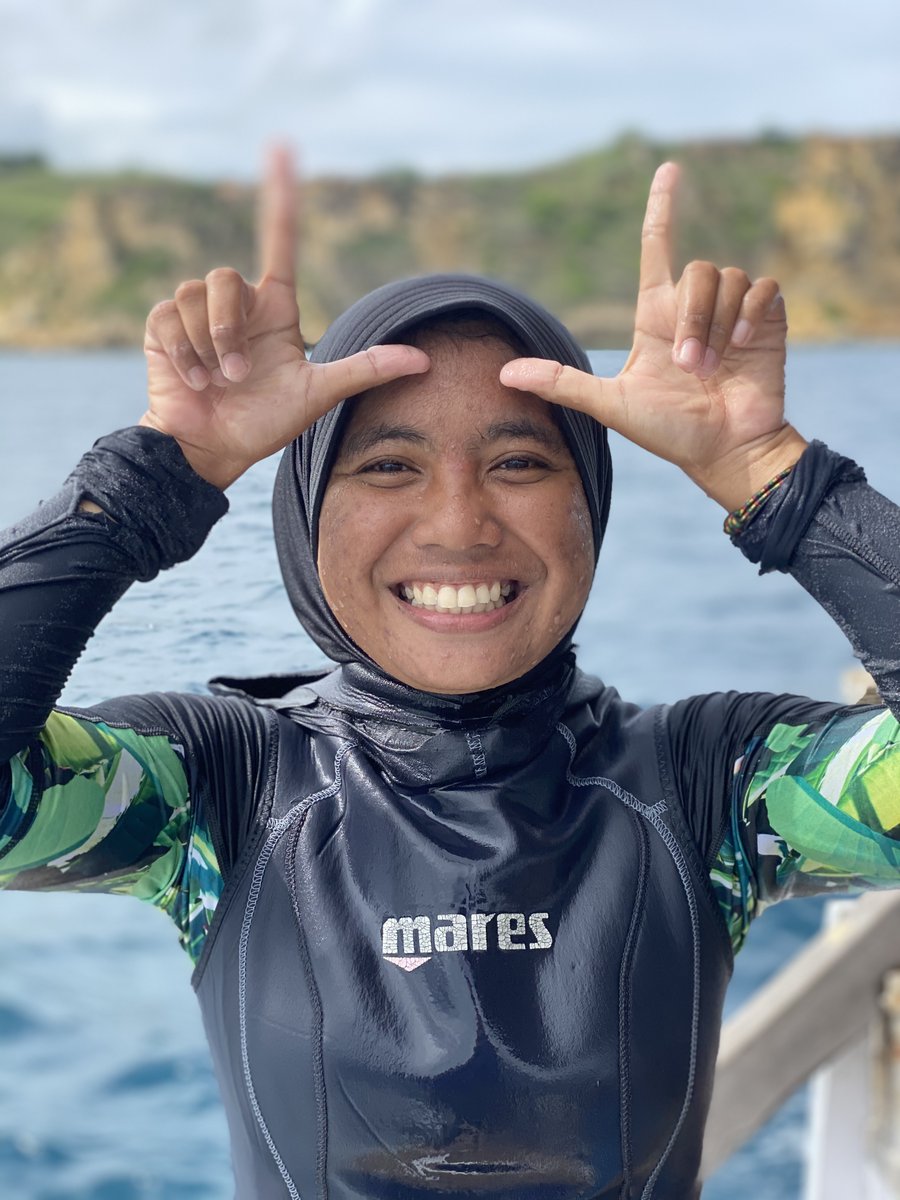
Diving with Rahma.
Meet Rahma, the best divemaster I have ever been diving with.
Rahma is a 22-year young Muslim woman from a traditional fishing village called Warloka, about 45 min south of Labuan Bajo by boat.
Rahma is the youngest of three siblings, she has two older brothers. Her father is a fisherman. During the fishing season, he goes out to the open ocean, for a week at a time, in a small wooden boat to catch and earn enough to feed the family.
Rahma finished school aged 12. She didn’t go to high school as until recently there was no junior high school in Warloka.
Rahma’s mum died when she was twelve.
This not the end of Rahma’s story.
This is just the beginning.
Rahma is multilingual and speaks 5 languages fluently.
Rahma grew up speaking Bima – the local language in Warloka village, but by the age of 15 Rahma was also able to speak Bahasa Bajo and Bahasa Manggarai– other (completely different) local languages spoken in Komodo, as well Bahasa Indonesia (the national language).
In 2015 Scuba Junkie opened a diving resort in Warloka bay and started employing local people from Warloka village. Rahma’s uncle Latif got a job working on the boat. Rahma got a job as a housekeeper.
However, after two days Rahma moved to the kitchen and learned how to cook different dishes. She quickly started improving her English by talking to the guests staying at the resort.
In 2017 Scuba Junkie invited Rahma to go diving and do her first course 'discover diving'. In 2018 Rahma completed her Padi Open Water Course, Advanced, Rescue and Divemaster – all in one year. In 2019 she started working on the dive boats as a dive guide.
Rahma was my dive guide for three days on dive sites across Komodo national park. Effortless guiding me through strong currents, cancelling dives if the conditions are not safe and best of all – spotting and sharing interesting and unusual things underwater.
On the last day we headed south to some diving sites near Padar island. On the first two dives ‘Padar Bay’ and ‘Three Sisters’ Rahma spotted an octopus, two leaf scorpion fish, baby harlequin sweetlips, baby yellow boxfish, schools of pelagic fish, and a purple seahorse.
On the final dive of the day ‘Secret Garden’ – we hoped to see a Devil Ray. Rahma spotted three, a baby Peacock Mantis Shrimp, two more leaf scorpion fish and a swimming moray eel.
I thought the dive was over. I started swimming away from the reef. Then, I heard Rahma’s tank ‘cling’ as she tapped it once with her dive guide stick. I turned and looked out, and stared in disbelief. Time seemed to slow down.
Five metres out and swimming slowly towards us was a whale shark.
For just over a minute, bobbing ten meters out in the blue, it was just the three of us – the whale shark, me and Rahma – the young woman from Warloka, daughter of a fisherman and the best dive master I have ever been diving with.
#Indonesia #scubadiving #multilingualism
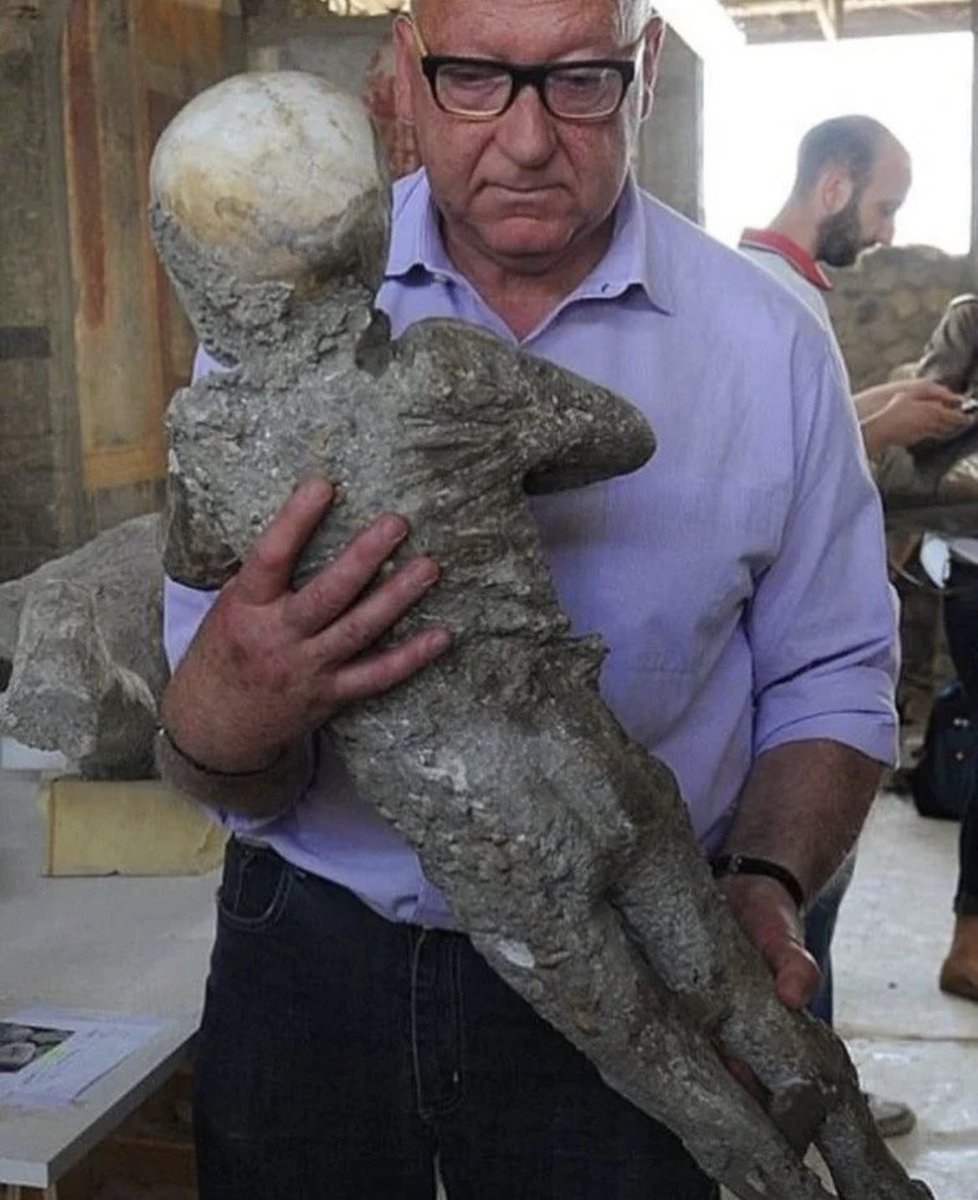
An archeologist carefully cradles a plaster cast of a child lost during Pompeii in his hands, feeling the weight of history and tragedy within it. The cast is a sad representation of the horrifying event that unfolded nearly two millennia ago in the ancient Roman town of Pompeii. Preserved in time by the catastrophic eruption of Mount Vesuvius, the cast captures the final moments of a child and their mother, forever frozen in a haunting embrace.
The eruption of Mount Vesuvius in 79 AD was a catastrophic event that shook the region and left an indelible mark on history. Pompeii, once a thriving city located near the Bay of Naples, was abruptly engulfed by a torrent of volcanic ash and debris. The city's inhabitants, going about their daily lives, were suddenly faced with a deadly cataclysm they could not escape.
The child, estimated to be just four years old, was among the countless victims of this disaster. As the volcano unleashed its fury, burying the town in a thick blanket of ash, the child found solace in the loving arms of their mother. The intense heat and toxic gases caused by the eruption quickly overwhelmed them, leading to their tragic demise. The child's plaster cast serves as a poignant reminder of the immense human suffering that unfolded during those fateful hours.
It is worth noting that the cause of death for most Pompeii residents was not direct contact with molten lava or volcanic bombs, but rather the suffocating ash and scorching temperatures that accompanied the eruption. As the ash cloud billowed into the sky, it descended upon the city, filling the air with fine particles that made breathing impossible. Many succumbed to asphyxiation, while others fell victim to the searing heat, which rapidly incinerated organic materials and caused widespread devastation.
Today, the ruins of Pompeii stand as a testament to the destructive power of nature and provide invaluable insights into the daily lives of ancient Romans. The plaster casts, meticulously created by pouring liquid plaster into the voids left by decomposed bodies, offer a haunting glimpse into the final moments of those who perished. They serve as a poignant reminder of the fragility of life and the transient nature of human civilization, urging us to reflect on the past and cherish the present.
"Queremos más éxitos porque somos el mejor Club del mundo"
🗣️ Las palabras del presidente Joan Laporta en la reunión ordinaria del Senado
Todos los detalles 👉🏻 https://t.co/sYrQvzaCzH
Official: In a meeting with Pep Guardiola and Club hierarchy, @HHMansoor has reviewed #ManCity’s progress, future strategies for investment, as well as plans for the 2023/24 season to ensure strengthening their position locally, in Europe, and globally.
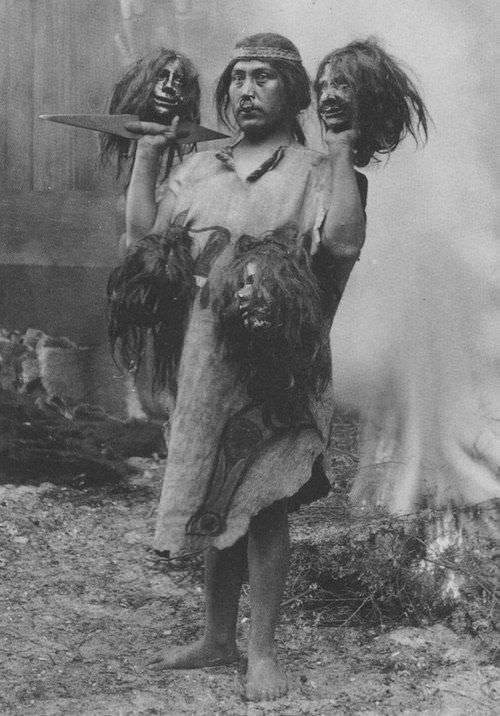
Seorang pria dari Amazon di Brazil dengan beberapa kepala manusia yang susut pada tahun 1925.
Kepala yang menyusut adalah kepala manusia yang dipotong dan disiapkan secara khusus – kebanyakan mengecil berkali-kali lebih kecil dari ukuran biasanya – yang digunakan untuk piala,
Aan warga Brebes harus dorong kursi roda sejauh 10 kilometer demi mengantar suami ke RS dua kali sepekan. Tak jarang, Aan rela menembus hujan deras.
Via @detik_jateng https://t.co/EV2vajVwbN
What a great night of football it has been. Congratulations to @ManCity for the win and a special mention to our brilliant fans for their extraordinary support, in what has been a long, long season 🖤💙
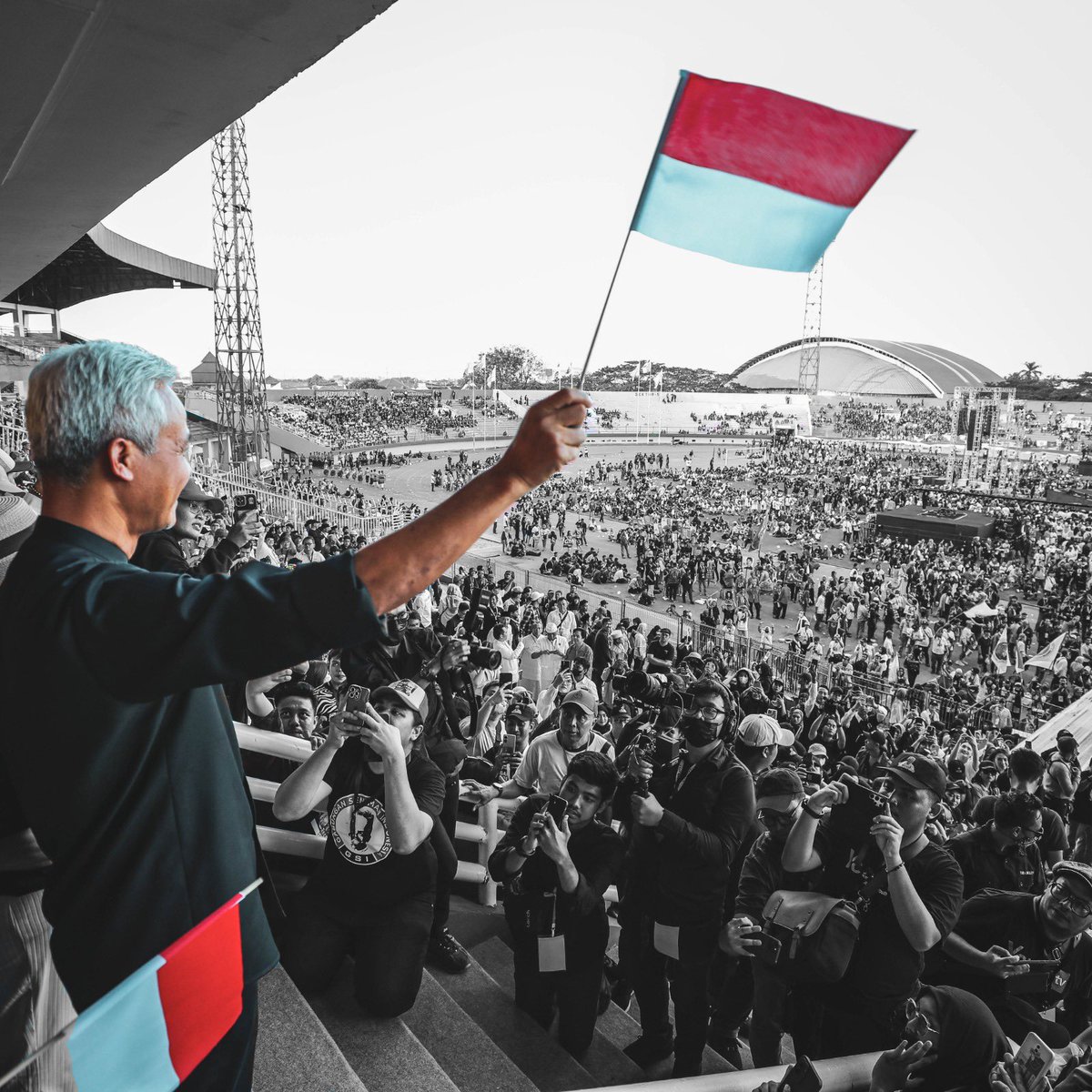
Merawat budaya, merawat Nusantara.
Terimakasih temen2 relawan yang telah datang ke Stadion Delta Sidoarjo.
Satu tekad, satu tujuan. Semoga seluruh langkah kita diberi kemudahan.