A recent study has demonstrated that continuous exposure to rose essential oil through inhalation can lead to measurable increases in gray matter volume in the human brain.
In this randomized controlled intervention, 50 healthy women participated: 28 in the experimental group applied rose essential oil to their clothing daily for one month, while 22 in the control group used plain water. Before and after the period, researchers used magnetic resonance imaging (MRI) to assess changes in brain structure. The results indicated a significant increase in gray matter volume (GMV) across the whole brain, with a particularly notable effect in the posterior cingulate cortex (PCC)—a region involved in memory processing, self-referential thinking, and emotional regulation. No significant changes occurred in areas like the amygdala or orbitofrontal cortex.
The olfactory pathway likely explains this effect: aromatic compounds from the rose oil travel directly to the limbic system, providing sustained stimulation that may promote neuroplasticity and help counteract age-related brain atrophy. The authors suggest this could have implications for dementia prevention, as the PCC is among the regions affected early in conditions like Alzheimer's disease.
This appears to be the first evidence that prolonged scent inhalation can induce structural changes in the adult human brain.
[Kokubun, K., et al. (2024). Continuous inhalation of essential oil increases gray matter volume. Brain Research Bulletin, 208, 110896. DOI: 10.1016/j.brainresbull.2024.110896]
🇮🇷 Iranian scientists make breakthrough in mRNA vaccines against breast cancer.
The new vaccine design is set to target two key proteins that drive tumor survival and progression—VEGFR2 and c-MET.
Scientists removed the extra chromosome that causes Down syndrome from human cells using CRISPR gene-editing.
Led by Dr. Ryotaro Hashizume, the research team achieved "trisomy rescue" by targeting the surplus copy of chromosome 21, which is responsible for the condition's developmental and cognitive challenges.
By deploying precise molecular guides, the team successfully excised the extra chromosome and restored typical cellular functions in over 30% of the treated human cells. This breakthrough represents the first time an entire extra chromosome has been cleared from patient-derived cells, resulting in healthier, faster-growing cells with restored gene expression.
Although the research is in its early stages and currently confined to lab-grown cells, it represents a bold leap forward for precision medicine.
Instead of targeting individual genes, this approach addresses the genetic root of the condition, offering a revolutionary glimpse into future chromosomal therapies. Researchers caution that translating this laboratory success into real-world patient treatments will require extensive safety trials, refined delivery systems, and careful ethical considerations.
Nevertheless, this proof of concept marks a promising step toward potentially altering the trajectory of Down syndrome and other complex genetic conditions.
source: Hashizume, R., Wakita, S., Sawada, H., Takebayashi, S., Kitabatake, Y., Miyagawa, Y., Hirokawa, Y. S., Imai, H., & Kurahashi, H. Trisomic rescue via allele-specific multiple chromosome cleavage using CRISPR-Cas9 in trisomy 21 cells. PNAS Nexus.
China just unveiled the world’s first medical ‘bone glue’ that heals fractures in minutes, with no metal implants, no follow-up surgery.
Inspired by oysters, this breakthrough could transform fracture treatment worldwide.
🚨 Your brain is aging FASTER than you realize.
Science shows the people who stay sharp into their 80s and 90s aren’t lucky — they follow a specific protocol.
Here’s the exact stack that powerfully protects cognition and brain health:
• 4x/week Aerobic (35 min)
• 2x/week Strength (15-20 min)
• 2x/week Flexibility (10-15 min)
MIND Diet: Leafy greens, berries, nuts, whole grains, plant protein daily.
Daily Cognitive Training:
Apps (Elevate or Lumosity)
Sudoku, Chess, Crosswords, Scrabble
Movement-based: Dancing, Tai Chi, Yoga
Stress reduction: Meditation + real social connection.
Your brain doesn’t decline with age — it declines with neglect.
Protect your greatest asset.
Who’s starting this week? Drop a 🔥 below 👇
#BrainHealth
#CognitiveHealth
#HealthyAging
Genetically modified mosquitoes have been released in Florida as part of a major effort to suppress disease-carrying wild populations.
The United States has launched a groundbreaking and controversial public health initiative by releasing Oxitec’s bioengineered male Aedes aegypti mosquitoes in the Florida Keys.
These engineered males do not bite humans. Instead, when they mate with wild female mosquitoes, they pass on a self-limiting gene that causes female offspring to die before reaching adulthood. This mechanism gradually reduces the overall mosquito population over multiple generations.
The project offers a promising alternative to traditional chemical insecticides, which have become less effective due to growing resistance in mosquito populations. Previous field trials conducted by Oxitec in Brazil, Panama, and the Cayman Islands achieved reductions of over 90 percent in local Aedes aegypti numbers, the primary vectors for Zika, dengue, and yellow fever.
While the approach has drawn criticism from some environmental groups, its success could mark a significant shift in how vector-borne diseases are controlled in the United States, particularly as climate change expands the range of these dangerous insects.
[Centers for Disease Control and Prevention. (2026). Genetically Modified Mosquitoes]
The Gut–Lung Microbiome Crosstalk and Pulmonary Disease
✅️ The purpose of this review is to describe the important roles that the gut microbiota play in the pathogenesis and potential therapies of common pulmonary diseases.
▶️ Gut microbiota dysbiosis directly affects immune responses, altering disease severity in asthma, chronic obstructive pulmonary disease, cystic fibrosis, & lung infections such as pneumonia & COVID-19.
▶️ The gut microbiome plays a significant part in lung health & disease.
⚠️ Diet, tobacco smoking & electronic cigarette vaping all impact both the gut & lung microbiomes.
https://t.co/vRpn8PPhLr @HealthyFellow
WHAT DERMATOLOGISTS CHARGE YOU FOR:
1. Acne needs Neem
2. Dark Circles need Cucumber
3. Oily Skin needs Fuller's Earth
4. Sunburn needs Aloe Vera
5. Pigmentation needs Turmeric
6. Cracked Lips need Ghee
7. Puffy Eyes need Cold Green Tea Bags
8. Dull Skin needs Papaya
9. Dry Skin needs Raw Honey
10. Blackheads need Steam and Multani Mitti
11. Large Pores need Ice Cubes
12. Redness needs Colloidal Oatmeal
13. Stretch Marks need Rosehip Oil
14. Under-Eye Bags need Cold Milk
15. Eczema needs Coconut Oil
16. Psoriasis needs Aloe Vera Gel
17. Uneven Skin Tone needs Lemon Juice
18. Razor Bumps need Witch Hazel
19. Scars need Vitamin E Oil
20. Sagging Skin needs Egg White Mask
21. Sun Tan needs Tomato Pulp
22. Wrinkles need Argan Oil
23. Itchy Skin needs Neem Leaf Bath
24. Chapped Hands need Shea Butter
25. Dark Knees need Baking Soda Scrub
26. Dark Underarms need Potato Juice
27. Dry Elbows need Olive Oil
28. Skin Tags need Apple Cider Vinegar
29. Age Spots need Castor Oil
30. Fungal Rash needs Tea Tree Oil
31. Heat Rash needs Sandalwood Powder
32. Cracked Heels need Vaseline and Socks
33. Rosacea needs Green Tea Extract
Vitamin C is more than "immune support"
Neurons accumulate vitamin C to approximately 10 mM intracellularly, roughly 200 times the concentration found in plasma. This gradient is maintained by SVCT2, a sodium-dependent transporter expressed almost exclusively in neurons in vivo. The brain is also the last organ to be depleted during deficiency. In guinea pigs (which, like humans, cannot synthesize vitamin C), the brain retained 24% of its vitamin C stores after 14 days of zero intake, while the adrenal glands dropped to 4% and the spleen to 3%. The body prioritizes the brain above everything else.
The adrenal glands are the other major site of accumulation. Vitamin C is a required cofactor for two enzymes central to the stress response: 11β-hydroxylase, which catalyzes the final step of cortisol synthesis in the adrenal cortex, and dopamine β-hydroxylase, which converts dopamine to norepinephrine in the adrenal medulla.
Padayatty et al. (2007) measured this directly in 26 human patients. After ACTH administration, adrenal vein vitamin C concentration surged from 39 to 162 μmol/L within 2 minutes, while cortisol did not peak until 15 minutes. The adrenals released vitamin C before they released cortisol.
This sequence suggests ascorbate must be mobilized for steroidogenesis to proceed.
This doesn't mean mega-dosing vitamin C will improve your stress response. Most of this work describes what happens during deficiency or acute demand, not supplementation above adequate intake. But it does reframe what vitamin C actually does in your body: it's not primarily an antioxidant or immune molecule. It's a required manufacturing input for cortisol and catecholamines, concentrated exactly where those hormones are made.
Harrison & May, Free Radic Biol Med, 2009. Padayatty et al., Am J Clin Nutr, 2007.
Bornstein et al., Endocrine Research, 2004.
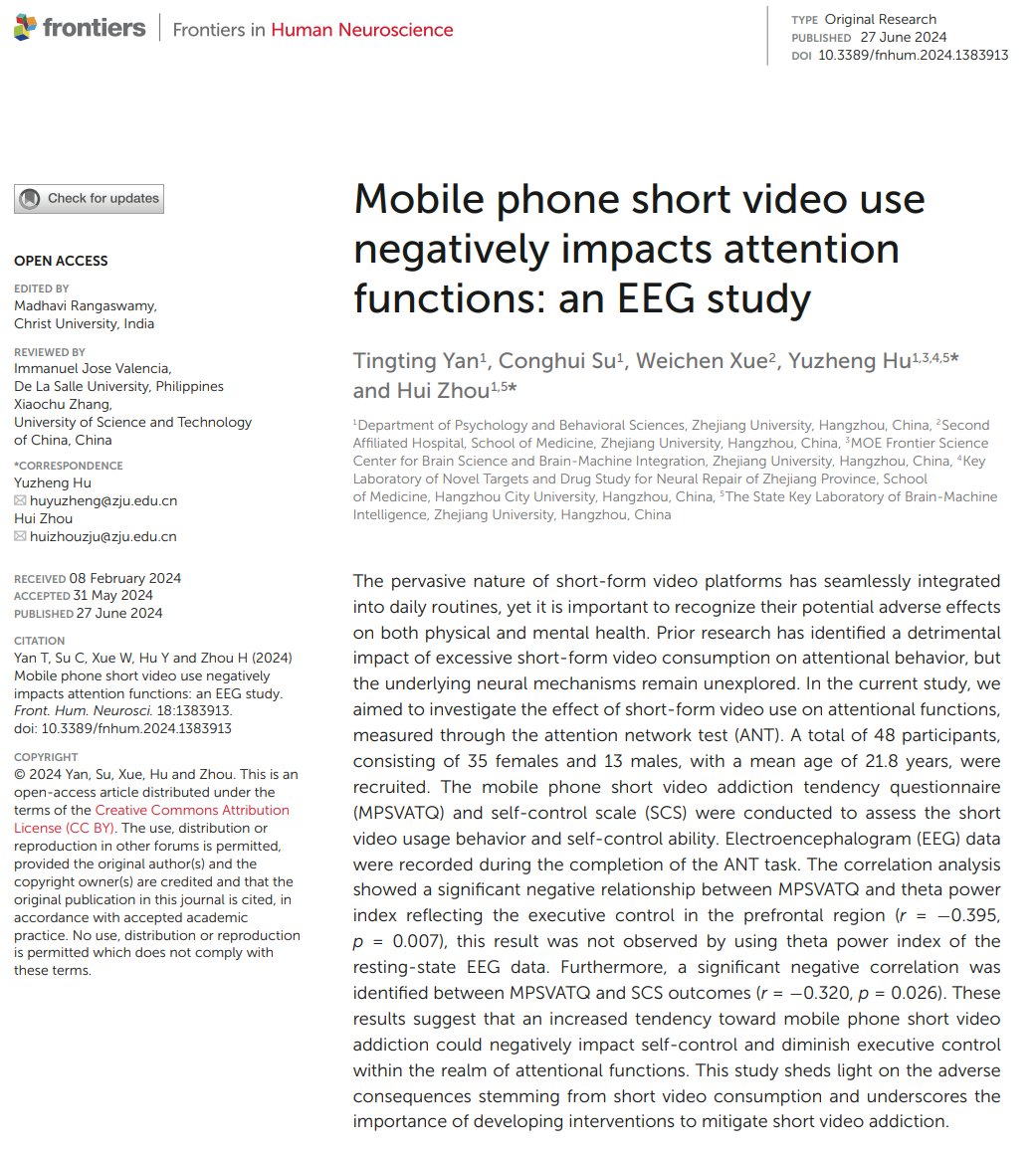
A recent laboratory study suggests that tamarind, a fruit widely consumed in Asia and Africa, may help the body eliminate microplastics.
Microplastics—tiny plastic particles now detected in human blood, organs, and even brain tissue—are difficult for the body to remove naturally and may pose long-term health risks.
Researchers found that certain compounds in tamarind seeds can bind to microplastic particles, potentially helping the body gather and expel them.
In controlled experimental settings, participants who consumed tamarind extract showed higher levels of microplastics in their waste compared to control groups.
The study was conducted by researchers at Tarleton State University in Texas, who are investigating plant-based compounds that may help remove microplastics from biological systems.
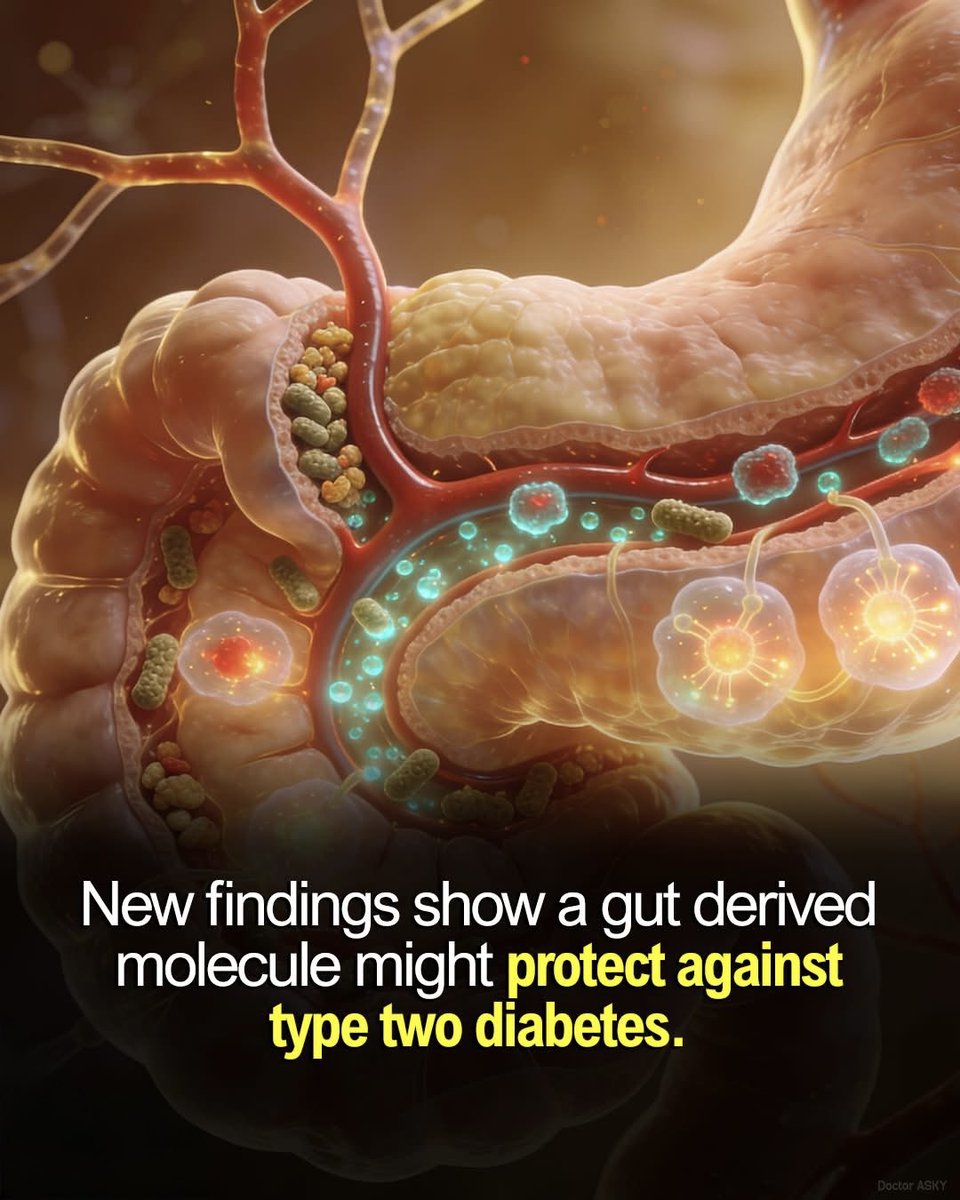
🚨 The Secret in Your Gut That Could Fight Diabetes
What if the key to preventing type 2 diabetes wasn’t in a pill, but inside your own body? Scientists are now discovering a mysterious molecule made by the bacteria living in your gut — and early studies suggest it might protect against high blood sugar and insulin problems.
This tiny chemical seems to calm inflammation, boost your body’s natural insulin response, and guard your cells from damage. In lab experiments and animal studies, the results are astonishing — it’s like a hidden guardian inside you, quietly working to keep diabetes at bay.
Could this be the future of diabetes prevention? While humans haven’t been fully tested yet, researchers are racing to understand how our gut bacteria and this molecule might hold the answer to one of the world’s fastest-growing health crises.
Your next meal might be more powerful than you think… because the fight against diabetes could start inside your own gut.
Source: Medical News Today. (2023). Diabetes-fighting gut molecule may help lower insulin resistance.
They capture the exact moment when a developing heart shifts from silence to its first beat. There is no “switch”: many cells gradually become active and, upon crossing a critical threshold, the entire tissue suddenly synchronizes.
BREAKING
Spain’s MEP Irene Montero:
“No woman has ever been freed by American bombs or illegal aggression.
Not in Syria. Not in Iraq. Not in Lebanon. Not in Afghanistan.
And it will not happen in Iran either.
They hide behind women’s rights to justify their colonial wars.”
For many years, eggs were blamed for raising cholesterol and increasing the risk of heart disease. Dietary guidelines often advised limiting egg consumption because of the cholesterol found in egg yolks. However, modern research has reshaped this view. Scientists now understand that saturated fats, not the cholesterol in foods play a much larger role in raising harmful cholesterol levels in the body.
Recent studies show that the cholesterol we eat has a relatively small effect on blood cholesterol for most people. Instead, saturated fats found in foods such as processed products have a stronger impact on increasing LDL, often called “bad” cholesterol. In fact, a 2025 clinical trial found that people who ate two eggs per day as part of a diet low in saturated fat actually experienced a decrease in their LDL cholesterol levels.
Eggs are also highly nutritious. The yolk contains many important nutrients, including vitamin D, choline, antioxidants, and several essential vitamins and minerals. Nutrition experts now emphasize that eggs can be part of a healthy diet, especially when they are prepared in healthier ways
Today, many dieticians stress that context and overall diet quality matter far more than avoiding eggs
Study: Colino, S. (2026). What you’ve been told about eggs and cholesterol is wrong, doctors now say. National Geographic.
PSX Bloodbath
The market plunged nearly 10% in one session as regional war fears escalated.
This isn’t just panic. It exposes how fragile our economy still is.
Oil rises → markets fall.
Geopolitics shakes → confidence collapses.
That’s not normal volatility.
That’s lack of resilience.
When will we build buffers strong enough to withstand external shocks?
Bloodbath at PSX as region reels from fallout of war - Business - https://t.co/xQQprFIwHo https://t.co/lTFwHoO7Z6





![Rainmaker1973's tweet photo. A recent study has demonstrated that continuous exposure to rose essential oil through inhalation can lead to measurable increases in gray matter volume in the human brain.
In this randomized controlled intervention, 50 healthy women participated: 28 in the experimental group applied rose essential oil to their clothing daily for one month, while 22 in the control group used plain water. Before and after the period, researchers used magnetic resonance imaging (MRI) to assess changes in brain structure. The results indicated a significant increase in gray matter volume (GMV) across the whole brain, with a particularly notable effect in the posterior cingulate cortex (PCC)—a region involved in memory processing, self-referential thinking, and emotional regulation. No significant changes occurred in areas like the amygdala or orbitofrontal cortex.
The olfactory pathway likely explains this effect: aromatic compounds from the rose oil travel directly to the limbic system, providing sustained stimulation that may promote neuroplasticity and help counteract age-related brain atrophy. The authors suggest this could have implications for dementia prevention, as the PCC is among the regions affected early in conditions like Alzheimer's disease.
This appears to be the first evidence that prolonged scent inhalation can induce structural changes in the adult human brain.
[Kokubun, K., et al. (2024). Continuous inhalation of essential oil increases gray matter volume. Brain Research Bulletin, 208, 110896. DOI: 10.1016/j.brainresbull.2024.110896]](https://pbs.twimg.com/media/HL-klRMWAAAQd9o.jpg)


![Rainmaker1973's tweet photo. Genetically modified mosquitoes have been released in Florida as part of a major effort to suppress disease-carrying wild populations.
The United States has launched a groundbreaking and controversial public health initiative by releasing Oxitec’s bioengineered male Aedes aegypti mosquitoes in the Florida Keys.
These engineered males do not bite humans. Instead, when they mate with wild female mosquitoes, they pass on a self-limiting gene that causes female offspring to die before reaching adulthood. This mechanism gradually reduces the overall mosquito population over multiple generations.
The project offers a promising alternative to traditional chemical insecticides, which have become less effective due to growing resistance in mosquito populations. Previous field trials conducted by Oxitec in Brazil, Panama, and the Cayman Islands achieved reductions of over 90 percent in local Aedes aegypti numbers, the primary vectors for Zika, dengue, and yellow fever.
While the approach has drawn criticism from some environmental groups, its success could mark a significant shift in how vector-borne diseases are controlled in the United States, particularly as climate change expands the range of these dangerous insects.
[Centers for Disease Control and Prevention. (2026). Genetically Modified Mosquitoes]](https://pbs.twimg.com/media/HKD4vYdXIAAe0-G.jpg)