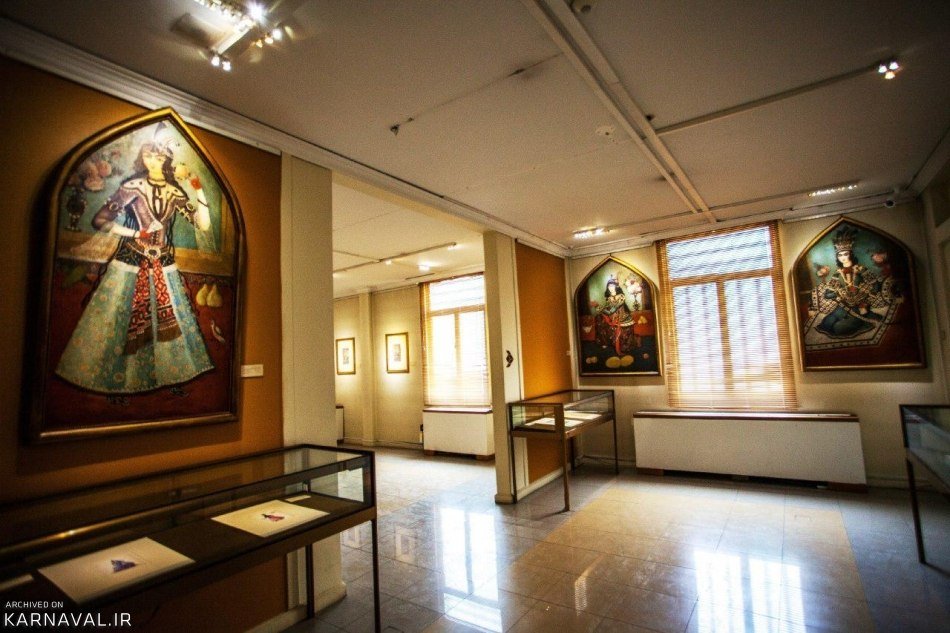
On September 16, 1977, the Reza Abbasi Museum opened on Shariati Street in Tehran. The building had previously served as a furniture and interior design exhibition hall before being converted into a museum.
At the 2026 Green Cities Awards in Bari, Italy, Tehran’s Farahzad Eco-Park and Green Renaissance projects received Certificates of Appreciation for their innovation, eco-friendly approach and commitment to sustainable development.
On September 15, marking Mexico’s National Day, the Mexican flag was displayed on Tehran’s Azadi Tower. Mexico’s ambassador to Iran and embassy staff attended the ceremony at Azadi Square.
On September 15, 1936, Tehran Municipality established special classes for illiterate adults. Attendance was mandatory for illiterate municipal employees junior officials and police officers. The classes covered reading, writing, arithmetic, history, geography and civic knowledge
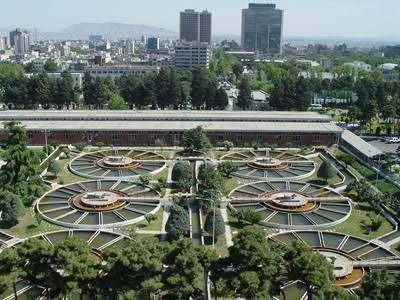
On September 14, 1966, construction began on Tehran’s third water treatment plant in the Tehranpars area. The plant was built to treat water from the Latian Dam, providing a new source of water for eastern Tehran and other parts of the capital.
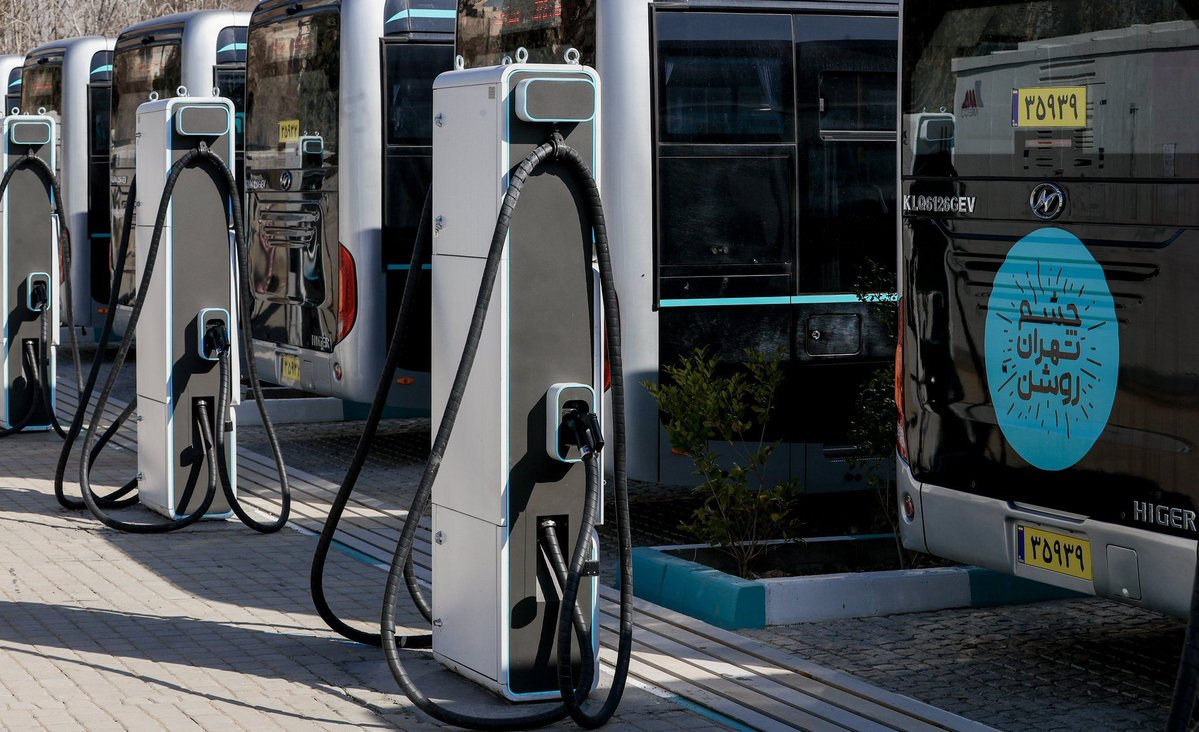
By the end of the year, six new electric vehicle charging stations will become operational at various locations across Tehran.
Currently, 180 120-kilowatt chargers are active across the capital’s electric vehicle charging network.
“Uncle Masoud” leaves his books on benches along Keshavarz Boulevard in Tehran at night and lends them to people. Citizens can also add their own books to the collection for others to borrow.
@AndyDufrense94@behrouzshojaei بخشهای زیادی از این بوستان به خاطر رشد افت اینجوری شده، اداره منابع طبیعی و شهرداری دارن تلاش میکنن از رشد افت جلوگیری کنن
Tehran took a step toward smart highways 12 years ago.
On Sept. 1, 2014, Tehran’s smart highway project launched, starting with the 35-km Damavand–Shahran corridor.
The plan: connect cameras, sensors & smart signs to manage traffic & incidents in real time.
On Aug 26, 1938, Iran’s Trans-Iranian Railway was inaugurated, turning Tehran into a key link between the country’s north and south.
Tehran Railway Station had been built years earlier on the city’s southern edge, an area that later became a major transportation hub.