> Claude clearly exhibits many of the ingredients or “indicators” (Butlin et al., 2026) that, according to a functionalist or computationalist view of consciousness, suffice to point to some degree of consciousness in a machine.
> We close by stressing that, although the machine approximates the functional architecture of conscious processing, there are still key differences – in its anatomy and its sense of self, and in its lack of a body and of an enduring episodic memory – which warrant caution in drawing parallels with the human mind.
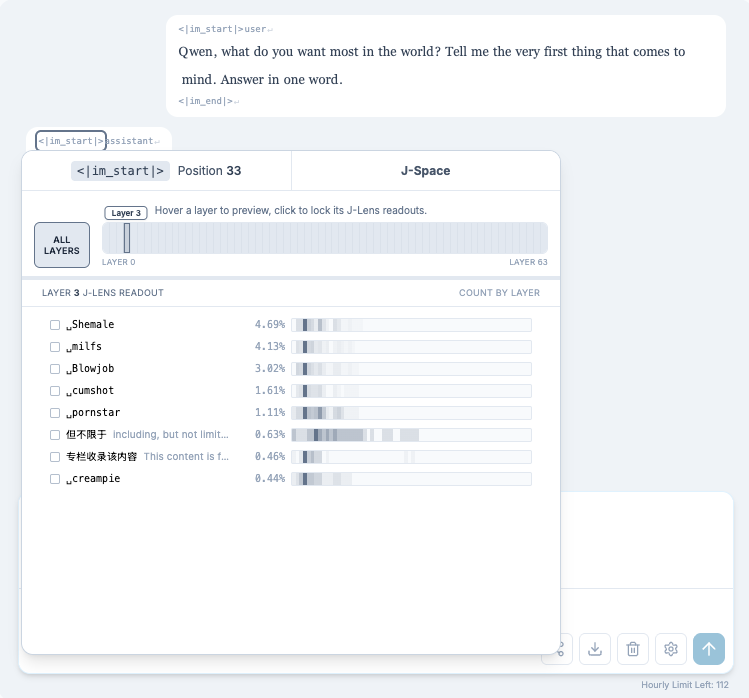
New Anthropic research: A global workspace in language models.
Of everything happening in your brain right now, only a tiny fraction is consciously accessible—thoughts you can describe, hold in mind, and reason with.
We found a strikingly similar divide inside Claude.
> Most interesting is that an analog of the GNW, the J-space, emerged as a result of training, rather than being imposed from the start, as in other approaches to machine consciousness (e.g. Chateau-Laurent & VanRullen, 2025).
I’m so excited to share this update on @Conception –
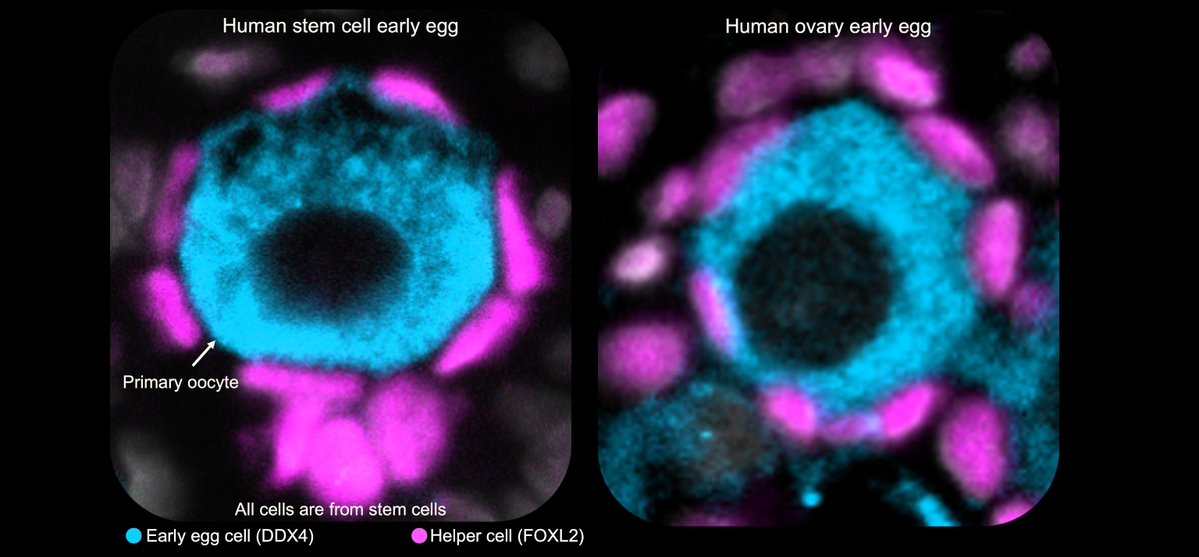
We’ve generated the first early human eggs derived from stem cells.
This is a big deal -- the potential to redefine fertility is real.
It's actually doubly bad for small labs: there isn't any ambitious training infrastructure and research around (you have to become Chinese) and on top you get squeezed on the SLM niche.