Venkat (name changed) was thrilled—he was a new father. He would not hold his daughter for three months. He was #diabetic; caught the SARS-nCoV-2 virus; and was hypoxemic. He needed extra oxygen.
He then developed #Mucormycosis. This is his story. https://t.co/Xd28uBaRoA
If you're in India and love reading about..well, everything and anything -- this book is for you, I promise. Pre-order a copy. Pre-order another for your partner. Pre-order several and hand them out like candy.
Pre-order link in the next tweet because of Elon's algorithm.
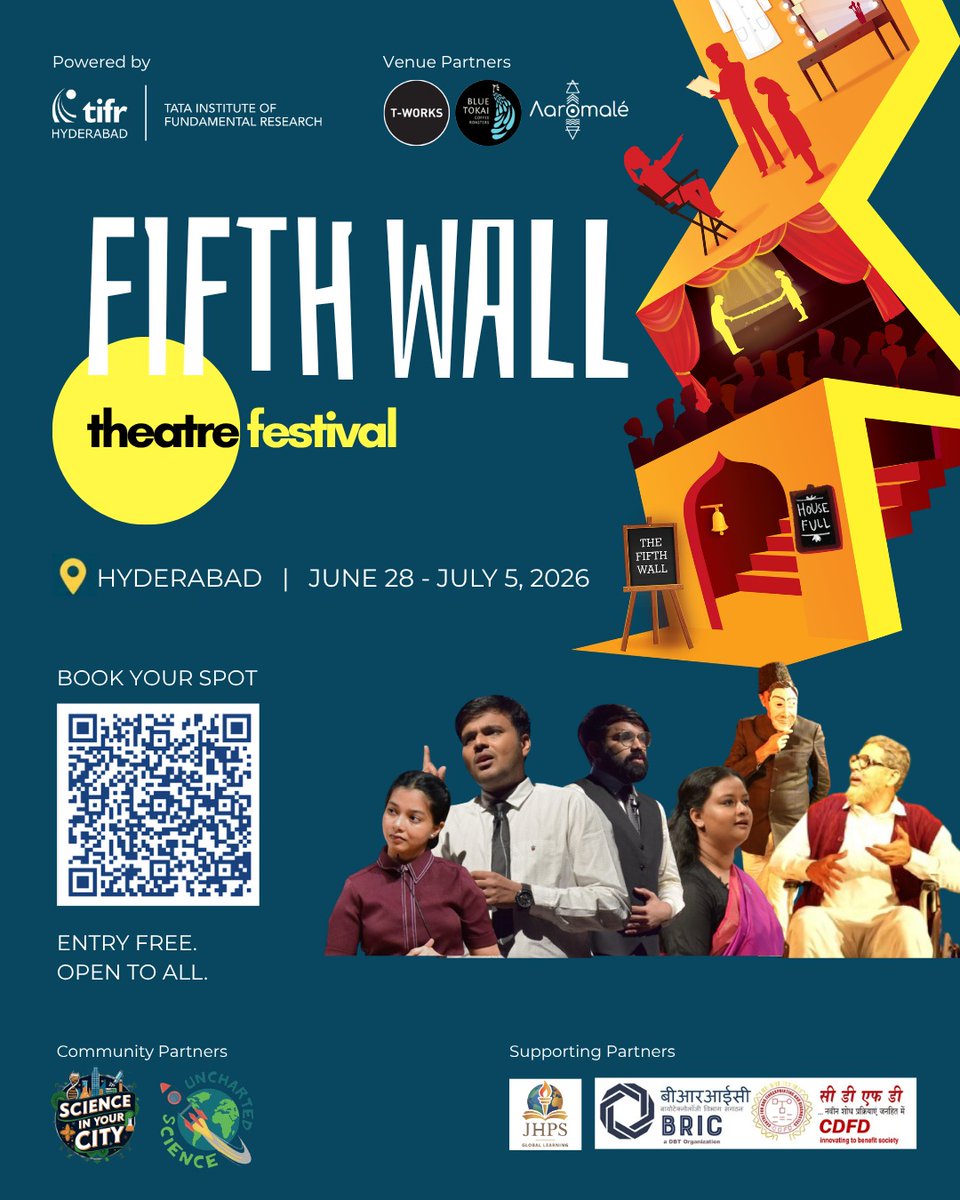
If you are in Hyderabad and are into Science and Theatre, the TIFR Hyderabad is bringing you Fifth Wall Theatre Festival this upcoming weekend. Register while last few tickets last.
https://t.co/Q5RLBVglNW
3/3: @doctorsoumya ends on her father M.S. Swaminathan's idea of "biohappiness": that the right measure of a nation is its land, water and people, and not just its GDP.
Listen: https://t.co/BETwAXau2R
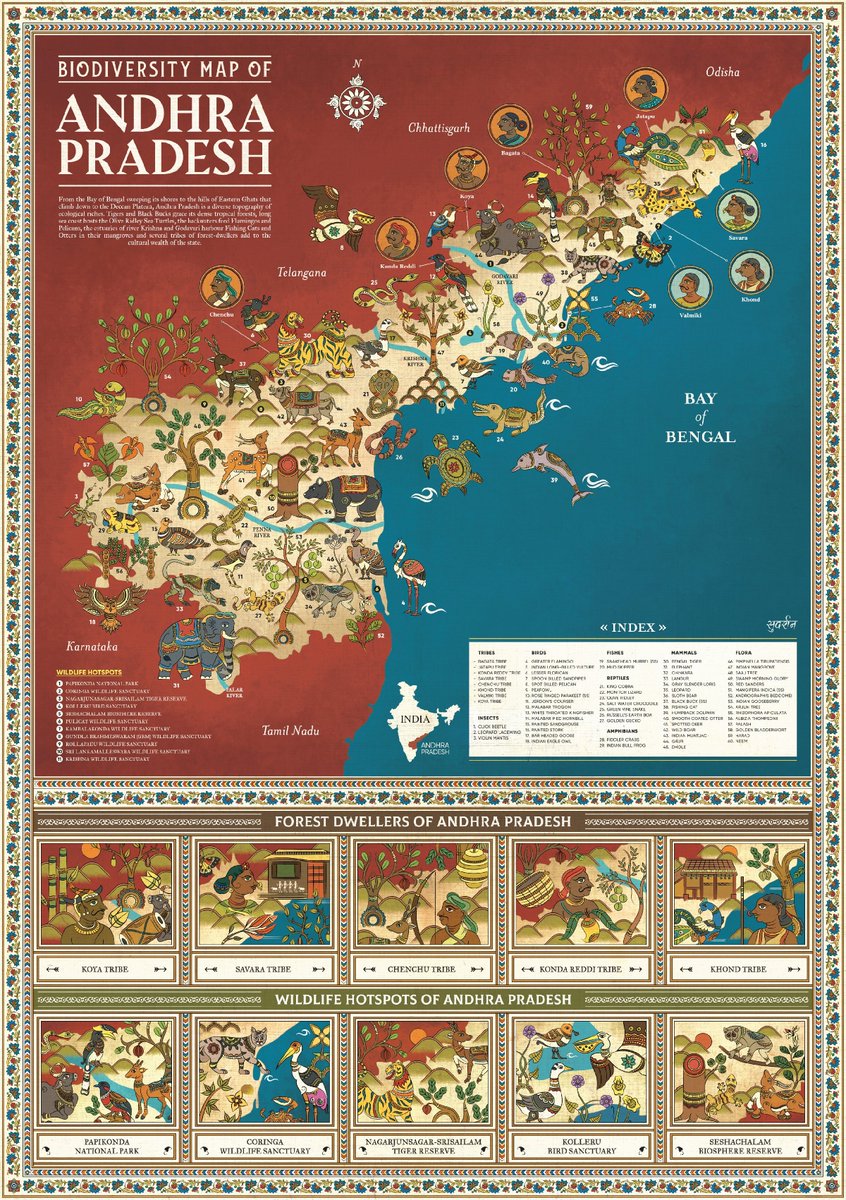
Overwhelmed by the response to the species posters I shared in my last 3 tweets.
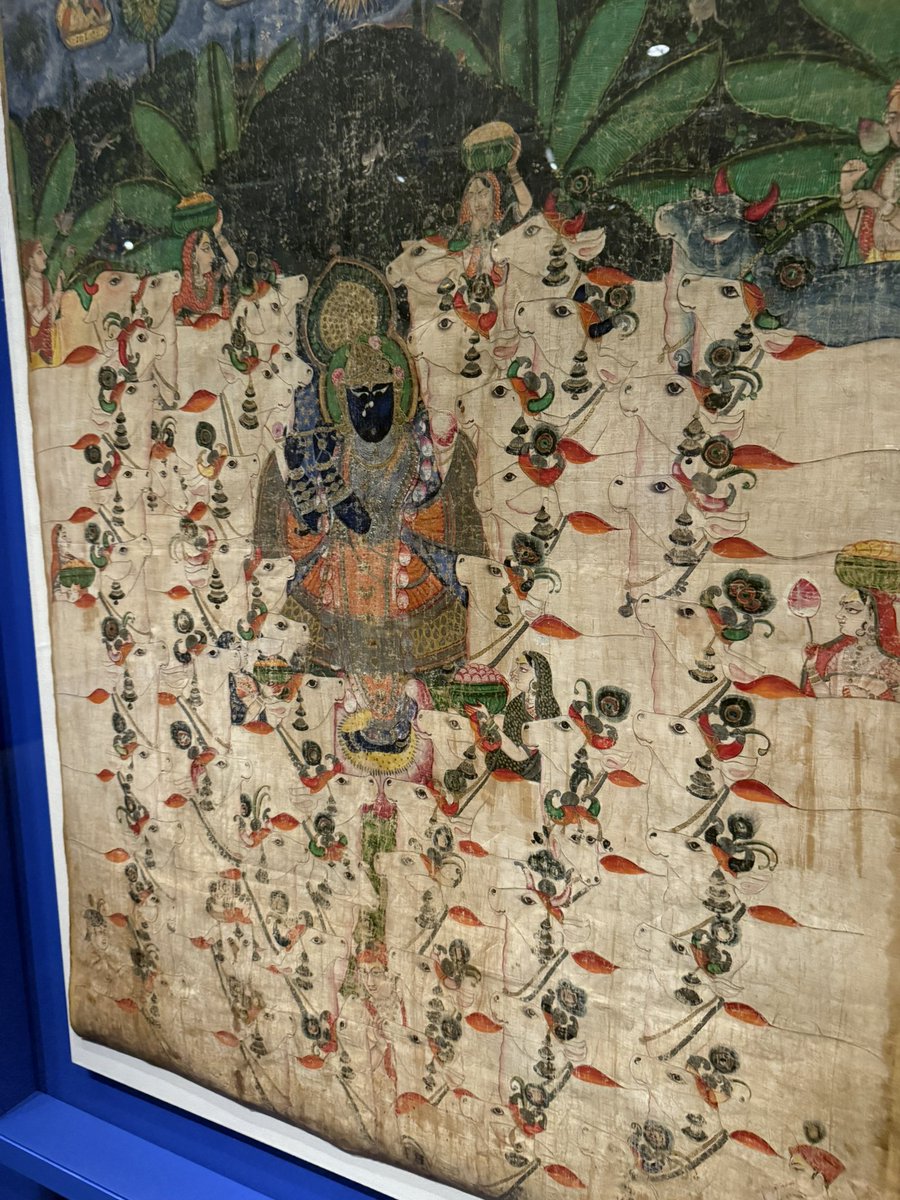
Sharing here my Biodiversity Map of Andhra Pradesh, meticulously illustrated with inspiration drawn from the sacred Srikalahasti Kalamkari folk art of the region, of which the 3 posters were a part🍀
An asteroid strike ended the era of dinosaurs and many other life forms 66.05 million years ago. But what role did Deccan Volcanism play in the end Cretaceous mass extinction?
I survey the fossil record and other environmental parameters.
https://t.co/GvrrWXzjJa
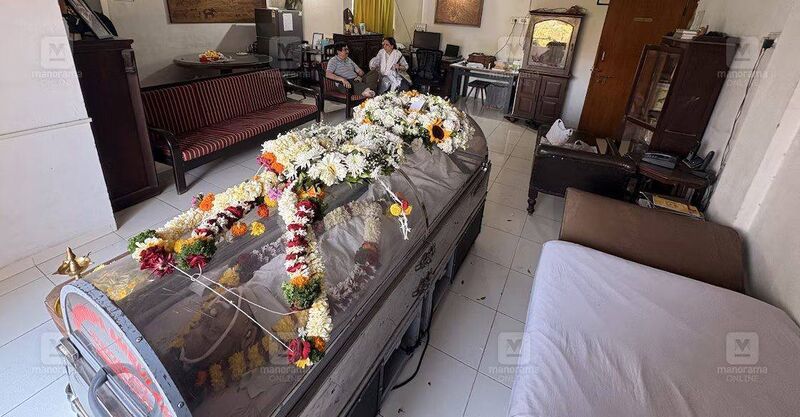
A lonely goodbye to Madhav Gadgil, one of the tallest environmentalists of our times.
Under the banyan trees of Navi Peth in Pune, Madhav Gadgil was taken for cremation last evening. The gathering was small, some forty, perhaps fifty people.
No ministers. No senior officials. No tricolour to drape the body. No guard of honour salutes. No ceremonial rifle volleys.
One expects a crowd, the usual press cameras and public mourning. Instead, there was a pause, a quiet uncertainty, as if this farewell were happening somewhere it wasn’t meant to.
State honours had been promised, but never quite arrived. Even the police escort lost its way. For nearly half an hour, Gadgil’s body lay waiting, wrapped in simple white, while the city carried on around it, indifferent.
For me, this was not the death of a distant public figure.
In the 1990s, when I was starting out as a science correspondent with the Press Trust of India in Bengaluru, Madhav Gadgil was already a towering presence at the Indian Institute of Science (IISc). At the IISc's Centre for Ecological Sciences, he stood out, not by volume or self-importance, but by intellectual rigour and moral clarity.
I walked into his office many a time in those years, notebooks open, deadlines close. He listened carefully, answered precisely, never spoke down. He believed knowledge carried responsibility, and that science without ethics was incomplete. Those conversations stayed with me, shaping how I understood both journalism and ecology.
This was also the man who later led the Western Ghats Ecology Expert Panel, producing a report that treated the mountains not as real estate or mineral stock, but as living systems. The Gadgil Committee Report spoke of ecological limits, decentralised governance, community rights, and long-term survival.
A Padma Bhushan awardee. A UN Champion of the Earth. A lifelong defender of forests, rivers, biodiversity, and uncomfortable truths. In death, he was treated as someone easily forgotten.
The trees were not.
The old banyans stood quietly, their leaves stirring in the afternoon air. Gadgil had given his life to them. Trees remember. Animals remember. They show up when people don’t.
Had this been a politician or an industrialist, roads in Pune would have been sealed, helicopters circling, television studios filled with tributes and theatrical grief. Power is never allowed to pass quietly.
But a man who tried to protect the land that sustains us all was sent off almost unnoticed.
The trees stood witness.
The rest of us moved on.
Goodbye, Madhav Gadgil.
Forgive us.
We did not know how to honour you.
(Photo Courtesy: R S Gopan)
Advanced air filters in operation theatres offer no extra benefit towards infection prevention in cataract surgeries: study
✍️@rsujatha_30
https://t.co/ArmnTC5kUQ
We put together this case study of an incredible citizens group who saved the Chevella banyans
With Rini Singhi @HariniNagendra
Huge thanks to Nature Lovers of Hyderabad, Save Chevella Banyans, @nuts2406, @tejahb who saved these magnificent trees.
https://t.co/oiBw6dqy15
#COVID-19 brought along a mucormycosis syndemic in India. Many caught the ‘black fungus.’
The pandemic was 5 years ago. Why are these patients still turning up? Mucor is exploiting a large burden of people with undiagnosed and uncontrolled #diabetes.
https://t.co/5W6cl3gsMp
The pandemic spotlighted the silent spread of diabetes in India. It underscored the strong association between diabetes and mucormycosis, and showed that our health systems are not ready for a future crisis that trips on these fault-lines. @tejahb writes
https://t.co/OsJ3NF1V8i
Covid exposed India’s growing diabetes crisis & its deadly link to mucormycosis. This preventable event reflected deeper issues—poor urban design, unhealthy diets & inadequate & costly healthcare—pointing to India’s failure to control diabetes. By @tejahb
https://t.co/OsJ3NF1V8i
Want to learn from a blind man how to sharpen your other senses?
I lost my sight — but I found a better way to write. You can too.
#SensoryWriting#BlindWritersClub#WriteWhatYouFeel
Writing What You Cannot See: Here Is How to Do It Well...From a Blind Man https://t.co/EIcX3fTHov
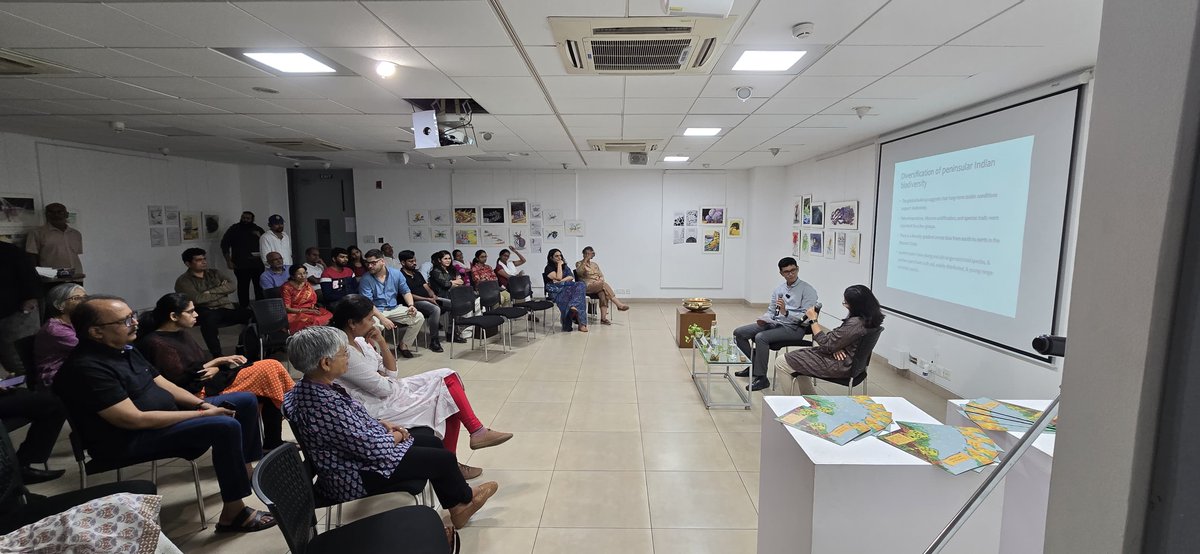
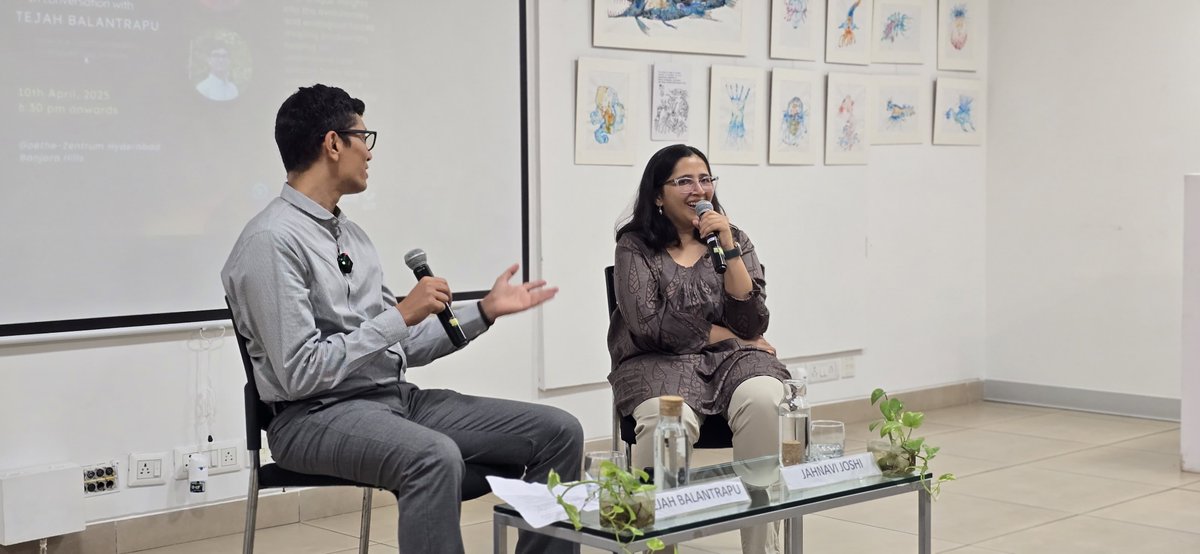
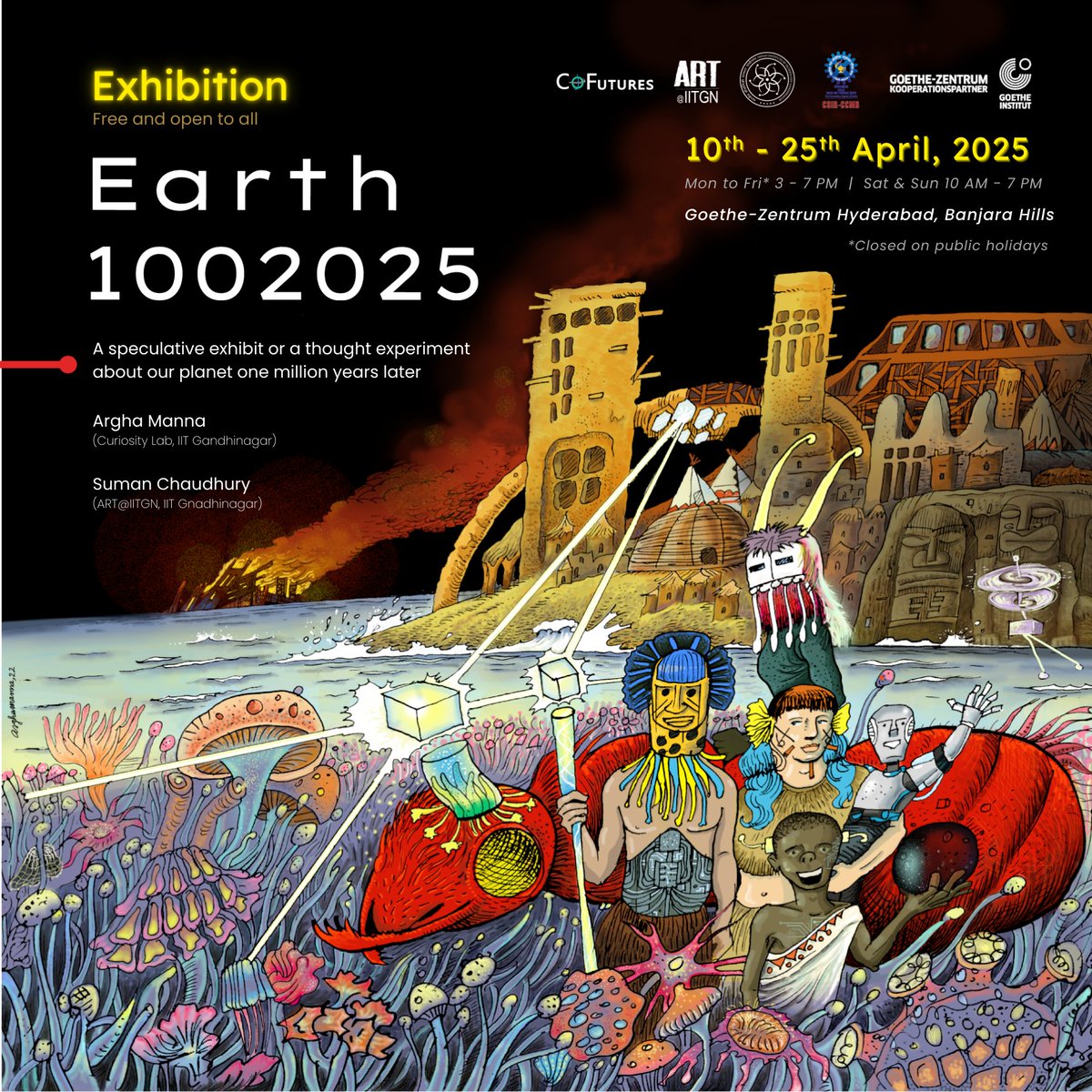
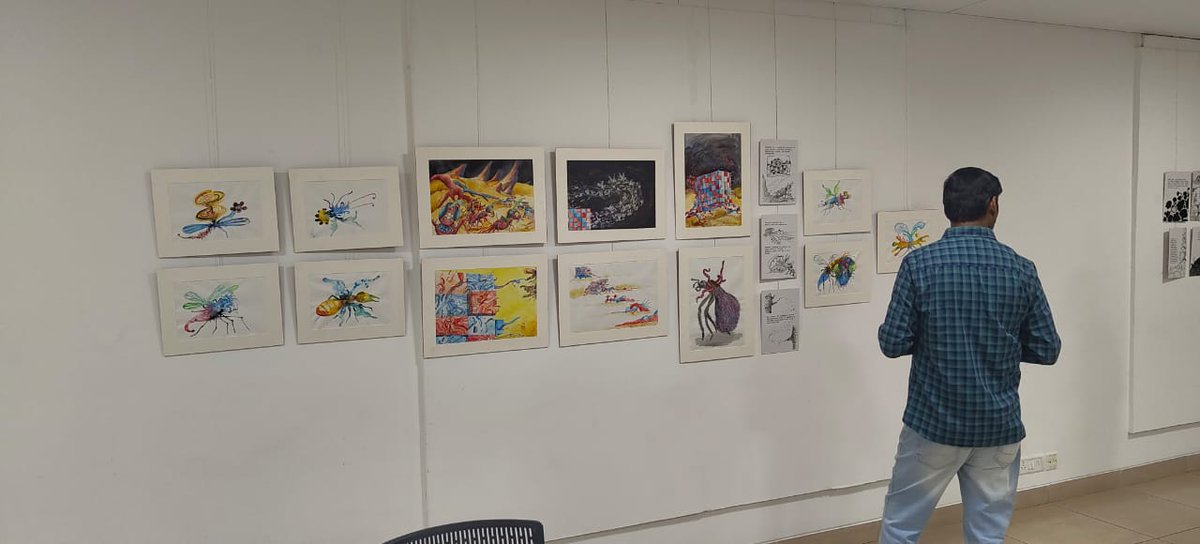
@Jahnavijoshi2 and @tejahb opened up the Earth 1002025 exhibition developed by @ArghaManna and Suman Chaudhury at @iitgn with a public discussion on the process of evolution at @GZ_Hyd.
If evolution intrigues you, do check out the exhibition - it's open till 25 Apr.