Honoured to start the Arctic Ocean session at #EGU22 - thank you for the invitation @ClnHz and to all speakers for an inspiring session! More bright and early tomorrow morning...
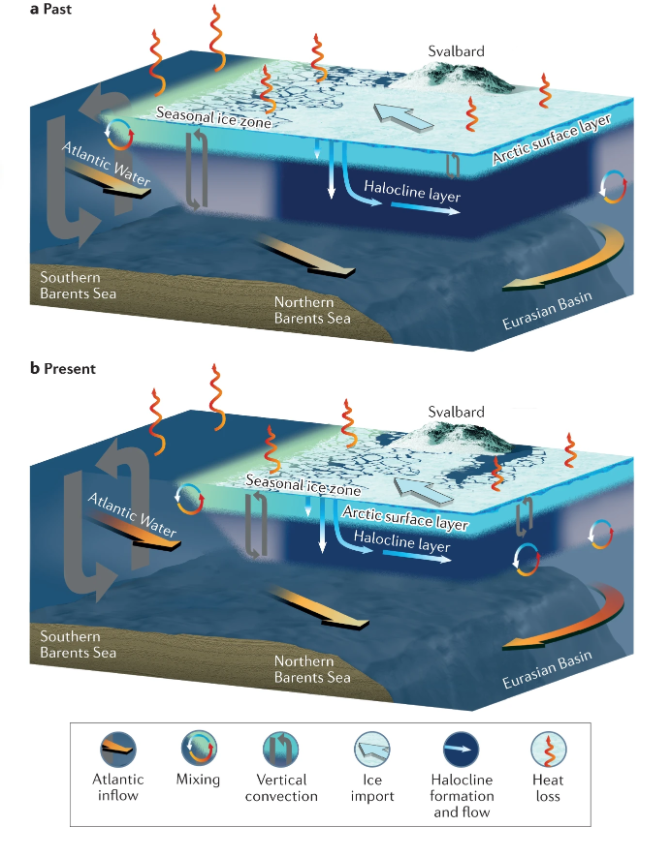
#Arctic waters are transitioning to a state more closely resembling the #Atlantic, due to strengthening inflows of Atlantic Water 🌊
This Review examines the physical & ecological manifestations, drivers & implications of Atlantification
https://t.co/8fpANFZGXS🐻❄️
The iceberg that split from #Antarctica’s Larsen C ice shelf in July 2017 is on a collision course with #SouthGeorgia. Tracked by satellites such as @CopernicusEU#Sentinel1, the main chunk of the A-68 berg (A-68A) is now about 350 km from the island 👉 https://t.co/vxRd7icFPR
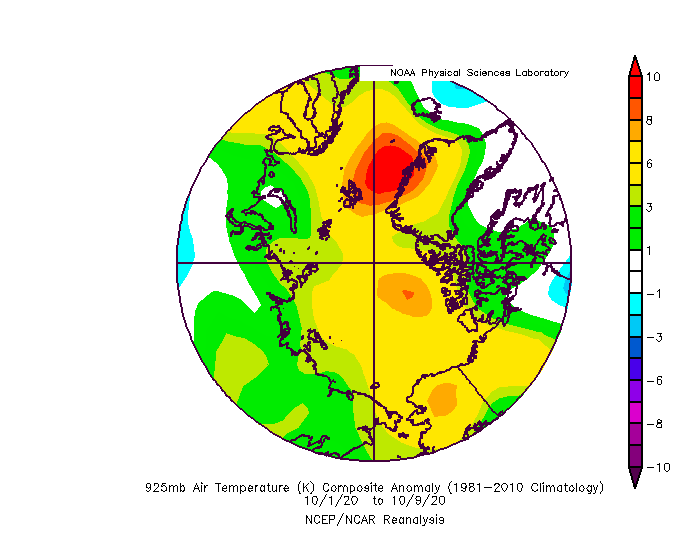
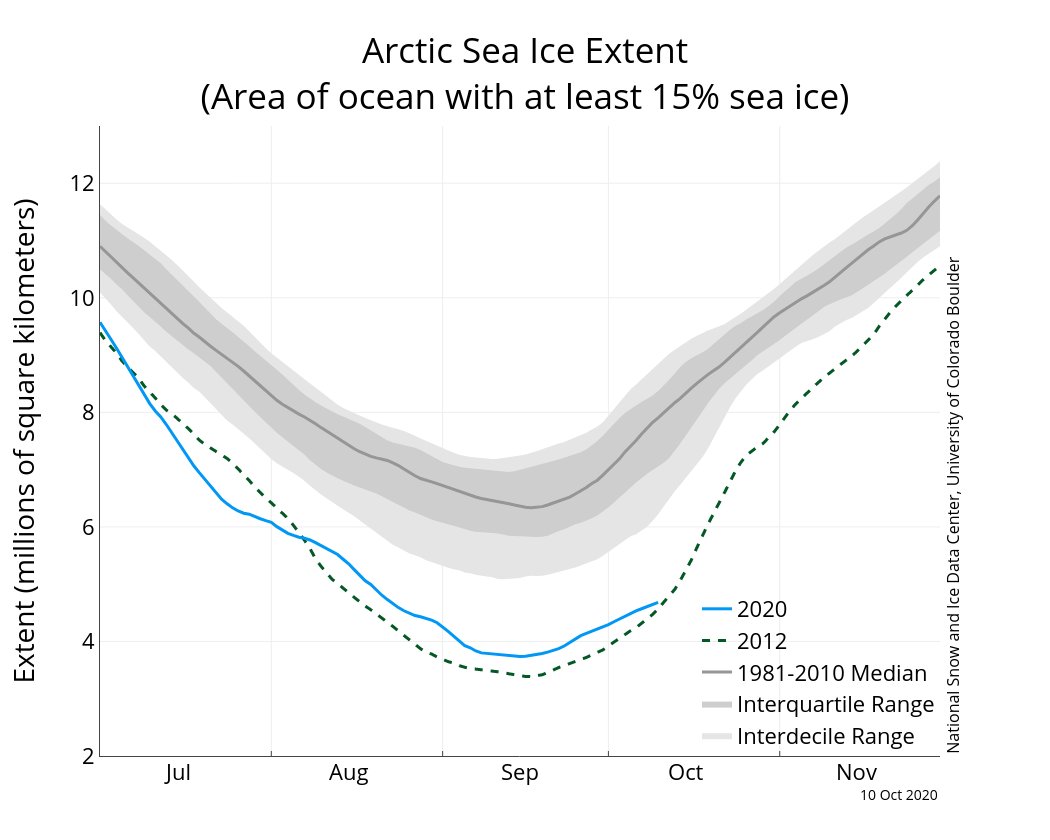
The Arctic Ocean is taking its time to freeze-up with the total ice extent approaching that in 2012, and as a result, air temperatures are at least 6C warmer than average over the entire Arctic... what a year 2020 has been!
https://t.co/yz4YXQKXi1 @NSIDC @CeosUofm @ES_UCL
Today, @FrontYoungMinds published a kids version of our Nature publication earlier this year! @Meermini did an amazing job at making the science more accessible! Thanks to @a_wahlin and @dareliuselin for the great science behind! https://t.co/QGCJG8lnA2
Thrilled to see our work covered by New York Times 🤓🤩! I think they did a great job at trying to explain some concepts. 👏🏾 https://t.co/cpiZzRAz5K. @Naturvetenskap@goteborgsuni@nytimes@loubiddle
Ny innsikt fra @Havforskningen @BjerknesBCCR @Geofysen: Varmt vann som strømmer inn i Barentshavet blir ikke så effektivt avkjølt som før - Da blir også dypvann og bunnvann varmere med global oppvarming. Nature Climate Change. https://t.co/MZFaICtlfD
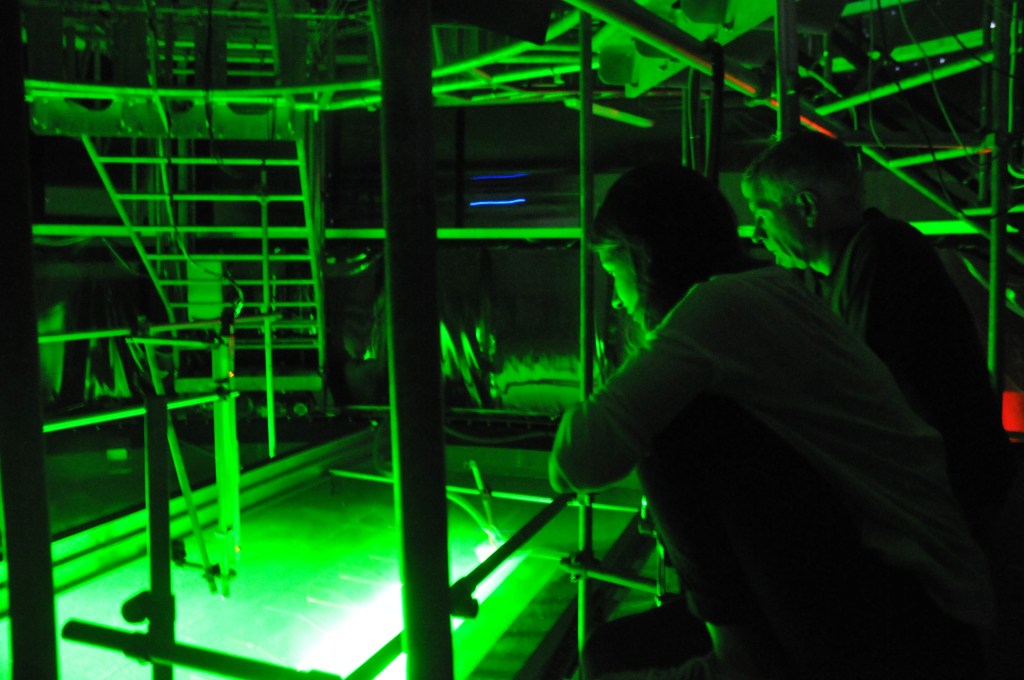
Greenland and Antarctica are losing ice in quantities of gigatons. But how much is a gigaton of ice? Some very nice downloadable animations that visualize it. https://t.co/H3N0WAn3Uk
Assmann, Darelius et al was highlighted at https://t.co/CI3QQgh4zx!
Read what they write about our work at https://t.co/bEbbImuhM1 https://t.co/BDCjj7Ttqh