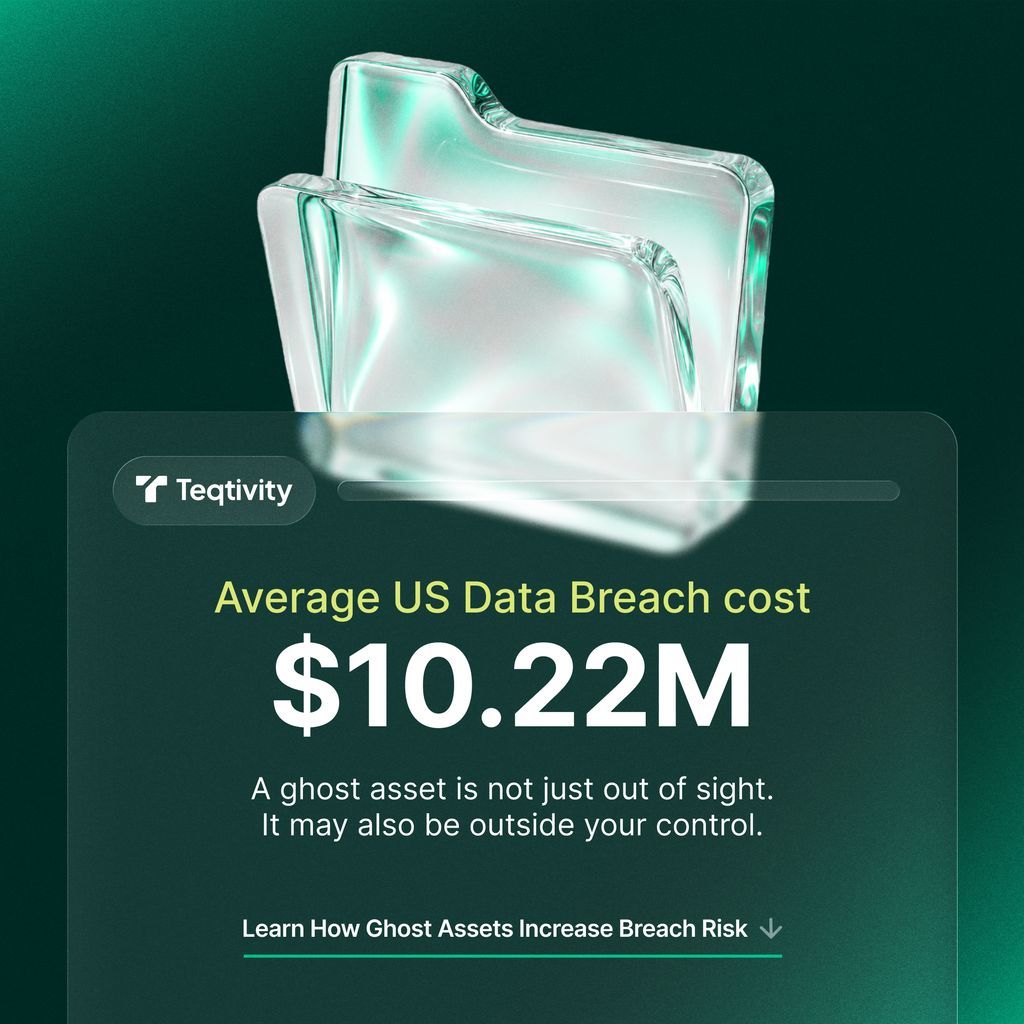
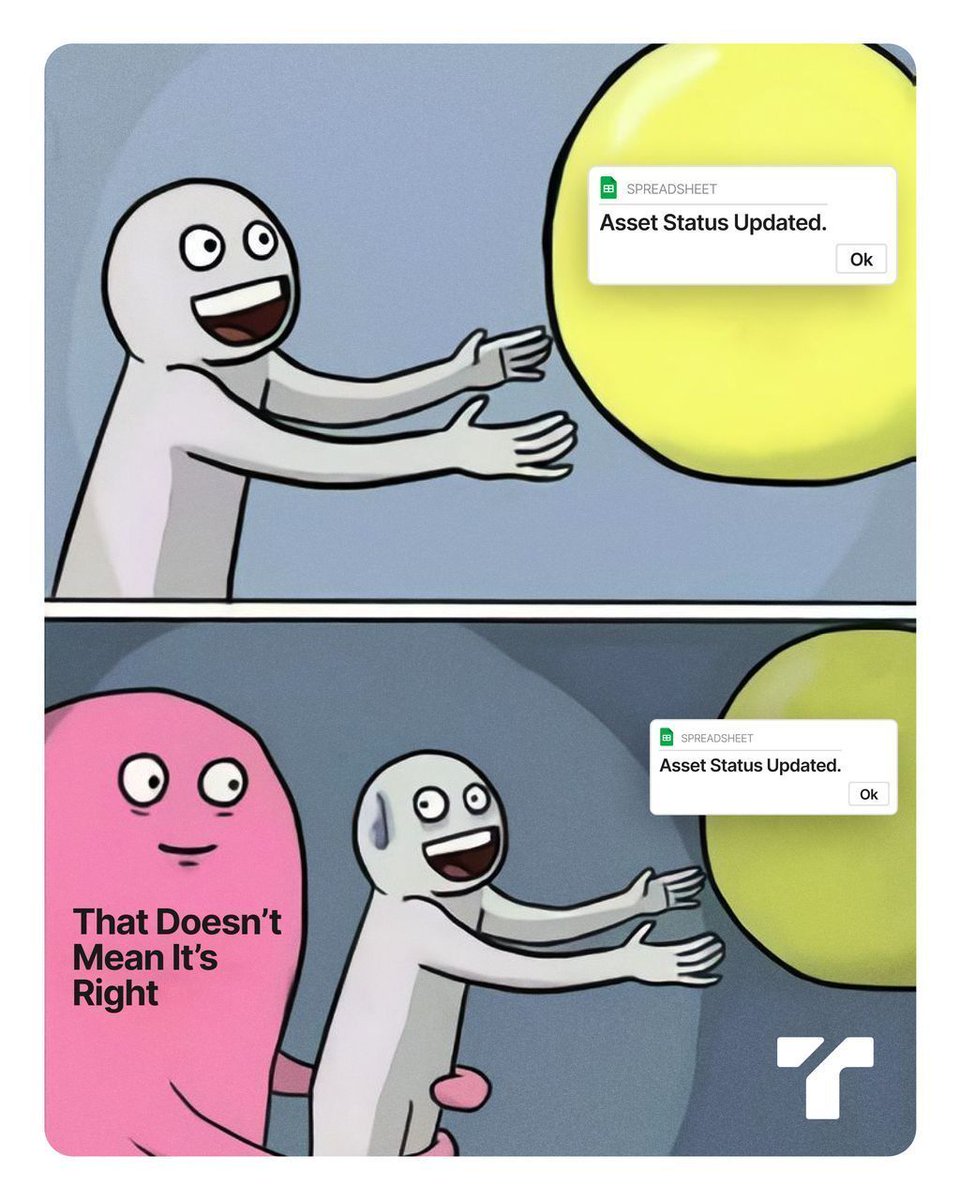
A device with unclear ownership is not just a bad record.
It is a blind spot your team may not be able to act on quickly enough when something goes wrong.
And that is the real problem.
See how the full report connects visibility to business risk: https://t.co/OdMC8cz7Kx
How does your team decide when a device should be reused, replaced, or retired?
See how Teqtivity helps teams manage the full asset lifecycle: https://t.co/awB8yhK41i
When asset visibility breaks down, risk does not stay contained in IT operations.
It starts reaching security, compliance, and financial exposure too.
We explore that connection further in the Q1 report: https://t.co/OdMC8cz7Kx
The real risk is not just that something went wrong.
It is that your records may be too weak to show what actually happened.
That is where compliance exposure starts to grow.
Learn more about this in the full report: https://t.co/OdMC8cz7Kx
This whitepaper explores both models, where each works best, and how hybrid approaches can support smarter IT planning.
What usually drives the decision most in your environment: budget limits, flexibility, or long-term value?
👉️ Read more: https://t.co/mjoCzApmdn
#ITAM
In a 10,000-device environment, even small gaps in visibility and control can turn into millions in annual leakage.
We break this down further in the full report here: https://t.co/OdMC8cz7Kx
ITSM tracks service activity and stores asset context.
ITAM establishes lifecycle control.
You need both, but they are not interchangeable.
Understand the difference better in our latest blog. Learn more about it here: https://t.co/JYKgreSLf5
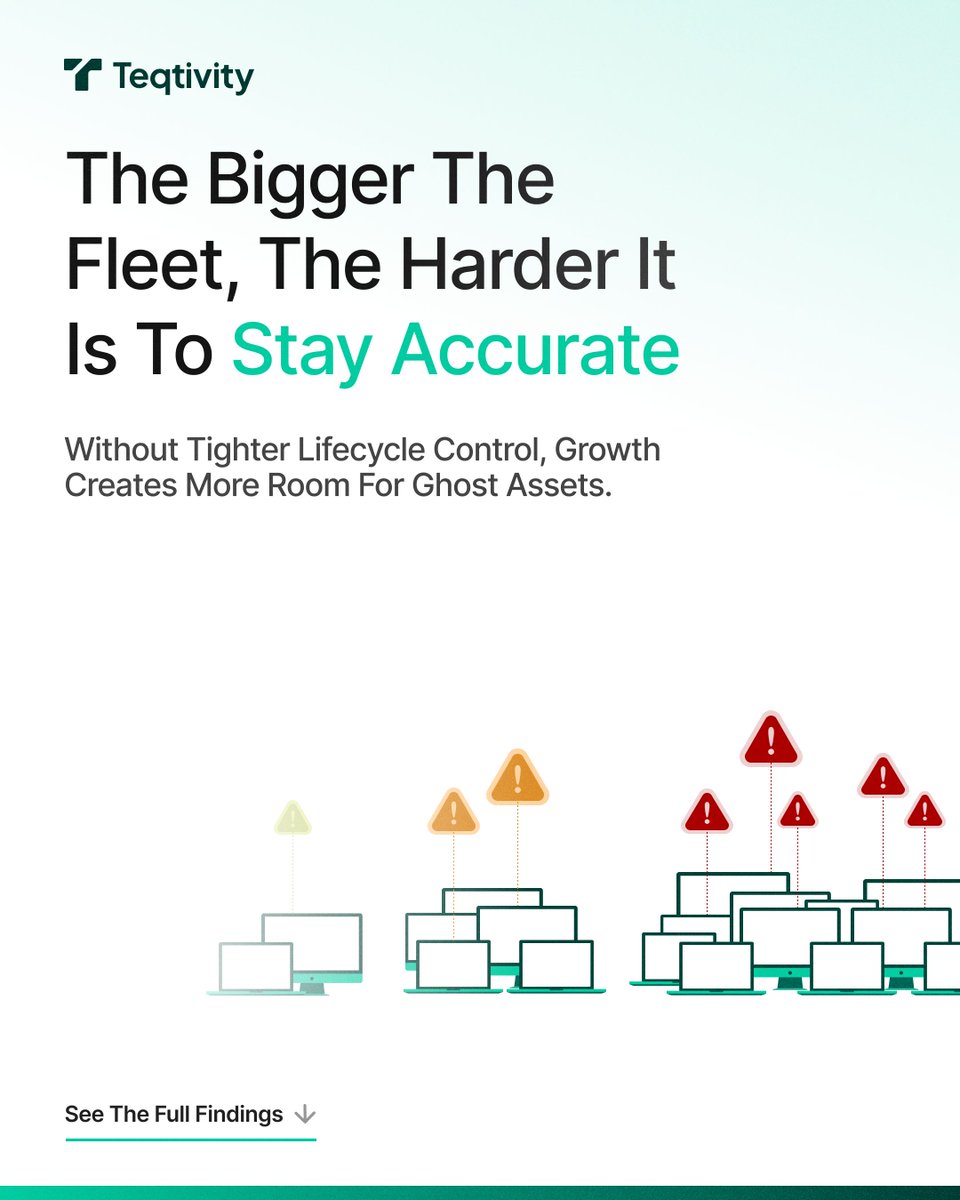
That’s why accuracy often declines as fleets expand.
Growth without tighter lifecycle control doesn’t just increase inventory.
It increases the number of ways ghost assets can form.
We explore this further in the full report: https://t.co/OdMC8cz7Kx
That’s how ghost assets stay hidden.
Not because there’s no data
but because the data can’t stand on its own.
Learn what this looks like at scale: https://t.co/OdMC8cz7Kx
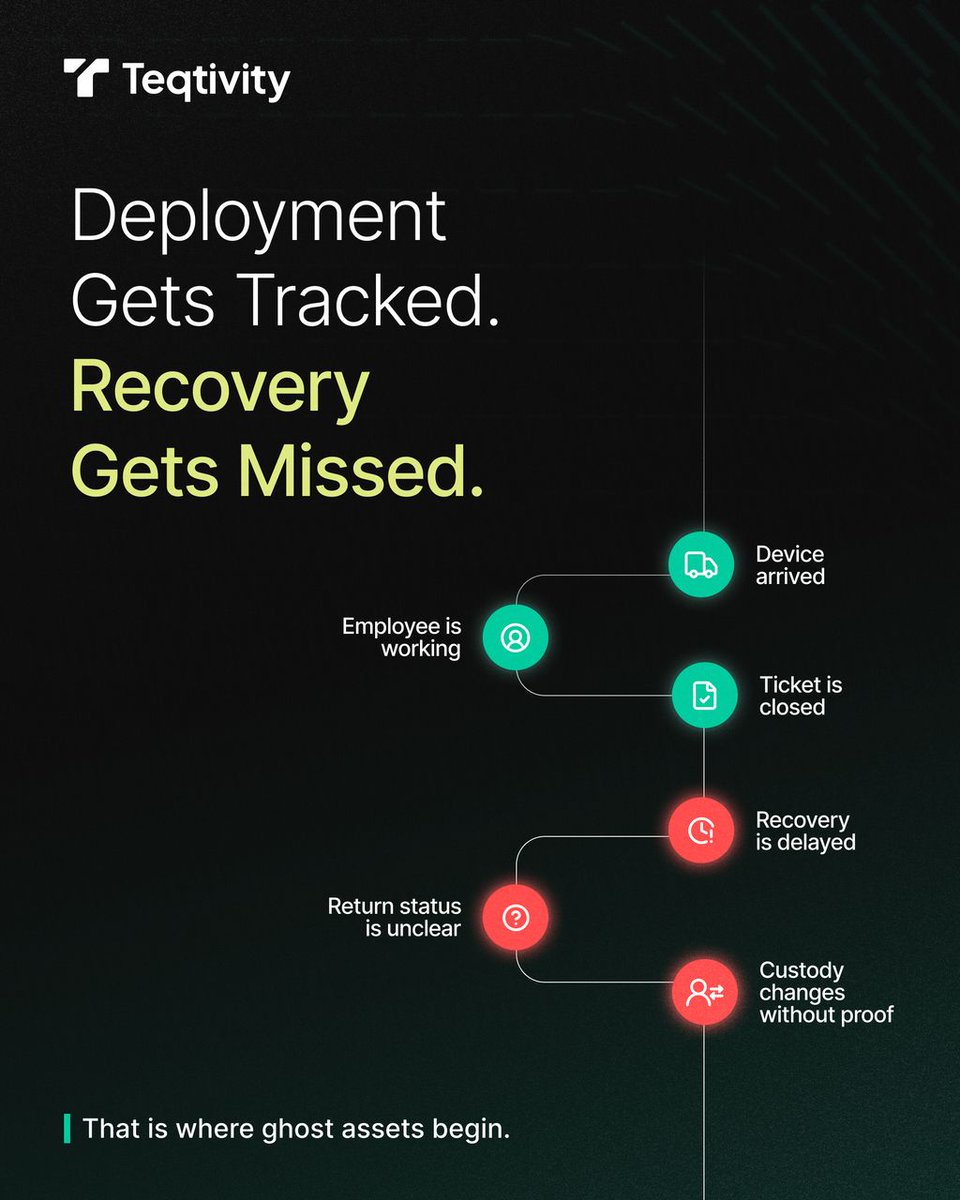
When recovery is delayed,
when return status is unclear,
when custody changes without proof,
the lifecycle breaks quietly.
That quiet breakdown is where ghost assets begin.
Visit the report page to learn more: https://t.co/OdMC8cz7Kx
That’s what makes ghost assets difficult to spot.
They don’t always disappear from the system.
Sometimes they remain visible the whole time
just attached to the wrong reality.
Get the full context from the report: https://t.co/OdMC8cz7Kx
Over time, inventory stops reflecting reality.
This is how ghost assets accumulate.
We explored this in the Q1 2026 IT Asset Intelligence Report.
👉️ Download the full report: https://t.co/XxPgh3TSro
That’s how hidden spend accumulates.
Not through one major decision,
but through small asset mistakes repeated at scale.
See what the full report reveals: https://t.co/OdMC8cz7Kx
This whitepaper looks at how microcultures shape cross-functional work and what better alignment can look like.
What tends to cause the biggest disconnect in your organization?
👉️ Read the blog: https://t.co/BpBT1u642N
#ITAM#ITAssetManagement#Teqtivity
What should have been a completed exit stays half resolved.
A people transition becomes an inventory problem.
And that’s why offboarding deserves more attention than it gets.
Read more from the report here: https://t.co/OdMC8cz7Kx
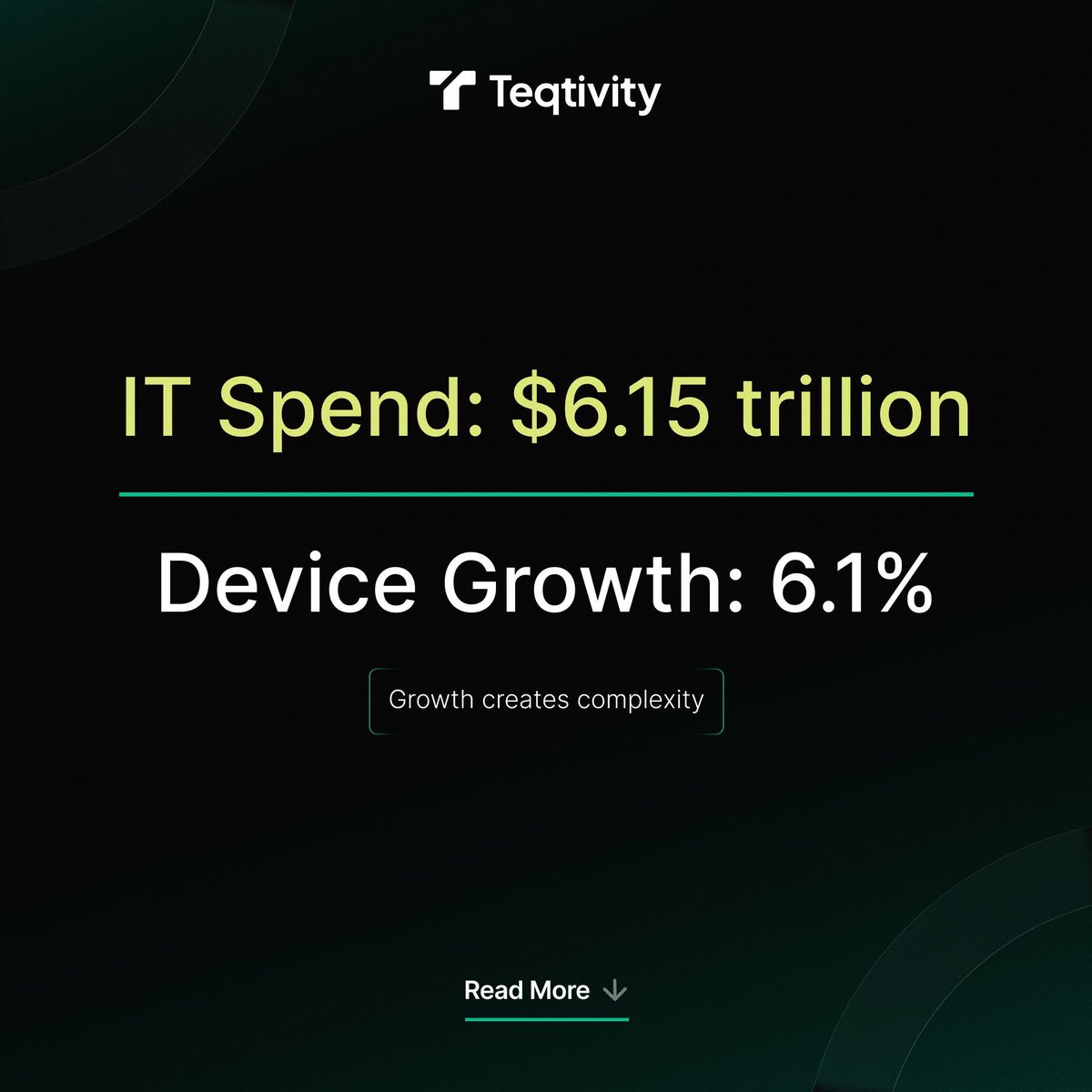
$6.15 trillion in IT spend.
Just 6.1% device growth.
That imbalance matters.
Because ghost assets grow when scale expands faster than accountability.
Learn more about the report here: https://t.co/OdMC8cz7Kx
Most teams trust their inventory.
But few check if it still reflects reality.
That’s where ghost assets begin.
Our Q1 report explores how ghost assets form and why they’re becoming more common.
Read the full report: https://t.co/XxPgh3TSro
Most ITAM tools don’t fail at tracking.
They fail at staying accurate.
That’s where costs, security gaps, and audit issues start.
We broke down what actually matters when choosing IT asset management software in 2026.
Read more: https://t.co/HMsz9dQlom
#ITAssetManagement