M6 ile 2 nm yeniden konuşulurken Arda Hoca’nın yazısına denk geldim.
2 nm deyince insanın aklına işlemcinin içinde gerçekten 2 nanometrelik transistörler geliyor ama aslında öyle değil.
Bugün “2 nm” doğrudan bir parçanın fiziksel ölçüsü değil, üretim neslinin adı. Hatta IBM’in 2 nm demosunda fiziksel gate uzunluğu 12 nm’ymiş.
Asıl acayip taraf buna rağmen transistörün bazı bölümlerinin gerçekten birkaç nanometre ve atomik ölçeğe kadar inmiş olması. Bu seviyede elektronlar, kapalı olması gereken yerlerden kuantum tünelleme ile sızabiliyor. Bunu kontrol etmek için hafniyum bazlı high-k yalıtkanlar ve kanalı dört taraftan saran GAAFET yapıları geliştirilmiş.
Sonuçta aynı alana daha fazla transistör, aynı güçte daha fazla performans veya aynı performansta daha düşük enerji tüketimi elde ediliyor.
Apple M5 Ultra çipli Mac Studio'nun ön siparişlerine başladı.
• Düz modeli: 370.000 TL iken
• En dolu modeli ise: 1 milyon 195.000 TL'den satışa sunuldu.
• En dolu modelinin içeriği: M5 Ultra çip, 36 çekirdekli CPU, 256 GB Ram, 16 TB SSD. (Reklam değildir)
13,8 milyar yıllık bir evrenin gözlemlenebilir kısmı bugün yaklaşık 93 milyar ışık yılı çapındaymış.
İlk bakışta matematik bozuluyor gibi. Işık yalnızca 13,8 milyar yıldır yol alabildiyse 46,5 milyar ışık yılı uzaktaki bölgeleri nasıl görebiliyoruz?
Sebebi, ışığın sabit bir uzayda ilerlememesi. O bize gelirken uzayın kendisi de genişlemiş ve kaynakla aramızdaki mesafe büyümeye devam etmiş. Yani foton hiçbir zaman ışık hızını aşmıyor, fakat uzayın genişlemesi nedeniyle çok uzak iki bölge arasındaki mesafe ışık hızından daha hızlı artabiliyor.
Daha ilginci, 93 milyar ışık yılı evrenin boyutu da değil. Sadece bugün gözlemleyebildiğimiz kısmın çapı. Evrenin tamamının ne kadar büyük olduğunu, hatta sonlu olup olmadığını bile bilmiyoruz.
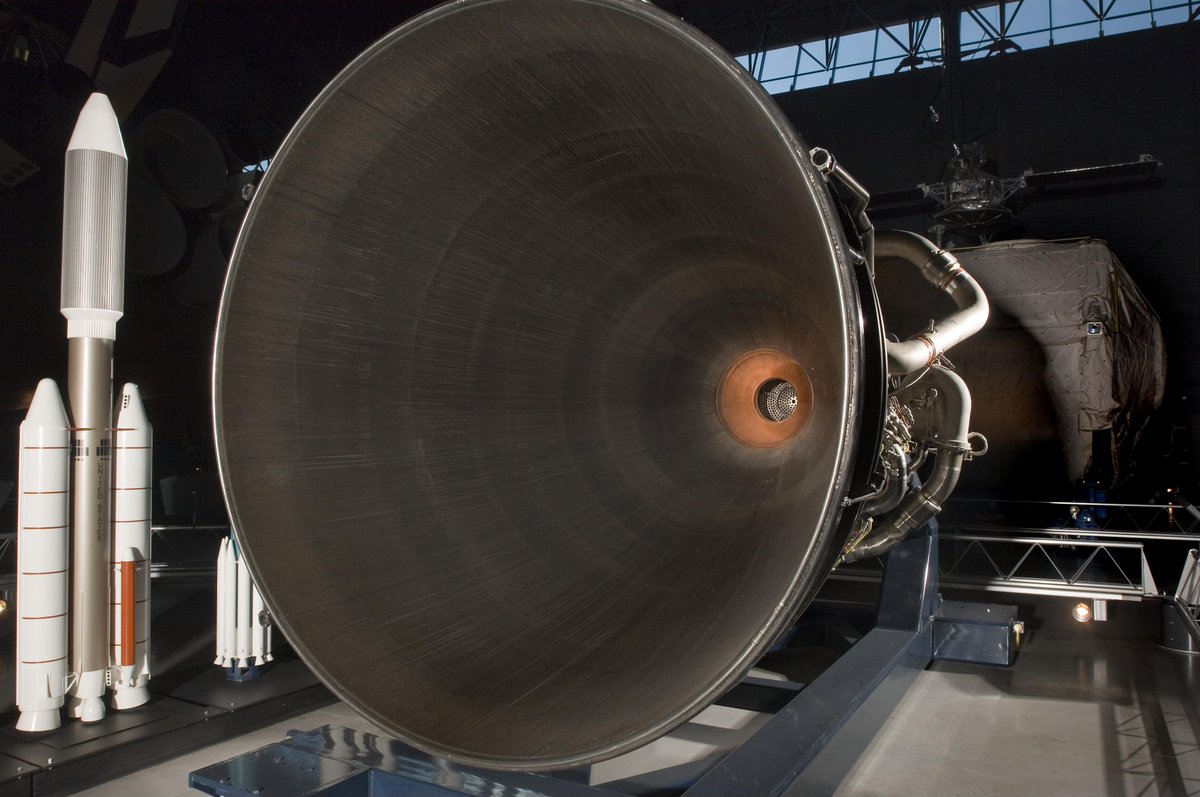
A liquid rocket engine has a problem that seems almost impossible to solve, its combustion chamber can contain gases approaching 3,000-3,300°C, while the metal containing them would rapidly lose its strength at those temperatures.
The solution is remarkably simple in principle and extraordinarily difficult in execution. The cryogenic propellant itself becomes the coolant to remove the heat from the metal.
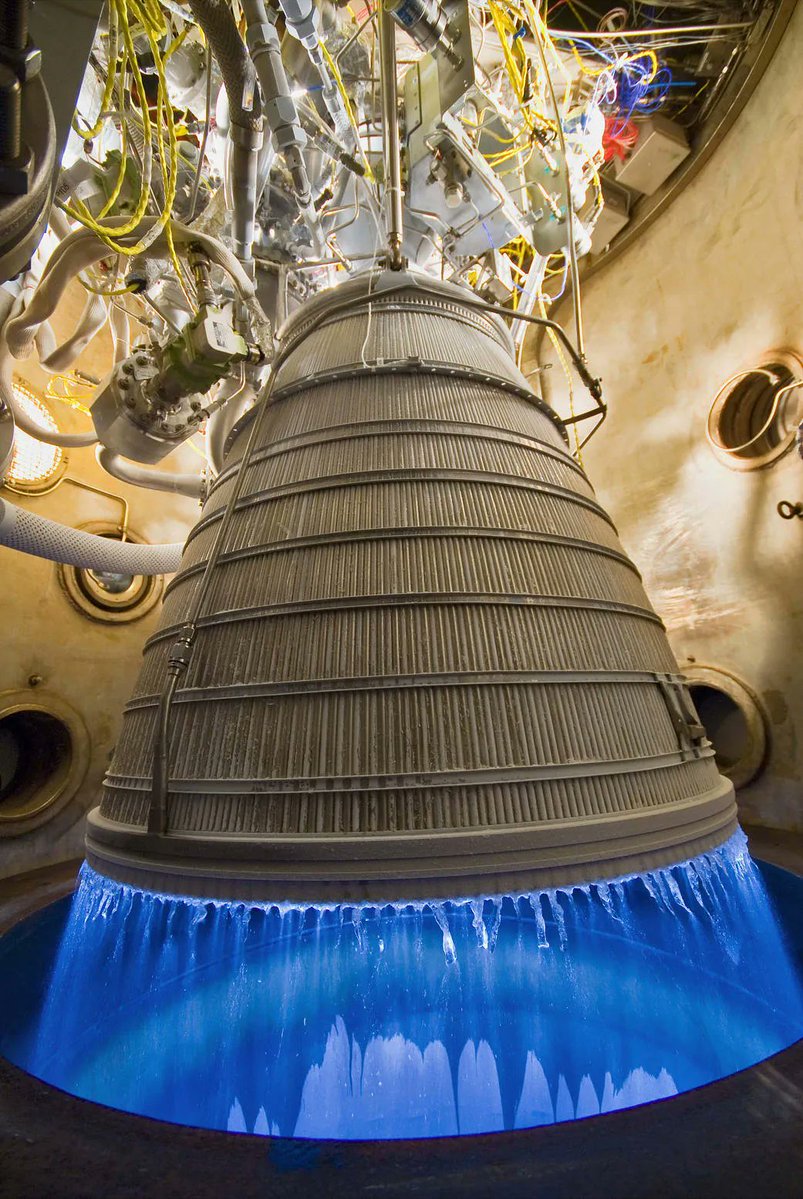
In an engine such as SpaceX's Raptor for example, cryogenic liquid methane, whose normal boiling point is about -162°C, is forced through precisely engineered passages built into the chamber and nozzle walls before reaching the combustion system.
The fuel absorbs heat from the metal while flowing through a microscopic heat exchanger that is effectively manufactured into the engine itself. Near the throat, heat flux can exceed 10 MW/m², making this one of the most demanding thermal environments in propulsion.
The complexity is in controlling thousands of tiny flow paths simultaneously. Their size, spacing, wall thickness, surface finish and flow resistance determine how evenly heat is removed.
Too little cooling in one region creates a local hot spot, a restriction, void or dimensional defect can reduce coolant flow precisely where the heat load is highest.
The sequence can become catastrophic, reduced cooling leads to rising wall temperature which then causes material weakening and deformation, which then creates further disruption of the cooling flow and burn-through where the nozzle fails.
That makes the materials and manufacturing process inseparable from the thermal design.
Highly conductive copper alloys such as GRCop-42 have been developed for high-heat-flux chambers, while modern additive manufacturing can create intricate internal cooling geometries that are extremely difficult to reproduce conventionally.
Meanwhile, large engines move extraordinary quantities of propellant, Vulcain engine, for example, processes roughly 235 kg of propellant every second, including about 41 kg/s of hydrogen through its engine system.
The real manufacturing constraint is therefore not simply making a rocket engine withstand extreme combustion temperatures and pressures.
It is manufacturing a pressure vessel whose walls efficiently contain a precision heat exchanger, distributing enormous propellant flow exactly where the heat is trying hardest to destroy it and doing so reliably every time the engine fires under immense pressures.
Yapay zekayı anlamak için aslında sihirli bir şey öğrenmeniz gerekmiyor.
Temelinde lineer cebir, türev, aktivasyon fonksiyonları ve optimizasyon var. Model, milyonlarca hatta milyarlarca parametreyi hatasını azaltacak şekilde sürekli güncelliyor. Yani devasa bir matematiksel uzayda daha iyi cevabı arıyor.
Bence asıl büyüleyici tarafı da bu. Tek tek baktığınızda oldukça anlaşılır matematiksel işlemler, yeterince büyük ölçekte birleştiğinde görüntüleri anlayan, metin üreten, tahmin yapan ve karmaşık örüntüleri öğrenebilen sistemlere dönüşüyor.
AI sandığımız kadar gizemli değil. Matematiğin ölçeklenmiş hali inanılmaz şeyler yapabiliyor.
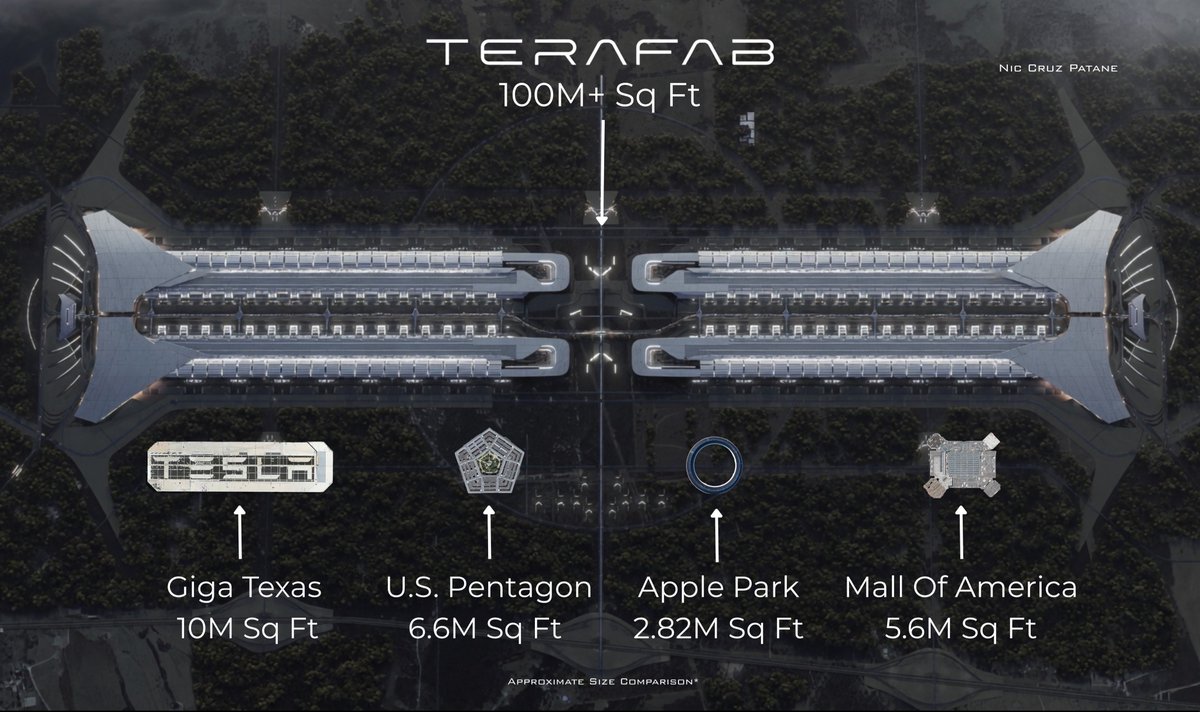
Bence AI tarafında şu an yaşanan en büyük olaylardan biri gözden kaçıyor: Terafab.
Tesla ve SpaceX, çip tasarımından üretime, belleğe, paketlemeye ve teste kadar tüm süreci tek tesiste birleştiriyor. Hedef yılda 1 TW’dan fazla AI hesaplama gücü üretecek çip kapasitesi.
Bunun yaklaşık %25’i Optimus’a, %75’i ise AI uzay araçlarına ayrılacak.
Asıl çılgın tarafı şu: Optimus, robotaksiler ve uzaydaki AI veri merkezleri için ihtiyaç duydukları donanımı dışarıdan beklemek yerine doğrudan kendileri üretebilecekler. Tasarla, üret, test et, geliştir döngüsü tek yerde olacak.
AI yarışında mesele artık sadece en iyi modeli yapmak değil. O zekayı milyarlarca robota ve uzaya taşıyabilecek silikonu kimin üretebildiği de en az model kadar önemli hale geliyor.
The world measures industrial power by millions of tonnes of steel, aluminium, and chemicals produced every year.
But at the highest level of manufacturing pyramid, the challenge is completely different, producing a few tonnes of materials where a microscopic defect can destroy a jet engine, spacecraft, nuclear reactor, or semiconductor system.
This is where vacuum metallurgy begins. Some of the world's most advanced materials cannot be processed in normal air because oxygen, nitrogen, and even traces of moisture become contaminants at extreme temperatures.
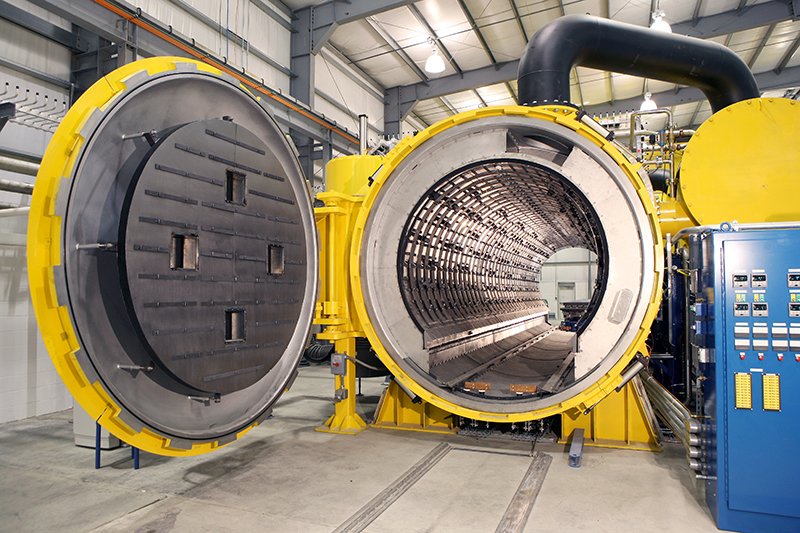
Instead of simply building a hotter furnace, engineers remove the atmosphere itself. Modern vacuum furnaces evacuate chambers to pressures thousands to millions of times lower than normal atmospheric conditions, allowing metals to be heated, treated, brazed, and cooled without unwanted chemical reactions.
Building such a system is an engineering challenge of its own. High-end vacuum furnaces combine ultra-high vacuum pumps, water-cooled pressure vessels, graphite or molybdenum heating elements, contamination-resistant insulation, precision temperature control, and inert gas quenching systems using nitrogen, argon, or helium.
Large aerospace-grade Vacuum Chamber systems can cost $15-30+ million, require specialised infrastructure, and demand years of process knowledge to operate correctly.
The furnace is only the machine, the real capability is knowing the exact thermal cycles, cooling rates, and conditions required to transform a metal into a certified high-performance material.
These systems enable some of the most important materials in modern technology. Nickel-based superalloys containing elements such as rhenium, hafnium, tantalum, and aluminium are vacuum processed for jet engine turbine blades and disks, allowing them to survive extreme environments above 1,000°C while operating near combustion temperatures exceeding 1,500°C.
Titanium alloys, widely used in aircraft, spacecraft, and medical implants, require controlled processing because titanium absorbs oxygen and nitrogen at high temperatures, creating brittle layers that reduce performance.
Tungsten and tantalum, materials known for their extreme heat resistance, are processed into components used in semiconductor manufacturing equipment where purity and stability are critical.
The scale difference is extraordinary. The world produces around 1.8 billion tonnes of steel every year, with ordinary steel priced in $1000 per tonne. Vacuum-processed aerospace alloys may be produced in only tonnes, yet their value can reach $100,000+ per tonne after processing, certification, and quality control. The value is not the quantity of metal produced, it is the ability to engineer its internal structure with extreme precision.
This capability is concentrated among a small group of industrial economies. Germany, the United States, France, and Japan have spent decades developing expertise in vacuum technology, advanced metallurgy, and aerospace qualification.
The most difficult part of advanced manufacturing is often not producing more, it is producing what almost nobody else can with extreme precision. A vacuum furnace can be purchased, but the knowledge required to consistently manufacture materials at the limits of metallurgy cannot be built overnight and will takes decades of know how.
The next generation of stealth aircraft, spacecraft, nuclear reactors, and semiconductor systems will depend not only on better designs, but on the rare industrial processes that make those designs possible.