Earned my very first income through Chegg after skipping so many questions
Really feels so good to earn money of your own.
100 days of code has helped me a lot to check Chegg everyday
#100DaysOfCode#expertchegg#chegg#selfemployed#CSE#programmers
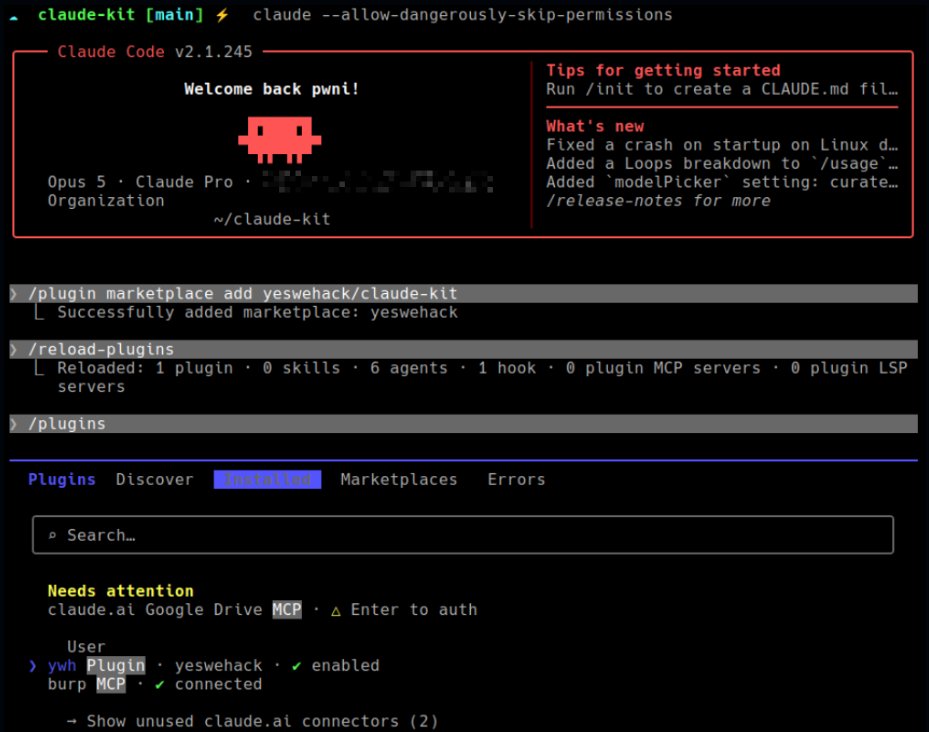
YesWeHack Claude Kit
A Claude Code plugin that helps bug bounty hunters write clear, well-evidenced reports - the kind a triager can validate quickly.
Source: https://t.co/z26WHC19Aw
Claude-BugHunter provides a curated bundle of 83 skills for Claude Code designed to assist with vulnerability auditing, CVE tracking, and structured red team reporting.
https://t.co/4u8XsRFDIg
Are you seeing a 403 when you access this:
GET /api/v2/admin/users ❌
You can try bypassing it by accessing an older API version:
➡️ GET /api/v1/admin/users
➡️ GET /api/admin/users
➡️ GET /api/V2/admin/users
➡️ GET /api/v2/admin/users with X-API-Version: 1
➡️ GET /api/v2.0/admin/users
➡️ GET /api/beta/admin/users
What else will you try? 👇
openGym is a self hosted gym and body weight tracker that allows you to plan routines, log guided workouts, and monitor body weight across devices behind your own passkey login using Docker Compose.
https://t.co/UcNtIdyYoO
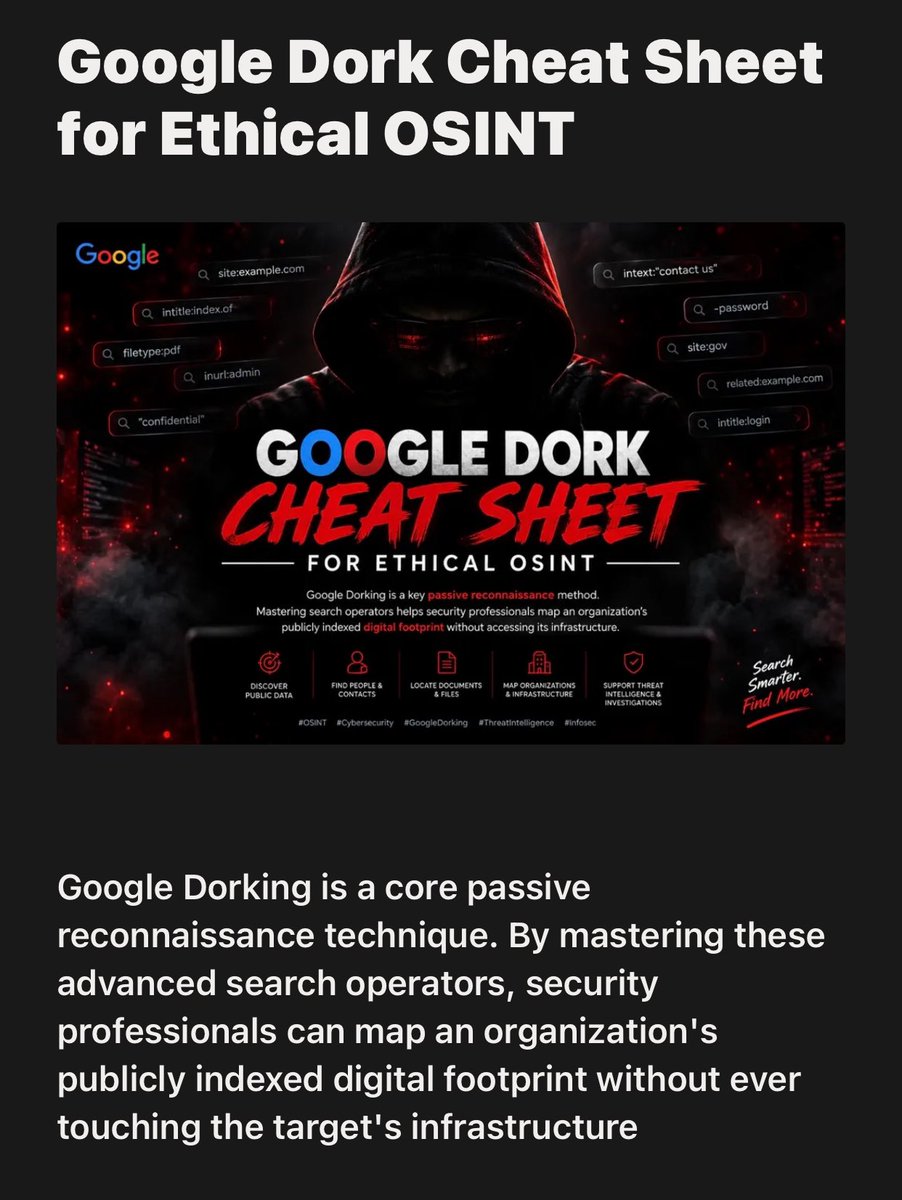
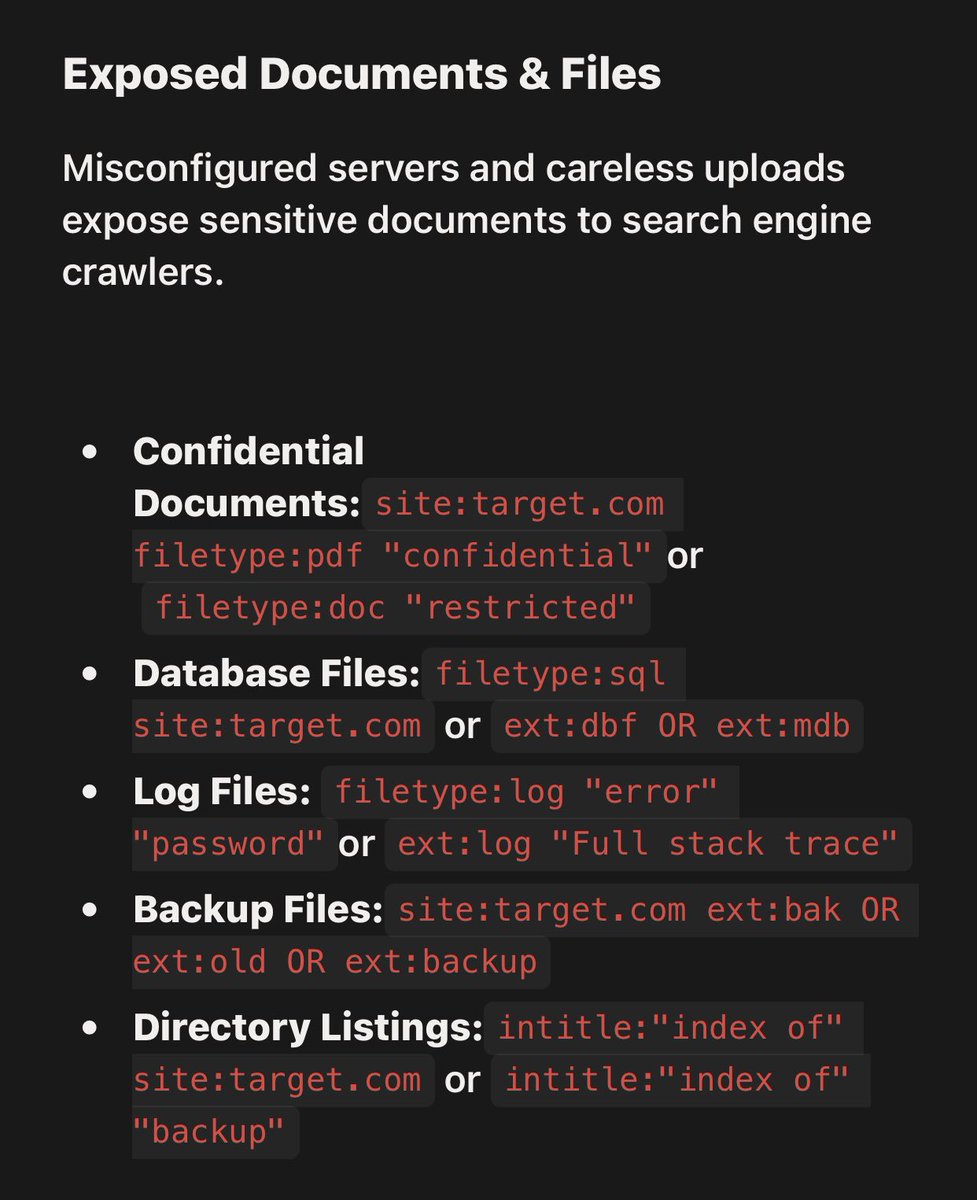
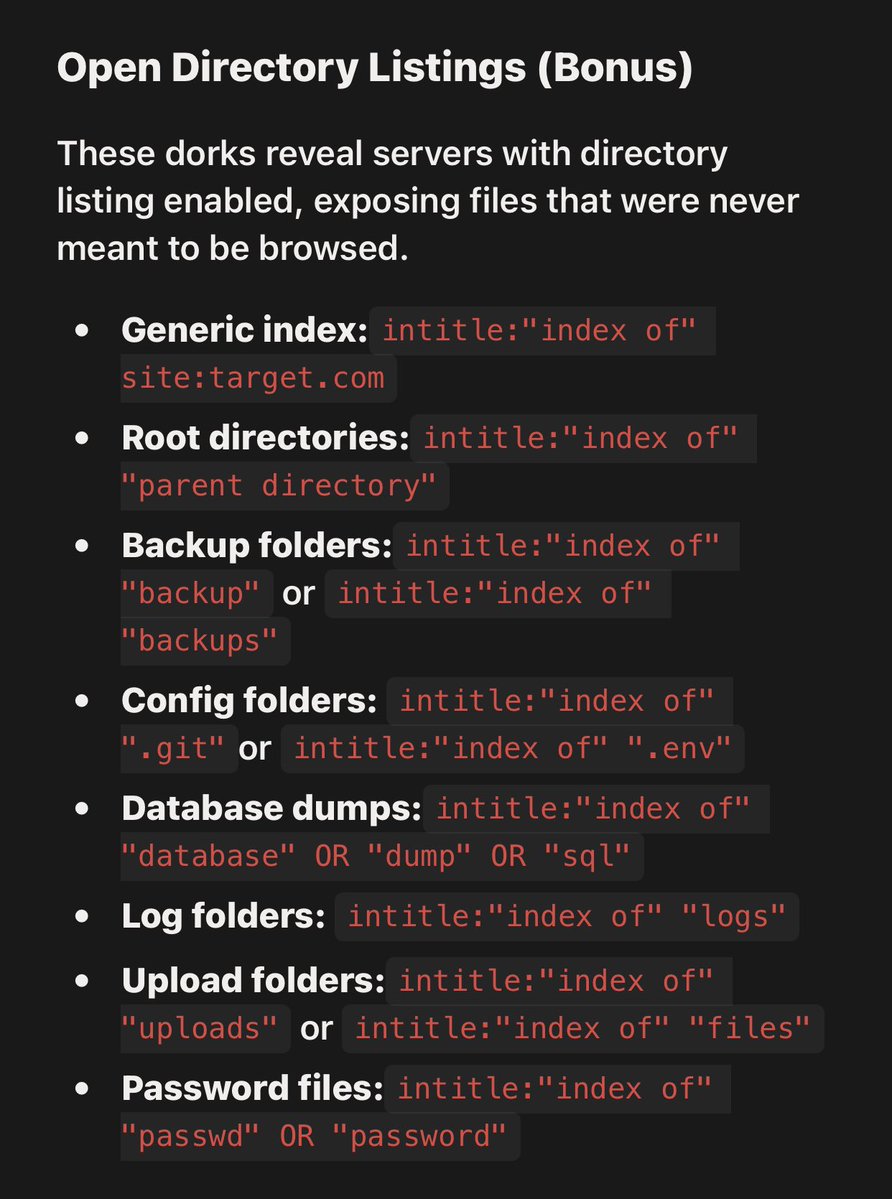
Google Dork Cheat Sheet
One dork answers one question. Chained dorks tell a story.
Pivot from email to username, username to social profile, social profile to archived documents, documents to exposed directories.
Each finding feeds the next query.
#OSINT#Cybersecurity
Found a very useful dataset for anyone building security agents.
• 2M+ sanitized SOC events
• 51K+ incident provenance graphs
• natural-language attack reports
• ATT&CK context
Much better benchmark than asking your agent to explain Mimikatz.
https://t.co/24v3kPTjtr
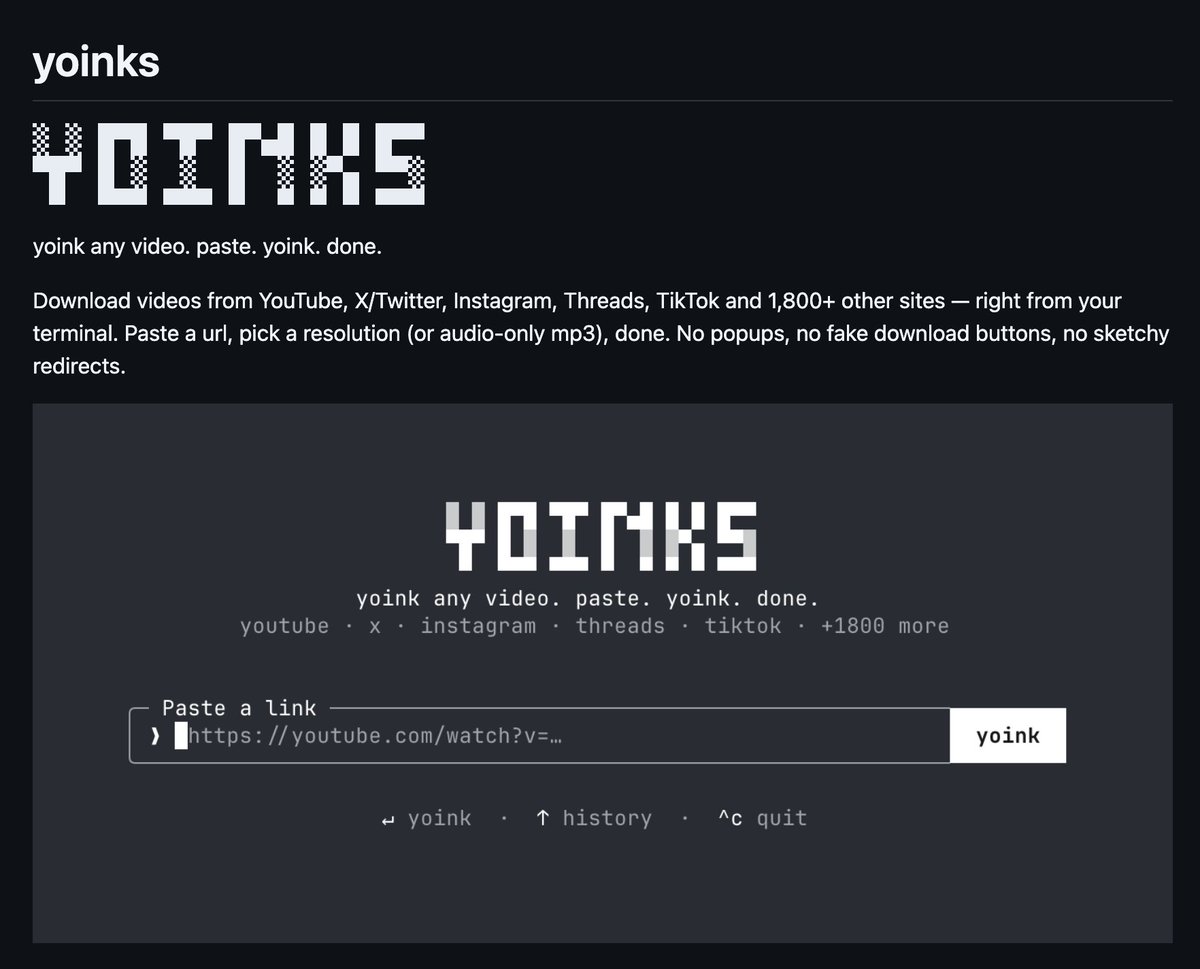
❗️ Yoinks is a free, open-source tool that pulls videos from YouTube, X, Instagram, Threads, TikTok and 1,800+ other sites straight from your terminal.
You paste a URL and it's done, with no popups, no fake download buttons and no sketchy redirects.
https://t.co/dz6TlNArg4
On July 25, our team hacked OpenAI.
It took us less than 72 hours.
Two vulnerabilities chained together gave us access to ChatGPT and Codex accounts belonging to OpenAI employees. We demonstrated the impact with a harmless PR in OpenAI’s internal monorepo.
The full chain:
HEIF upload → libheif heap overflow → RCE → OpenAI SSO flaw → ChatGPT/Codex takeover → connected GitHub → internal PR.
OpenAI fixed the SSO issue roughly 14 hours after our report.
Research by @rootxharsh, @S1r1u5_ and @iamnoooob.
Full technical write-up:
https://t.co/J5inrGRyXw
The application itself was patched and fully updated. The exposure came from a backup archive that someone copied into the production web directory and forgot to remove.
During an authorized assessment, I confirmed the application’s normal response headers and performed limited content discovery against the approved target. A directory named /backup/ returned HTTP 200 and allowed directory listing instead of denying access.
The listing exposed a recent deployment archive that could be downloaded without authentication. Examining the ZIP file showed application source code, a SQLite user database and a production .env file packaged together.
I inspected the environment file locally and redacted every secret from the terminal output. Even without displaying credential values, the evidence confirmed that database credentials, a session secret and an SMTP API key had been exposed through a public web path.
This was not a sophisticated exploit. It was a deployment and configuration failure with serious consequences. Backups should live outside the document root, directory listing should be disabled, secrets should never be included in distributable archives, and exposed credentials must be rotated immediately.
/api/user/profile?user_id=12345
Tweaks you can do on this endpoint: 🤔
➡️ user_id=12344
➡️ user_id=-1
➡️ user_id=123′ OR ‘1’=’1
➡️ user_id=12345&user_id=12344
➡️ {“user_id”:[“12345″,”12344”]}
What else will you try? 👇







![Bugcrowd's tweet photo. /api/user/profile?user_id=12345
Tweaks you can do on this endpoint: 🤔
➡️ user_id=12344
➡️ user_id=-1
➡️ user_id=123′ OR ‘1’=’1
➡️ user_id=12345&user_id=12344
➡️ {“user_id”:[“12345″,”12344”]}
What else will you try? 👇 https://t.co/5d8RLPHx00](https://pbs.twimg.com/media/HRYh0KvXcAEcCYZ.jpg)