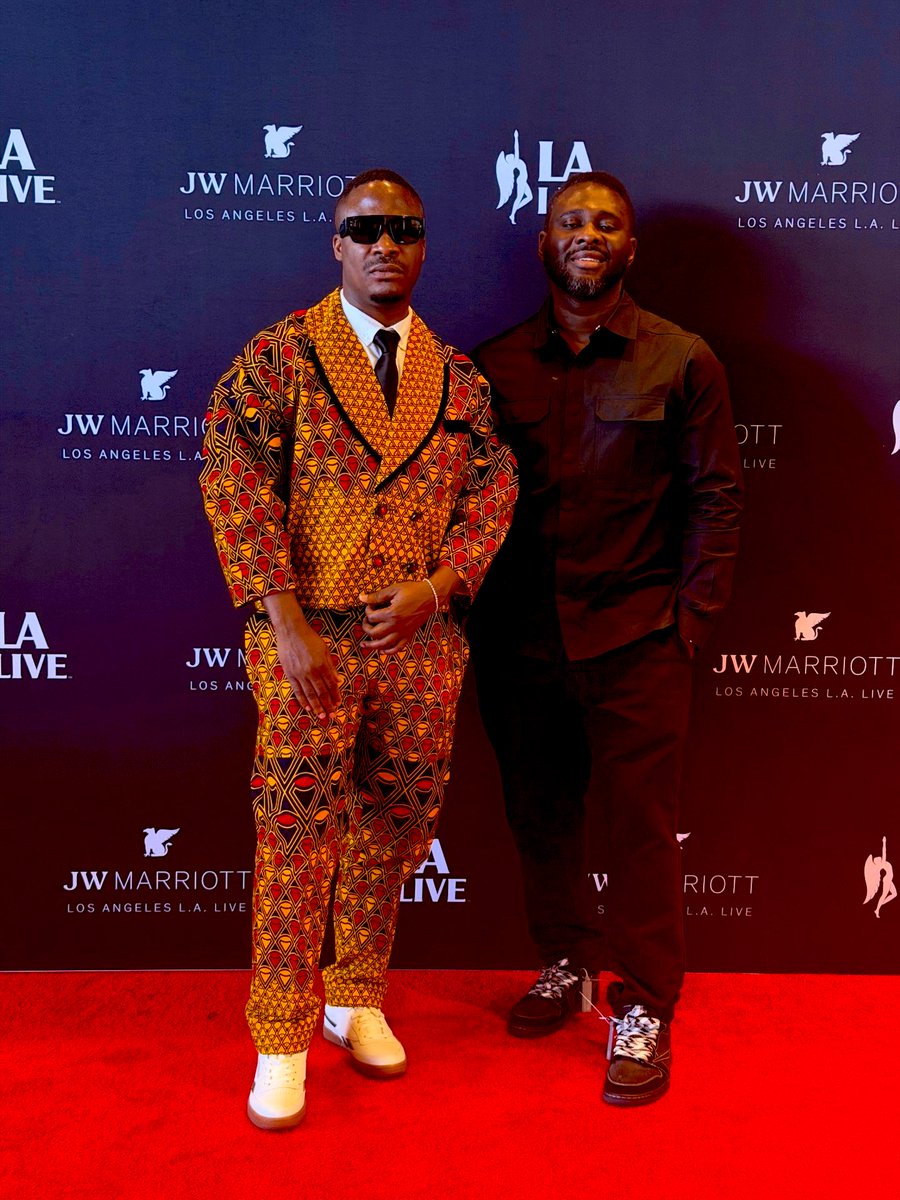
US-based Nigerian designer and creative director of Tesslo, @TessyOliseh-Amaize, has launched her latest collection, “Africa to the World,” at the 15th anniversary edition of the @AnkaraFestivals in Los Angeles.
THREAD 🧵
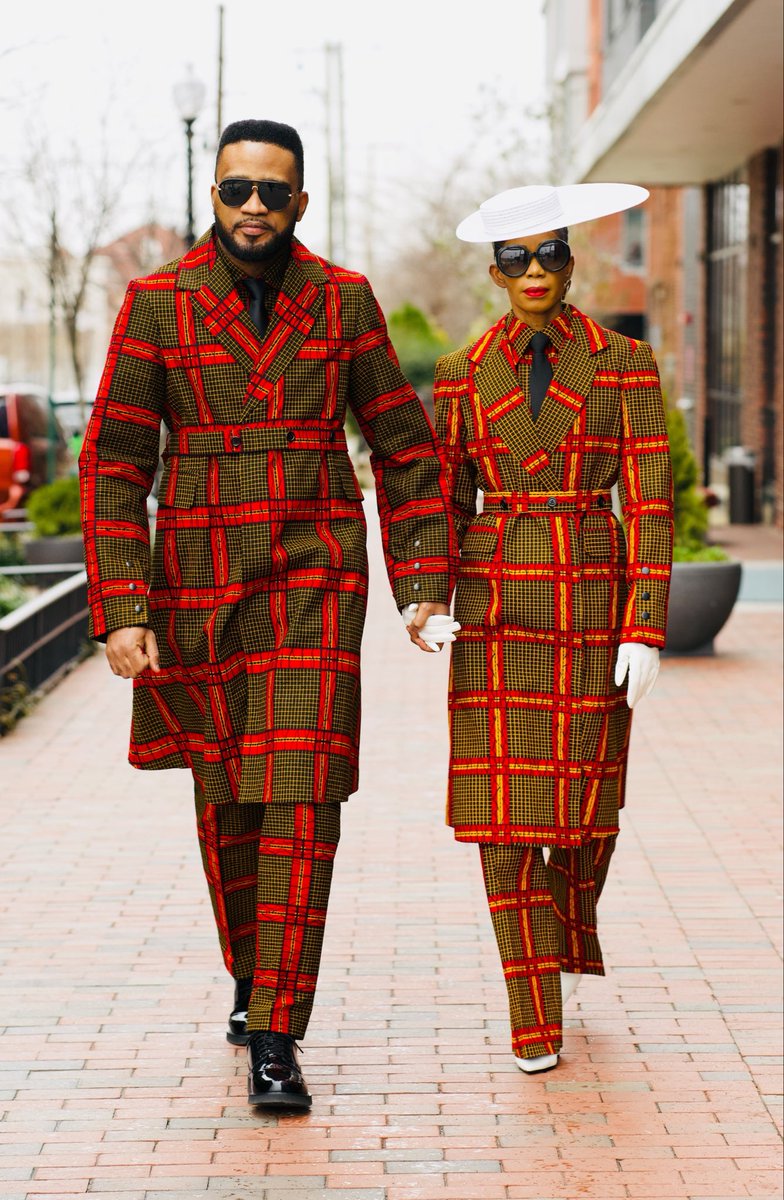
@dieworkwear Pattern matching is one of the hallmarks of great tailoring. Most customers won’t notice it but it’s one of those details that separates construction from mere optics.
If you know, you know.
These pieces were 100% handmade by @tessloglobal. 👇
Episode 54 | English Translation:
Designers and tailors, let me break it down.
1. Most times, when Nigerian celebrities want to launch a product, they launch it for their celebrity friends. When you check the price, it’s only their wealthy circle—people in Maitama, VI, and Ikoyi—who can afford it. Meanwhile, most of their actual fans are in places like Okoko. How are they supposed to buy?
2. Classism is causing serious problems in Nigeria. If you look at social media, you’d think everyone is Dangote. Meanwhile, people are struggling with hunger, but hiding it. They call it “fake it till you make it.” If you launch a product based on this model, you’re setting yourself up for a long struggle.
3. People are deceived by numbers. “I have 6 million followers, let me launch a product.” People who don’t understand social media or how businesses operate assume that 6 million followers means 6 million sales. You’ll be shocked that what you’ll mostly get is “fire fire” emojis in the comments section.
4. Being a celebrity now is like “pure water” (it has lost its value). It’s not what it used to be. Back then, being a celebrity meant something. Today, this generation doesn’t give a damn about who you are. You can even have 10 million followers, but 90% of them are “monitoring spirits” and not really engaging.
5. We compare ourselves too much with celebrities abroad. But we don’t have the same systems, the same distribution channels, the same access to funding, or the same level of global recognition. Even the purchasing power of the target markets is completely different.
6. Some of us—not all Nigerians—don’t like to support anything that isn’t loud or gaining big social media momentum. But what many Nigerian customers don’t realize is that if a brand is constantly making noise, it’s your money they’re using to fund that noise. That’s why their products are expensive. But when you see a brand trying to grow steadily and keep their products affordable, you say they’re not popular; “I don’t see them on blogs.” That’s why some celebrities keep packaging an unrealistic lifestyle for you.
I’m Tessy Oliseh-Amaize, your Fashion Professor.
Follow me on Instagram for more at: tessyoliseh
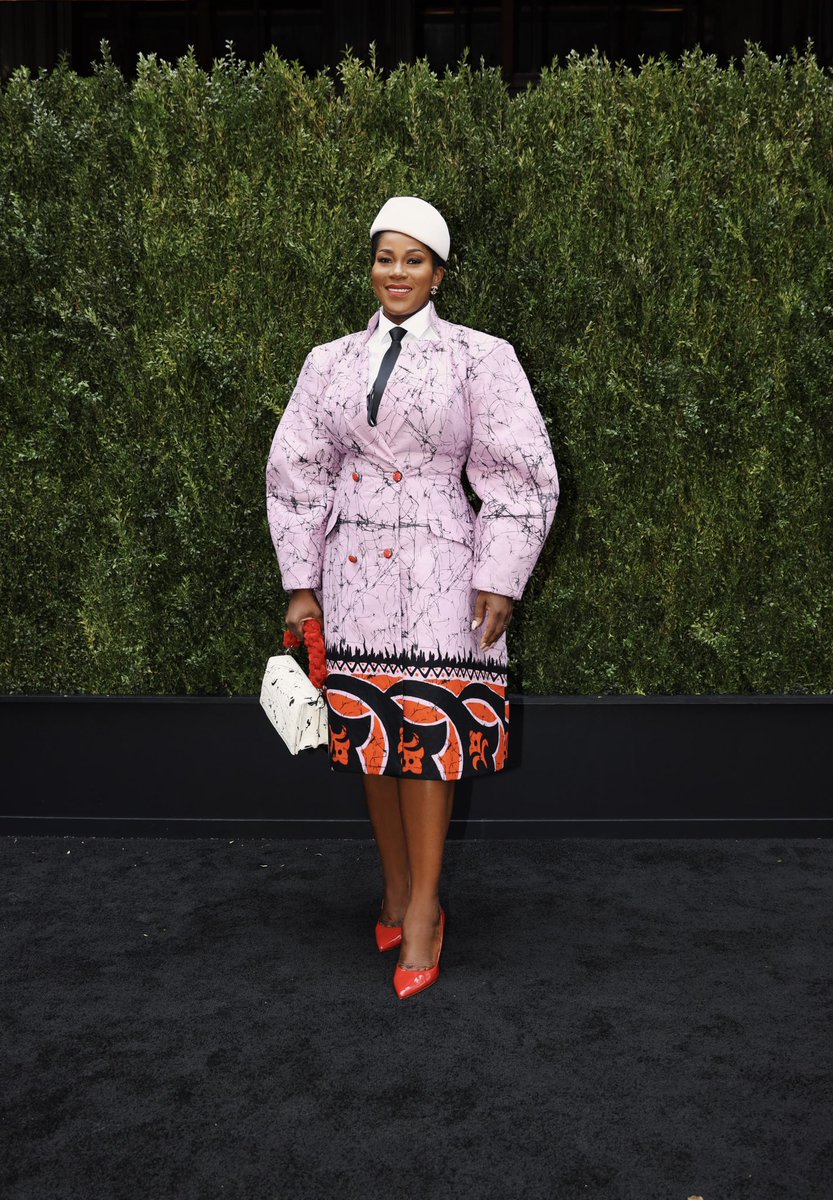
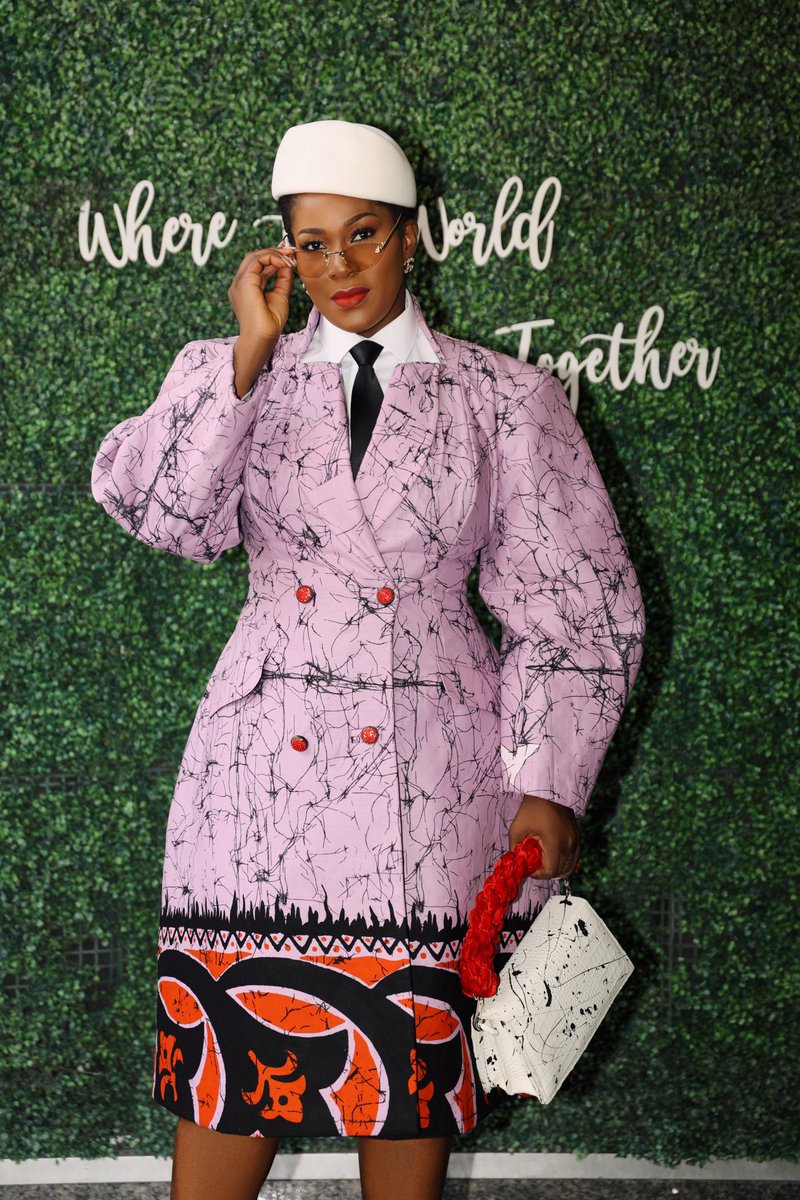
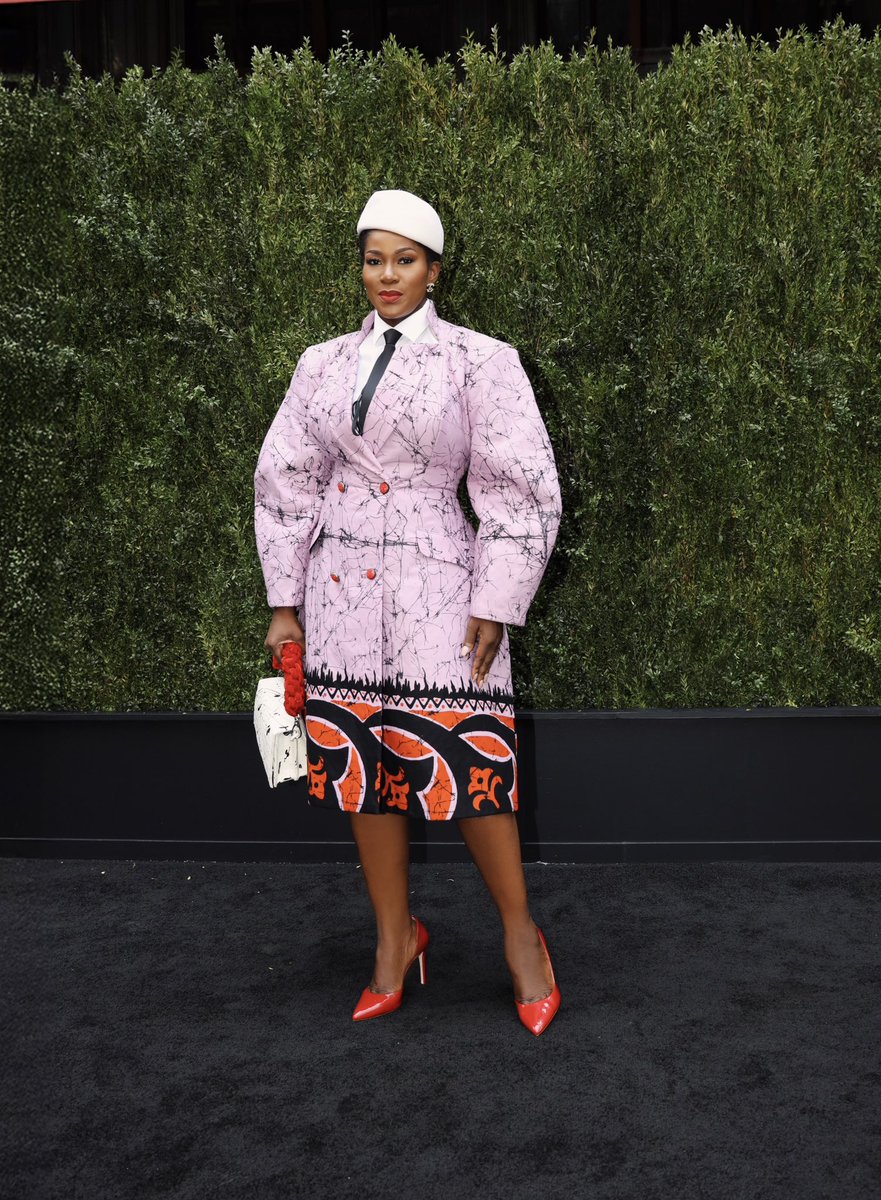
@StephanieLinus An icon wearing our handcrafted “IKONIK” dress coat. Honored to dress you for such a powerful moment on the world stage. #TessloAtTribeca
🔥🔥🔥👏👏👏
Chanel x Tribeca
At the Through Her Lens Women’s Luncheon at the Tribeca Film Festival a powerful celebration of women in film, creativity, and community.
Striding in this absolutely gorgeous dress by @tessloglobal and carrying a stunning custom-made bag by @nicholebyhaguanna
Grateful to be part of a space where stories, sisterhood, and style come together so beautifully.
#ThroughHerLens #Tribeca2025 #ChanelxTribeca #WomenInFilm #StephanieAtTribeca
Thread 🧵
I’ve followed the AMVCAs for years, but this year, I felt compelled to write on behalf of Nigerian designers who labour under difficult conditions, with no protection, proper credit, or real compensation. 👇
Episode 39 Translation: Overpricing in the Nigerian fashion industry. What’s causing it?
1. Fashion house owners who don’t know how to sew. They hire an illustrator, they hire a pattern cutter, they hire a machinist, they hire a messenger to go to the market and source fabrics. How will the clothes not end up overpriced? In the end, it’s the customer who suffers.
2. A billionaire’s child or wife who opens a fashion house—even if they have no clue about how the business works—their clothes are likely to be expensive. Meanwhile, designers who actually know their craft are watching and saying to themselves: “If a brand that produces tacky outfits is charging millions, what do you expect me, someone who knows the job, to charge?” Do I look like a fool?
3. In this 2025 economy where everything is expensive, it’s hard to find good-quality clothes that are cheap. (Emphasis on good-quality.) What is the cost of the fabric? How many yards went into making the outfit? What about other tailoring materials? How much is the tailor’s salary? How much does the designer pay bloggers for promotions? You’d be lucky to find a machine that used to be N100k in 2019 for N500k today.
4. Our society and culture also plays a role. Haven’t you heard the popular song: “the lifestyle is expensive; you just don’t know it.” If you look closely, 80% of the overpricing problem is because everyone wants to show they’ve “arrived.” Any designer or tailor’s outfit that isn’t expensive is perceived as low-quality. Some customers who buy well-made outfits from smaller brands will wear those outfits, post the pictures on social media but refuse to tag the brands, because the brand hasn’t blown up yet. In that same Lagos, some customers won’t buy from you unless your shop is on the Island. Will you rent a shop in Ikoyi (a highbrow area on Lagos Island) for N15 million a year and then sell your clothes cheap?
I’m Tessy Oliseh-Amaize, your fashion professor.
Drop your comments, like, and share this post with your friends and followers.
#fashionprofessor #nigeriandesigners #naijatailors
Episode 39 Translation: Overpricing in the Nigerian fashion industry. What’s causing it?
1. Fashion house owners who don’t know how to sew. They hire an illustrator, they hire a pattern cutter, they hire a machinist, they hire a messenger to go to the market and source fabrics. How will the clothes not end up overpriced? In the end, it’s the customer who suffers.
2. A billionaire’s child or wife who opens a fashion house—even if they have no clue about how the business works—their clothes are likely to be expensive. Meanwhile, designers who actually know their craft are watching and saying to themselves: “If a brand that produces tacky outfits is charging millions, what do you expect me, someone who knows the job, to charge?” Do I look like a fool?
3. In this 2025 economy where everything is expensive, it’s hard to find good-quality clothes that are cheap. (Emphasis on good-quality.) What is the cost of the fabric? How many yards went into making the outfit? What about other tailoring materials? How much is the tailor’s salary? How much does the designer pay bloggers for promotions? You’d be lucky to find a machine that used to be N100k in 2019 for N500k today.
4. Our society and culture also plays a role. Haven’t you heard the popular song: “the lifestyle is expensive; you just don’t know it.” If you look closely, 80% of the overpricing problem is because everyone wants to show they’ve “arrived.” Any designer or tailor’s outfit that isn’t expensive is perceived as low-quality. Some customers who buy well-made outfits from smaller brands will wear those outfits, post the pictures on social media but refuse to tag the brands, because the brand hasn’t blown up yet. In that same Lagos, some customers won’t buy from you unless your shop is on the Island. Will you rent a shop in Ikoyi (a highbrow area on Lagos Island) for N15 million a year and then sell your clothes cheap?
I’m Tessy Oliseh-Amaize, your fashion professor.
Drop your comments, like, and share this post with your friends and followers.
#fashionprofessor #nigeriandesigners #naijatailors
I’m so thrilled to share my recent interview with @CNN! I talked about my fashion journey, the inspiration behind my designs, my passion for elevating African prints on the global stage, why I started the #FashionProfessor series, and more.
Full story ⬇️ https://t.co/dba85pHTdc
Nigerian designer Tessy Oliseh-Amaize took Philly Fashion Week 2024 by storm, showcasing an elegant 16-piece collection that challenges stereotypes about African fashion.
Read more about her mission to elevate African prints globally: https://t.co/szObb7QQ32
“My vision is to elevate Ankara into a fabric that transcends cultural borders. I want Ankara outfits to become products that everyone desires to wear, no matter where they are from.” ~ Tessy Oliseh-Amaize
#AfricaToTheWorld#TessloGlobal
https://t.co/Q1wqhImdgD
US-based Nigerian designer and creative director of Tesslo, @TessyOliseh-Amaize, has launched her latest collection, “Africa to the World,” at the 15th anniversary edition of the @AnkaraFestivals in Los Angeles.
THREAD 🧵
Adding to the evening’s glamour was Nigerian-American Hollywood star Folake Olowofoyeku, best known for her role in Bob Hearts Abishola, who co-hosted the event, stunning the audience in a handcrafted Tesslo outfit.