Great software is made by great teams. We build both. 💚
Custom software agency with a pragmatic AI approach and experienced software & product consultants.
4 days, 210 commits, and 17 pull requests - the story of how River Bailey wrote this post, and prototyped a new Claude Code skill, lives in these details: https://t.co/tgXUH7qadv
Most agent misalignment doesn't start in the model. It starts upstream, in orgs that never made intent legible.
Dave Mosher calls it a context tarpit: where strategic context goes to die, in one person's head or scattered across six systems.
The same tarpit traps a human.
Our CEO Todd Kaufman suspects more executives are running the build versus buy math on Salesforce than are willing to say so out loud. Here's what actually changes that calculation, and what doesn't: https://t.co/4fgwzgxuFJ
Teams actually shipping AI products build a system that keeps agents honest with humans in charge. Principal Consultant Dave Mosher talked with Traingent CTO Wayne Marley about how this shaped the way Ride with Dave was built.
https://t.co/OHfCDGD95Z
SF @Techweek_ is in full swing! We're making the rounds at events across San Francisco, connecting with founders, tech leaders, and the people building what's next. With conversations spanning #AI, #softwareengineering, & more, there's plenty to dig into. https://t.co/ebuDPTsput
An eightfold speedup is an engineering win. Is it a product win? What World of Warcraft taught Dave Mosher about AI, user delight, and making software people would miss. https://t.co/1zmMDdBFYL
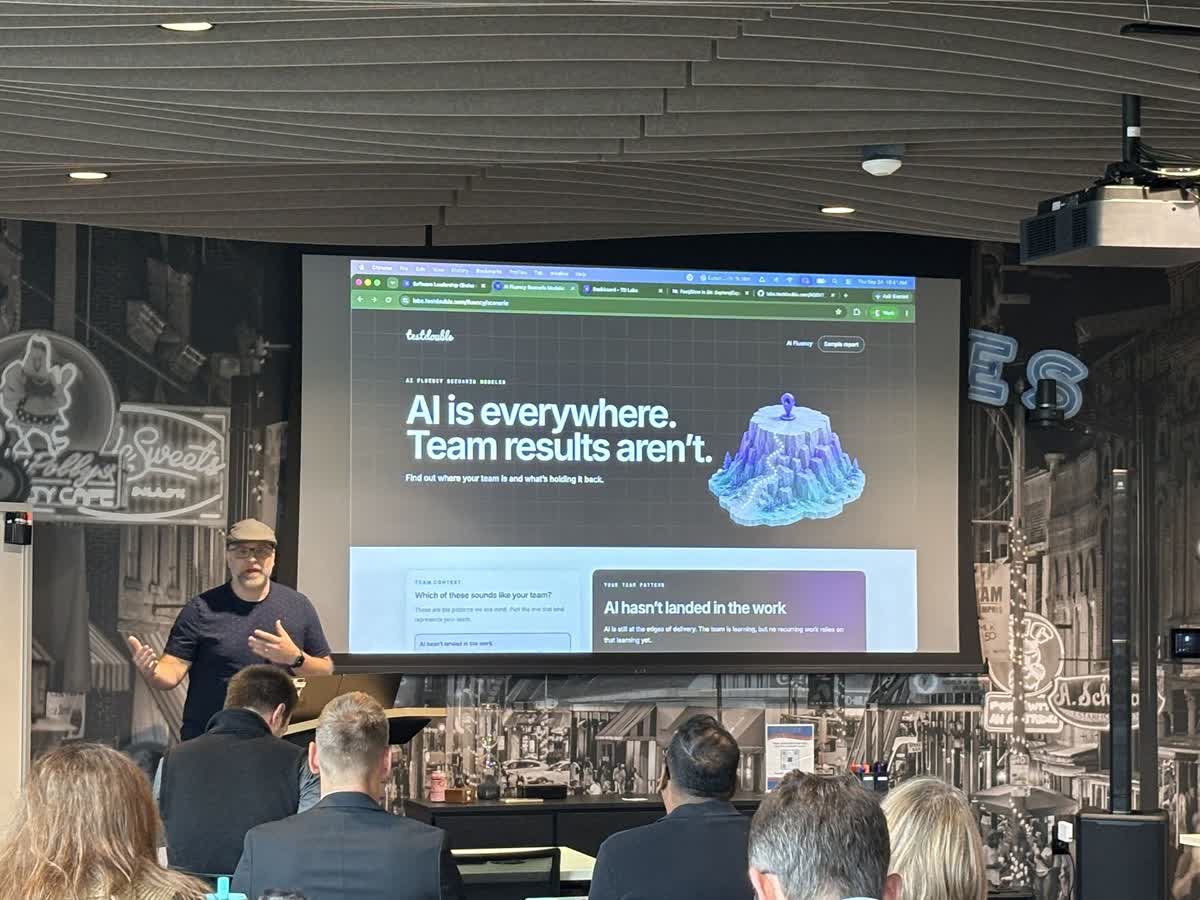
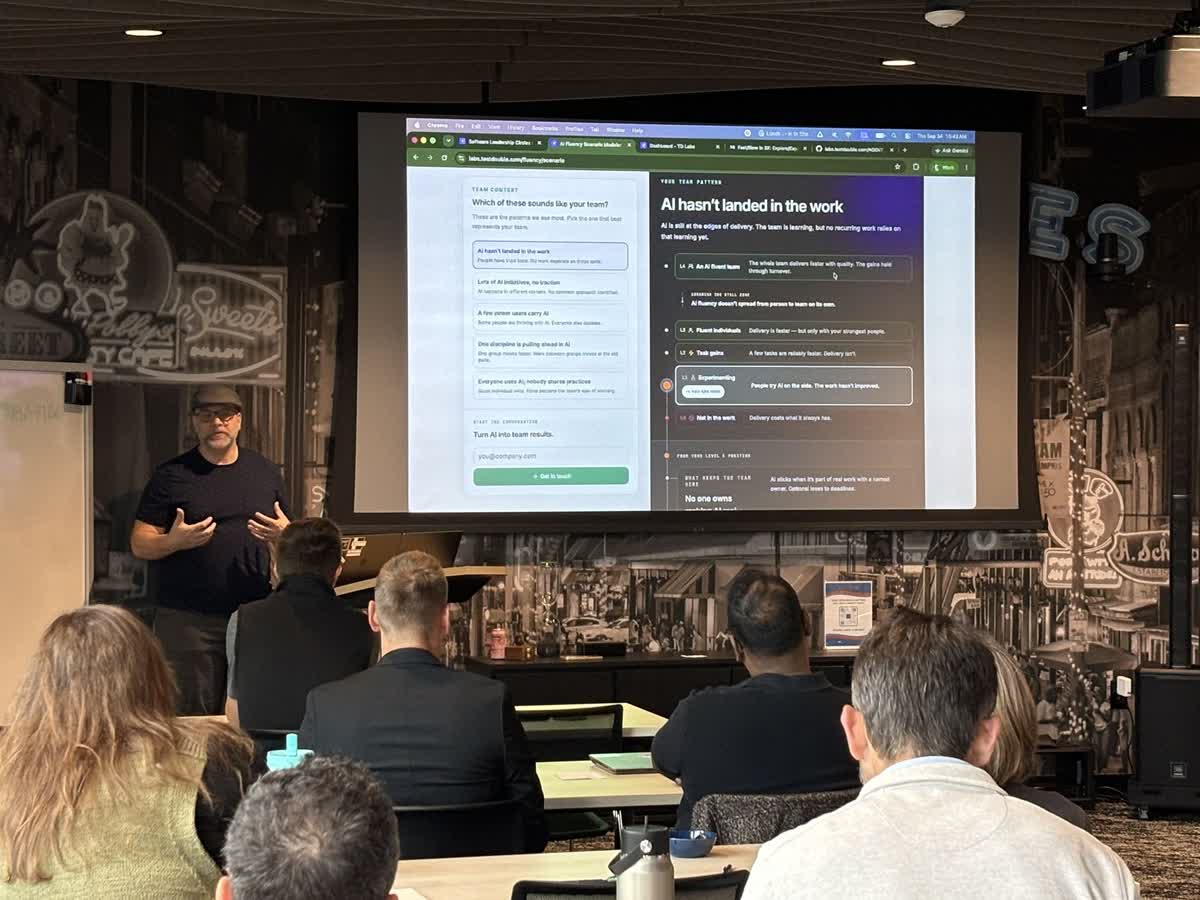
Our first-ever Circles Live is in the books! Thanks to everyone who joined us, brought their challenges to the group, and helped make the event a success. Applications for our virtual Software Leadership Circles open at the end of October. More information coming soon!
#AI made writing code faster, and #software delivery didn't speed up to match. The Theory of Constraints predicted exactly this outcome forty years ago, and it also tells you what to do about it. Test Double's River Bailey explores what this means: https://t.co/mnXb8jIOWo
We're back from a big week at @rails World! Our booth was full of conversations about careers, how AI is changing the work, and what's ahead. We're especially proud of the crew in this photo. Didn't get a chance to pair with us at #RailsWorld? Contact us: https://t.co/cHeZKXTNzp
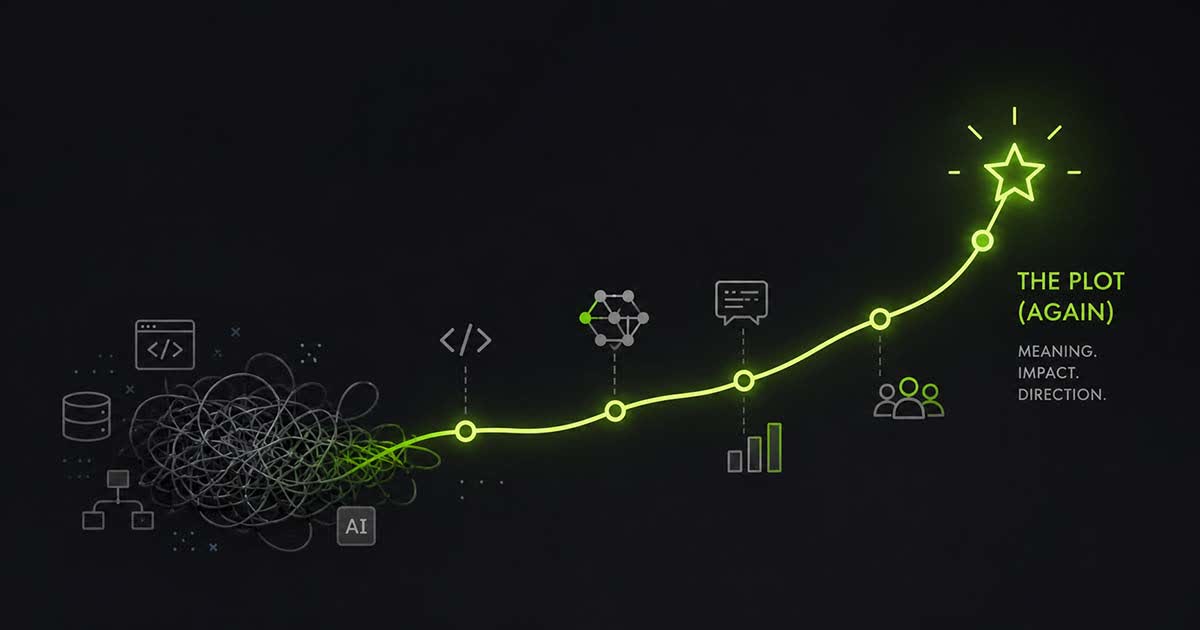
"Did I lose the plot of software engineering?" One Slack message turned into an interesting conversation with Test Double coworkers. Spoiler: it was never really about the code.
Full post 👇
https://t.co/NUvlTcH2na
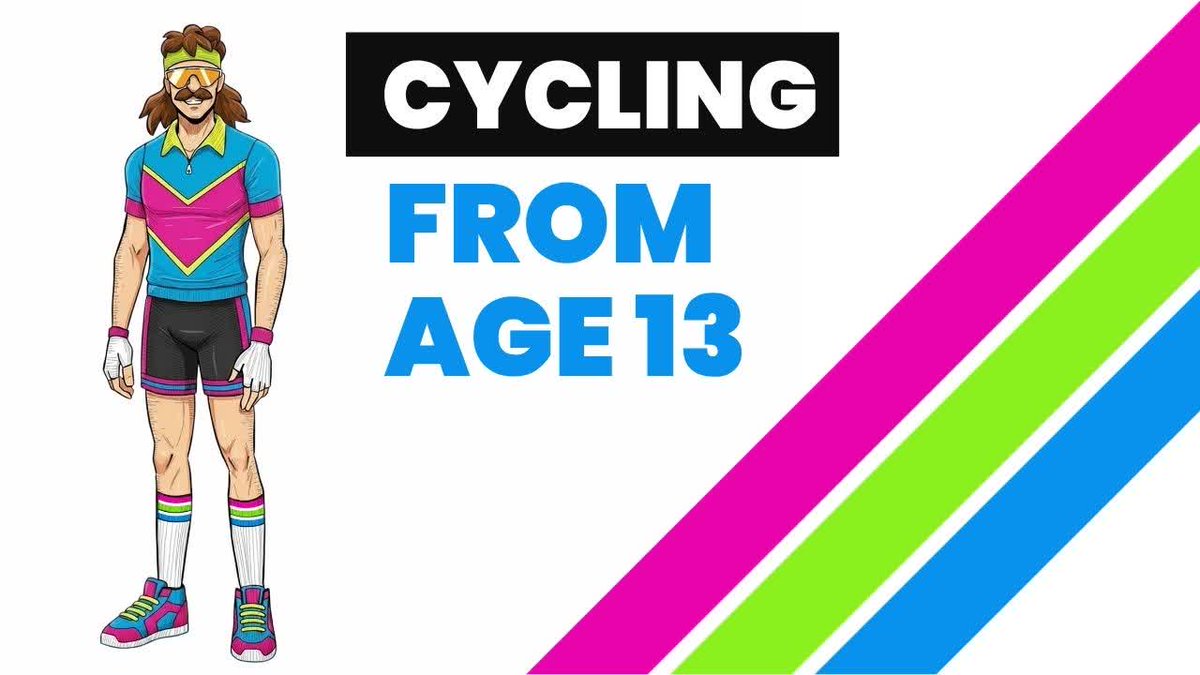
We match software and product consultants on engagements where they have domain expertise. Senior Software Engineer Jed Schneider shares about his experience in competitive cycling in this clip from a wider conversation about building Ride with Dave. 🤩
https://t.co/w9DXCUO0YC
Day 1 of @rails World is in the books! We had some great pairing sessions yesterday in the Double Up Lab. Stop in to see us today in the Sponsor Lounge and bring something to work on: a legacy system challenge, an AI tooling question, or whatever you're working on. #RailsWorld
The Double Up Lab is underway at @rails World, and our duck has been making the rounds while the team talks #Rails, tackles problems, & catches up with the community. If you're at #RailsWorld, find us in the Sponsor Lounge or sign up for a pairing session: https://t.co/EiDhVoSU8r
With agentic tools writing code, it feels natural to fill the time by reaching for the next task. But have you considered what you might be losing? River Bailey digs in to understand why we should protect downtime instead of filling it with more activity. https://t.co/U7GBO84R8O
Most agent misalignment doesn't start in the model. It starts upstream, in orgs that never made intent legible.
Dave Mosher calls it a context tarpit: where strategic context goes to die, in one person's head or scattered across six systems.
The same tarpit traps a human.
Nine years running! We are proud to share that Test Double has made #Inc5000. https://t.co/qAB2neKWq2
We help companies modernize aging systems, adopt AI in ways that return value, and move faster without cutting corners. We're grateful to keep doing that work, year after year!
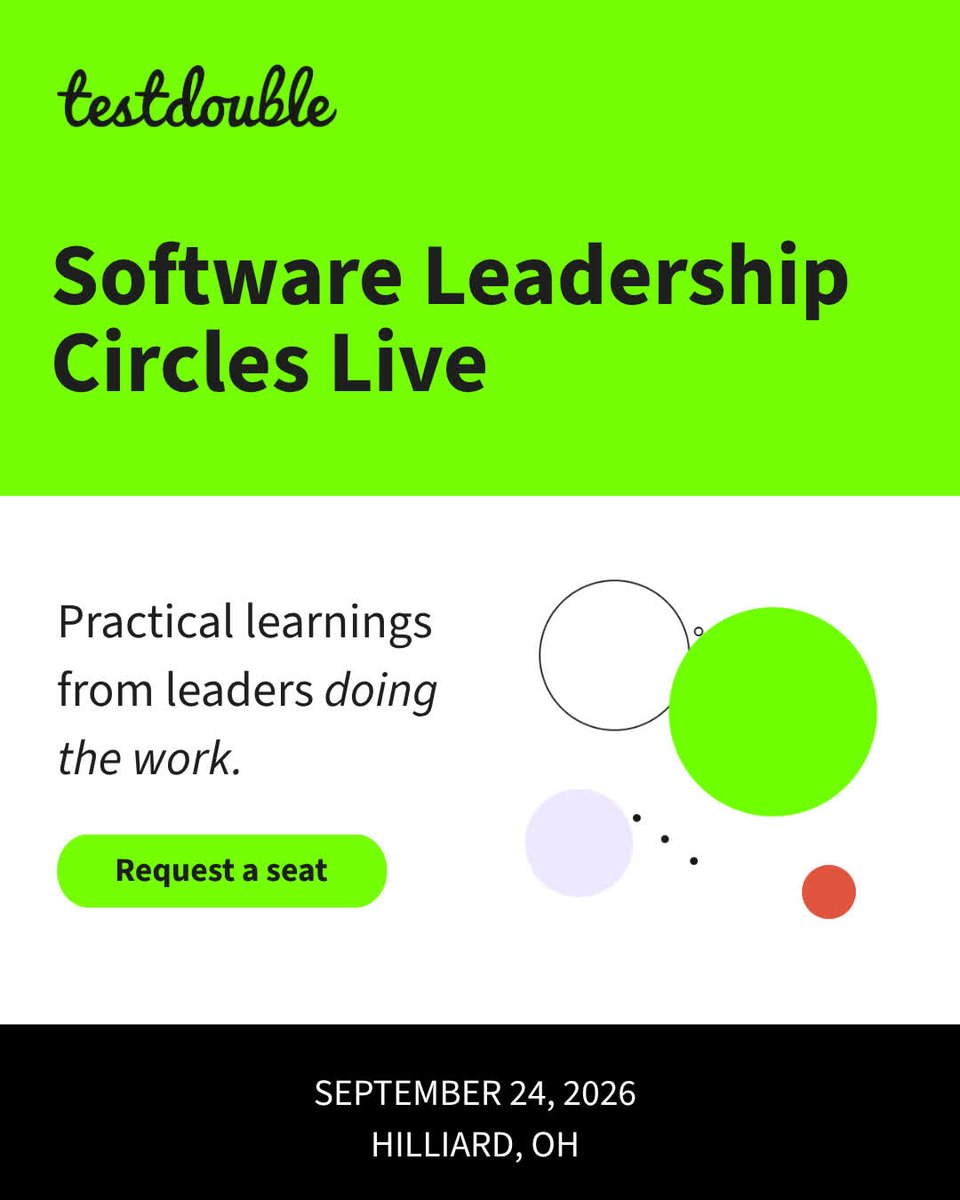
We're excited to host Software Leadership Circles Live next week! Join us on September 24th in the Columbus area as we bring together 30-40 software leaders for one day, in one room, with nobody pitching anything. Request your seat: https://t.co/7gU5JLX0OY
We often mistake effort for value. By combining feedback, work history, and AI, James Walker discovered that the work that felt easiest was often what others valued most. Read the blog: https://t.co/xdzbwFrHhN
Curious how AI fits into your development workflow? Rails bug you can't shake? Legacy system you're trying to modernize?
Bring it to the Double Up Lab at #RailsWorld! Stop by the Sponsor Lounge to pair with a Test Double consultant. Book a session: https://t.co/EiDhVoSU8r @rails
Most organizations expect agentic tooling to increase the speed at which we code. But there's another benefit in this new world that may not get as much as attention as it deserves: accessibility. River Bailey discusses accessibility in the age of AI. https://t.co/EyShFV6tK9