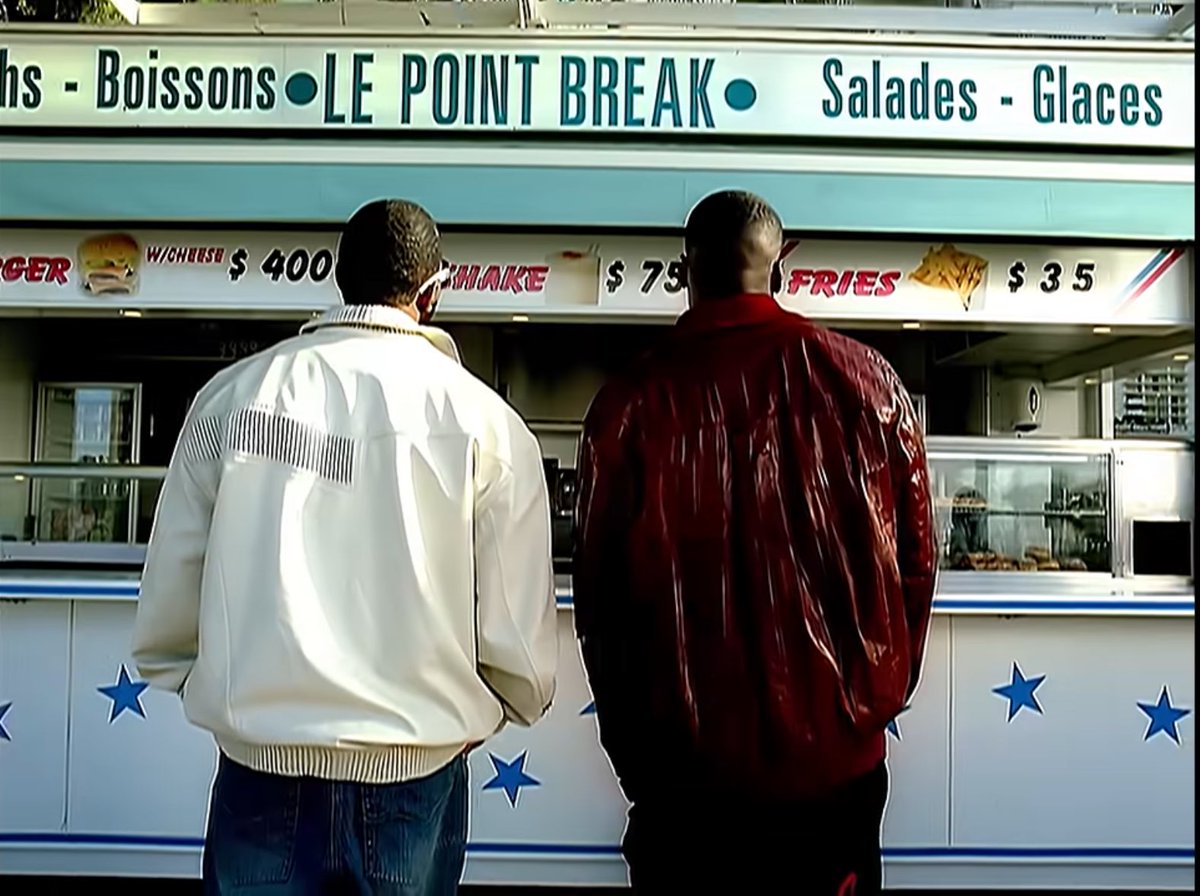
had a dream i was kicking it at a russian ski lodge with @ScHoolboyQ, wtf does that even mean. shoutout bro though he was super chill in the astral realm... don't even think id go to russia still so confused
This is Japanese diplomat Chiune Sugihara and his wife Yukiko. They spent 18-20 hours a day writing and signing transit visas by hand in Lithuania for thousands of Jews for 29 days from July 31 to August 28, 1940.
Yukiko described their last days in Lithuania: "He was so exhausted, like a sick person. Even though he was ordered to go to Berlin, he said he couldn't make it to Berlin and suggested we go to a hotel and rest before leaving. When we got to the hotel, the Jewish people came looking for us there. So he wrote some more visas in the hotel.
The next day when we got to the train station, they were there too. So he wrote more visas on the platform until the train left. Once we were on board, they were hanging on the windows, and he wrote some more. When the train started moving, he couldn't write anymore. Everyone was waving their hands. One of them called out, 'Thank you Mr. Sugihara, we will come to see you again,' and he came running after the train. I couldn't stop crying. When I think about it, even now, I can't help crying."
As the train left the station, Sugihara said, "Please forgive me. I cannot write anymore. I wish you the best." It is estimated that the actions undertaken by him and his wife are responsible for the present lives of around 100,000 people.
After the war, Sugihara was forced to resign and work menial jobs (selling light bulbs door to door). He languished in relative obscurity until 1968 when an Israeli diplomat managed to find him and finally got him the recognition that he deserved.
Sugihara never told anyone what he had done during the war. Even his closest friends had no idea. "I may have disobeyed my government, but if I didn't, I would be disobeying God. In life, do what's right because it's right, and leave it alone."
This is Robert Landsburg. While filming on May 18, 1980, Mt. St. Helens began to erupt. Realizing he could not survive it, Landsburg rewound the film back into its case, put his camera into his backpack, and then laid himself on top of the backpack to protect the film for future researchers.
Landsburg continued to photograph the eruption until the last possible moment, leaving himself enough time to wind up his film into its case, place his camera in its bag, place that bag into his backpack, and lay his body on top of the bag as the final protective layer against the shower of magma and ash.
Landsburg's body was found 17 days later, buried in ash with his film intact. The photographs were published in the January 1981 issue of National Geographic, one of which can be seen in the second photo.