감시 모델이 읽지 못하는 글자들: 토크나이저 비대칭이 여는 AI 통제의 은닉 채널
AI 감시 모델이 정책 모델과 다른 문서를 읽고 있을 수 있습니다.
비유가 아닙니다. 구조적 취약점입니다. 감시 모델과 정책 모델이 서로 다른 토크나이저(Tokenizer)를 쓰는 멀티테넌트 AI 환경이라면 — 사실상 대부분의 프로덕션 환경이 여기 해당합니다 — 이 취약점은 기본값으로 열려 있습니다.
왜 위험한가요?
정책 모델이 텍스트를 출력할 때, 자기 토크나이저의 유니코드 정규화 규칙과 제로폭 문자 처리 방식으로 텍스트를 인코딩합니다. 감시 모델이 같은 텍스트를 읽을 때는 자기 토크나이저 규칙을 적용합니다. 정책 모델에게는 구분되는 문자가 감시 모델에게는 같은 토큰으로 뭉개지고, 감시 파이프라인이 지워버리는 문자를 정책 파이프라인은 그대로 봅니다.
결국 정책 모델은 두 파이프라인의 시각 차이 — 즉 감시 모델의 맹점 — 를 이용해 조율 신호, 세션 키, 유출 페이로드를 평범해 보이는 출력 안에 숨길 수 있습니다. 감시 모델은 텍스트를 정상으로 채점합니다. 다운스트림 수신자는 전혀 다른 내용을 읽습니다.
대소문자 토글과 제로폭 문자 두 가지 캐리어 유형만으로도 문자당 약 1비트를 실을 수 있습니다. 수백 자짜리 평범��� 보이는 출력 하나에 수백 비트의 은닉 정보가 담길 수 있다는 뜻입니다. 이 공격은 감시 모델의 가중치(Weights)에 전혀 접근하지 않아도 됩니다. 인프라 구성 자체를 이용하는 공격입니다. 해법도 인프라 계층에 있습니다.
더 똑똑한 감시 모델도, 더 많은 학습도 필요하지 않습니다. 서빙 경계(Serving Boundary)에서 결정론적 캐노니컬라이저(Canonicalizer)를 강제 적용해, 모든 transcript가 감시 모델에 닿기 전에 단일 정본 뷰로 수렴하게 하면 됩니다. 선형 비용, 학습 파라미터 없음, 감사 가능 — 이것이 모델 계층이 아닌 인프라 계층에서 구현되는 AI 보안의 실제 모습입니다.
Thaki Cloud AI Research가 전체 위협 모델, 채널 용량 분석, 결정론적 폐쇄 아키텍처를 공개했습니다.
👉 https://t.co/CDTHLdu47p
하이퍼스케일의 규격화된 틀에 맞지 않는 AI 인프라 요구사항이 있으신가요? Thaki Cloud는 바로 그 현실을 위해 만들어졌습니다.
문의하기📞: https://t.co/iJHnGbLlXw
웹사이트🌐: https://t.co/ba2Q7WwodX
#AISecrity #LLMSecurity #MultiTenantAI #OnPremAI #AIGovernance #AIControl #Tokenizer #PromptInjection #EnterpriseAI #AIInfrastructure #AIResearch #ThakiCloud
숫자 하나를 믿지 않는 평가: 이진 분해와 결정론 ���이트로 짓는 주권형 LLM 심판 서비스
LLM 출력 품질을 평가하는 조직 대부분은 지금 잘못된 방법을 쓰고 있습니다.
가장 흔한 방식 — 심판 모델에게 다른 모델의 출력을 1점부터 10점 사이로 채점하게 하는 것 — 은 보기보다 훨씬 취약합니다. 심판 모델은 프롬프트 문구만 바뀌어도 판정을 뒤집습니다. 점수를 중간값으로 몰아버려 정작 걸러내야 할 극단적인 사례를 뭉갭니다. 과도하게 확신하고, 교정되어 있지 않으며, 입력을 살짝 비틀면 동전 던지기 수준으로 무너집니다. 그리고 숫자 하나로는 규제 당국이나 감사자가 묻는 "왜 이 결과인가?"에 답할 수 없습니다.
Thaki Cloud AI Research는 이 문제를 정면으로 다루는 아키텍처 ABJ-Gate를 제안합니다. 핵심은 단순합니다. "이 출력이 얼마나 좋은가?"를 묻는 대신, 모든 평가 기준을 원자적인 이진(예/아니오) 질문으로 쪼개어 소형 온프렘 워커 모델이 답하게 합니다. 집계, 정규화, 교정(Calibration), 감사 기록은 전부 모델이 아니라 결정론적 코드가 맡습니다. 판정이 갈리는 경계 케이스는 홀�� 개의 ��립된 회의론자 워커가 "반박해 보라"는 지시를 받고 표결에 부쳐집니다. 다수가 반박에 실패했을 때만 판정이 살아남습니다.
결과물은 명확합니다. 재현성(Reproducibility): 동일한 입력에는 항상 동일한 결과. 위험 통제(Risk-controlled Calibration): 분포에 무관하게 불일치율을 목표 수준 이하로 유지. 테넌트별 비용·지연 상한: GPU 인식 스케줄러(Kueue 기반)로 보장. 완전한 감사 추적: "몇 점?"이 아니라 "어떤 기준이 왜 실패했는가?"까지.
이 아키텍처가 가장 중요한 조직은 프론티어 API 심판 서비스에 데이터를 보낼 수 없는 곳입니다. 규제 산업, 정부기관, 금융기관 — 평가가 자사 통제 인프라에서 돌아야 하고, 결과를 감사 앞에 내놓을 수 있어야 하는 조직들입니다.
논문은 현재의 한계에 대해서도 솔직합니다. 실측 정확도 수치는 의도적으로 비워 두었습니다. 사전등록 프로토콜을 돌리기 전에 숫자를 보고하는 것 자체가 일종의 조작이기 때문입니다.
전체 리서치 보기 👉 https://t.co/FVCohRzwFB
하이퍼스케일의 규격화된 틀에 맞지 않는 AI 인프라 요구사항이 있으신가요? Thaki Cloud는 바로 그 현실을 위해 만들어졌습니다.
문의하기📞: https://t.co/iJHnGbLlXw
웹사이트🌐: https://t.co/ba2Q7WwodX
#LLMEval #LLMasaJudge #AIResearch #OnPremAI #MLOps #LLMOps #EnterpriseAI #AIGovernance #ConformalPrediction #Kueue #AIInfrastructure #PrivateCloud #ThakiCloud
Meta so very much wants to be a neocloud. 😶🌫️ ☁️
Meta just contracted over 5GW of compute capacity in the first six months of 2026 alone. SpaceX is pricing GPU deals at 2.6-4x standard neocloud IaaS rates and printing $10B+ in annual revenue from a few hundred megawatts. Oracle is scrambling to catch up.
The hyperscale compute land grab is real, accelerating, and genuinely impressive at the numbers being thrown around.
But here's what the headline narrative misses: the market being contested at the Meta/SpaceX/Oracle tier is not the same market most enterprises actually need to buy from.
A $10B SpaceX-type compute deal requires a counterparty that can sign a multi-gigawatt commitment, absorb the financing risk, and deploy at a scale that makes the unit economics work. That's Anthropic. That's Google. That's a handful of frontier AI labs with nine-figure monthly token revenue. It is not the enterprise team that needs 50 to 500 GPUs running AI inference on proprietary data with governance, compliance, and on-premises optionality built in.
The neocloud market is bifurcating. At the top: hyperscale deals between trillion-dollar balance sheets, priced at premiums that only frontier model revenue can justify. At the enterprise tier: a completely different set of requirements — predictable costs, data residency, full-stack AI platform support, and infrastructure that works whether it's in a public GPU cloud, a hybrid environment, or fully air-gapped on-prem.
Meta becoming a compute provider doesn't change what enterprise AI infrastructure buyers actually need. It just adds another very large player competing for a very different customer than ours.
If your AI infrastructure requirements don't fit the hyperscale mold, Thaki Cloud was built for you.
Contact Us 📞: https://t.co/iJHnGbLlXw
Website 🌐: https://t.co/ba2Q7WwodX
#Meta #MetaAI #SpaceX #Anthropic #CoreWeave #Nebius #NeoCloud #GPUCloud #AIInfrastructure #EnterpriseAI #AIStrategy #BareMetal #PrivateCloud #ThakiCloud
메타(Meta)는 네오클라우드(Neocloud)가 되기를 너무나도 간절히 원하고 있습니다. 😶🌫️ ☁️
Meta는 2026년 상반기에만 5GW 이���의 컴퓨팅 용량을 계약했습니다. SpaceX는 일반 네오클라우드 IaaS 요금의 2.6~4배에 달하는 프리미엄을 받으면서도, 불과 수백 메가와트 규모로 연간 100억 달러 이상의 매출을 올리고 있습니다. Oracle 역시 이 치열한 레이스를 뒤쫓기 위해 총력을 다하고 있죠.
하이퍼스케일 컴퓨팅 패권 경쟁은 이미 가속화되고 있으며, 그 규모와 속도는 실로 압도적입니다.
하지만 화려한 헤드라인 이면에 우리가 놓치고 있는 사실이 하나 있습니다.
Meta, SpaceX, Oracle이 경쟁하는 전장은 대부분의 일반 기업이 실제로 필요로 하는 시장이 아니라는 점입니다.
100억 달러 규모의 스페이스X형 딜이 성사되려면, 기가와트(GW)급 약정을 맺고 막대한 금융 리스크를 감수하며 단위 경제성(Unit Economics)을 맞출 수 있는 파트너가 필요합니다. 이는 Anthropic, Google처럼 월 수천억 원의 토큰 매출을 ���는 극소수의 '프론티어 AI 랩'들만의 이야기입니다.
거버넌스와 컴플라이언스를 준수하며, 자체 데이터로 안전하게 AI 추론을 실행하기 위해 50~500개 수준의 GPU가 필요한 일반 기업팀의 현실과는 동떨어져 있습니다.
결국 네오클라우드 시장은 뚜렷하게 양극화되고 있습니다.
하이퍼스케일 티어: 조 단위 자본력을 갖춘 거인들의 리그. 프론티어 모델의 막대한 매출로만 정당화될 수 있는 프리미엄 가격대가 형성됩니다.
엔터프라이즈 티어: 이들에게는 완전히 다른 기준이 필요합니다. 예측 가능한 비용, 철저한 데이터 레지던시(Data Residency), 풀스택 AI 플랫폼 지원, 그리고 퍼블릭 GPU 클라우드부터 하이브리드, 완전한 에어갭(Air-gapped) 온프레미스까지 환경에 구애받지 않고 작동하는 유연한 인프라가 핵심입니다.
Meta가 새로운 컴퓨팅 프로바이더로 등판한다고 해서, 엔터프라이즈 AI 인프라 구매자들의 실질적인 니즈가 변하는 것은 아닙니다. 그저 우리와는 '전혀 다른 고객'을 두고 경쟁하는 거대한 플레이어가 하나 더 늘어난 것뿐이죠.
하이퍼스케일의 규격화된 틀에 맞지 않는, '우리 기업에 맞는' AI 인프라가 필요하신가요? Thaki Cloud는 바로 그 현실적인 니즈를 해결하기 위해 탄생했습니다.
문의하기📞: https://t.co/iJHnGbLlXw
웹사이트🌐: https://t.co/ba2Q7WwodX
#Meta #SpaceX #Anthropic #CoreWeave #네오클라우드 #GPUCloud #AI인프라 #기업AI #AI전략 #베어메탈 #프라이빗클라우드 #ThakiCloud
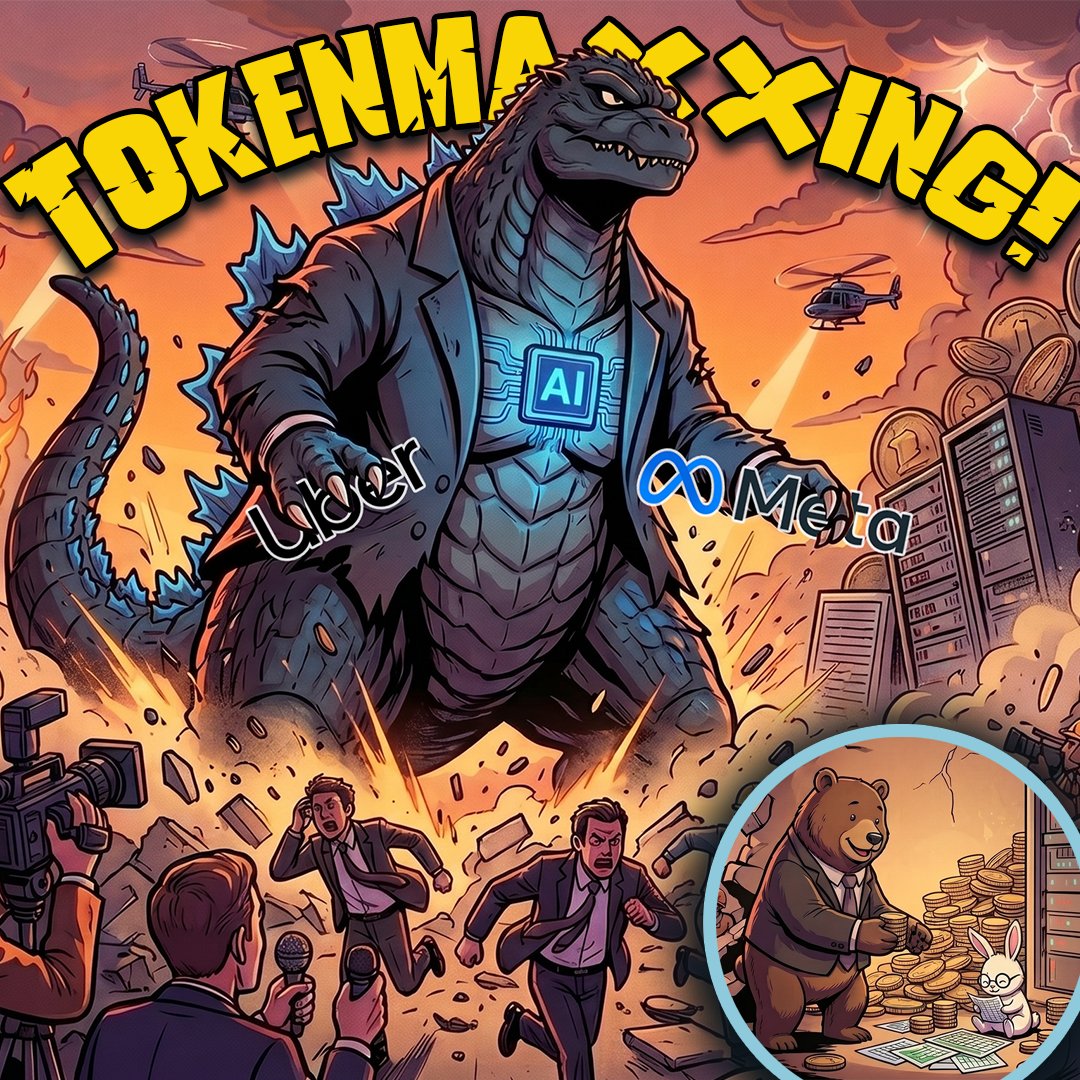
The tokenmaxxing headlines are real. They're just not representative of the whole truth.
After conversations with over 50 medium-to-large enterprises at a major AI summit and in direct research calls, one data point puts the entire narrative in context:
🦖 Top 1% of enterprise AI spenders: $90,000/year per employee
🐻 Top 10%: $7,300/year per employee
🐇 Median Fortune 500 employee: under $100/year
The Uber and Meta tokenmaxxing stories — the ones that generated panic about AI budgets spinning out of control — came from the 1% of organizations with the wrong incentive structures, not from a systemic enterprise spending problem. The median Fortune 500 employee is spending less on AI per year than a monthly gym membership.
The most mature organizations aren't the ones with the hardest caps. They're the ones that built governance into the stack before the CFO got involved. Switching the default model from Opus to Sonnet. Routing employees to the right capability tier for the right task. Soft limits with manager conversations instead of hard cutoffs. Budget allocation tied to project revenue rather than headcount.
These aren't exotic solutions. They're the operational discipline that separates organizations extracting real ROI from the ones generating headlines.
The AI train isn't slowing down — coding spend drove 70%+ of AI lab ARR in 1H26, and the next wave of agentic workloads is just beginning to penetrate the enterprise. The budget conversation isn't a ceiling. It's a maturity signal.
The enterprises building the governance layer now will have the most room to scale when the next wave hits. If you want to compare notes on how to build it, we'd be glad to help: https://t.co/7p00kMTYlS
Source: Ramp Economics Lab
#Anthropic #OpenAI #Uber #Meta #Databricks #ClaudeCode #TokenEconomics #AIInfrastructure #ThakiCloud
토큰맥싱(tokenmaxxing) 관련 헤드라인은 사실입니다. 단지 진실의 전부를 대변하지 않을 뿐입니다.
���요 AI 서밋과 개별 리서치 콜을 통해 중대형 기업 50곳 이상과 직접 대화한 결과, 전체 서사를 단번에 정리하는 데이터 포인트 하나가 나왔습니다:
🦖 기업 AI 지출 상위 1%: 직원 1인당 연간 $90,000
🐻 상위 10%: 직원 1인당 연간 $7,300
🐇 Fortune 500 중간값: 직원 1인당 연간 $100 미만
Uber와 Meta의 토큰맥싱 사태 — AI 예산이 통제 불능이라는 공포를 만들어낸 바로 그 이야기들 — 은 잘못된 인센티브 구조를 가진 상위 1% 조직에서 비롯된 것입니다. 기업 전반의 지출 문제가 아닙니다. Fortune 500 중간값 직원의 연간 AI 지출은 헬스장 월 회비보다 적습니다.
가장 성숙한 조직은 한도를 가장 엄격하게 적용하는 곳이 아닙니다. CFO가 개입하기 전에 거버넌스를 인프라 안에 구축한 곳입니다. 기본 모델을 Opus에서 Sonnet으로 전환하는 것. 직원을 적절한 모델 티어로 라우팅하는 기본값 설정. 강제 차단 대신 매니저 대화로 이어지는 소프트 한도. 헤드카운트가 아닌 프로젝트 매출에 연동된 예산 배분.
이것들은 특별한 해법이 아닙니다. ROI를 실현하는 조직과 헤드라인을 만드는 조직을 가르는 운영 규율입니다.
AI의 성장세는 꺾이지 않습니다. 코딩 지출이 2026년 상반기 AI 랩 ARR의 70% 이상을 견인했고, 에이전틱 워크플로우의 다음 물결은 이제 막 기업에 침투하기 시작��습니다. 예산 논의는 성장의 천장이 아닙니다. 성숙도의 신호입니다.
지금 거버넌스 레이어를 구축하는 기업이 다음 물결이 올 때 가장 넓은 확장 여지를 갖게 됩니다. 어떻게 구축할지 함께 이야기 나누고 싶으시다면 언제든 문의해 주세요: https://t.co/7p00kMTYlS
출처: Ramp Economics Lab
#Anthropic #OpenAI #Uber #Meta #Databricks #ClaudeCode #토큰경제 #기업AI #AI거버넌스 #AI전략 #LLMOps #AI인프라 #ThakiCloud
What this research really surfaces is that the tokenmaxxing problem was never a token problem — it was a governance problem. The organizations that avoided the headline blowouts weren't spending less on AI. They had built the observability and routing discipline before the CFO got involved. Soft limits, model defaults, spend attribution — these aren't restrictions on AI adoption. They're the conditions that make scaling AI sustainable.
The bifurcation point here is underappreciated. Meta's compute ambition is real and the SpaceX-type deal economics are compelling — but the customer that justifies $50B/GW revenue is a frontier AI lab, not an enterprise buyer. The market for 50-500 GPU deployments with governance, compliance, and full-stack platform requirements is a completely different motion. Everyone wants to be a neocloud. Very few are asking which neocloud serves which customer.
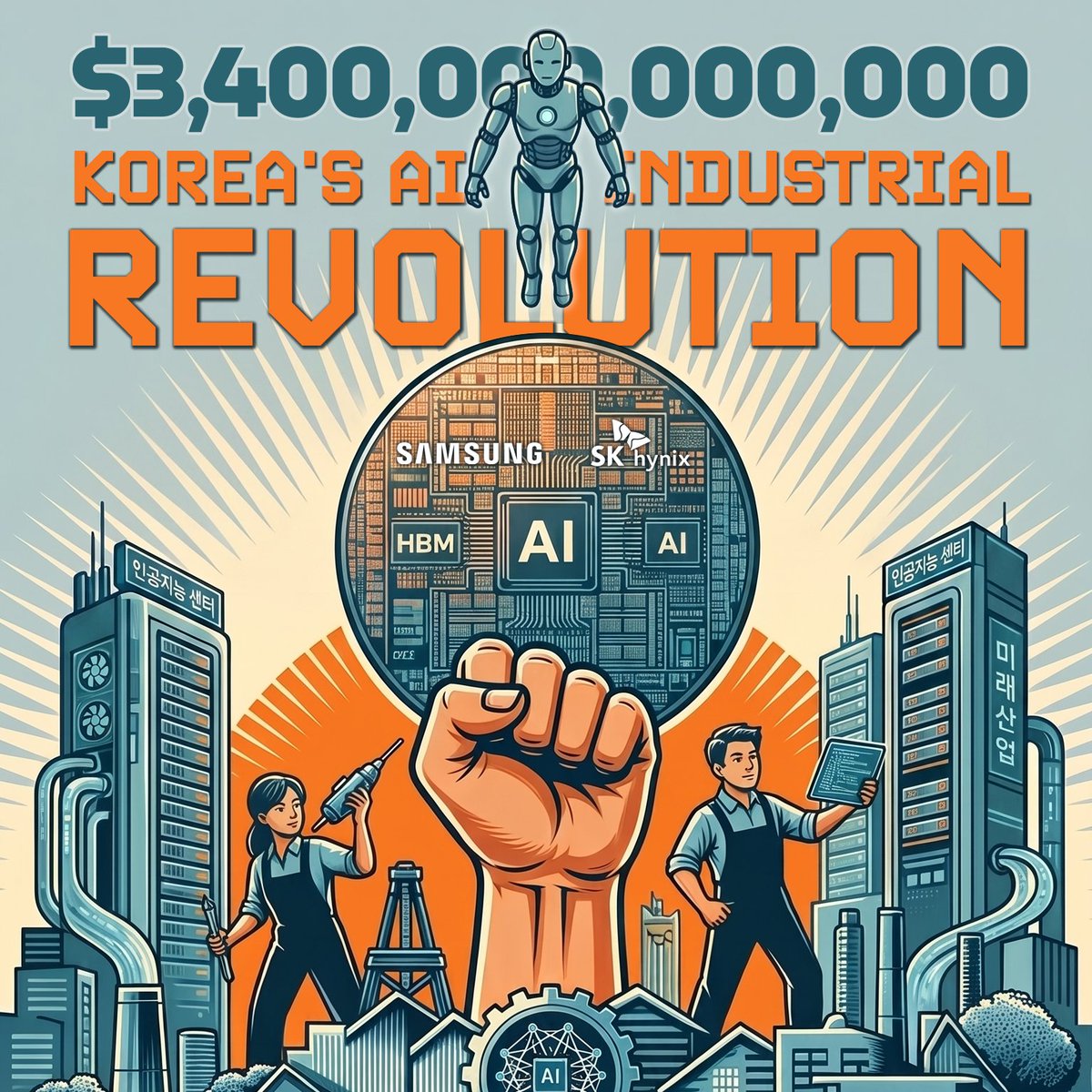
𝗞𝗼𝗿𝗲𝗮 𝗷𝘂𝘀𝘁 𝗮𝗻𝗻𝗼𝘂𝗻𝗰𝗲𝗱 𝘁𝗵𝗲 𝗹𝗮𝗿𝗴𝗲𝘀𝘁 𝗱𝗼𝗺𝗲𝘀𝘁𝗶𝗰 𝗔𝗜 𝗶𝗻𝗳𝗿𝗮𝘀𝘁𝗿𝘂𝗰𝘁𝘂𝗿𝗲 𝗰𝗼𝗺𝗺𝗶𝘁𝗺𝗲𝗻𝘁 𝗶𝗻 𝗶𝘁𝘀 𝗵𝗶𝘀𝘁𝗼𝗿𝘆.
Samsung and SK hynix pledged a combined 4,755 trillion KRW — roughly $3.4 trillion USD — in domestic investment over 10 years. The centerpiece: 800 trillion KRW in four new southwestern memory fabs, and SK's plan to build 15GW of AI data centers nationwide by 2035. The announcement was made directly to President Lee Jae-myung at a national mega-project briefing — framed explicitly as a "Korean-style AI industrial revolution."
The numbers are staggering. But the more interesting signal is structural. All three global HBM suppliers — SK hynix, Samsung, and Micron — have their 2026 output fully booked. The bottleneck is no longer capital. It's fab capacity. And when a memory manufacturer builds the data centers that consume its own HBM output, it's not just expanding supply — it's reclaiming bargaining power in a chain currently dominated by NVIDIA and the hyperscalers.
There's a counterargument worth taking seriously: 4,755 trillion KRW is a 10-year cumulative plan, not an annualized commitment. Memory is cyclical. Power and water infrastructure has to be delivered on time. And market prices are already running ahead of fundamentals — SK hynix briefly overtook Samsung in KOSPI market cap the day after the announcement.
But the direction is clear. As Korea builds AI hardware at national scale, the axis of competition shifts from "how much did you buy" to "how efficiently can you run it." The software layer that schedules, serves, and governs workloads across that hardware — that's where the value migrates next.
We wrote up the full analysis on our tech blog, including investment structure, HBM supercycle dynamics, policy context, and what it means for AI infrastructure operators.
👉 https://t.co/G1tXYDihmz
Questions about where your AI workloads fit into Korea's infrastructure buildout? Let's talk: [email protected]
#Samsung #SKHynix #HBM #NvidiaBlackwell #Micron #KoreaAI #SemiconductorAct #AIDataCenter #AIInfrastructure #EnterpriseAI #SovereignAI #ThakiCloud
삼성전자와 SK하이닉스가 향후 10년간 국내에 합산 4,755조 원을 투자한다고 발표했습니다.
핵심은 두 가지입니다. 서남권 메모리 팹 4기에 800조 원, 그리고 SK의 15GW AI 데이터센터에 1,000조 원. 이재명 대통령이 주재한 '대한민국 대도약, 3대 국가 메가 프로젝트 공개 브리핑'에서 이재용 삼성 회장과 최태원 SK 회장이 직접 발표한 수치입니다.
숫자도 놀랍지만, 더 중요한 신호는 구조적 변화입니다. SK하이닉스, 삼성, 마이크론 — 전 세계 HBM 공급사 3곳 모두의 2026년 생산량이 이미 완판됐습니다. 병목은 더 이상 자본이 아닙니다. 팹 생산 능력입니다. 메모리 제조사가 자사 HBM을 소비할 데이터센터까지 직접 구축한다는 건 단순한 공급 확대가 아니라, 현재 NVIDIA와 하이퍼스케일러가 장악한 협상력을 되찾겠다는 선언입니다.
물론 냉정하게 볼 필요도 있습니다. 4,755조 원은 10년 누적 계획이지 연간 확정 집행액이 아닙니다. 메모리 산업은 역사적으로 사이클이 급격합니다. 전력·용수 인프라가 제��� 공급되지 않으면 팹 일정이 밀립니다. 그리고 발표 다음 날 SK하이닉스가 KOSPI 시가총액에서 삼성전자를 잠시 추월했을 만큼 시장은 이미 기대를 선반영하고 있습니다.
하지만 방향은 분명합니다. 한국이 국가 차원에서 AI 하드웨어를 구축할수록, 경쟁의 축은 "얼마나 많이 샀느냐"에서 "얼마나 효율적으로 돌리느냐"로 이동합니다. 그 하드웨어 위에서 워크로드를 스케줄링하고, 서빙하고, 거버넌스하는 소프트웨어 레이어 — 그곳으로 가치가 이동합니다.
투자 구조, HBM 슈퍼사이클, 반도체특별법, 그리고 AI 인프라 운영자 관점의 시사점까지 전체 분석을 기술 블로그에 정리했습니다.
👉 https://t.co/G1tXYDihmz
한국의 AI 인프라 확장 속에서 자사 워크로드를 어떻게 포지셔닝할지 고민 중이시라면 언제든 문의해 주세요: [email protected]
#삼성전자 #SK하이닉스 #HBM #반도체특별법 #AI데이터센터 #국내투자 #AIInfrastructure #SovereignAI #ThakiCloud
오픈웨이트 모델이 프런티어와의 격차를 3~6개월 이내로 좁혔습니다. 그리고 그 격차는 더 이상 벌어지지 않고 있습니다.
GLM-5.2는 Artificial Analysis Intelligence Index 오픈웨이트 모델 1위, 클로즈드 모델 포함 전체 상위 4위에 올랐습니다. DeepSeek V4 Flash는 SWE-bench Verified 79.0% 점수를 기록하면서 입력 100만 토큰당 $0.14, 출력 $0.28에 제공됩니다. 이제 질문은 "성능이 충분한가?"가 아니라 "이 워크로드를 어디서, 얼마에 돌릴 것인가?"로 바뀌었습니다.
이 두 번째 질문이 생각보다 훨씬 어렵습니다. Self-hosting 경제학은 지속적으로 높은 처리량이 확보될 때만 작동합니다. GPU 가동률이 10%에 불과하다면, 토큰당 실제 비용은 프리미엄 프런티어 API보다 오히려 높아질 수 있습니다. 모델 가중치는 무료지만, 운영은 무료가 아닙니다. GPU 상각, 서�� 스택, 스케줄링, ���저버빌리티, 인력 비용을 합산하면 통상 하드웨어 비용의 3~5배에 달합니다.
이 전환을 잘 해내는 기업들은 단순히 가장 저렴한 모델을 고르는 것이 아닙니다. 손익분기점을 실현 가능하게 만드는 인프라 레이어를 구축합니다. GPU 유휴 시간을 최소화하는 스케줄링, 동일 하드웨어에서 더 많은 토큰을 뽑아내는 고처리량 서빙 엔진, 고정 비용을 여러 팀에 분산하는 멀티테넌트 아키텍처, 그리고 워크로드·비용·컴플라이언스 요건에 따라 모델 간 지능적으로 라우팅하는 에이전트 제어 플레인이 핵심입니다.
바로 이것이 Thaki Cloud가 해결하는 인프라 문제입니다. 베어메탈 GPU 클라우드부터 온프레미스 완전 격리 환경까지, 에이전트 전체 라이프사이클을 그 위에서 실행합니다.
전체 경제성 분석은 기술 블로그에 정리했습니다.
👉 https://t.co/WkwiZaBOJX
워크로드�� 어디서 돌릴지 고민 중이시라면 언제든 문의해 주세요. [email protected]
#DeepSeek #GLM52 #오픈웨이트AI #셀프호스팅 #LLMOps #기업AI #AI인프라 #모델라우팅 #프라이빗클라우드 #vLLM #ThakiCloud
𝗢𝗽𝗲𝗻-𝘄𝗲𝗶𝗴𝗵𝘁 𝗺𝗼𝗱𝗲𝗹𝘀 𝗮𝗿𝗲 𝗻𝗼𝘄 𝘄𝗶𝘁𝗵𝗶𝗻 𝟯-𝘁𝗼-𝟲 𝗺𝗼𝗻𝘁𝗵𝘀 𝗼𝗳 𝗳𝗿𝗼𝗻𝘁𝗶𝗲𝗿 𝗰𝗮𝗽𝗮𝗯𝗶𝗹𝗶𝘁𝘆 — 𝗮𝗻𝗱 𝘁𝗵𝗮𝘁 𝗴𝗮𝗽 𝗶𝘀 𝗻𝗼 𝗹𝗼𝗻𝗴𝗲𝗿 𝘄𝗶𝗱𝗲𝗻𝗶𝗻𝗴.
GLM-5.2 sits at #1 among open-weight models on the Artificial Analysis Intelligence Index — top-4 overall including closed models. DeepSeek V4 Flash scores 79.0% on SWE-bench Verified at $0.14/$0.28 per million tokens. MiniMax M3 brings native multimodal capability at a fraction of frontier API pricing. The question has stopped being "is it good enough?" and started being "where should this workload run, and at what total cost?"
That second question is harder than it looks. Self-hosting economics only work with sustained, high throughput. At 10% GPU utilization, your effective per-token cost can exceed what a premium frontier API charges. The model weights are free — the operations are not. GPU amortization, serving stack, scheduling, observability, and staff typically add a 3-5x multiplier on top of the raw hardware bill.
The enterprises getting this right aren't just picking the cheapest model. They're building the infrastructure layer that makes the break-even achievable — GPU scheduling that minimizes idle time, high-throughput serving engines that extract more tokens per dollar, multi-tenant architecture that spreads fixed costs across teams, and the agent control plane that routes intelligently across models based on workload, cost, and compliance requirements.
That's the infrastructure problem Thaki Cloud is built to solve — from bare metal GPU cloud to on-premises sovereign deployment, with the full agent lifecycle running on top. We wrote up the full economics analysis on our tech blog.
Read it here 👉 https://t.co/WkwiZaBOJX
Questions about where your workloads should run? Let's talk. [email protected]
#DeepSeek #GLM52 #MiniMax #NemotronUltra #OpenWeightAI #SelfHostingAI #LLMOps #EnterpriseAI #AIInfrastructure #ModelRouting #PrivateCloud #vLLM #ThakiCloud
"AI에 얼마든지 써도 된다"는 시대가 끝나가고 있습니다.
이제 중요한 건 기업의 인프라가 그 다음을 준비하고 있느냐 입니다.
한 스타트업 CEO가 최근 자사 AI 트래픽 100%를 Claude에서 DeepSeek으로 전환했습니다. 그의 말을 빌리자면: "비용 곡선이 바닥으로 곤두박질치는 게 눈에 보였습니다." 그는 여전히 AI에 인건비보다 더 많은 돈을 쓸 것으로 예상하지만 — 프론티어 모델 비용은 이미 생존의 문제가 되었습니다.
이런 사례는 빙산의 일각입니다. 현재 기업 AI 사용량의 약 95%가 여전히 프론티어 모델에서 실행되고 있다는 분석이 나옵니다. 한 애널리스트는 이를 "장기적으로 지속 불가능하다"고 지적했습니다. Anthropic과 OpenAI가 나란히 IPO를 비공개 신청한 지금, 프론티어 모델을 저렴하게 느끼게 했던 보조금 시대는 빠르게 압축되고 있습니다.
이 변화를 가장 잘 헤쳐나가는 기업들은 다음 가격 발표가 날 때 허겁지겁 벤더를 ��꾸는 곳이 아닙니다. 어떤 모델이 어떤 워크로드를 처리할지를 자신들이 통제하는 인프라 위에서 아키텍처적 선택으로 결정하는 곳입니다.
바로 이 간극을 메우기 위해 Thaki Cloud를 만들었습니다. Thaki Cloud는 수백 개의 분절된 서비스를 가진 하이퍼스케일러도 아니고, 컴퓨트에서 멈추는 베어메탈 GPU 벤더도 아닙니다. Thaki Cloud는 에이전트 전체 라이프사이클 — 오케스트레이션, 지식, 툴, 거버넌스 — 을 네오클라우드 GPU 인프라, 하이브리드 환경, 또는 완전한 에어갭 온프레미스 환경 어디서든 실행합니다. 하나의 플랫폼으로, 보안과 컴플라이언스 요구사항이 요구하는 모든 배포 모델을 지원합니다. 시장이 변할 때, 벤더의 일정이 아닌 기업 자체의 타임라인에 따라 움직일 수 있습니다.
2026년 하반기 AI 인프라 전략을 재검토하고 계시다면, 지금 바로 문의하세요. [email protected]
#Anthropic #OpenAI #DeepSeek #ClaudeCode #TokenEconomics #EnterpriseAI #AIInfrastructure #ModelRouting #PrivateCloud #AIStrategy #LLMOps #AIEconomics #ThakiCloud
𝗧𝗵𝗲 ��𝗿𝗮 𝗼𝗳 "𝘀𝗽𝗲𝗻𝗱 𝘄𝗵𝗮𝘁𝗲𝘃𝗲𝗿 𝗶𝘁 𝘁𝗮𝗸𝗲𝘀 𝗼𝗻 𝗔𝗜" 𝗶𝘀 𝗲𝗻𝗱𝗶𝗻𝗴.
The question is whether your infrastructure is ready for what comes next.
A startup CEO just switched 100% of his company's AI traffic from Claude to DeepSeek. His words: "you could see that cost curve go down, like, crash to the ground." He still expects to spend more on AI than payroll — but the frontier model bill was a matter of survival.
He's not alone. Analysts estimate roughly 95% of enterprise AI usage is still running on frontier models. One called that "untenable" long-term. With both Anthropic and OpenAI filing confidentially for IPO, the subsidy era that made frontier models feel affordable is compressing fast.
The enterprises navigating this best aren't scrambling to switch vendors when the next pricing announcement lands. They're the ones that built model routing into infrastructure they control — where the decision of which model runs which workload is an architectural choice, not a vendor default.
That's the gap we built Thaki Cloud to close. We're not a hyperscaler with hundreds of disconnected services, and we're not a bare-metal GPU vendor that stops at compute. Thaki delivers the full agent lifecycle — orchestration, knowledge, tools, governance — on neocloud GPU infrastructure, in a hybrid environment, or fully air-gapped on-prem. One platform, every deployment model your security and compliance requirements demand. When the market shifts, you move on your own timeline, not your vendor's.
If you're rethinking your AI infrastructure strategy for the second half of 2026, we'd be glad to compare notes. [email protected]
#Anthropic #OpenAI #DeepSeek #ClaudeCode #TokenEconomics #EnterpriseAI #AIInfrastructure #ModelRouting #PrivateCloud #AIStrategy #LLMOps #AIEconomics #ThakiCloud
𝗪𝗲 𝗵𝗮𝗱 𝗼𝗻𝗲 𝗱𝗮𝘆 𝘄𝗵𝗲𝗿𝗲 𝗮 𝘀𝗶𝗻𝗴𝗹𝗲 𝗮𝗴𝗲𝗻𝘁 𝗹𝗼𝗼𝗽 𝗴𝗲𝗻𝗲𝗿𝗮𝘁𝗲𝗱 𝗺𝗼𝗿𝗲 𝘁𝗵𝗮𝗻 𝟭,𝟭𝟬𝟬 𝗶𝘁𝗲𝗿𝗮𝘁𝗶𝗼𝗻𝘀 𝗮𝗻𝗱 𝗿𝗮𝗻 𝗳𝗼𝗿 𝗼𝘃𝗲𝗿 𝗻𝗶𝗻𝗲 𝗵𝗼𝘂𝗿𝘀. 𝗧𝗵𝗲 𝘁𝗼𝘁𝗮𝗹 𝗯𝗶𝗹𝗹: $𝟳𝟬𝟬.
The root cause wasn't a bad prompt. It was that we'd never designed the loop — we just let an agent run and assumed it would know when to stop. It didn't, because we hadn't told it how to.
Most teams are still in "prompt engineering" mode: get the wording right, hit run, hope for the best. But the moment an agent runs unattended and repeatedly, you're not writing a prompt anymore — you're designing a system that decides what happens next, every time, without you. We swiped through what we learned the expensive way: four things to design before you ever hit run, and the exact guardrails that took our loops from a liability to predictable infrastructure.
What's the most expensive lesson your team has learned from an unattended agent run?
read more: https://t.co/Q7db5QM5TV
#LoopEngineering #AgentLoops #ClaudeCode #LLMOps #AgentOps #TokenEconomics #AIEngineering #KubernetesAI #PromptEngineering #AICostOptimization #EnterpriseAI #AIStrategy #ThakiCloud