Muslim men of today do not seem to know what they want. We are stuck between “our women should stay at home and build our kids” and, in the same breath, we want them to be placed in positions of authority. These are, unfortunately, two parallel lines.
We cannot keep demanding two different versions of Muslim women depending on what we need from them. At home, we want the endlessly available wife and mother whose highest priority is the family. Outside the home, we suddenly want the highly educated woman, the executive, the entrepreneur, the professional, the woman capable of navigating institutions and carrying serious responsibility. Then we act surprised when she cannot simultaneously give each of these roles the entirety of herself.
There is nothing wrong with a woman being a mother, wife, scholar, entrepreneur or professional but we pretend all these responsibilities require nothing from her. Every serious role costs something. Leadership requires time. Motherhood requires time. Marriage requires time. Building a business requires time. Scholarship requires time. We should stop speaking as though a woman can be expected to give her absolute best to every sphere simultaneously without trade-offs.
If you believe your wife should devote herself primarily to raising your children and building the home, do not turn around and complain that Muslim women are absent from positions of influence. You cannot demand the product while dismissing the process that produces it.
Likewise, if you want Muslim women to become doctors, academics, entrepreneurs, executives, policymakers and leaders, then you must accept that some of them will have ambitions, responsibilities and commitments beyond the four walls of your home. You cannot applaud a Muslim woman when her competence benefits the Ummah and condemn that same competence when it makes demands on your own expectations of her.
Caution should also be given to Muslim women against accepting the premise that their worth is proven only when they occupy corporate offices or positions of authority. That is merely another form of reduction. A woman does not become more valuable because she becomes an executive, nor does she become less valuable because she chooses motherhood as the centre of her life.
What we need is not a Muslim woman who fits whatever role modern society or Muslim men happen to demand from her. We need a Muslim woman who is educated, grounded, competent and conscious of Allah, with the freedom and wisdom to know where her abilities are most needed at different stages of her life.
Before we start asking why Muslim women are not in more positions of authority, we should ask ourselves if we have we actually built families, marriages and communities that make it possible for women to exercise that authority without making them pay for it twice.
Because you cannot ask a woman to build the home, raise the children, support the husband, preserve the family, pursue education, build a career, lead institutions and serve the Ummah, then call her deficient when she inevitably has to choose where to spend her finite time and energy.
We need clarity. May Allãh grant us one.
Dr Sharafudeen Gbadebo Raji comments on the efforts of the Maliki Scholars in establishing thein Balanced Aqeedah International Islamic University Conference Libya
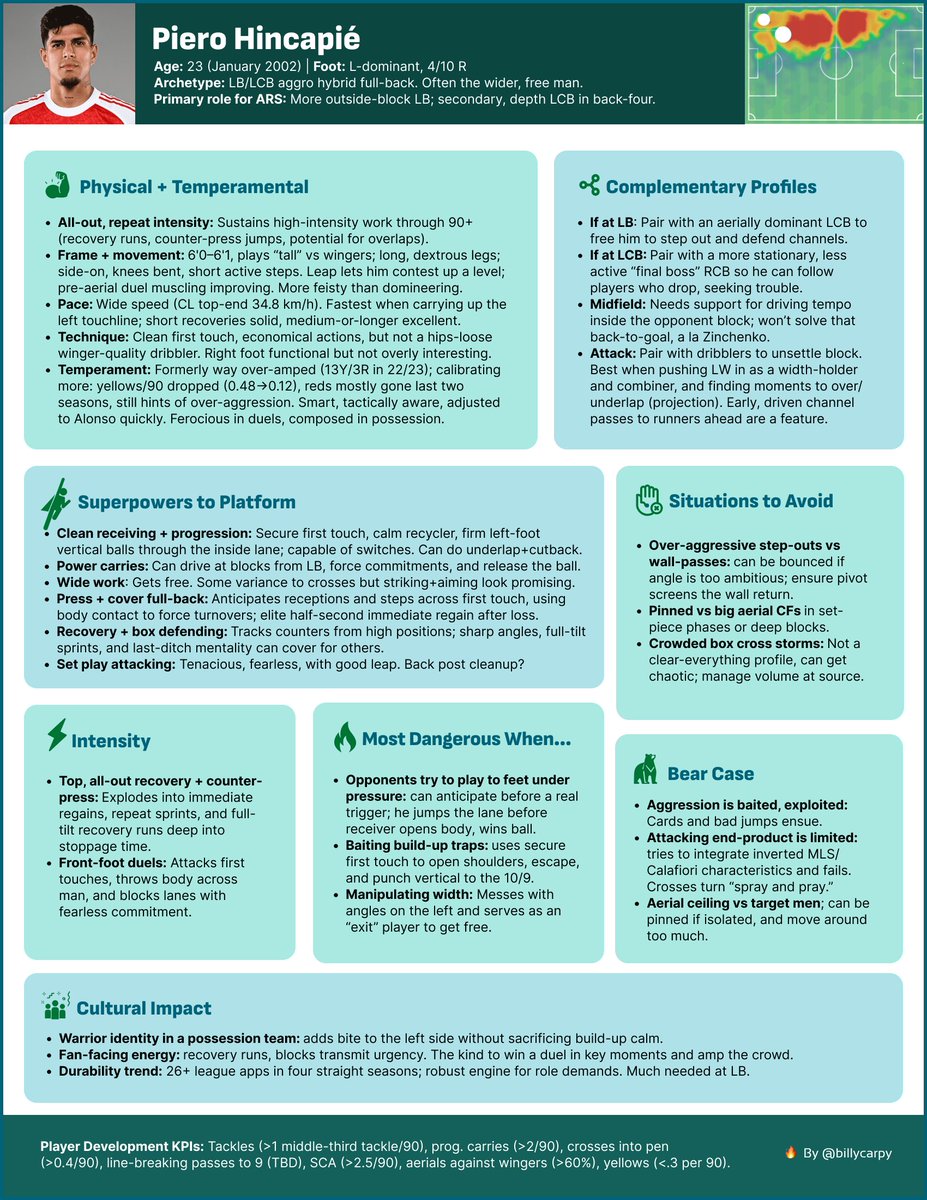
I've been experimenting with one-pagers to condense my longer scouting reports into key insights for coaches. Basically: how to set a player up for success.
Here’s a draft for Piero Hincapié, whose time is near.
⚖️ Halal, Haram, Wajib, Makruh… we hear these terms quite often. But where do they actually come from, and what gives them weight?
📚 The answer lies in Usul al-Fiqh. Get started with this science through this explanation of Mabadi al-Usul by Ibn Badis: https://t.co/neYM7Ka8ld
🎓 Looking for a more structured study of Fiqh and other Islamic sciences? Begin your journey of serious studies today: https://t.co/TSPcajC3ZO
📢 Dawrah ʿIlmiyyah in London – September 2025 ✨
This September in West London, the Book of Allah and the knowledge of the Prophet’s ﷺ heirs take centre stage.
Join Ustadh Abdulrahman Hassan at Darussalam Masjid for a 5-day Dawrah ʿIlmiyyah, studying two treasures of Islamic scholarship:
📖 Imam Ibn Rajab’s Tafseer of Surah An-Nasr – a farewell Surah revealed at the height of victory, teaching humility, gratitude, and repentance.
📖 Imam As-Sa’di’s Treatise on Unity – guidance on why unity is an obligation, the dangers of division, and how the Ummah’s dignity depends on it.
📍 Darussalam Masjid, West London
📅 6th – 10th September 2025
🌙 Five days dedicated to Qur’an, classical works, and lessons for our time.
Race towards this Khayr! Register now at: https://t.co/LMN862eFvV
1] As the dusk settles on the penultimate day of the 7th Annual National Knowledge Conference 2025, we extend our heartfelt gratitude to the esteemed scholars — Sh Farhan ash-Shammari, Sh Dawud al-Asoosi, and Sh AbdulHaq at-Turkmani — for honouring us with their presence.
🎬 Seeking Islamic knowledge isn’t like watching Netflix. You can’t binge it. It has stages.
More than hype, being a student of knowledge needs structure and a clear plan.
📜 In this video, Ustadh Abdulrahman Hassan lays out the blueprint every aspiring student needs to get started: https://t.co/YNYXqxQLOP
✒️ If you’re serious about becoming a student of knowledge, this is where to begin: https://t.co/TSPcajCBPm
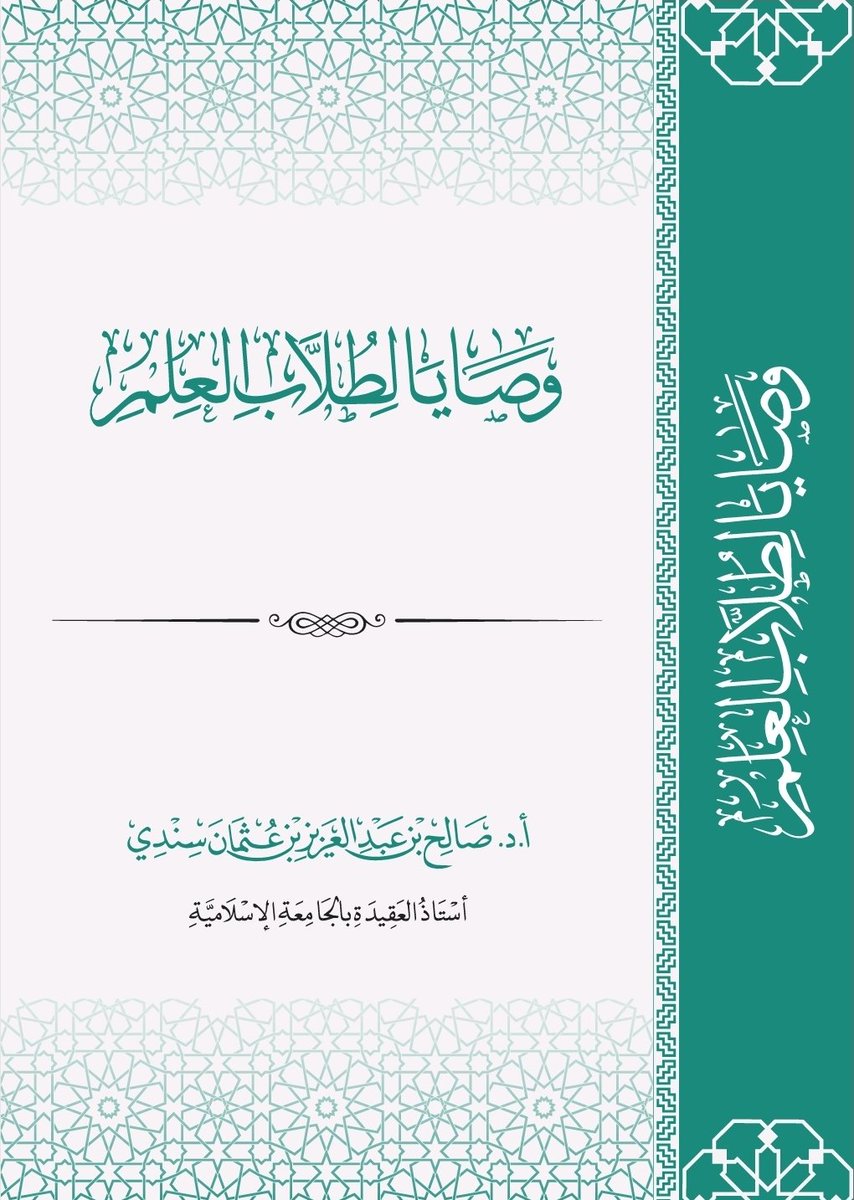
💡 وصايا لطلاب العلم
كلمة للشيخ أ.د. #صالح_سندي.
🔷️ رابط التحميل من برنامج التيلجرام:
https://t.co/kt4bv6BiHD
🔶️ رابط التحميل من Drive:
https://t.co/ztdXHrvf62
📣 #𝐍𝐄𝐖 𝐔��𝐂𝐎𝐌𝐈𝐍𝐆 𝐋𝐄𝐂𝐓𝐔𝐑𝐄!
The fifth lecture in the series “Series of Tasfiyah & Tarbiyah — With Mashāyikh from Around the World” will take place on Saturday, 23rd August at 5:15pm at Masjid Daar Al-Hadeeth.
The lecture, titled “The Necessity of Cooperation in Righteousness & Piety”, will be delivered by Shaykh Muhammad al-Maliki (may Allah preserve him).
📱 X: https://t.co/jmRBJ8S87r
ا═•═🕌═•═ا
Masjid Daar Al-Hadeeth
96B Lower Clapton Road, Hackney, E5 0QR
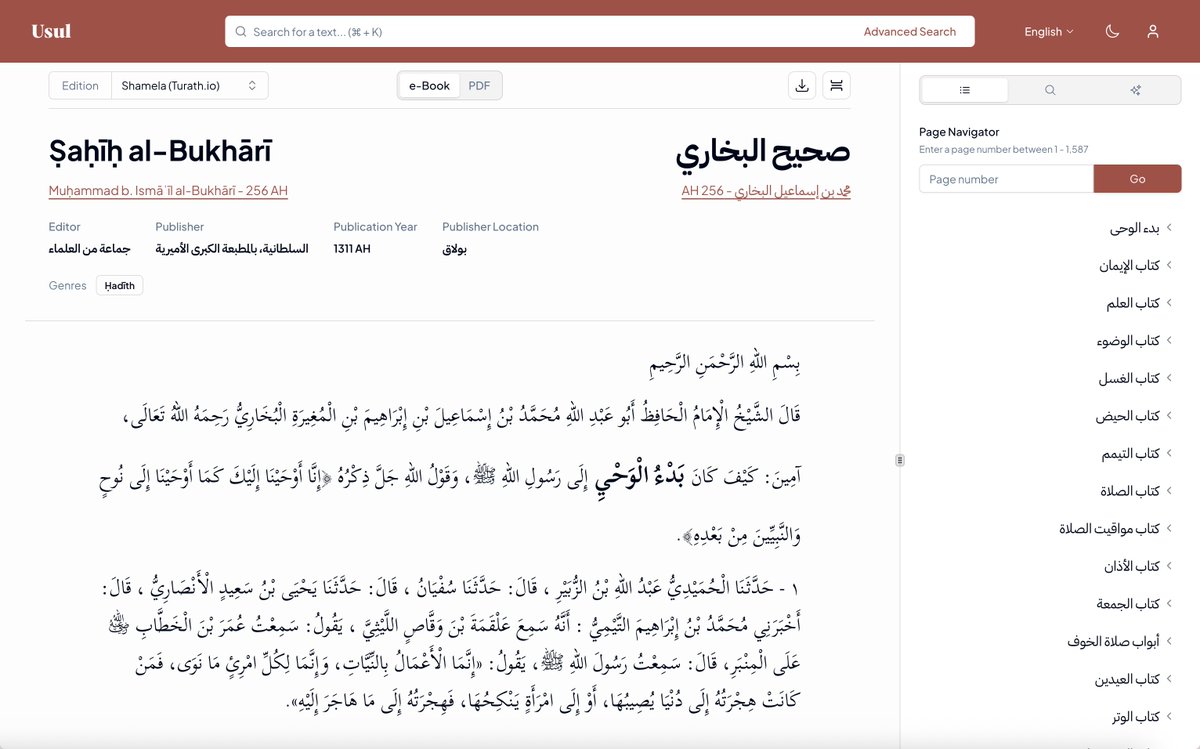
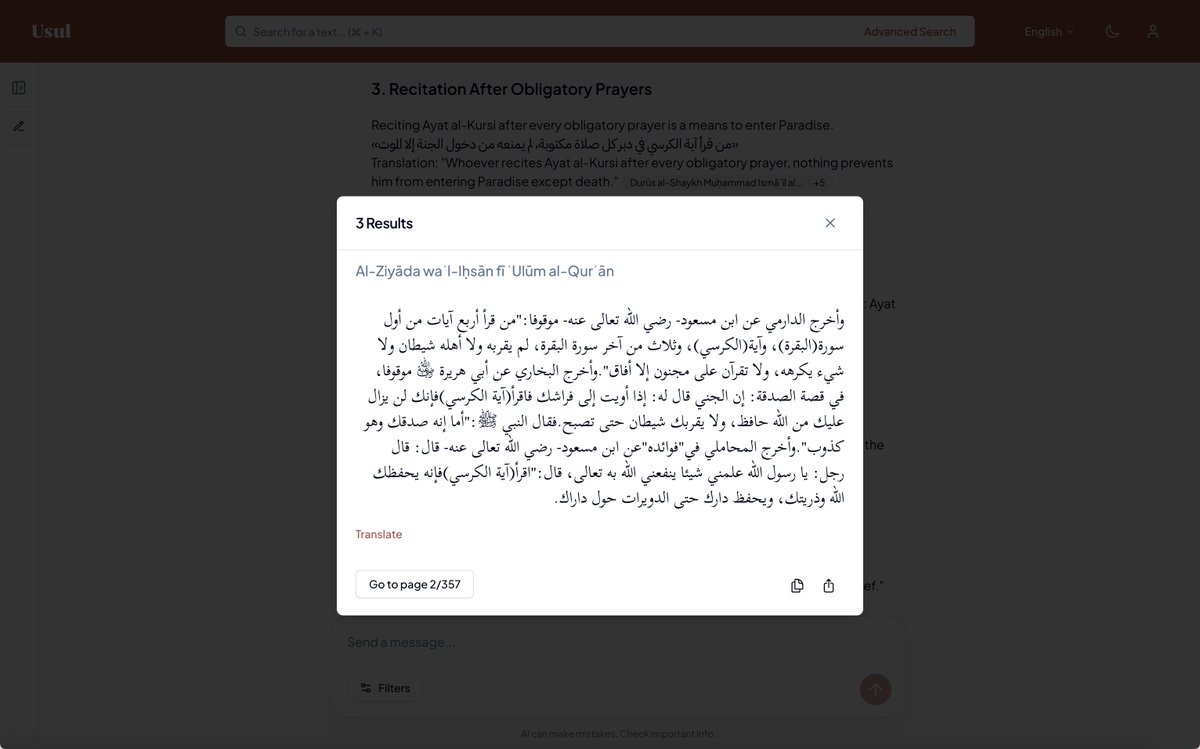
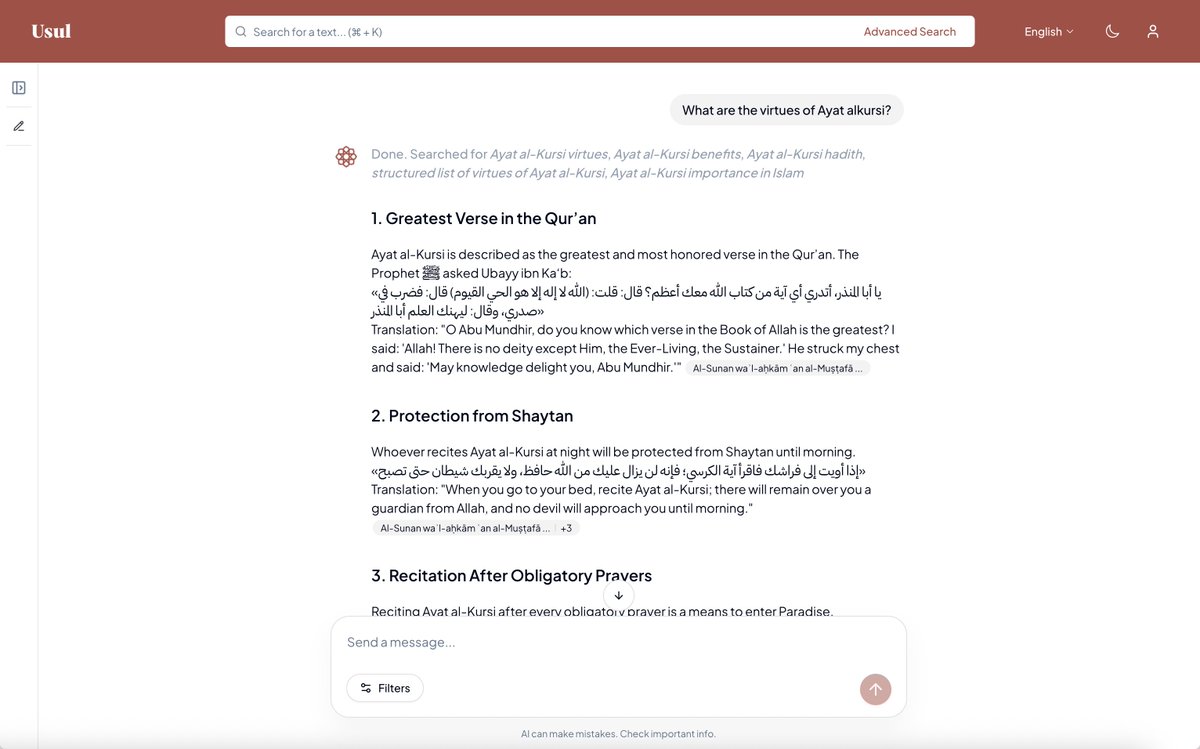
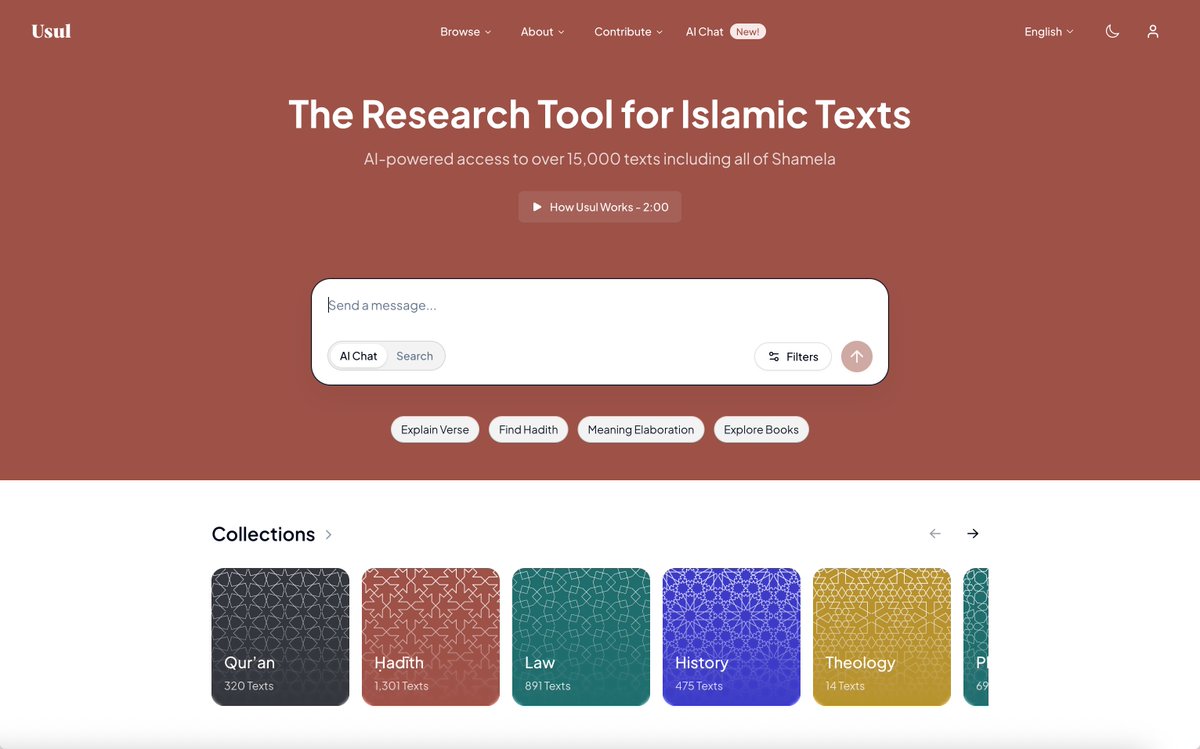
Introducing Usul AI: the world’s first AI search-engine grounded in 15,000 Islamic texts.
We built it so that the answers are based on inspectable citations with close to no hallucinations.
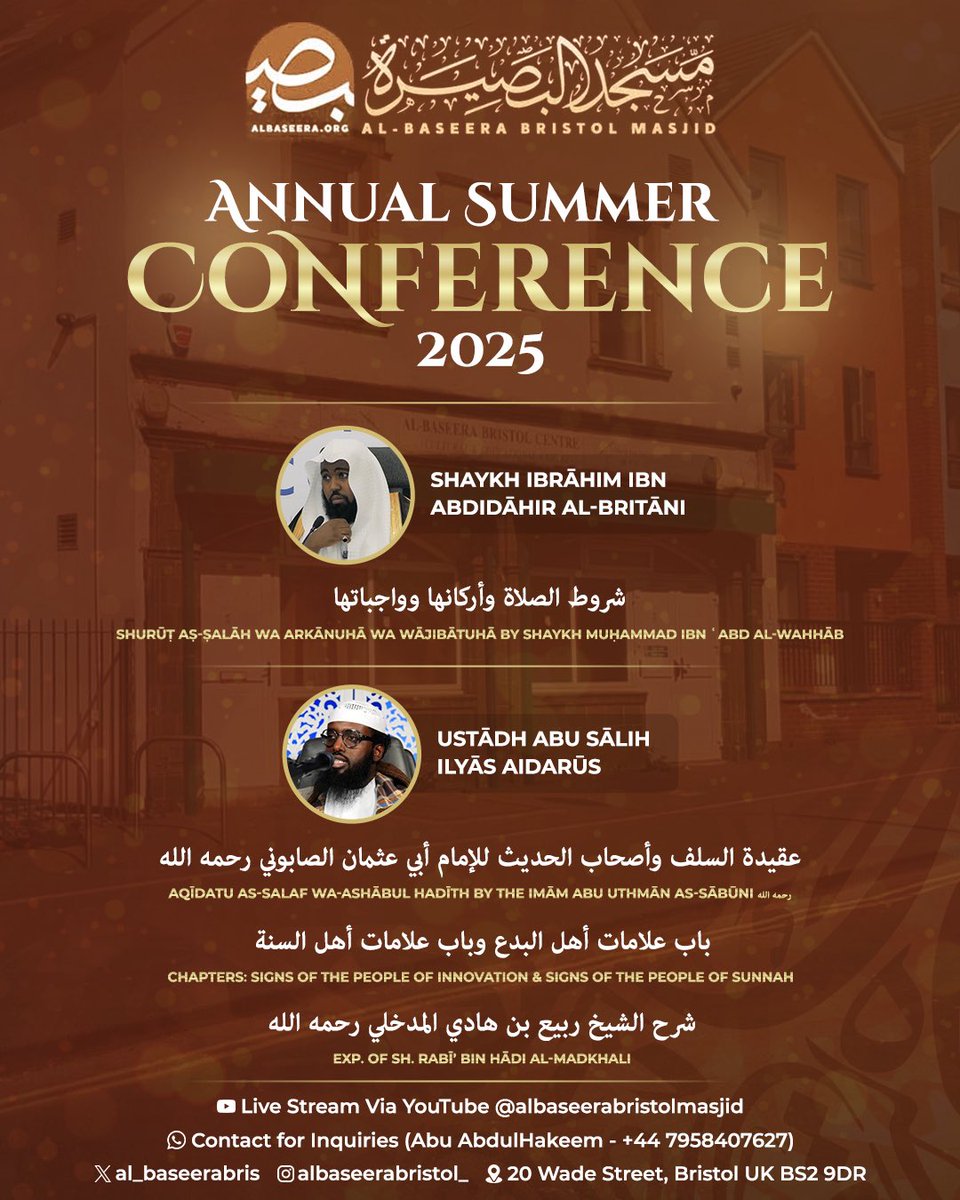
I will be participating in the upcoming Summer Conference @ @al_baseerabris this upcoming week end.
I will be going over two very important chapters from the classical work by the illustrious Imām Abu ‘Uthmān as-Sābūni رحمه الله d. 449H.
‘Aqīdatu Salaf Ashābul Hadīth
Chapters:
- Signs of the People of Innovation
- Signs of the People of Sunnah
I will be deriving some benefits from the explanation of our Shaykh Rabī’ bin Hādi al-Madkhali رحمه الله رحمة واسعة
نسأل الله التوفيق والسّداد
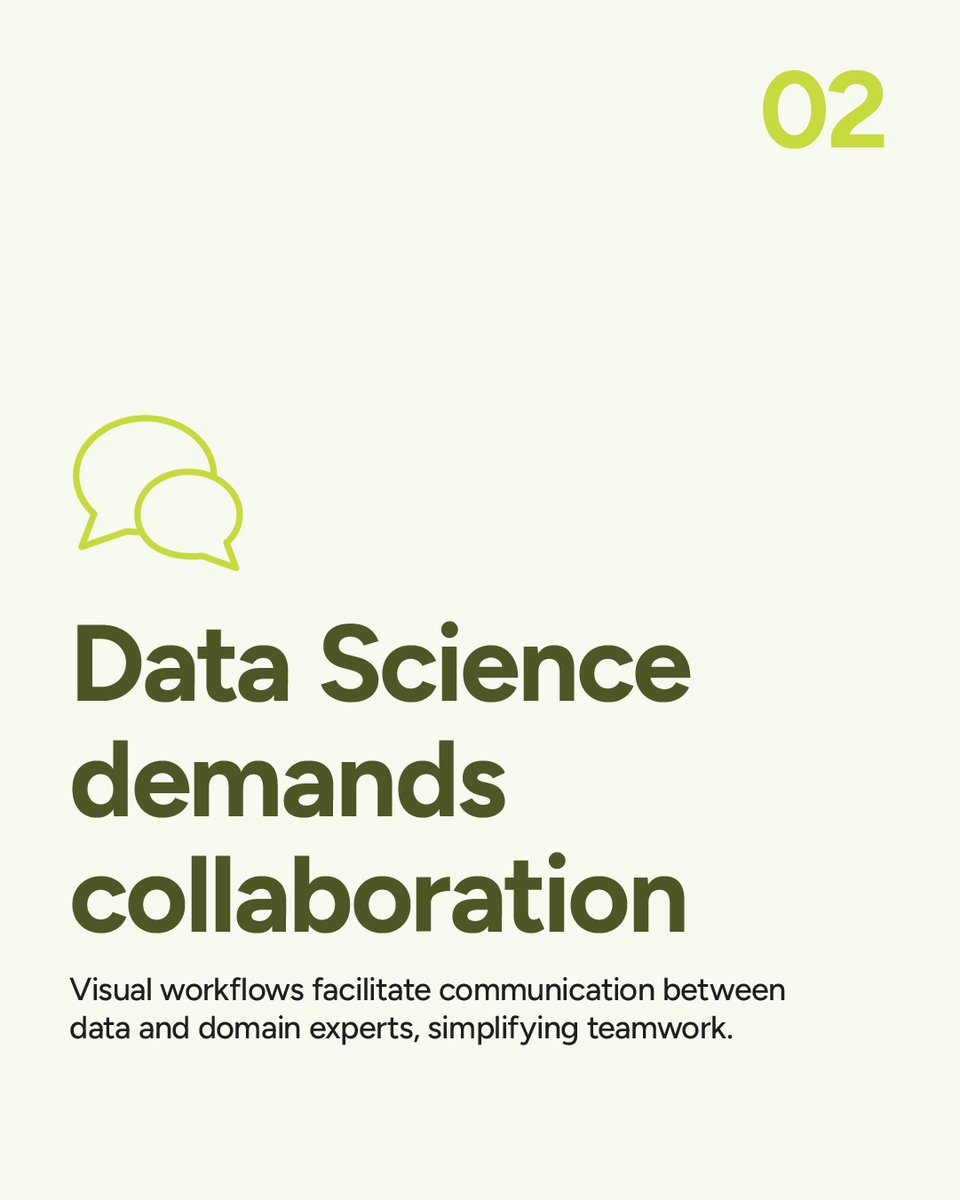
KNIME lets you build visual workflows for end-to-end data science — from prep and blend, to modeling, visualization, and deployment.
👉 Ready to do your best data work? Learn more: https://t.co/ZxeWeLEmke
Yorubas call marriage "Oja okunkun" / "late night market"
It's that market where you don't get to realize the reality of the good you purchase until you get home. Then, clarity sets in (you can call it dopamine crash)
It's Oja okunkun because your reasoning is beclouded by


![SunnahMasjid's tweet photo. 1] As the dusk settles on the penultimate day of the 7th Annual National Knowledge Conference 2025, we extend our heartfelt gratitude to the esteemed scholars — Sh Farhan ash-Shammari, Sh Dawud al-Asoosi, and Sh AbdulHaq at-Turkmani — for honouring us with their presence. https://t.co/8SgtAbR6jm](https://pbs.twimg.com/media/GzOUaPnXgAEXxOT.jpg)
![SunnahMasjid's tweet photo. 1] As the dusk settles on the penultimate day of the 7th Annual National Knowledge Conference 2025, we extend our heartfelt gratitude to the esteemed scholars — Sh Farhan ash-Shammari, Sh Dawud al-Asoosi, and Sh AbdulHaq at-Turkmani — for honouring us with their presence. https://t.co/8SgtAbR6jm](https://pbs.twimg.com/media/GzOUaN_XcAEjvcP.jpg)














![SunnahMasjid's tweet photo. 1] As the dusk settles on the penultimate day of the 7th Annual National Knowledge Conference 2025, we extend our heartfelt gratitude to the esteemed scholars — Sh Farhan ash-Shammari, Sh Dawud al-Asoosi, and Sh AbdulHaq at-Turkmani — for honouring us with their presence. https://t.co/8SgtAbR6jm](https://pbs.twimg.com/media/GzOUaS7WYAAGK5N.jpg)