The great thing about peeling back the layers on a classic course are the things you uncover in the process.
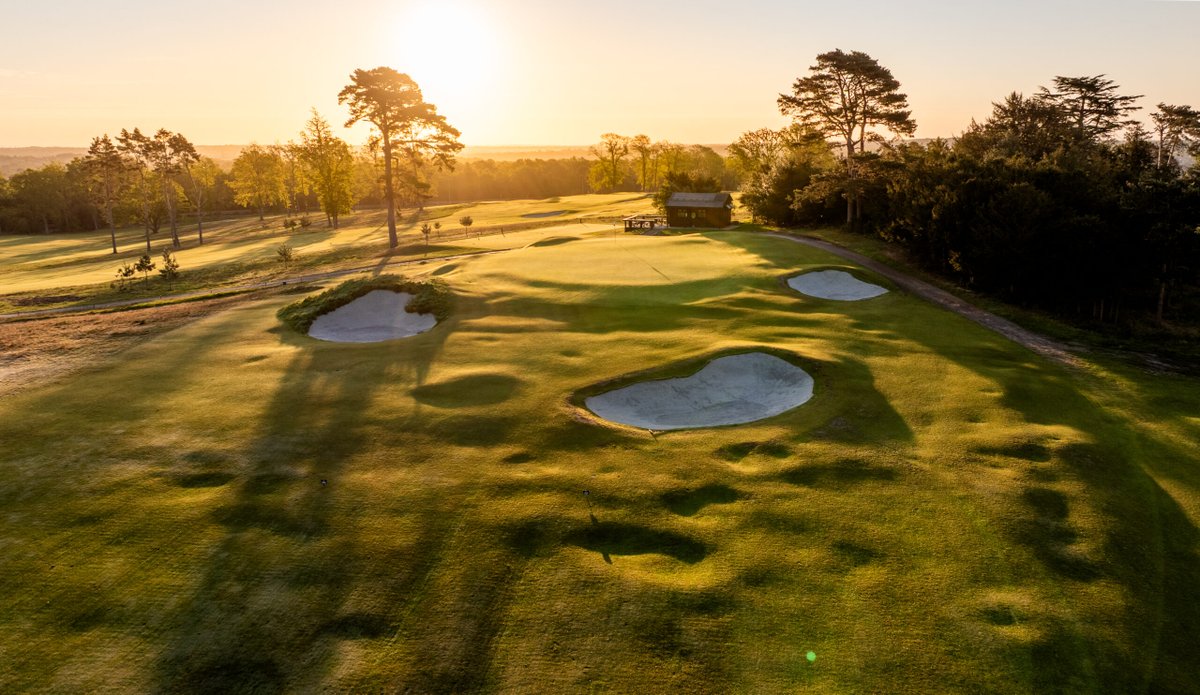
Endless shot types with the mounding and the short grass surrounds, you could spend all day chipping around the green!
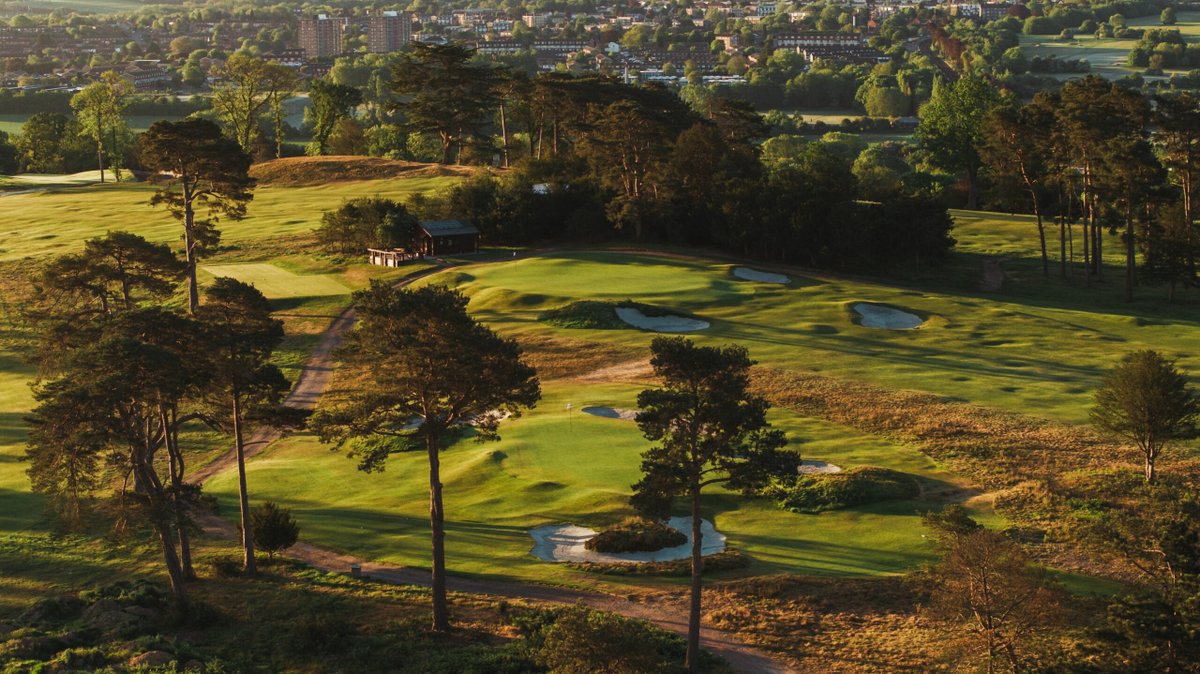
We don't have many bunkers here, and that's intentional.
The land Abercromby and Colt laid our course over is one of the most interesting in golf, so bunkers are used sparingly. The ground itself creates its own strategy and danger.
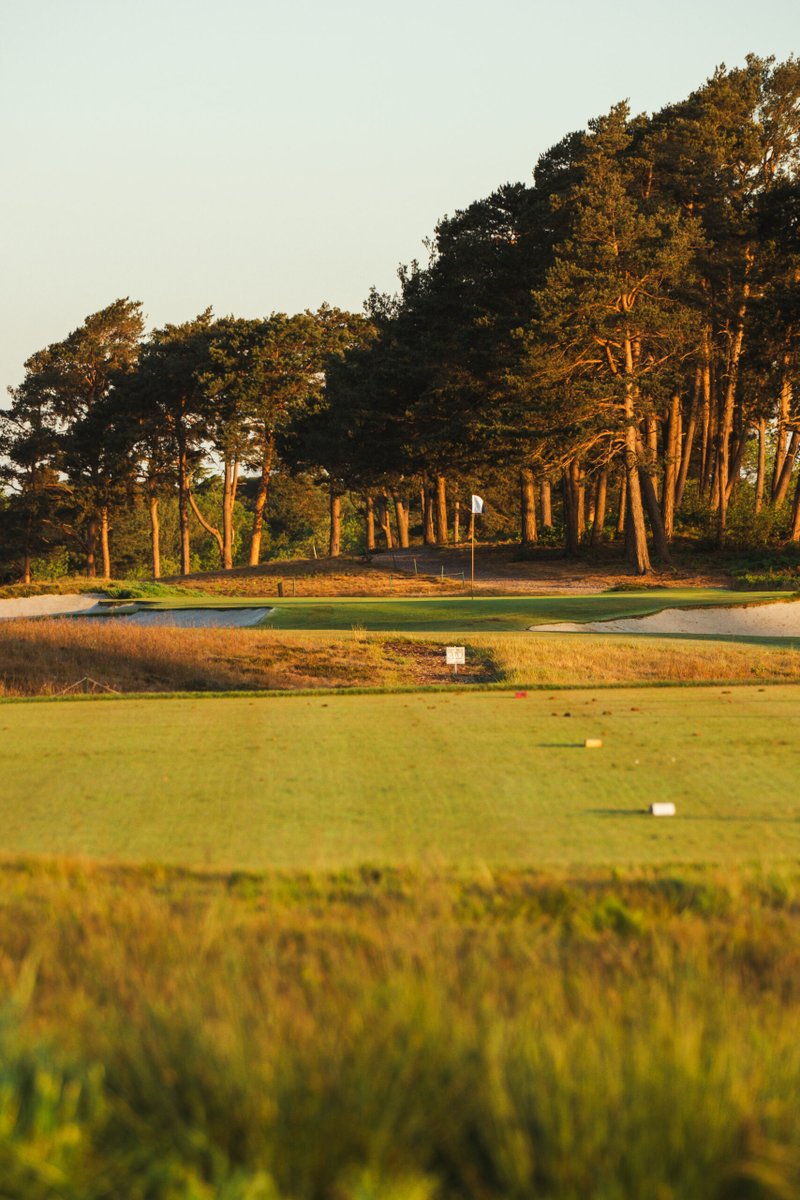
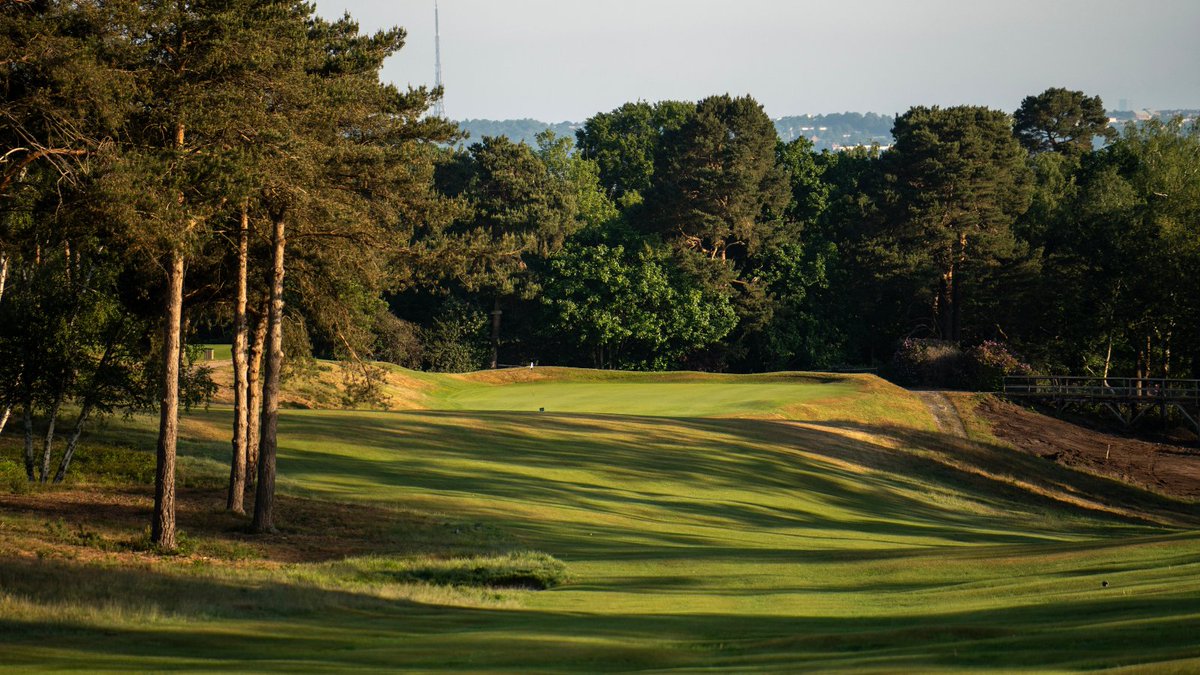
Short grass does two things to the tee shots on the par 3 17th.
First, it accelerates off-line tee shots away from the pin or towards bunkers. Then, the short grass presents a myriad of options for the chip, with every club in the bag a possibility.
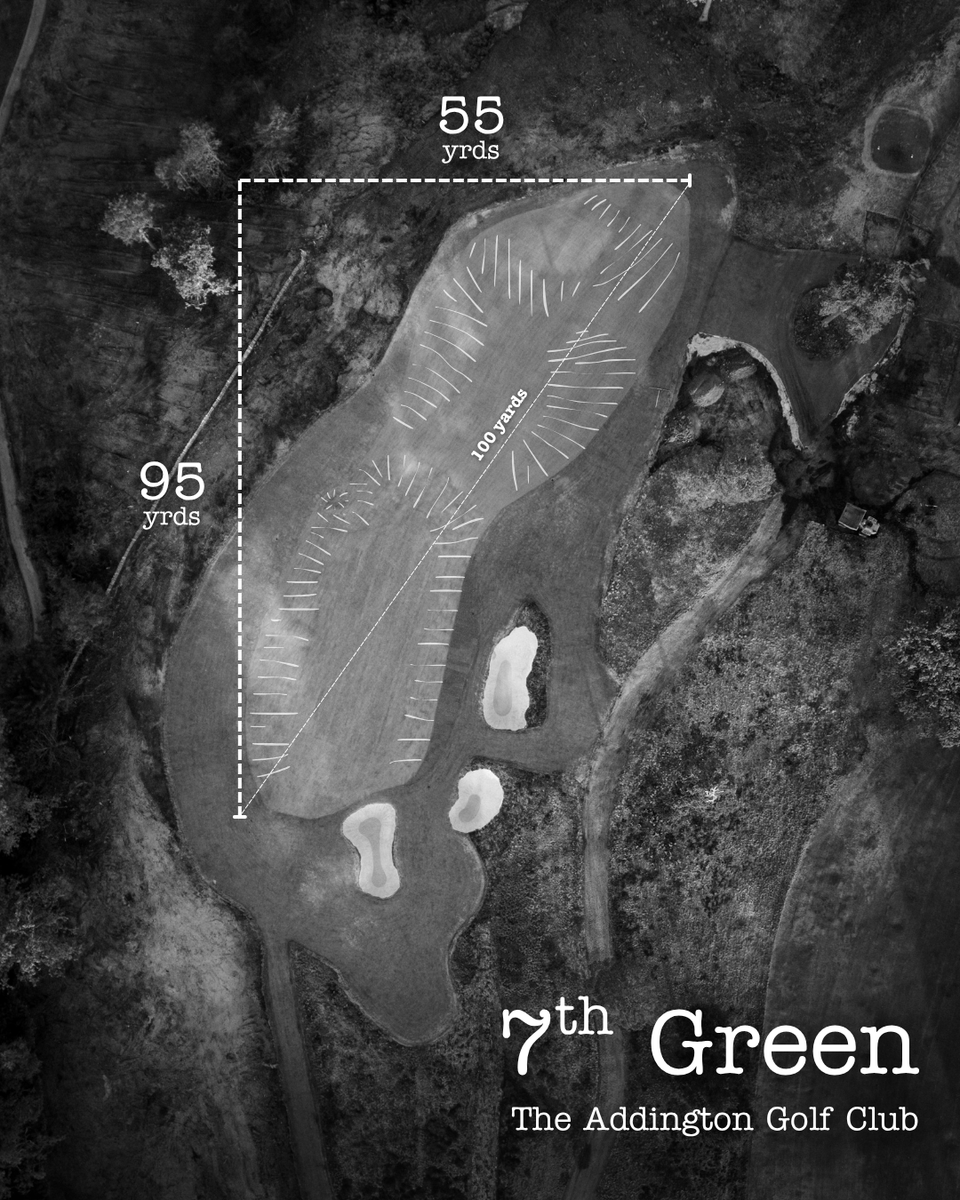
First season of the restored 7th green is in the books, and it's been brilliant.
90 yards between front and back pins, and a huge spectrum of scores recorded on a hole we'll never tire of playing, or watching.
This is the first time I’ve played The Addington in South London since the restoration project and it’s a perfect example of how to make a short course challenging without tree lined fairways and long rough.
The new green complexes are spectacular. In particular, the par 3 7th hole on the front 9, which is a wedge to a front flag and a 6/5 iron to the back, had huge contours surrounding the green. It offers a completely different challenge depending on where they put the flag.
We had a pretty clear day and could see the London skyline from a bunch of holes due to the tree removal too. Even at just over 6000 yards, I don’t think I’d ever get bored of playing here and I can’t wait to see what it’s like when the new areas of heather have matured.
Congrats to @mikeclaytongolf and the team at @TheAddingtonGC on what they’ve achieved there and thanks to @EvinPriest for the invite to play. I was really impressed 👏
While the 7th hole opened in May, there's still work to be done to complete the surrounding areas.
Course Manager Jonathon Taylor explains what's next.
Today, we celebrate our dream team.
They don't just maintain the course for daily play - they're doing it while carrying out restoration work at the same time. It's a lot to have on their plate, and they handle it superbly.
#ThankAGreenkeeper Day
The 11th is simple on paper, but can be made endlessly complicated depending on where the pin sits and how many pints of Guinness you've consumed in the hut.
The restored 7th green isn't just a talking point, it's a target that demands genuine thought and strategy when the pin sits in the back half, as Frank Pont from @cdpgolf1 explains.
2026 marks 100 years since one of the most significant seasons in golfing history, and our latest episode takes a deep dive into not just the 1926 Open at Lytham, but the entire British golfing calendar of that pivotal year.
Richard Fisher (@Richard08156270) rejoins the podcast for what we genuinely think is one of our best episodes yet.
His depth of knowledge on the subject is extraordinary, and we'd comfortably call this a must-listen for anyone with an interest in our game's history.
🎧 https://t.co/pm6hV6QDqw
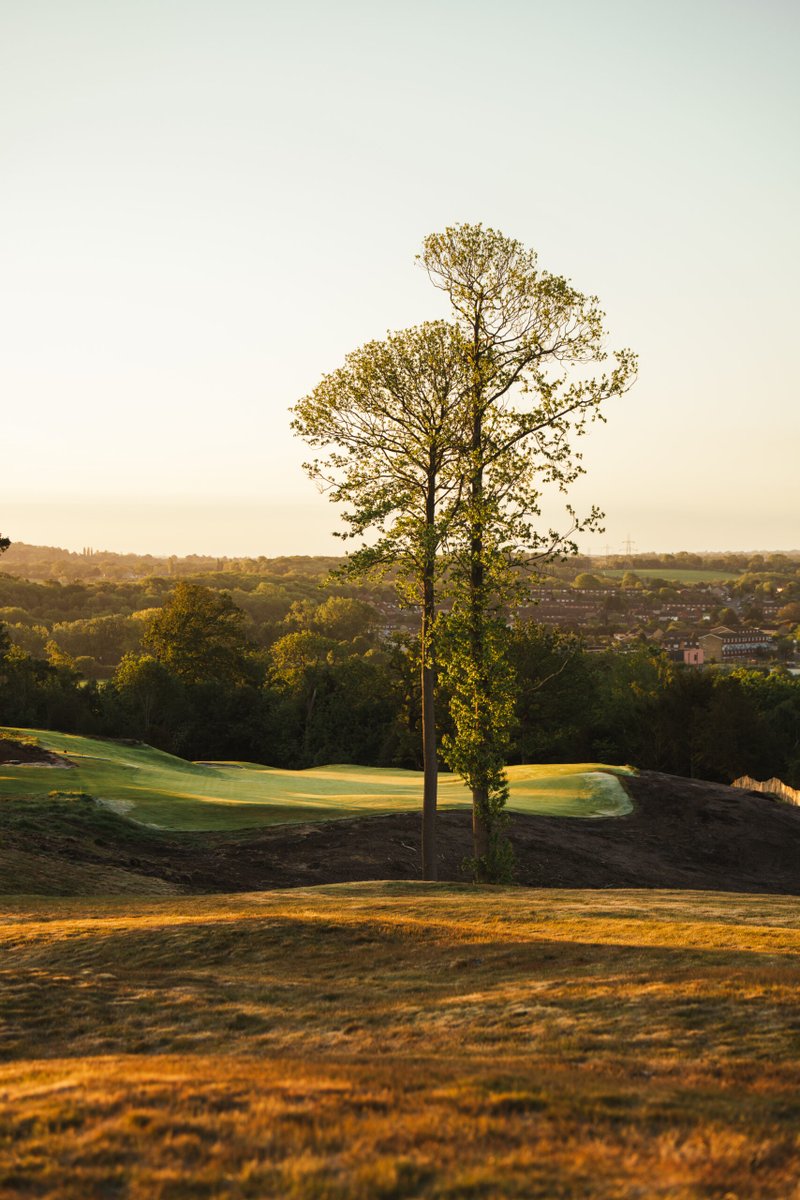
The 16th is a cascading tee shot overlooking London, but the fun of the approach is often overlooked.
The semi-blindness makes golfers uncomfortable and draws the eye to the huge hollow on the right. A great example of the danger being visible and the ideal line being obscured.
Sunrises here have never been better.
Tree removal ensures light fills the course from dawn to dusk, benefiting not just the aesthetics, but agronomy and playability as well.
Abercromby was known for his sparing use of bunkers that he added over several years of watching people play the course.
We only have 37 of them. Enough to invoke strategy into approach shots, but few enough to create a variety of options across when missing a green.