"The International League Against Epilepsy classifies hippocampal sclerosis (HS) on the basis of the degree of neuronal loss affecting hippocampal subfields. This study evaluates the utility of high-resolution MRI for preoperative prediction of HS subtypes to aid in surgical decision-making."
"Successful Streamlined Photon-Counting CT Myelography Protocol for Detection of CSF-Venous Fistulas in Busy Practice Settings"
https://t.co/0UANLVN3bi
@FidesSchwartz
"CSF leaks are difficult to detect with energy-integrating CT myelography due to its limited spatial resolution. This study developed a streamlined protocol for entire-spine evaluation for CSF leaks in patients with spontaneous intracranial hypotension using photon-counting CT (PCCT)."
Check #AJNR Fellows’ Journal Choice of the month: ‘Predictive Factors for Traumatic Intraparenchymal Hemorrhage Expansion and Its Clinical Outcomes’
This retrospective study investigated predictors of intraparenchymal hemorrhage (IPH) enlargement following traumatic brain injury to identify patients who may benefit from routine follow-up CT. IPH enlargement occurred in 30% of cases and was independently associated with a larger initial hematoma and concomitant subarachnoid hemorrhage. Hematoma expansion was also associated with increased rates of intensive care admission, surgical intervention, and mortality. Conversely, small, isolated IPHs (≤5 mm) neither enlarged nor required intervention, suggesting that routine follow-up CT may be unnecessary in this low-risk group. These findings support a selective imaging strategy that could reduce radiation exposure and health care costs while improving hospital efficiency without compromising patient safety.
https://t.co/ipAp1saD3u
#neuroscience #neuroradiology #IPH #radiology #medschool #medstudent
The AJNR is now accepting Associate Section Editor applications for the AJNR Case Collection!
Applications will be accepted until September 10th, 2026.
Please see our website (link in the comments) for more info!
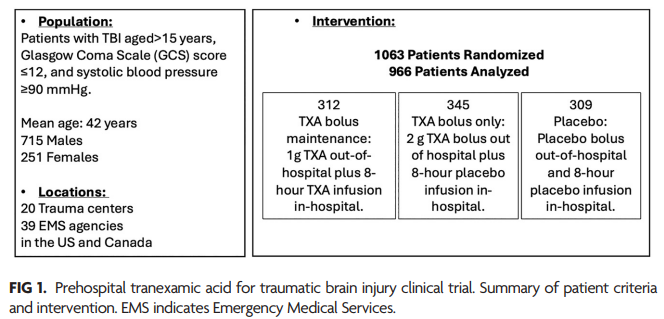
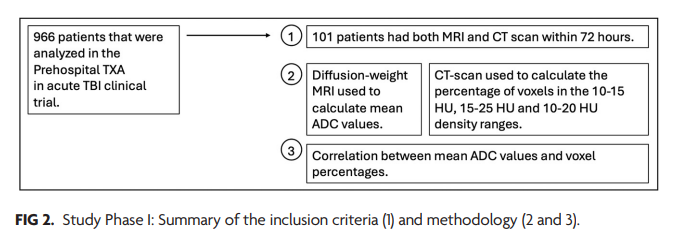
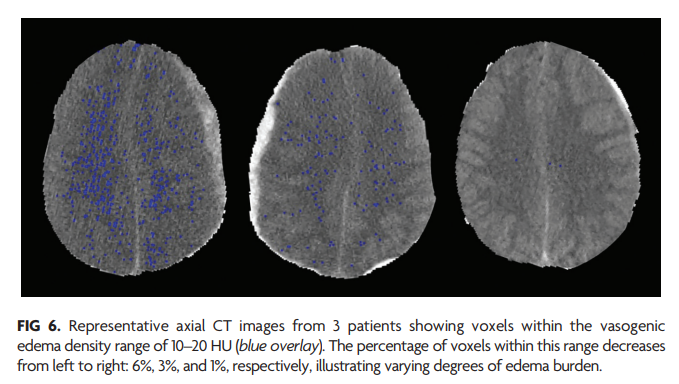
"CT-Based Assessment of Brain Edema May Predict Which Patients with Traumatic Brain Injury May Benefit from Tranexamic Acid"
https://t.co/tNKYSbH575
@theAJNR_EIC
"Tranexamic acid (TXA) may reduce progression of vasogenic edema in traumatic brain injury (TBI), potentially providing a survival benefit in specific patients. This study evaluates a CT-based quantitative imaging tool for identifying patients with acute TBI who may benefit from prehospital TXA."
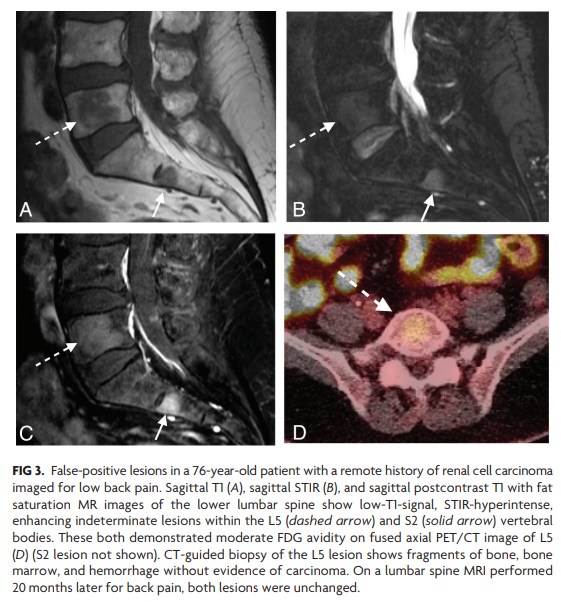
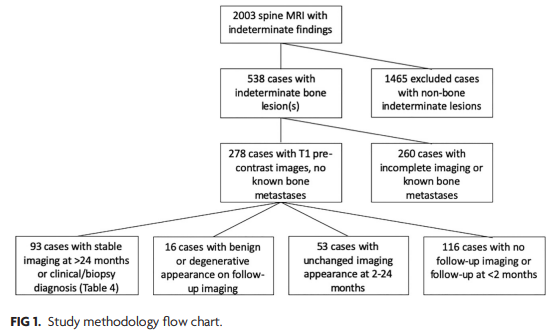
"T1-hypointense bone lesions are commonly encountered on spine MRI and lack consensus for appropriate management. This study assessed the outcomes of indeterminate low-T-signal vertebral lesions to better inform follow-up management decisions."
"Fetal Brain Lesions after Endoscopic Laser Surgery in Twin-to-Twin Transfusion Syndrome: An MRI Classification"
https://t.co/dar84GRHQo
@policlinicoMI
"Brain injury in monochorionic pregnancies complicated by twin-to-twin transfusion syndrome (TTTS) remains incompletely understood, and reported patterns vary widely. This study characterizes fetal brain lesions after endoscopic laser surgery for TTTS using a structured MRI-based classification."
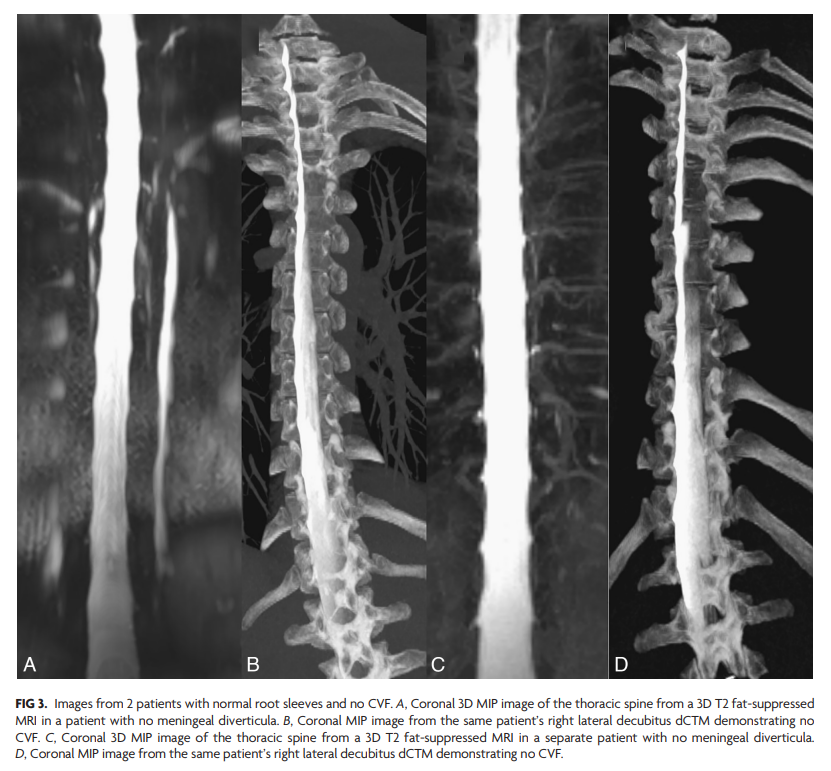
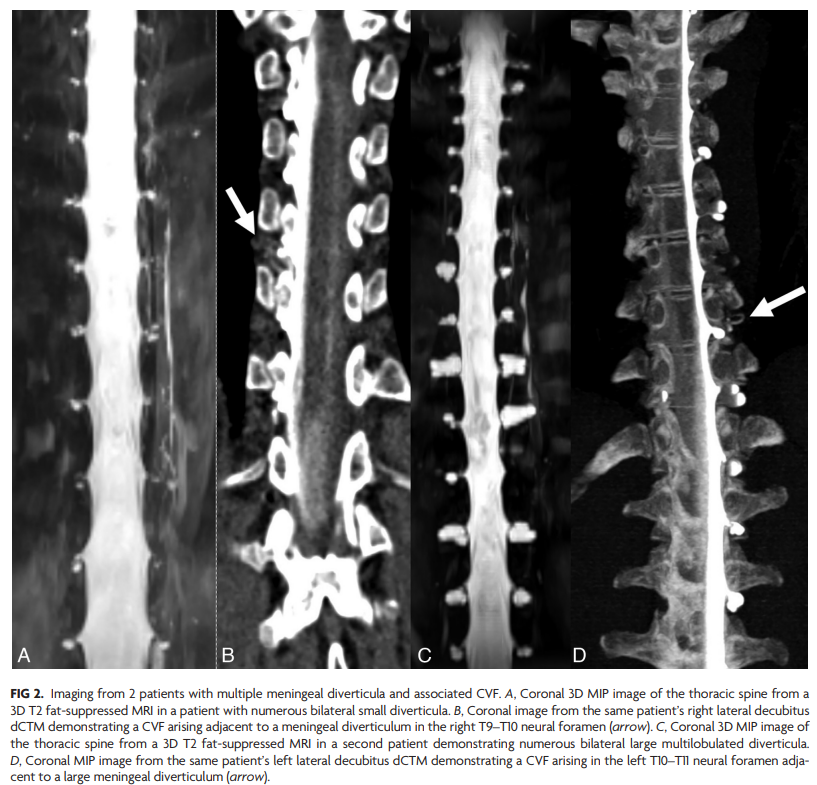
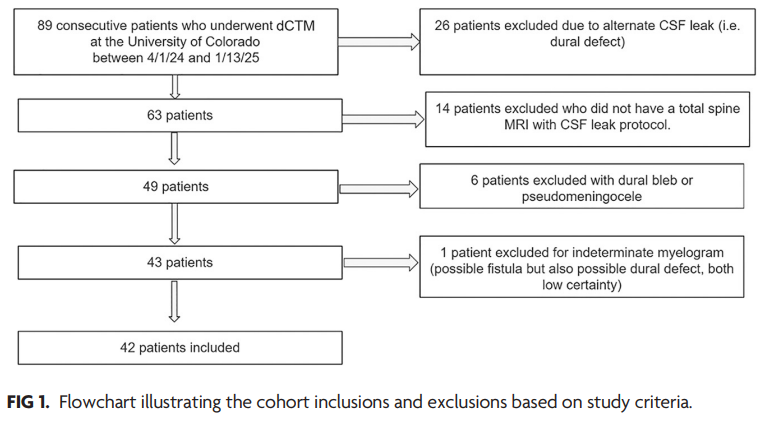
"The Association of Spinal Meningeal Diverticula Number and Size with the Detection of CSF-Venous Fistulas: Evidence from a Contemporary Myelography Cohort"
https://t.co/0VVrjXqE2I
"Meningeal diverticula are commonly seen on spine imaging, but their relationship to CSF leak remains debated. This study evaluated spine MRIs of 42 patients with suspected CVF and identified that diverticula were associated with CVF, challenging assumptions that diverticula are incidental in SIH."