🗣️The people have SPOKEN!
Time after time, the question from my escalator talk audiences is: "A book? When is this going to be a book?" (Wednesday, one added, "'Cause I would read the HECK out of this!")
I've got a proposal out; 🤞that we can make our wishes come true! 📚
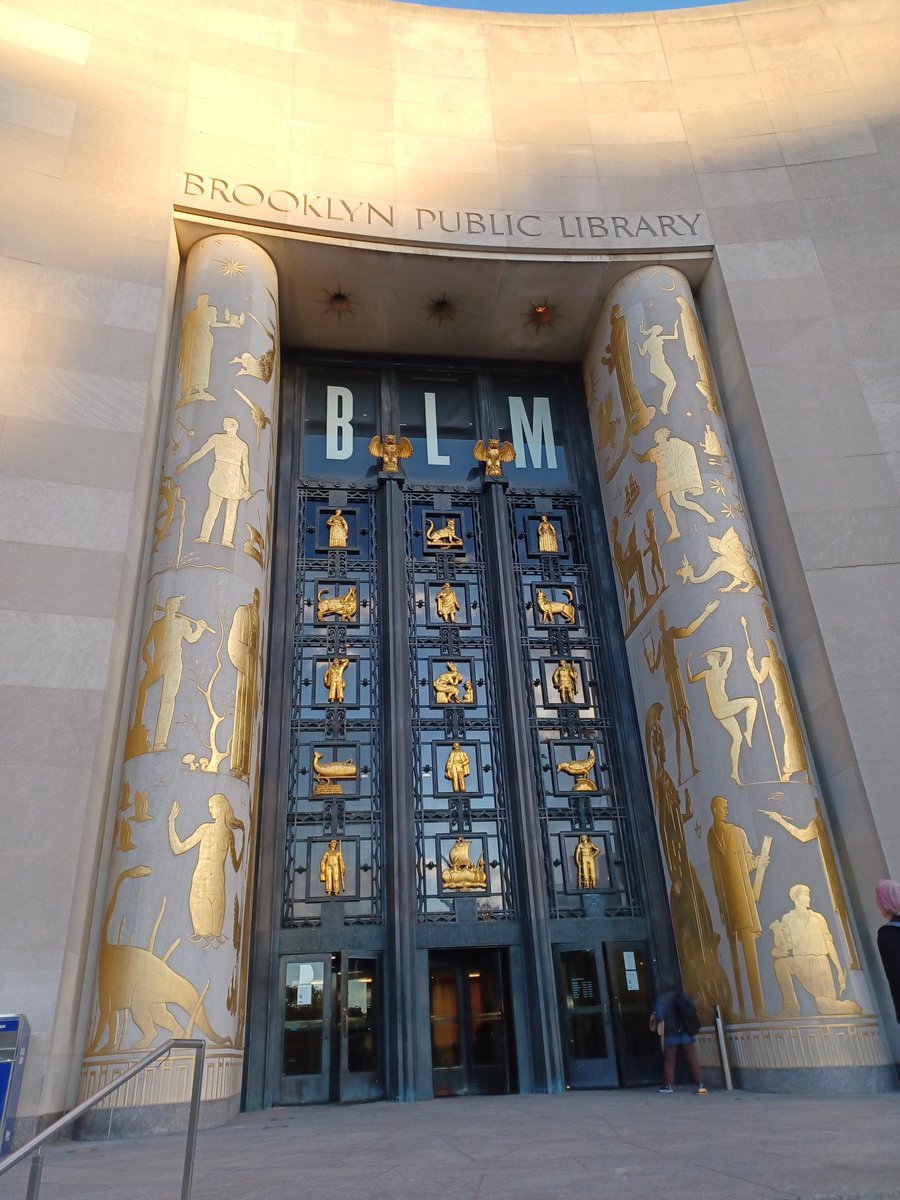
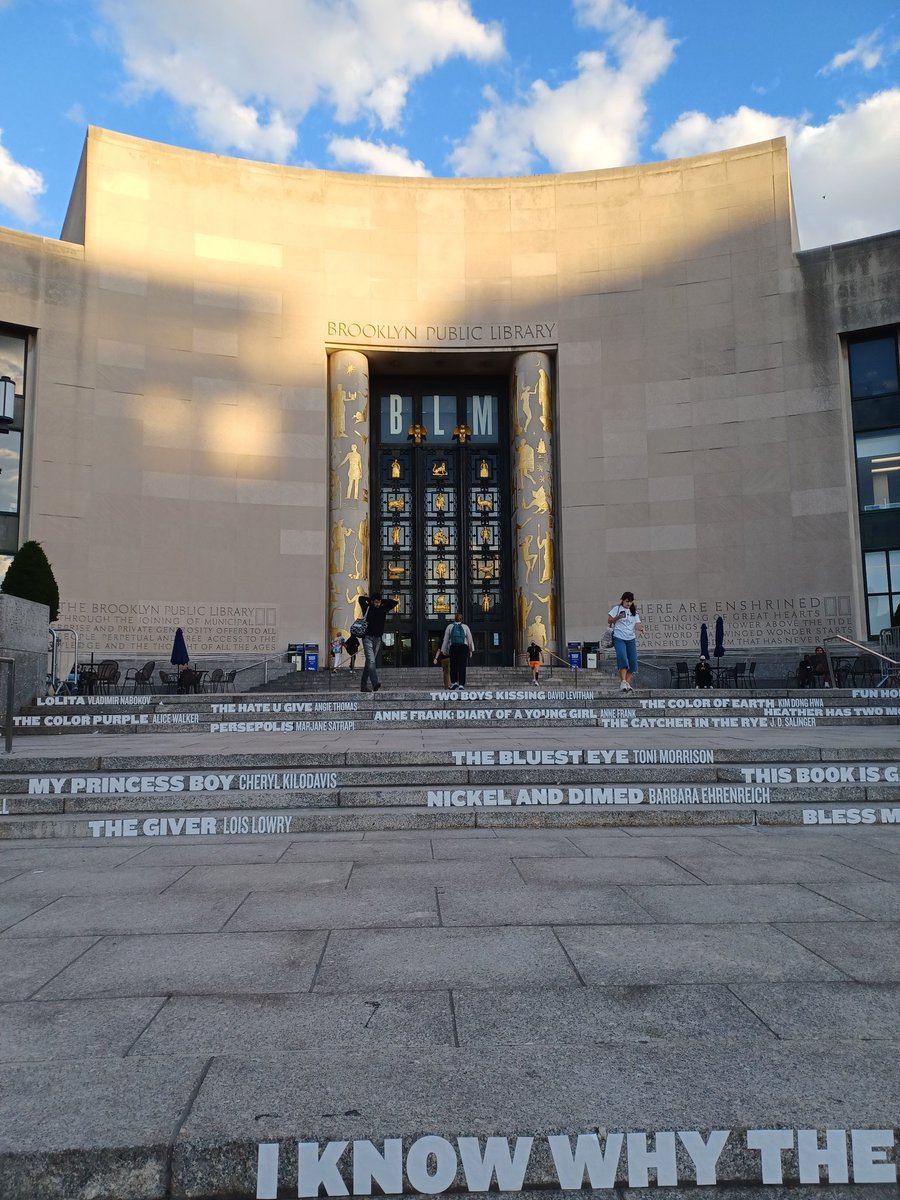
Speaking tonight at the Site of the Future Jay-Z Memorial Branch of the Brooklyn Public Library™️.
—Closest I've been to the old neighborhood in a while.
4. Ironically, as the tentacles of Macy's (under Federated) expanded/swallowed up Wannamaker's, Kaufmann's, and other regional American retailers, similar—if not older—escalators were, at some point, also at a Macy's, before cutbacks replaced the units, or shut those stores down.
Why am I not taking Macy's escalator questions at this time?
1. The wood-tread escalators at Herald Square aren't the oldest in the world, or even the store,
2. Yes, I know about them; they were in my 1st thesis in 2007,
3. The #1 question I get is about Macy's wooden escalators,
@dannyhanson49 1. Probably at Hudson Yards.
2. Because, despite it being unsafe, people insist on walking on them. This stresses the belts.
3. London Tube escalators are all relatively new (after 1987 fire), but they're among the longest. They, DC Metro's, and Kiev's stand the test of time.
Beyond thrilled and honored to give a talk on escalator history to experienced NYC sightseeing guides next week!
What questions would you ask me (other than something about the escalators at Macy's Herald Square)?
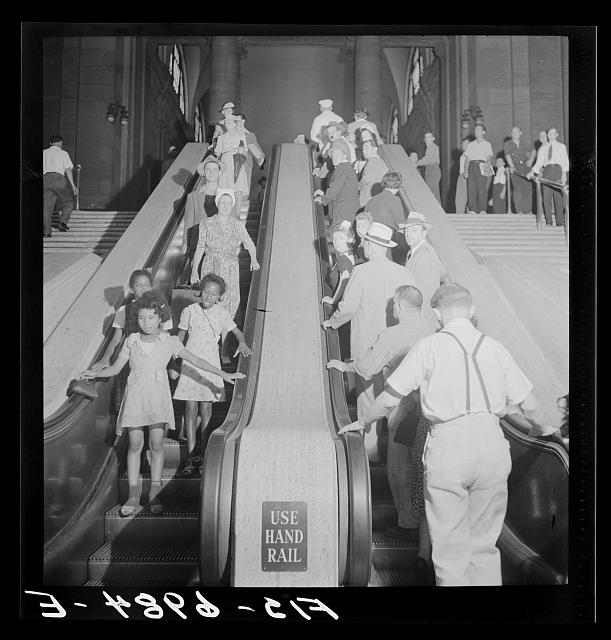
📷: Marjory Collins. Escalators at Penn Station, NY, 1942.
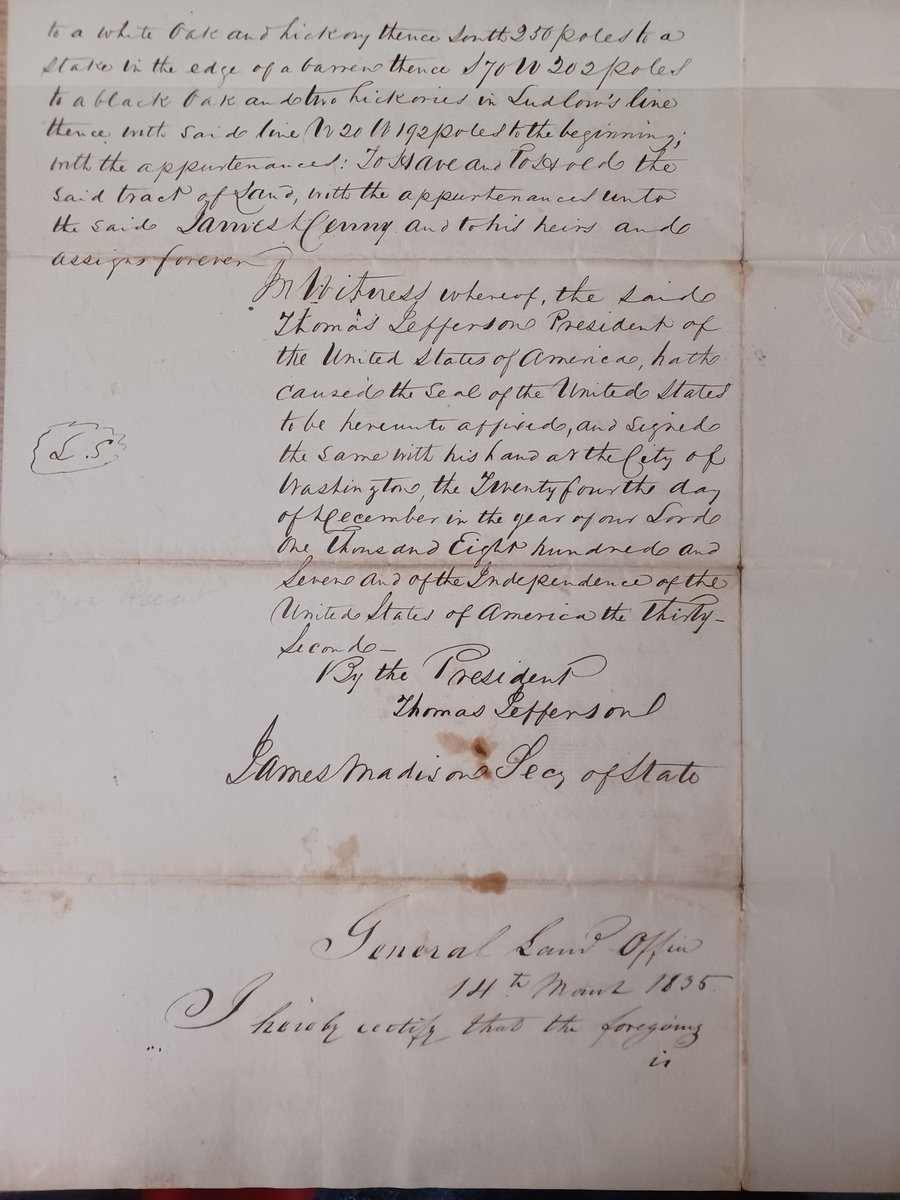
Oh, what's this I found (at work)?
n.b.: Other than "a manuscript, that mentions two of America's first four presidents," I honestly don't know. My Library has no record of it, and no confirmed provenance. It was with some other documents.
—Now, there's a Master's-level thesis in there, somewhere, but this isn't the time.
Instead, imagine a transit system with built-in pauses, and then think about how different that could make cities.
So, what's the contradiction?
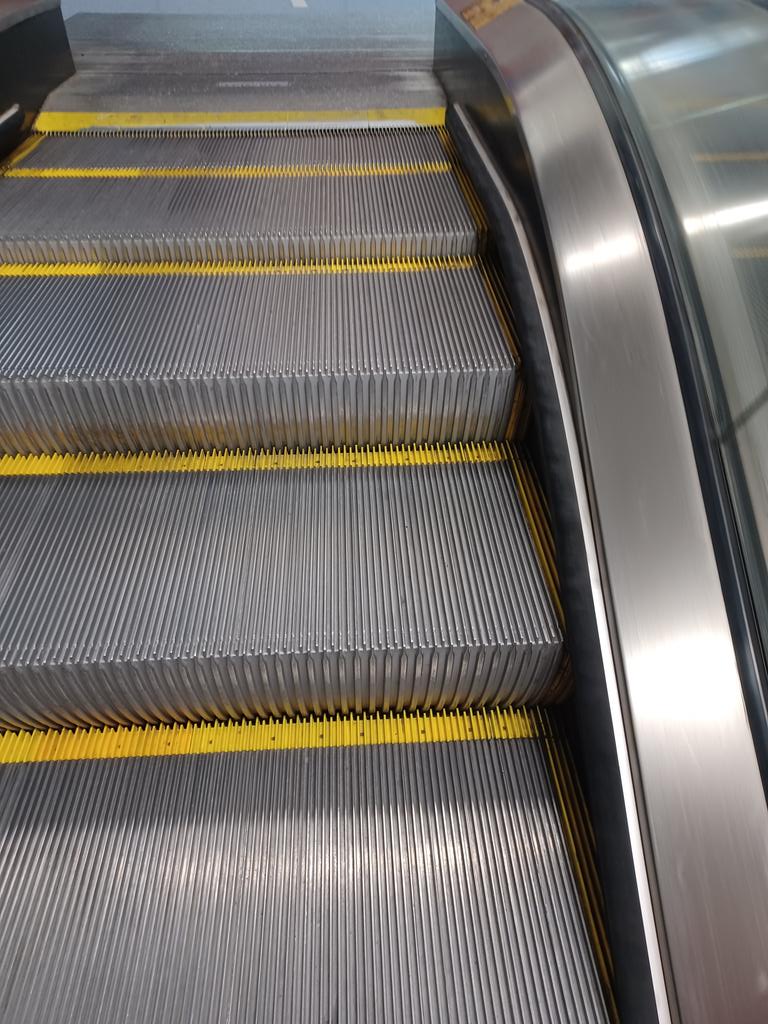
Escalator manufacturers actually want you to stand—and not walk—but most of us don't know that.
And this is important ...?
If you think about it, why would designers want users to slow down in a space that's about getting from Point A to Point B?
Your ACRL Member of the Week is Diane H. Dias De Fazio, Special Collections Associate in Grasselli Library, John Carroll University at University Heights, OH! https://t.co/2l040IeH6n