"Why don't you read the books you already own before buying new books" why don't you eat all the food in the house before going shopping? That's what you sound like. That's how crazy you sound right now
In the 2026 film 28 Years Later: The Bone Temple, Ralph Fiennes gives a high-octane performance as Dr. Ian Kelson. In a standout scene, he delivers a pyrotechnic-fueled interpretive dance to Iron Maiden’s "The Number of the Beast".
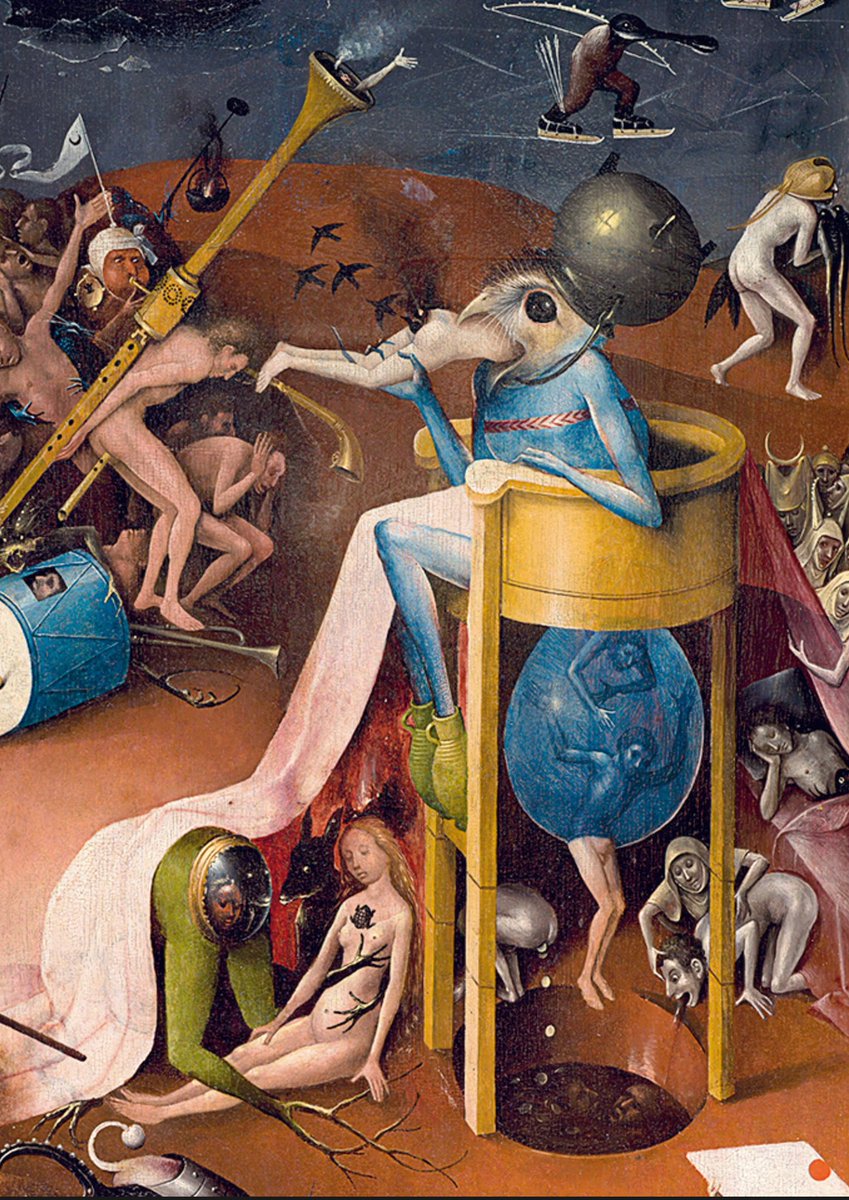
To understand literature I think we who read it must proceed with some hint of the wild creativity of the novelists and poets and dramatists who produced it. They did not create their worlds within worlds by adhering to any intellectual formula, by binding themselves down to the bare tenets of a political ideology, or by following too tightly the logics of their socialisation and education. Rather, the creative artist seems to slacken his or her hold on what is grasped, lets vision go blurry on what is seen, improvises with new perspectives and angles of approach on the world, relinquishes what is settled for what may seem mad and what may remain mad and result in no fruits in the mundane sense. Because the aim is not in fact the aim, but the exploration, the meander, the act of getting lost so new ways can be found. If we don’t read like that, can we really understand what literature is trying to tell us?
“Why don’t you use AI to make art? It would be faster!”
I don’t want it to be faster. The slow process of creation, discovery, and refinement is what gives the work meaning and value. Imagine someone who uses machines to clean clothes, dishes, vacuum their house, etc. Everything is automated. Shaves many hours of tedious work off per day. It’s easy to imagine this person on antidepressants. Why? I’d argue it’s because today’s conveniences have robbed us of purpose.
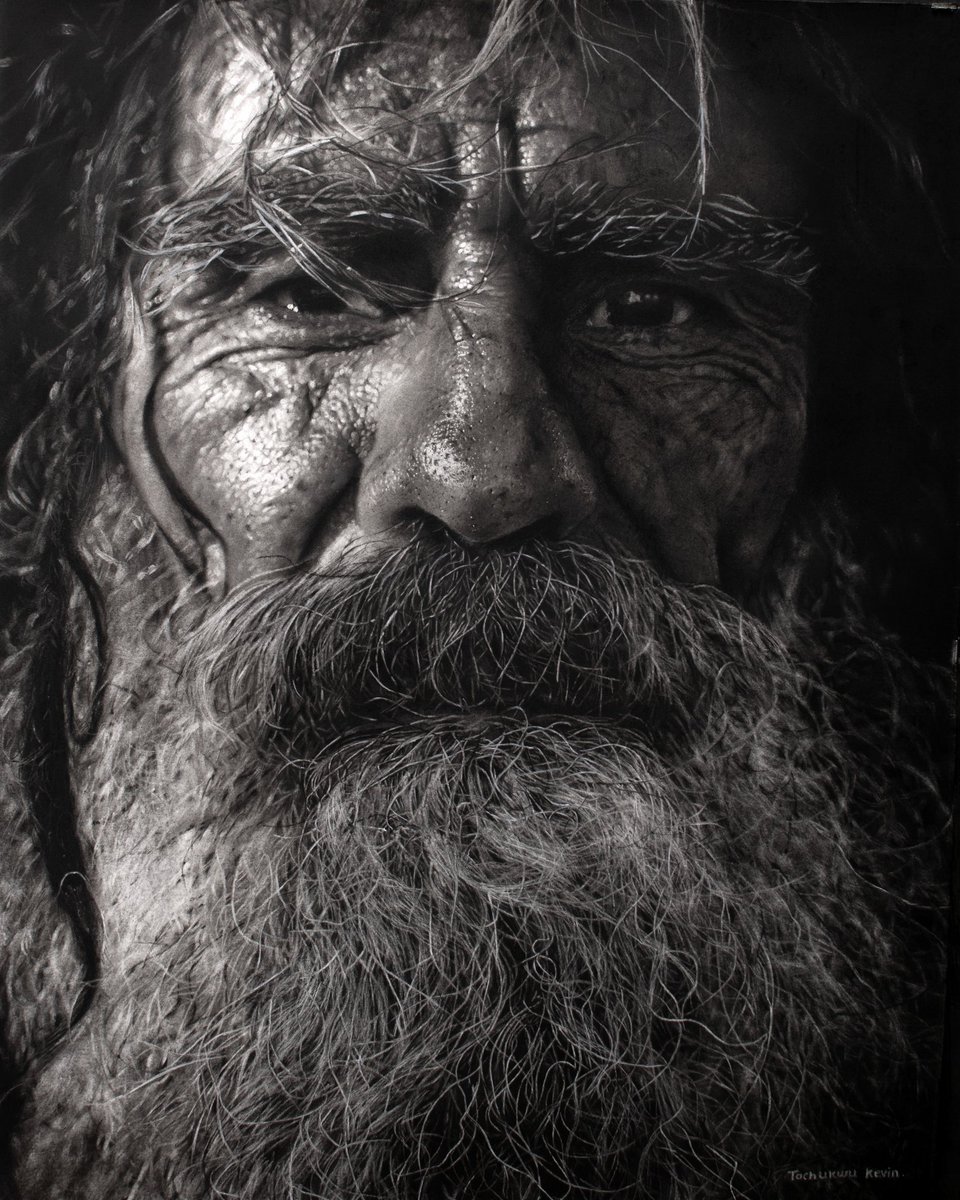
The purpose of a hike is taking every step. Getting tired, taking breaks, appreciating nature, feeling centered. If you take a car up to the summit, you didn’t hike. This page took 8 hours. I want readers to feel those hours, to know I cared enough to put every scratch down manually. I want the book to have value.
“You’ll only put out a couple books per year”
Yes. That means each piece will have many hours of thought invested into it. I’m not interested in churning out “products,” nor consuming them. The whole world may desire machine slop, but I want real art.
Humans have spirits, therefore art is like a fingerprint of a person’s spirit.
Disagree with this take.
My impression is that people are putting too much on the separation between humans and AI. In the future, this line will blur, much like how people 30 years ago mistakenly drew a hard line between online and "the real world." With dating apps and online friend meet-ups, that border got destroyed a long time ago.
IMO, the title of this clip already suggests why the viewpoint is wrong. "Will AI End the Influencer Era" assumes that influencers started with the internet. In reality, influencer marketing goes way back.
In the 18th century, English potter Josiah Wedgwood promoted his products by giving members of British aristocracy free products that they could display, such as earthenware tea sets, ornamental vases, and fancy plates. Since his products were associated with the British ruling class, he eventually commanded a premium from members of the lower class who wished to copy them. In fact, if you look up "Wedgwood plates" online, you'll probably see them as "refined" and "tasteful." His product seeding — not unlike how fashion brands give Kim Kardashian free clothes — can still be felt today. The reason why you see them as "tasteful" is purely about their association with British aristocracy.
I disagree with this take because it misunderstands the motivations behind much human consumption. The man in the video suggests that AI in the future can help us personalize products to fit our desires, rather than the preferences of another person (a designer or influencer). However, this assumes that your desires are independent and not couched in a broader social framework. I'd argue that people's consumption habits are more often about social relations.
I'll give you an example. When I was on a menswear forum, a well-respected member touted this beautiful light-blue shirt fabric he got from his far-flung bespoke tailor in Naples. It had unique mottling, which allowed it to sit somewhere between the formality of dressy white poplins and the light blue chambray workwear cloths. Later, another well-regarded member found the company that made the fabric: the oldest mill in France, founded in 1787, known for its fine textile weaving and lacework. He bought a few bolts and sold cut lengths to American customers. The fabric soon became popular with other influential members on the board.
Another member later discovered that this fabric was not pure cotton. Instead, it contained a bit of polyester, which accounts for why some members boasted about the fabric's seemingly natural ability to resist wrinkles. This caused a fire sale among the remaining boutique retailers, and I bought as much as I could.
I will always love this cloth, despite its small percentage of synthetics, because of what it represents in a broader social context. It reminds me of a funny story about some memorable people in the social group I was part of. AI will never be able to replicate this feeling in me because it can't create that situation.
The same is true for a lot of stuff I consume. I'm enamored with Norwegian split-toe derby shoes because they are worn by people I admire, such as menswear writer Bruce Boyer and Japanese clothier Yukio Akamine. I like raw denim jeans because there's an online social group that talks about "sick fades." I hope to one day buy a Rolex 1016 underline gilt dial with a chapter ring because it was recommended to me by someone I consider to have good taste.
There are large online economies centered on consumer products, such as fountain pens, mechanical watches, menswear, audio systems, and perfumes. People engage with these things partly because they love the product in question (e.g., a fountain pen hobbyist obviously loves fountain pens). But they are also in it for the *community.* They buy things because an influential person in that community — let's call them an influencer — recommended it. Then they show off their purchase to their online hobbyist friends (e.g., "In my experience with Nakaya toki-tamenuri cigar pen, the nib is too stiff."). This garners them social capital in the community, making them feel like they belong and are respected.
Clothes perform certain utilitarian functions, such as protecting us from cold and wind. But their most important function is signaling to a group, such as saying "I'm nerdy," "I'm countercultural," or "I'm artistic." They signal belonging to a group and our individuality within that group (e.g., "I'm a punk rocker, but I'm also a very unique person within this broader social group"). AI can never completely replace the influencer because it can't hold cultural capital within a group, as it's not a member of that group.
Casual consumers may turn to purely AI-driven systems for product recommendations in the future. I sometimes use the NYT's Wirecutter to figure out which spoon to buy, even though I'm not in a spoon community and don't care what my spoon signals. But there are many products oriented around groups, and this is where the influencer will continue to thrive, just as people bought Wedgwood plates after seeing them on Queen Charlotte's shelf.
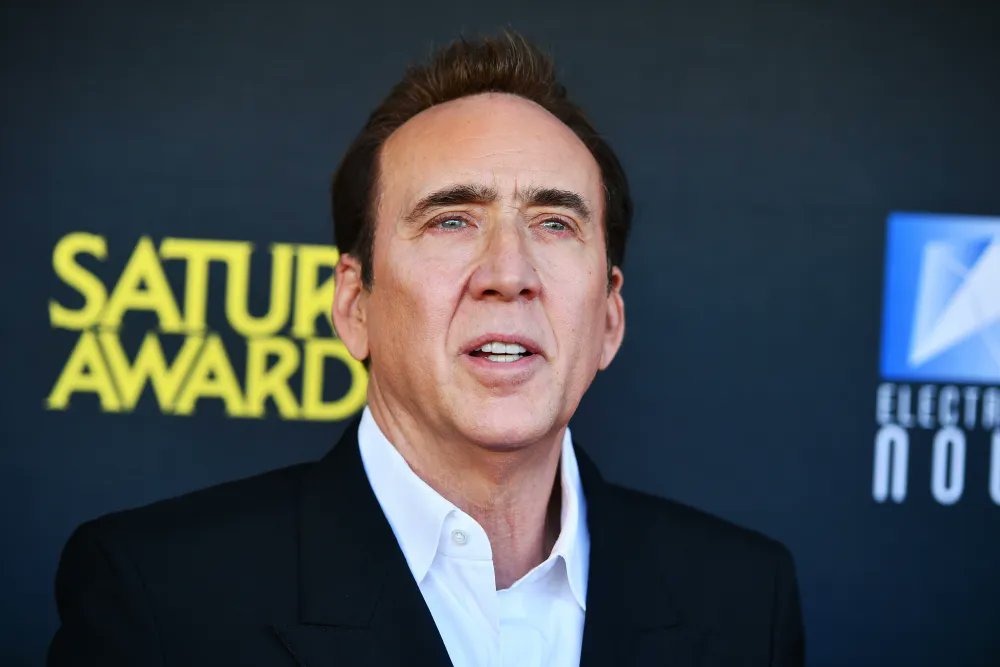
Nicolas Cage says "protect yourselves from AI."
“There is another world that is also disturbing me, and it’s happening right now around all of us — the new AI world. I am a big believer in not letting robots dream for us. Robots cannot reflect the human condition for us. That is a dead end if an actor lets one AI robot manipulate his or her performance even a little bit, an inch will eventually become a mile and all integrity, purity and truth of art will be replaced by financial interests only. We can’t let that happen. The job of all art in my view, film performance included, is to hold a mirror to the external and internal stories of the human condition through the very human thoughtful and emotional process of recreation. A robot can’t do that. If we let robots do that, it will lack all heart and eventually lose edge and turn to mush. There will be no human response to life as we know it. It will be life as robots tell us to know it. I say, protect yourselves from AI interfering with your authentic and honest expressions.”
BREAKING NEWS
The 2025 #NobelPrize in Literature is awarded to the Hungarian author László Krasznahorkai “for his compelling and visionary oeuvre that, in the midst of apocalyptic terror, reaffirms the power of art.”
Calling all Indie film CHAMPIONS! My horror documentary "Haunted Lake Lanier" is LIVE on Amazon Prime!!
Rent it on Amazon to help keep indiefilm alive!
https://t.co/Iil9MOXoOV
Please leave a review! Watch it today and please share! #Filmsky 🎥
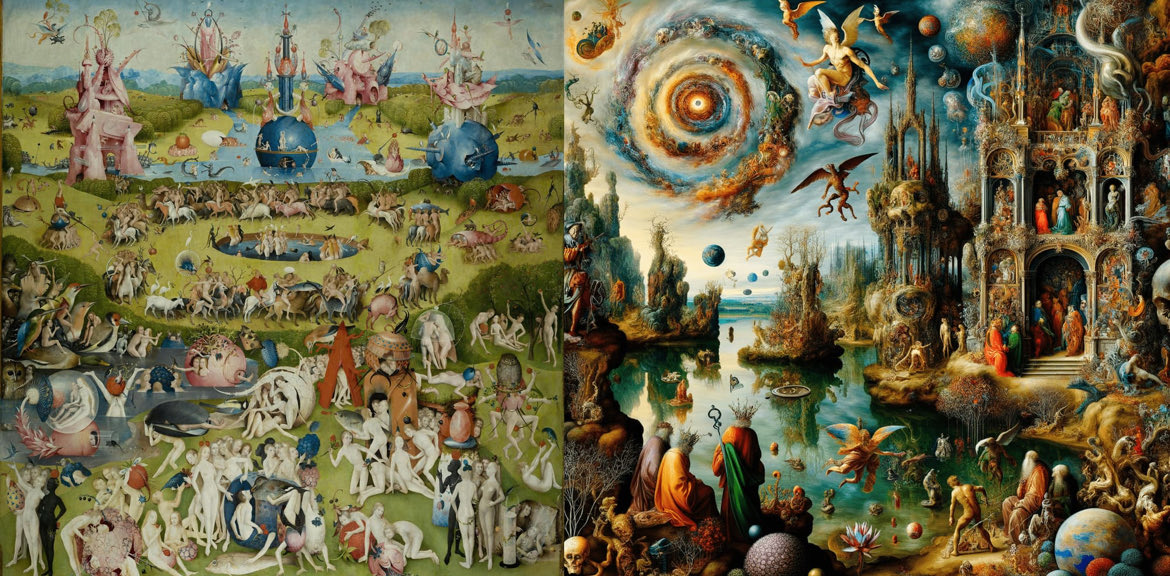
If you love Art, History or Philosophy then stop watching all YouTube videos "created" since feb 2025.
Gen AI videos with garbled AI text, images and artificial voice have flooded YouTube & they contain many factual errors - contaminating history, destroying truth.
Parents hated it. Their kids loved it.
A dark sound rose from the streets of Birmingham, England, and at the heart of that seismic sound was Tony Iommi. Join us as we salute the Godfather of Heavy Metal.
“Iommi: The Godfather of Heavy Metal,” a new limited series from @gibsonguitar TV, is coming soon.