pioneer of horticultural biochar since 1988, inventor of the Viper continuous mobile charcoal/biochar kiln. supplier of charcoal to myriad end users. forager.
Trees grow & capture CO₂ from air & make their wood biomass. When trees die they decompose & that Co₂ returns to the air. Dead tree biomass is turned to biochar via pyrolysis, CO₂ is locked in the biochar for 100s of years. Biochar is valuable in soil. That’s where CO₂ can go
Good reasons for using biochar
* Biomass #pyrolysis is a key technology for saving the climate.
* The use of certified #biochar has been proven to meet the highest environmental standards and when used properly, is safe for soils, ecosystems, and users.
"Biochar soil amendment can enhance soil carbon sequestration while providing significant co-benefits, such as nitrogen remediation, improved water retention and higher agricultural productivity." Great Editorial 👏
#biochar
@OpenAcademics Happy #FollowFriday#AcademicTwitter!
🌲🥜♻️🥵🚫🦠💊🏥🏭🌊
I convert waste #biomass (e.g. nut shells) into #biochar using heat! I study how that process works & how it affects the ability of the biochar to remove microorganisms & antimicrobials from hospital & pharma #wastewater.
“In Wales, phosphate, nitrogen and ammonia pollution are causing serious damage to sensitive habitats, rivers and air, according to a statement from Wales Environmental Link (Wel)” https://t.co/lN9Ba6mcon
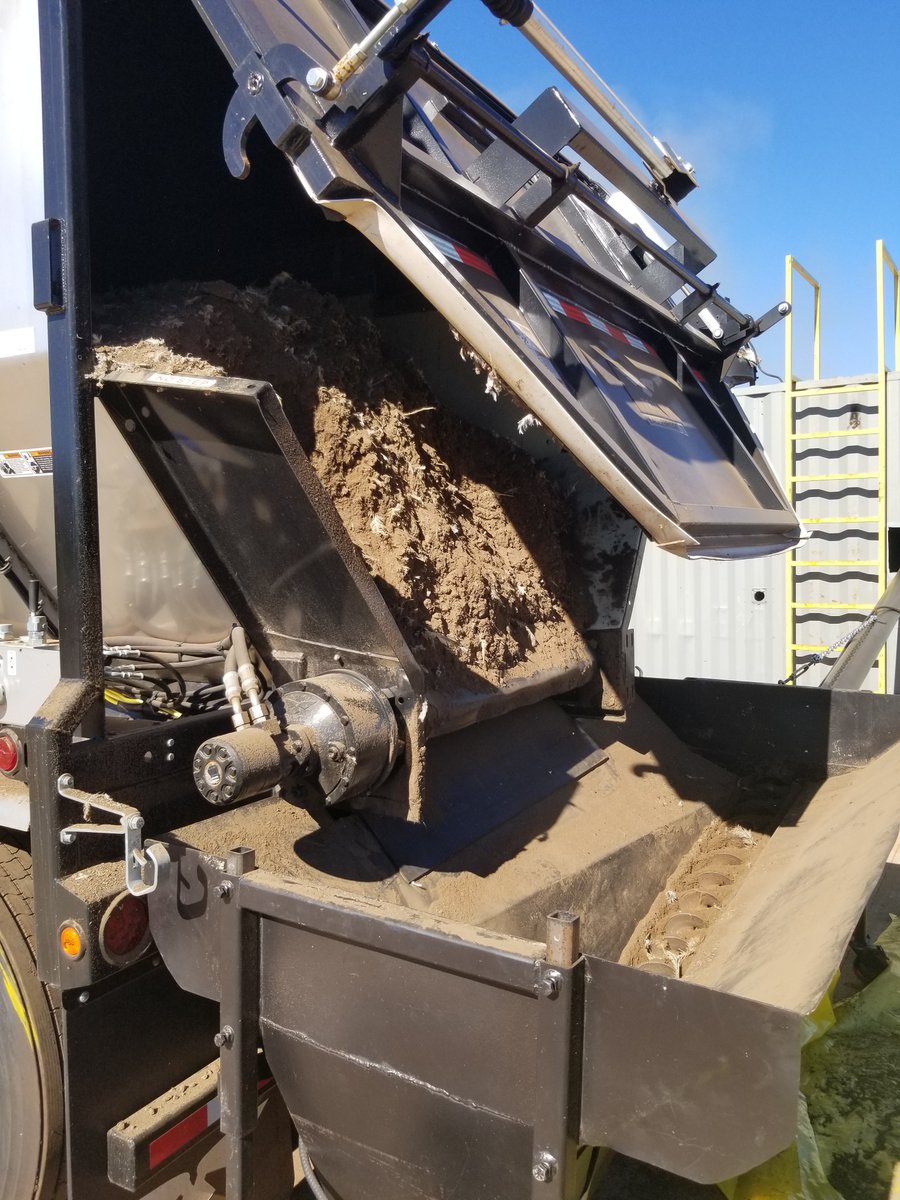
This past winter ARTi had the chance to work in Hawaii installing a pyrolysis system for poultry litter biochar. Unique soil types & feedstock moisture were factors as well as product free of E Coli & Salmonella. See the story: https://t.co/aB7nBSn5xF
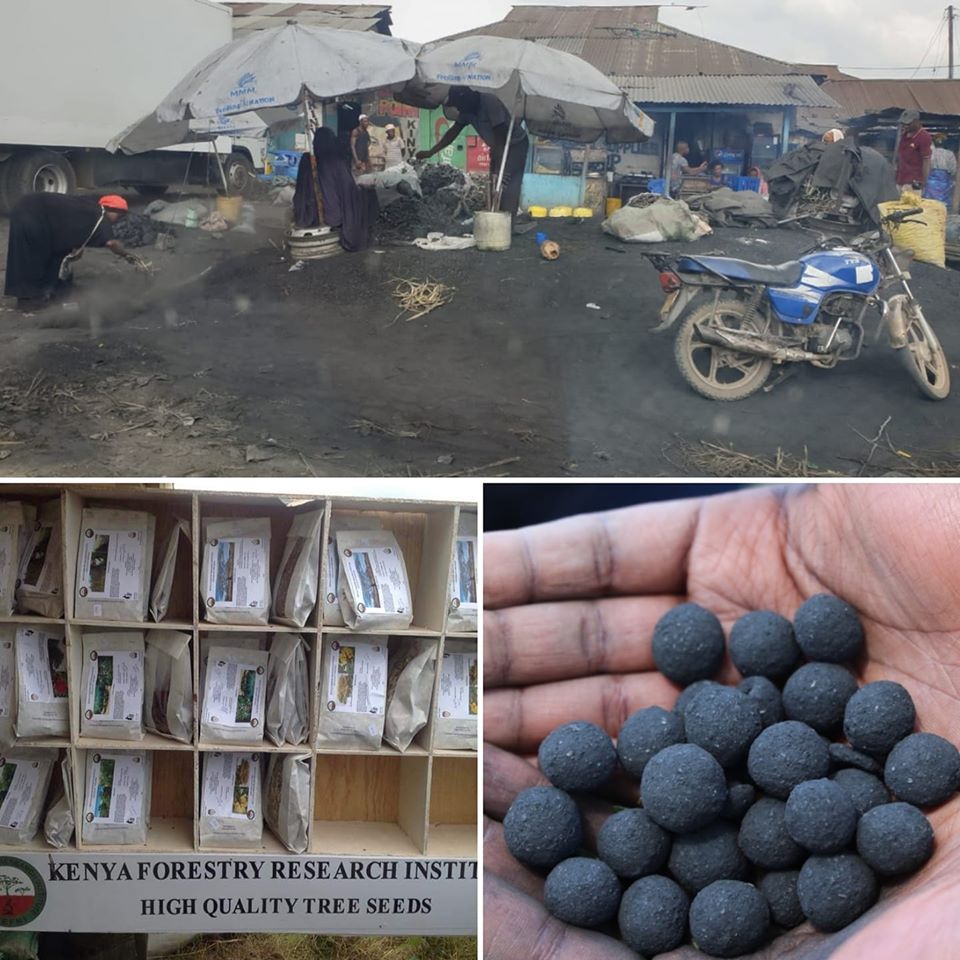
Learn how we clean up old waste charcoal dust from the market vendors and use it to coat certified indigenous tree seeds from @KEFRIHQ to make our #seedballs. This protects the seeds from predation by mice, birds etc. while they patiently wait for the next rains.
#afr100
#biochar as #feed additive in focus of this #BBC story. "“quantum leap” in the quality of his farmland, as it became more economically viable and productive. “We are doing our bit to re-engineer the soil in a positive way, for the long-term benefits of our world,” Pow says."
How soil management beyond the industrial fertiliser, through such a method as employing biochar, can contribute to carbon capture, rather than putting it in the air
#ClimateChange#ExtinctionRebellion#Sustainability
https://t.co/8zwavOZ85q
Last month we sold 6300 KWh of clean (urban plant) carbon negative district heat for every ton of #biochar we produced. We also produced 15 t of oil (135.000 KWh energy) Once our new dryer becomes online, with the added capacity, the number will be ~10.000 KWh / t biochar.