I miss the unreplaceable Andy Rooney but I'm confident that @walterkirn could provide a compelling, concise, contemporary revision of his segment on the new, improved 60 Minutes.
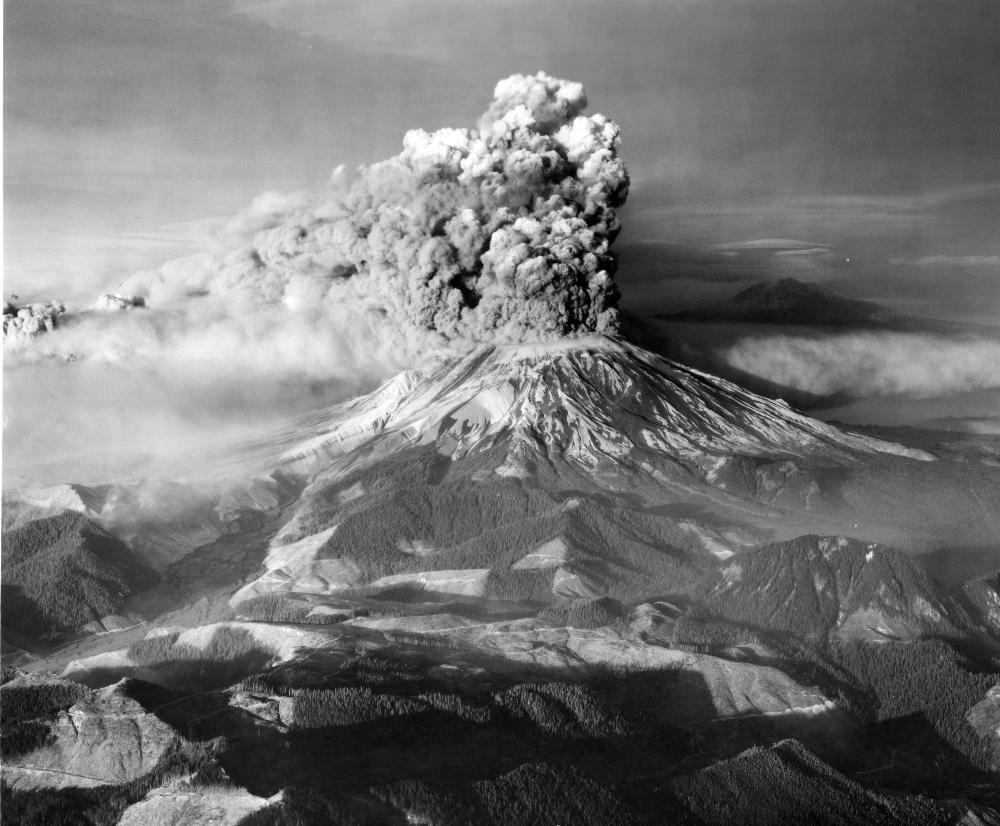
🌋 46 years ago today, Mount St. Helens forever changed the Pacific Northwest — and the science of volcano monitoring.
After more than a century of quiet, earthquakes and rising magma signaled that pressure was building beneath the volcano in the spring of 1980. On the morning of May 18, the mountain’s north flank collapsed in a massive landslide, triggering a devastating lateral blast that flattened 230 square miles of forest.
Ash rose high into the atmosphere and drifted across the U.S, while volcanic mudflows, known as lahars, surged through nearby valleys to the Columbia River. Fifty-seven people lost their lives, including USGS volcanologist David A. Johnston.
When the eruption ended, Mount St. Helens stood nearly 1,300 feet shorter than before. The eruption transformed not only the landscape, but also how scientists monitor and prepare for volcanic hazards around the world.
➡️ Watch USGS scientists recount their experiences before, during, and after the eruption: https://t.co/UmNpTXaOnb
📸: Mount St. Helens erupting above a quiet rural landscape, with ash and steam billowing into the sky. Mount Adams can be seen in the background.
Horrible scratchy sound again from @DaikinPark on the @FOXSports WBC broadcast--hope we don't hear that on the @astros broadcasts with @RealToddKalas@blummer27 and @JuliaMorales Not sure whether it's from the booth or a field mic, but it's really difficult to tolerate.
Can’t even BELIEVE this is real! @ringostarrmusic’s new album comes out April 24th, and I am beyond honored and so psyched to be a part of it. I sang harmony on the track “It’s Been Too Long” which is out now! ✌️❤️
https://t.co/y18T5IHE6G