Bannockburn! Latest offering from The Wars Beneath Our Feet has just been released (I can't bring myself to say dropped...oh) on YouTube. Please like and subscribe so we can do more of this. Camera work on this one by the very talented Maria Pollard. https://t.co/o30EuLHV2b
Who knew an orange peel could hold so much history? 🍊✨
In the 18th century, these were known as "Bergamot Boxes"—dainty, hand-crafted trinket holders used in Italy and France to store jewelry, perfumes, and cosmetics. They were prized for their natural citrus scent that lingered on everything inside.
By the 1850s, mass production took over, and this beautiful craft almost vanished. There’s something so grounding about bringing back a skill that hasn’t been common for nearly 200 years. It’s a slow, delicate process (with a bit of trial and error!), but seeing the final result painted with acrylics makes it all worth it.
In a world of plastic and fast-fashion, let’s bring back the beauty of things that grow from the earth.
Who else is ready to start drying their fruit peels?
Retirement plans begin to come together. YouTube channel devoted to archaeology of conflict related topics. First up is a short take on Culloden. A longer video will debut tomorrow on 280th anniversary of the battle. Welcome to The Wars Beneath Our Feet! https://t.co/jNFcPYuINi
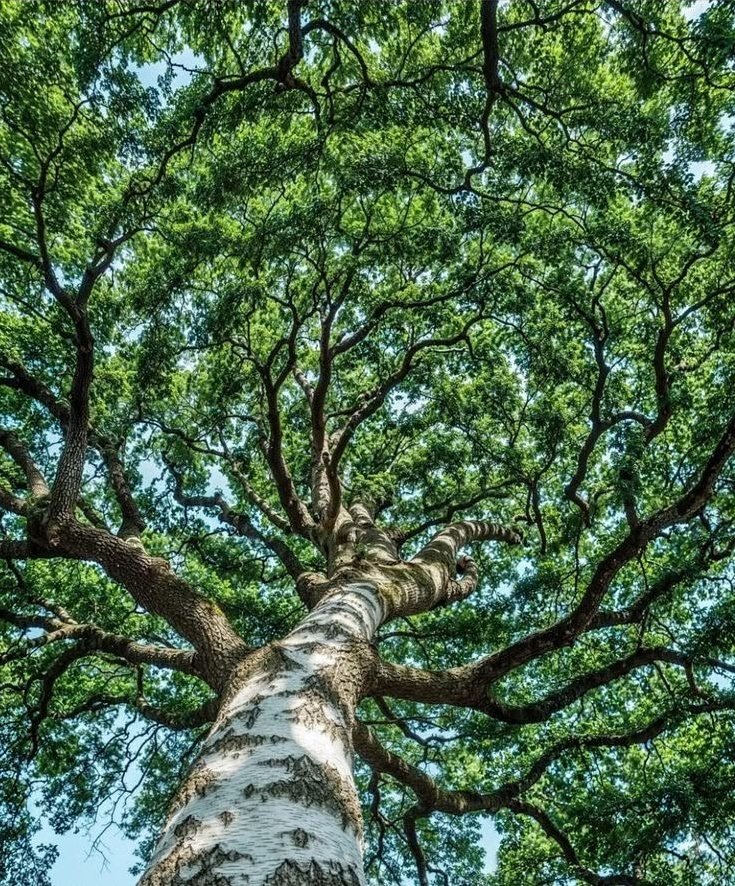
People who love the changing of leaves, birdsong or the quiet hush of the woods, the smell of rain, the gentleness of moss, reading beneath a tree and believing that the finding of a smooth stone or a bird's feather is treasure - those are my kind of people.
Woman of the Day Scottish teacher Mary Moffat, born in 1822 in South Africa, the first woman to cross the Kalahari (she did it twice while pregnant). Without her, we might never have heard of the bloke she married. In fact, the locals always referred to him as “Mary Moffat’s husband”.
Born in the mission outpost of Kuruman and educated in Cape Town, Mary was fluent in at least six African languages, including the local Bantu language Setswana. She was kind, selfless, practical - she would turn up to formal events in everyday clothes - and resourceful. She baked bread, sewed clothes, made essentials like soap and candles from scarce resources, and found her vocation in teaching. She later ran infant schools for up to 100 Bakwena children at mission stations in Botswana, and taught their mothers sewing and language skills.
Mary met her future husband when he was recovering from severe wounds sustained after he’d attempted to shoot a lion which had been terrorising villagers. It savaged his arm before expiring. He recovered at Kuruman, realised what a catch she was and asked her to marry him. It was by far the best decision he ever made in his life, one he openly acknowledged.
She’d married a missionary, abolitionist and explorer, but she was even more of a nomad than he. They trekked by ox-drawn wagon for twelve days to their first home, a mission station at Mabotsa, Botswana, where Mary cultivated vegetables, dealt with the daily threat of lion attacks, set up an infant school, and networked with local chiefs, impressing them with her calm diplomacy and cultural sensitivity. She gave birth to their first child, a sickly son, but it was soon time to uproot and establish a new mission at Chonuane.
It was a bad move. The river dried up, drought destroyed their crops and they were forced by malnutrition to return to Kuruman, where Mary’s half-starved appearance shocked her family. Soon afterwards, she gave birth to a baby girl.
That became the recurring theme of her life: pregnancy (they had six children) and physical hardship in unforgiving terrain.
He’d heard of a “remote and shining lake” on the other side of the Kalahari. As soon as Mary gave birth to another son, she joined his 1,500-mile expedition to Lake Ngami in 1849 while pregnant. They were plagued by tsetse flies, endured extreme temperatures, far too little water, and sickness, and lived on iron rations of stewed meat, corn and milk for three months. Mary nursed two children with malaria and suffered partial paralysis (possibly a stroke) but had no choice to press on. Her fourth baby died. Her fifth child was born in the desert.
In 1852, she sailed to Britain with the children for safety and recuperation, and after her return in 1958, gave birth to her sixth child.
Mary died in 1862, aged just 41. Is that the end of the story? Not quite.
Mary Moffat’s husband’s second Zambezi Expedition ended in failure two years later and when he tried to find the source of the Nile, managed to lose contact with the outside world for six years.
That never would have happened on Mary’s watch. Here’s the thing. He’d never have found his “remote and shining lake” or its impressive Falls without her. Her diplomacy and language skills smoothed his path. It was Mary who negotiated safe passage for his expeditions, Mary who gathered vital intell on the best routes and how to find sources of water, Mary whose widely-respected reputation secured alliances with groups like the Makololo, enabling her husband to map the Zambezi River and advance north into Zambia.
In the end, the New York Herald sent journalist Henry Morton Stanley to track down Mary Moffat’s husband.
He found him on the shores of Lake Tanganyika OTD in 1871, greeting him with the famous words: “Dr. Livingstone, I presume?"
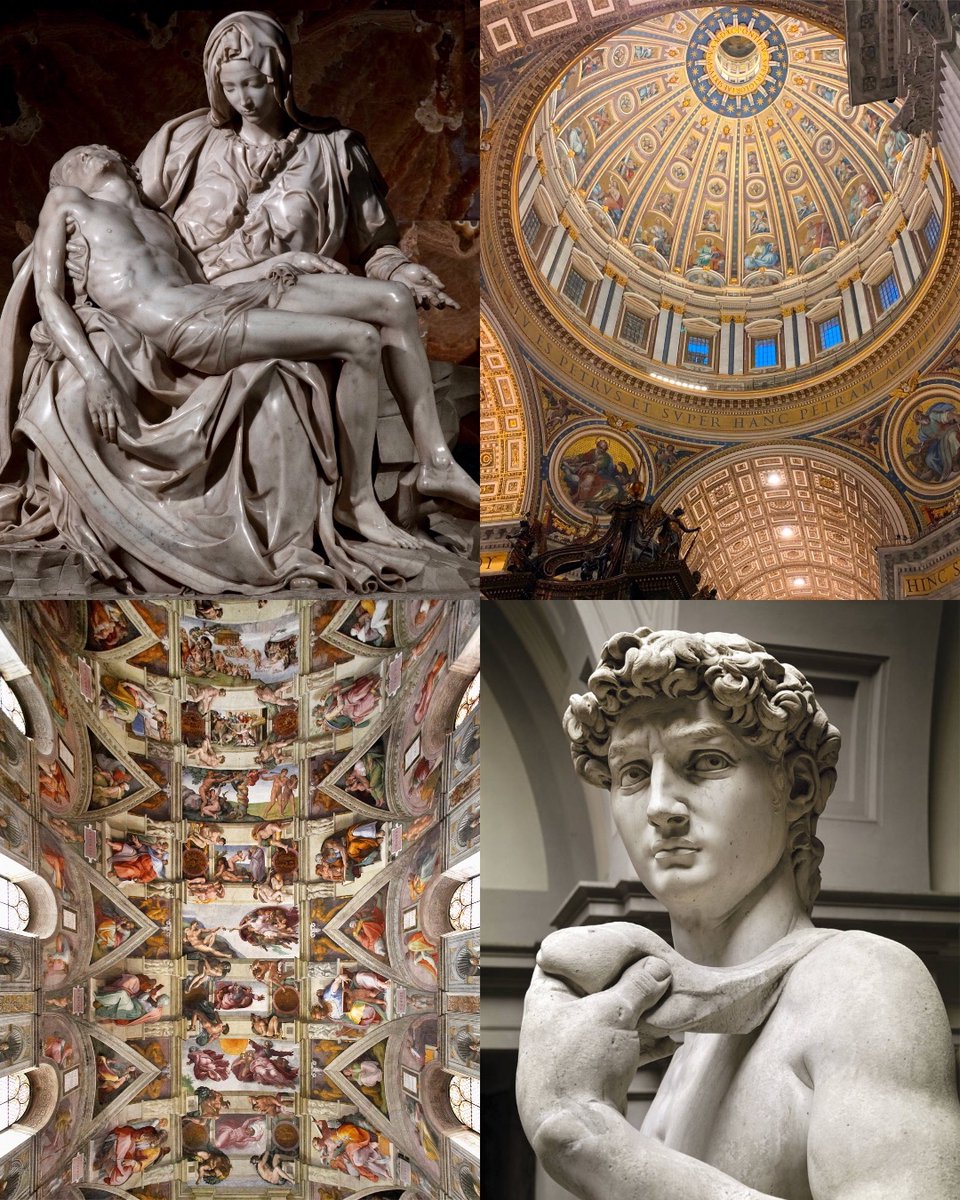
Michelangelo was born 550 years ago today.
The same man who sculpted the Pietà at 23, was commissioned the David at 26, painted the Sistine Chapel’s vault at 36, and was appointed chief architect of St. Peter’s Basilica at 71.
A thread on the greatest artist of all time 🧵
Following decades of Roman invasion, evidence suggests that Pictish elites built huge strongholds like Rhynie in Aberdeenshire.
On 13 March, Prof Gordon Noble FSAScot shares results from over a decade of excavation and lifts the lid on Pictish kingship: https://t.co/vXD1FX8w40
Is there a reason I've received 135 of the exact same email from @BandQ from 7:54 this morning, all saying the same thing: that my ONE item has been dispatched?
(So many emails, that another email thread had to start!)
🫣😅
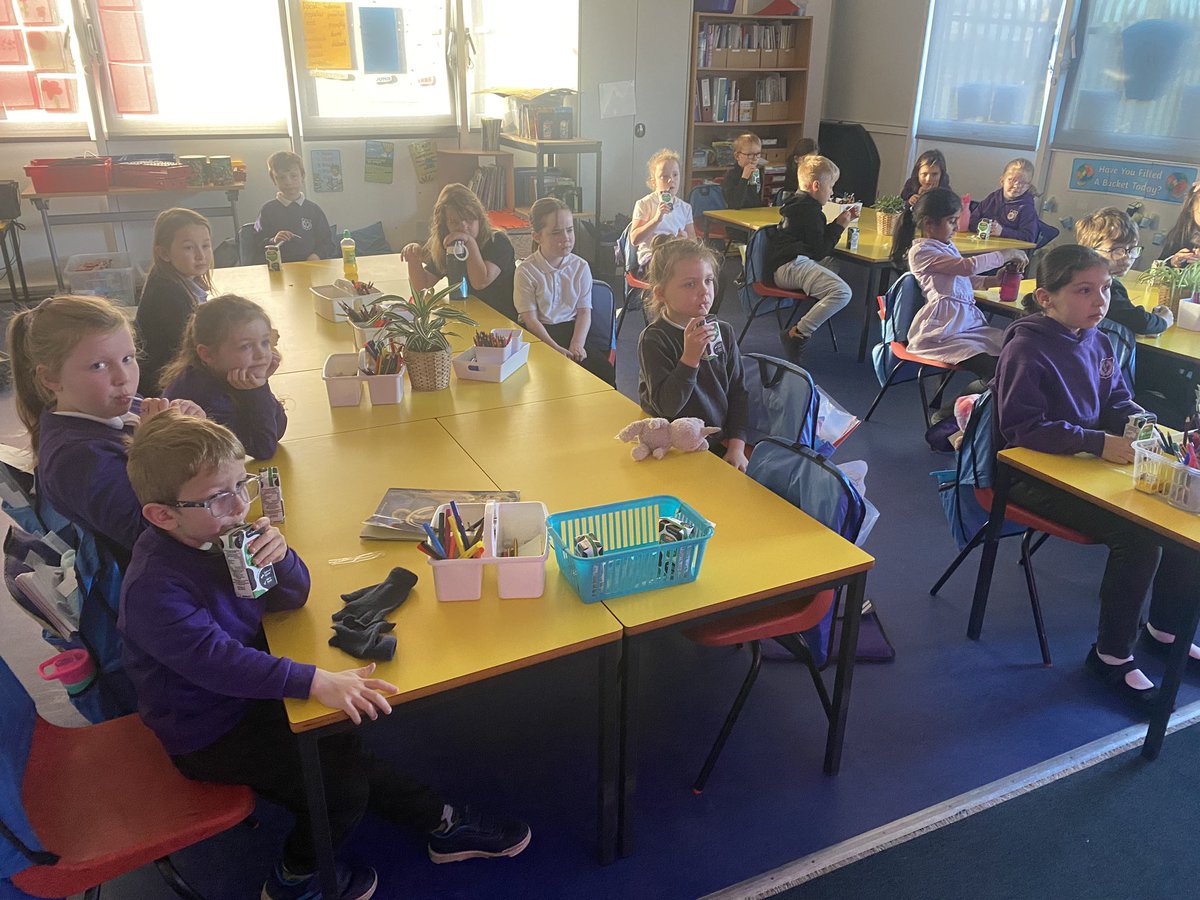
As part of their Donation Drive for @dignityboxes this week, P3 have been working on persuasive writing to explain why people should support the Dignity Boxes charity. Well done P3. @wl_literacy@WL_UNCRC@WL_Equity#therighttogoodhealth
P3 continued their #WorldChildrensDay celebrations by watching a Celebration Film hearing how rights are protected and promoted in schools across West Lothian. We then discussed how this happens in Boghall Primary. @WL_UNCRC
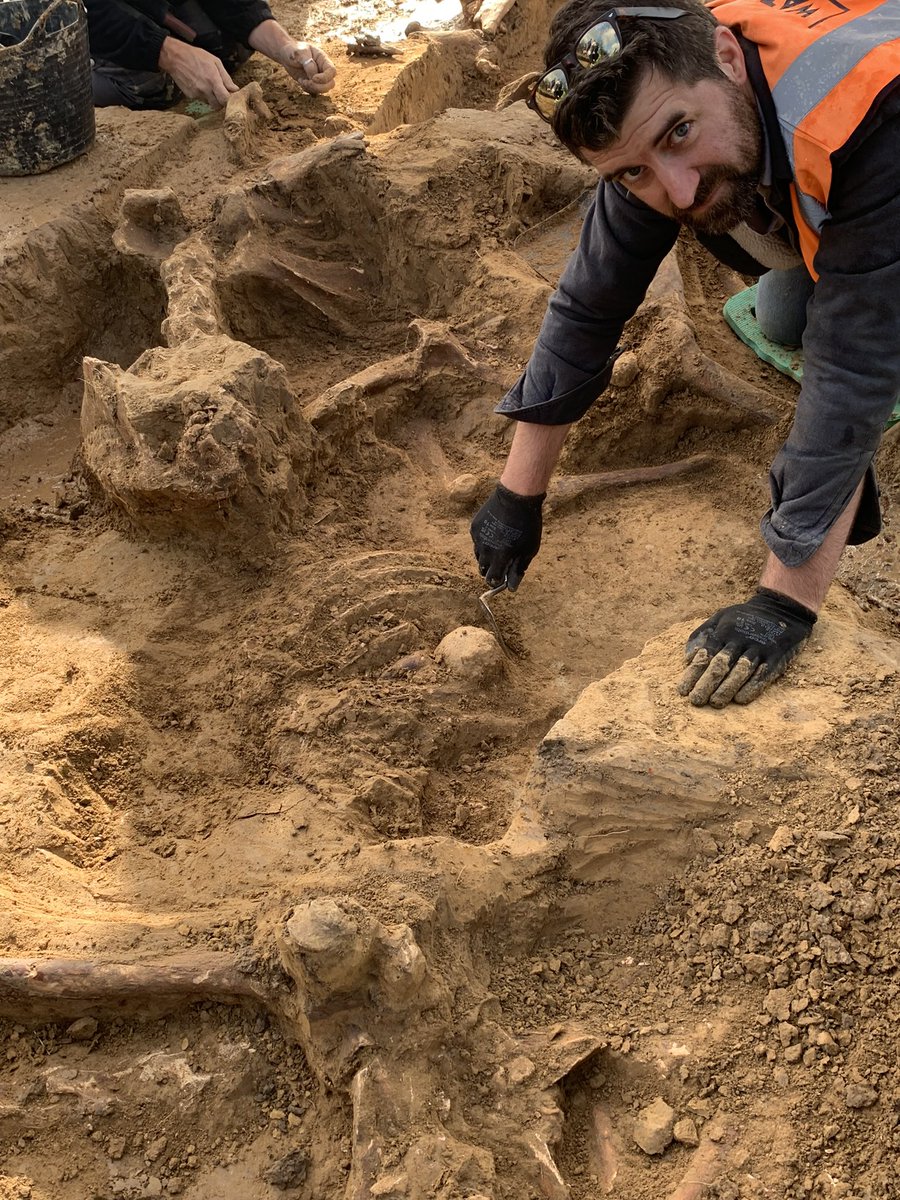
Latest from the Mont St Jean site with @DigWaterloo. Six pound cannon ball lodged in rib cage of a horse. In three decades of conflict archaeology l’ve never seen the like. Here being excavated by @ConflictArchaeo, otherwise known as Sam! @UofGWarstudies