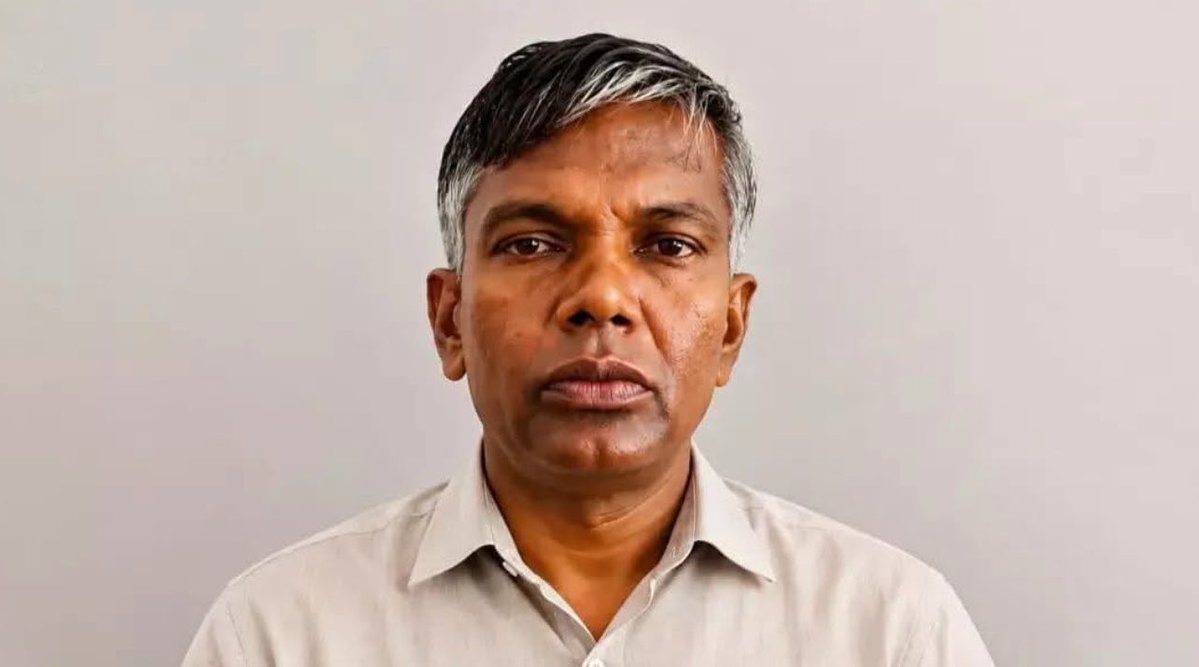
𝙄𝙈𝙋𝙊𝙍𝙏𝘼𝙉𝙏 𝙇𝙀𝙂𝘼𝙇 𝙋𝙊𝙄𝙉𝙏
A death sentence from a trial court is NOT automatically final.
Under Indian law, a death sentence passed by a Sessions/Special Court must be confirmed by the High Court before it can be executed.
𝙒𝙃𝘼𝙏 𝙀𝙇𝙎𝙀 𝘿𝙄𝘿 𝙏𝙃𝙀 𝘾𝙊𝙐𝙍𝙏 𝙊𝙍𝘿𝙀𝙍?
Apart from the death sentences, the court reportedly imposed a cumulative fine of ₹52,000.
It also ordered ₹10 lakh compensation for each survivor.
𝙁𝙊𝙐𝙍 𝘿𝙀𝘼𝙏𝙃 𝙎𝙀𝙉𝙏𝙀𝙉𝘾𝙀𝙎
The Special POCSO Court in Tirunelveli awarded four separate death sentences — one in relation to each victim.
The court considered the offences to fall within the “rarest of rare” category.
𝙏𝙃𝙀 𝙀𝙑𝙄𝘿𝙀𝙉𝘾𝙀 𝙈𝘼𝙏𝙏𝙀𝙍𝙀𝘿
The prosecution presented evidence including
• Testimony of the four survivors
• Medical evidence
• Statements of parents
• Other witness testimony
• Evidence collected during the investigation
Court ultimately found Abraham guilty
𝙃𝙊𝙒 𝘿𝙄𝘿 𝙏𝙃𝙀 𝘾𝘼𝙎𝙀 𝘾𝙊𝙈𝙀 𝙏𝙊 𝙇𝙄𝙂𝙃𝙏?
The alleged abuse came to light in 2022, after one of the young victims disclosed what had happened.
Investigators subsequently recorded allegations involving three other girls.
Abraham was arrested in July 2022.
𝙒𝙃𝘼𝙏 𝘿𝙄𝘿 𝙏𝙃𝙀 𝘾𝙊𝙐𝙍𝙏 𝙃𝙀𝘼𝙍?
The prosecution alleged that Abraham sexually assaulted four minor girls, aged between 8 and 13, over a period of nearly two years.
The girls were allegedly targeted under the pretext of classes.
𝙒𝙃𝙊 𝙒𝘼𝙎 𝙎. 𝘼𝘽𝙍𝘼𝙃𝘼𝙈?
S. Abraham, a 47-year-old preacher, ran a prayer church in the Tirunelveli region of Tamil Nadu.
According to the prosecution, he used moral and religious classes during school vacations to gain access to minor girls.
A parole order comes with conditions.
BREAKING THOSE CONDITIONS CAN HAVE SERIOUS CONSEQUENCES.
At the same time, the State has a responsibility to properly monitor prisoners released on parole.
PAROLE IS NOT PARDON.
AND ADMINISTRATIVE FAILURE IS NOT FREEDOM.
LIFE CONVICT JUMPS PAROLE LIVES AS A GOVERNMENT TEACHER FOR 40 YEARS
THE SHOCKING CASE
A life convict was released on parole in 1983.
He was supposed to return to prison in March 1984.
He never did.
For the next 40 YEARS, he allegedly lived a normal life outside prison.
THE BIG LEGAL QUESTION
If the government fails to track a prisoner for decades.
DOES THAT GIVE THE PRISONER A RIGHT TO STAY FREE?
The High Court’s answer
NO.
Administrative failure by authorities does not automatically extinguish a lawful sentence.
TWO FAILURES, ONE CASE
THE PRISONER
Failed to return after parole
Allegedly concealed his conviction
Remained outside prison for decades
THE SYSTEM
Failed to trace him for nearly 40 years
Allowed him to obtain government employment
Failed to properly monitor his parole
THE COURT ALSO CRITICISED THE SYSTEM
The High Court warned that such failures could encourage other prisoners to:
OVERSTAY PAROLE → EVADE THE PRISON SYSTEM → REMAIN UNTRACED
The court directed authorities to strengthen mechanisms for tracking prisoners released on parole.
PAROLE IS NOT FREEDOM
This is the key legal point:
PAROLE = TEMPORARY RELEASE SUBJECT TO CONDITIONS
A prisoner released on parole is still serving a sentence.
WHAT DID THE HC SAY?
Telangana HC dismissed the plea.
Justice T. Madhavi Devi observed that the failure to track a prisoner for nearly 40 years reflected poorly on the efforts of the jail authorities
But the authorities’ failure did not mean that his life sentence disappeared.
40 YEARS LATER…
In May 2024, authorities finally tracked him down.
He was arrested and sent back to prison.
By then, he was 73 years old.
His wife later approached the Telangana High Court seeking relief from the three-year bar on parole/furlough.
HOW DID THIS HAPPEN?
He was released on parole in Dec 1983.
His parole was extended until March 17, 1984.
He was required to report back to prison on March 18, 1984.
But he allegedly never returned.
And somehow, the system failed to trace him for approximately four decades.
According to the case records, the convict
• Got a government teaching job
• Worked as a teacher for decades
• Allegedly received a “Best Teacher Award” in 2004
• Retired from government service in 2013
• Even received a pension
All while remaining a life convict