We need to start asking some uncomfortable questions.
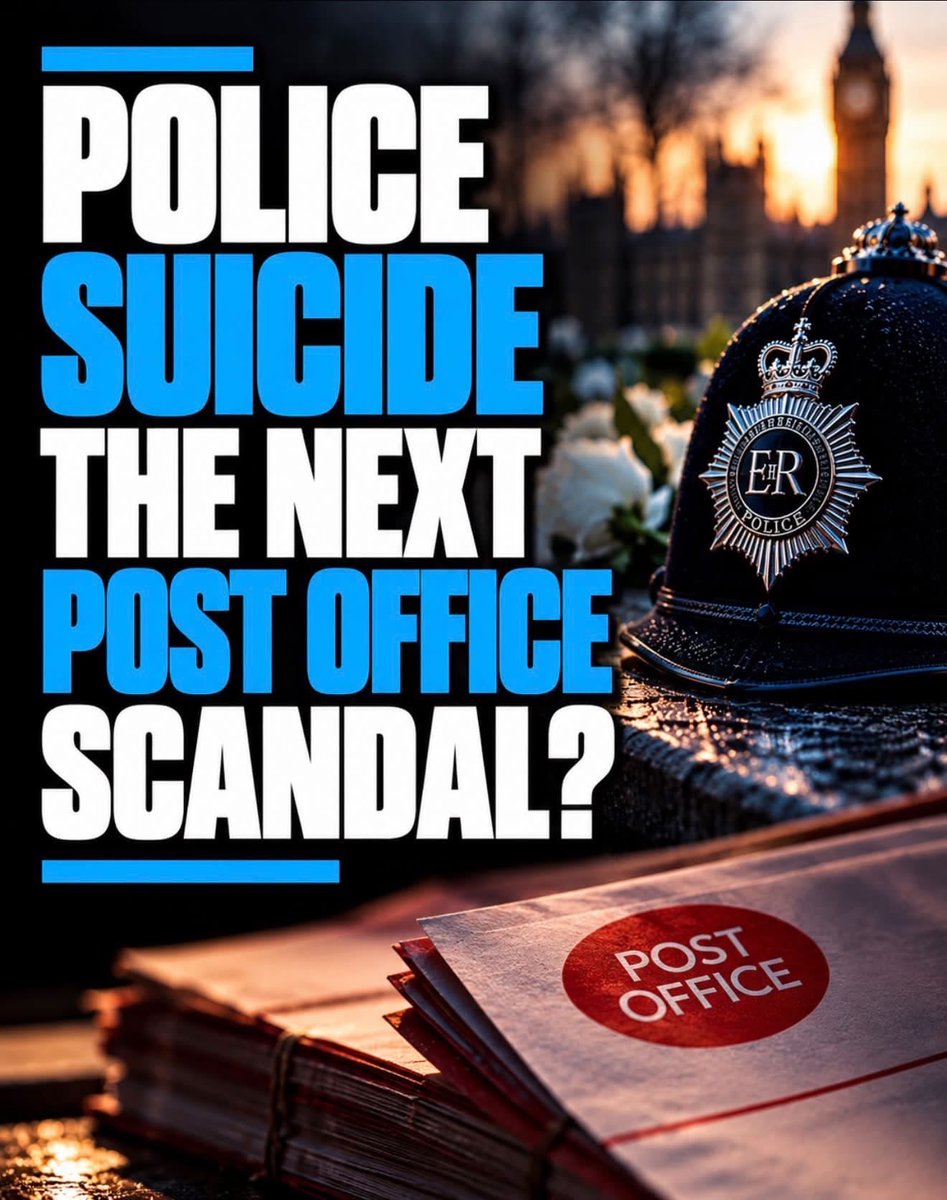
Yesterday, we were informed that another police officer had taken their own life. We were also told that the officer had recently been served with papers by Professional Standards.
We have now also been told that serving officers at that force have been warned that speaking publicly about what has happened could result in disciplinary action.
If accurate, that raises further serious questions.
In recent months, police officers and bereaved families have approached us drawing comparisons between what is happening within policing and the Post Office scandal.
There is a growing feeling that policing is destroying some of its own people.
When the public hears “misconduct investigation”, they may understandably assume serious wrongdoing. Yet we have heard accounts of lengthy, disproportionate investigations and careers being placed at risk over matters including private WhatsApp messages, memes and GIFs.
For many officers, policing becomes part of their identity. Threaten their career, reputation and sense of belonging after years of exposure to trauma, violence and death, and the consequences can be devastating.
Officers must be held accountable for wrongdoing. But accountability does not require a process that is disproportionate, unnecessarily prolonged or inhumane.
And officers should not be frightened into silence when legitimate questions need to be asked.
There is a much bigger story here.
It demands proper, independent investigation.
We need to stop pretending that wellbeing support alone can solve the mental health crisis surrounding police misconduct investigations.
This is about far more than holding an officer’s hand through the process.
We need to look at the process itself: proportionality, potential overreach, lengthy investigations, mistrust of Professional Standards, moral injury, the fear of losing a career and identity, and what happens to an officer’s reputation after a public gross misconduct hearing.
Once an officer believes the organisation they gave everything to is now trying to take everything away, how likely are they to view “organisational support” as genuine care?
Counselling, welfare calls and occupational health have their place, but they cannot remove the underlying fear of losing your career, income, reputation and identity.
At least 15 police officers and staff are known to have taken their own lives in the first nine months of 2026: already more than the total recorded throughout 2025.
In the next few weeks, we will be launching a new movement determined to push for meaningful change across policing.
As part of that work, we want to hear from families who have lost a serving or former police officer or member of police staff to suicide. If that is you, or you know a family who may be willing to speak with me, please ask them to contact me privately.
If you or someone you know is struggling, Samaritans are available 24/7 on 116 123.
Of the officer suicide cases known to Federation welfare networks, more than half involved officers facing misconduct investigations, Professional Standards Department processes, criminal investigations, suspensions or workplace restrictions.
🧵
Danny Tommo, also known as Daniel Thomas, shared a revealing video this morning showing police officers surrounding his car with multiple vehicles as he drove to church with his young son. Despite the intense stop, officers let him leave after he showed proof of insurance. In the comments, he explained he had Tempcover on the vehicle. This short-term policy often doesn’t show up immediately on roadside insurance checks, a common delay officers routinely encounter.
What many posts about this incident overlook is the actual vehicle. Witnesses, including some who aren’t fans of Tommo, report that the car wasn’t registered to him. Police systems initially showed no insurance, and the front-side tints were flagged as illegal. Multiple accounts identify the registered owner as a disqualified driver without insurance.
This is standard procedure: an ANPR check, a visual inspection of a car linked to a disqualified driver, illegal tints, and no insurance often prompt a coordinated 'box-in' by multiple police vehicles, especially on police interceptors. Officers use this tactic regularly when they suspect the driver might evade or refuse to stop, or when they need to seize the vehicle.
Whether the force used—the number of vehicles and the boxing-in technique—was influenced by Tommo’s identity and recent protests at Dover and Portsmouth is a valid question. He has a 2016 conviction for attempted kidnapping at knifepoint, recent bail conditions, and was involved in recent disruptive activities that injured officers and damaged property. Such factors may have increased police alertness, flagging his vehicle as higher risk. But these details don’t negate the legal basis for the stop, which rested on vehicle and driver checks.
It’s problematic when supporters view every traffic stop of an activist as political persecution, ignoring the straightforward reasons police initiated the stop in the first place. The officers acted within their rights when they scrutinised the vehicle. 🙄
Standard procedure: refuse to tax billionaires, accept their donations and "totally legal bribes," abolish the Equality Act, and make life as miserable as possible for the poor and disabled.
An absolutely ridiculous and disgraceful idea. Some adults do great work but also need that support from PIP and similar in order to keep well and keep working. Walk a mile in their shoes.
🚨 NEW: Reform UK has pledged to scrap PIP and the health element of Universal Credit for working-age adults
Only people with severe disabilities would receive cash payments to save £50bn a year on benefits
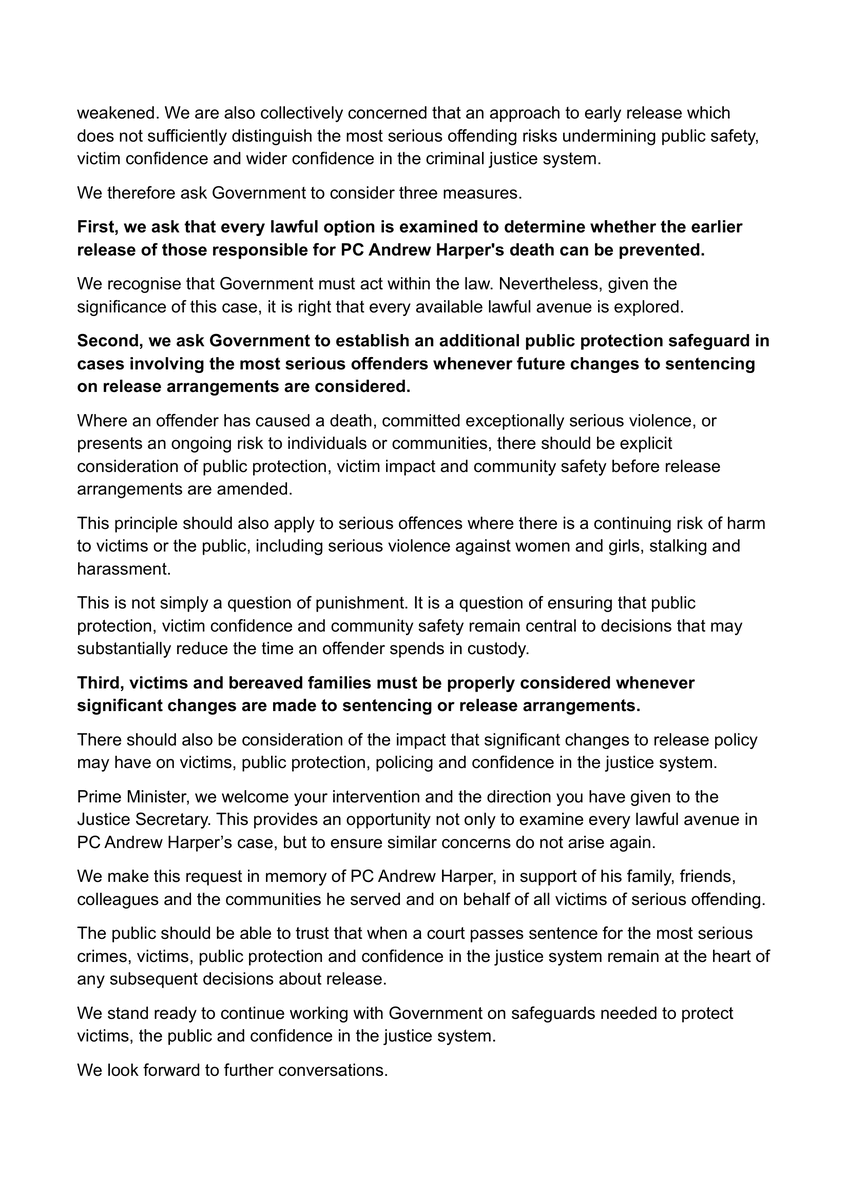
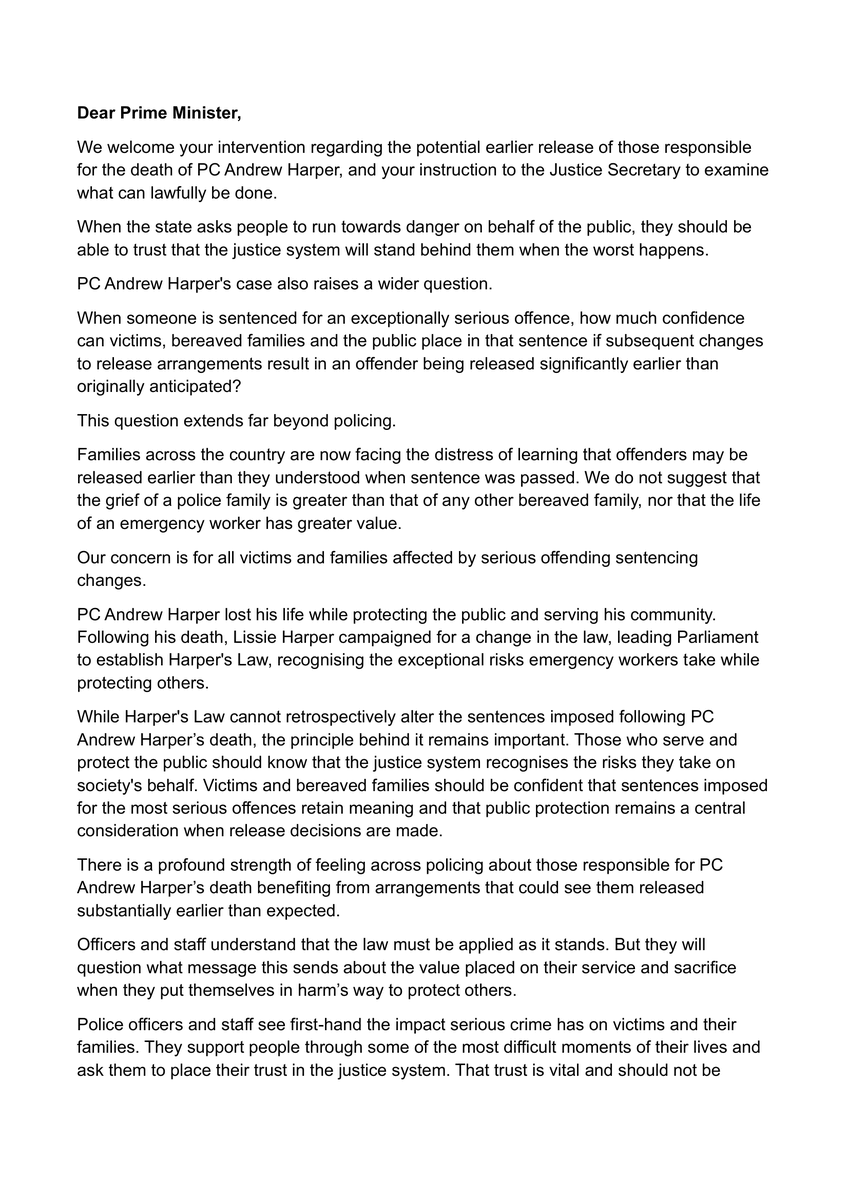
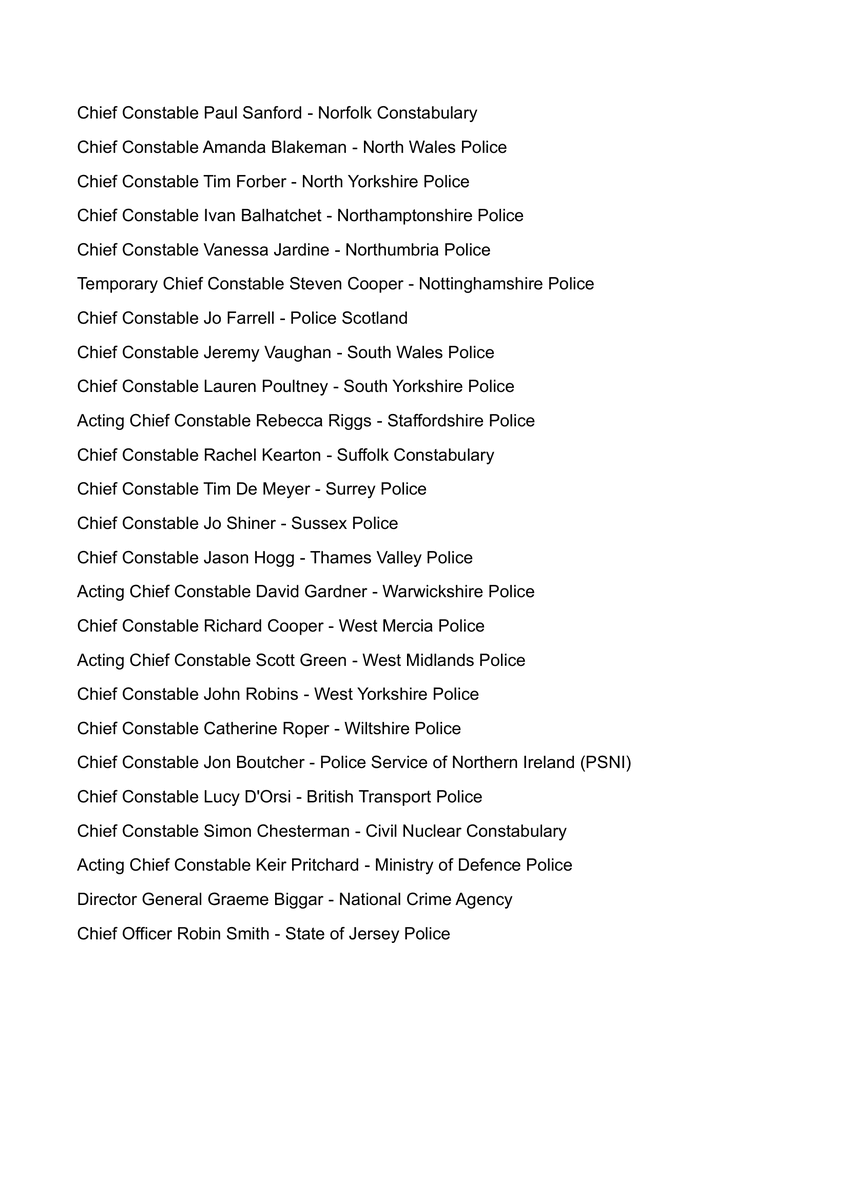
🚨 BREAKING: All police chief constables in the UK have called for Andy Burnham to ensure PC Andrew Harper's killers are not released early
"We make this request in memory of PC Andrew Harper, in support of his family, friends, colleagues and the communities he served"
Great Article By WMP Conduct Lead on the constant tinkering with Police conduct regime over the last few years. The Home Office needs to take stock and sit down with all parties & actually listen to the evidence not just react with political knee jerks
https://t.co/HLLfAznaFE
‘A moment of levity’
I’ll leave it there.
Actually …..
In Policing it’s called ‘Banter’
At Disciplinary Hearings it’s called Gross Misconduct….
and gets Police Officers sacked.
🧵1/6
🚨The thin blue line is getting thinner🚨
New Home Office figures reveal there are now 566 fewer police officers in England and Wales than a year ago.
https://t.co/LAl59RH1fo
When Chief’s stick their head above the parapet, it does sooo much for morale.
Very well said Sir!
They deserve the very best deal that can be offered, and like I said yesterday and many times before it might start the urgent conversation about retention too!
#ThinBlueLine 🚨
The police marksman who shot Chris Kaba in south London in 2022 will no longer face misconduct proceedings because the Government has changed regulations around officers’ use of force.
I wonder how many senior leaders in policing are reading the leadership commission report and assuming the authors are referring to other people?
I doubt many are thinking, "Yeah, that's definitely me - I am a bit rubbish at this."
And there's your problem.
“We must overhaul how policing decisions, which are taken in split seconds, are later reviewed with the benefit of hindsight on freeze frame.”
Sir Mark Rowley MET Commissioner.
The whole system is not fit for purpose.
https://t.co/Q6j470e0kv