Calling artists from Southeast Asia. We're seeking talented locals to illustrate long-tailed macaques for our educational materials.
✨ Art will be credited & featured on our socials.
📩 DM us or email [email protected].
Spread the word! 🌟 #WildlifeArt#Conservation
On Simeulue Island, expanding coconut plantations leave long-tailed macaques with fewer food sources, leading them to farms.
The LTMP, led by Kurnia Ilham, has been collaborating with farmers, NGOs, & government organisations to create solutions for coexistence.
Happy Holidays from all of us at the Long-Tailed Macaque Project!
Your incredible support this year has helped us take big steps toward protecting long-tailed macaques and promoting coexistence. We couldn’t do it without you!
Photo Credit: Neil challis
#longtailedmacaque
Upcoming Event: @AsiaforAnimals – Communication Matters featuring LTMP researcher Kurnia Ilham
Join to hear Ilham discuss strategies for protecting macaques and their habitats through partnerships with stakeholders.
🔗 Register: https://t.co/kORKicLN4R
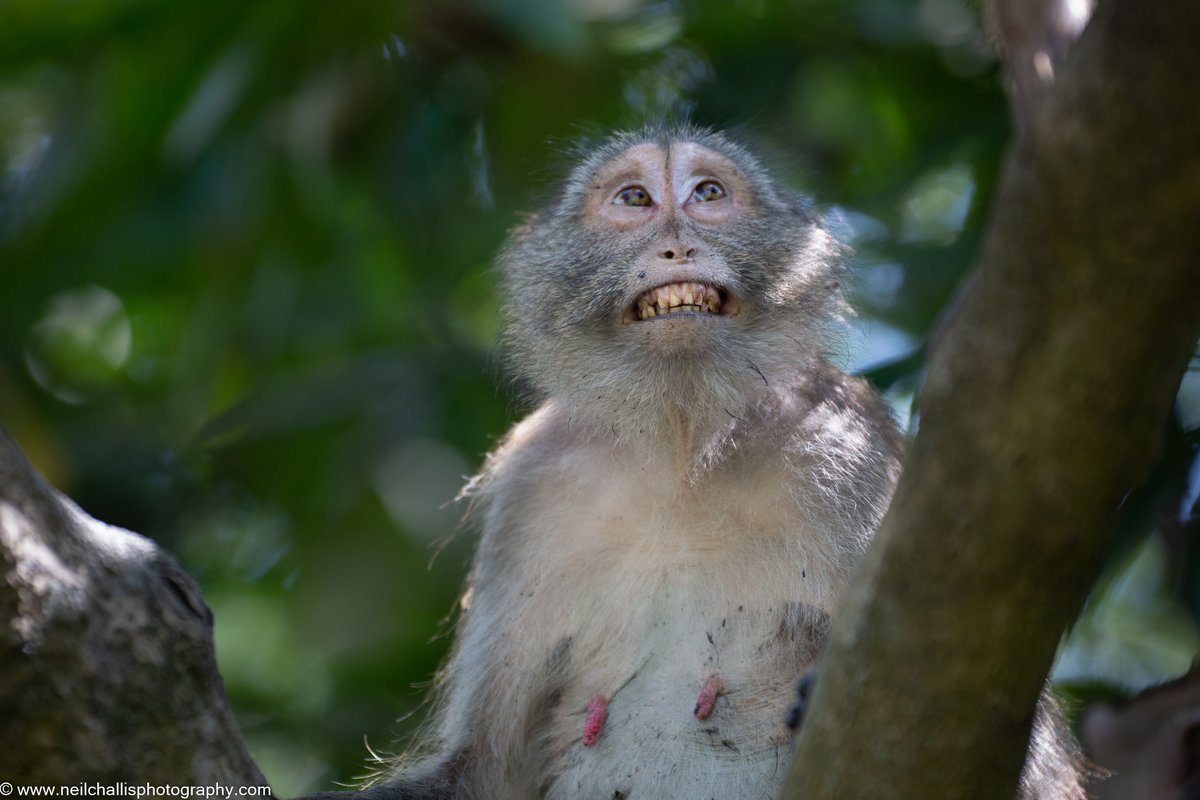
2️⃣ Bared Teeth Display: Known as a "fear grimace," this expression, often accompanied by raised eyebrows, indicates that the macaque is uncomfortable or feels threatened. It is not a friendly smile, but a clear sign of distress.
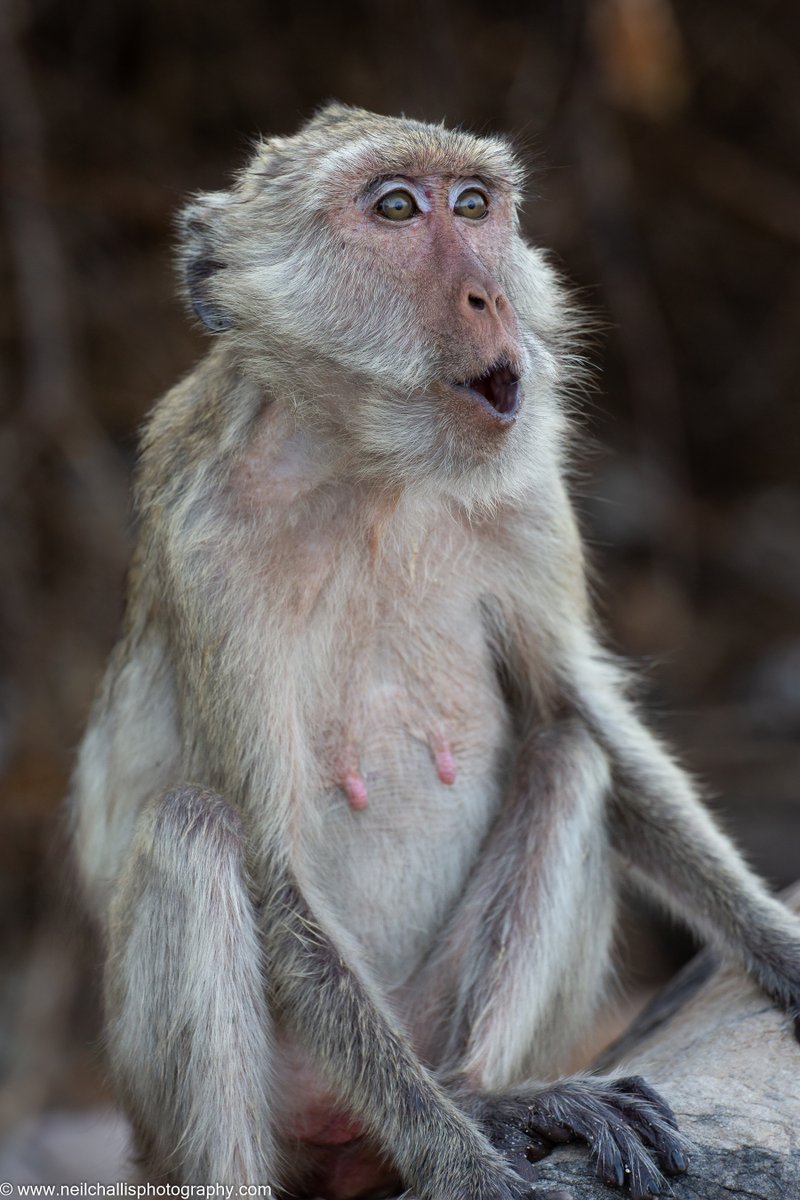
Understanding Macaque Facial Expressions
Humans rely on language, but macaques primarily use facial expressions to convey their emotions. Recognizing these expressions is crucial for minimizing negative interactions and promoting peaceful coexistence.
Photo: Neil Challis
1️⃣ O-Shaped Mouth: This "threat face" signals a warning, urging others to maintain distance. Often displayed when a macaque feels defensive or protective, this expression may shift into an open-mouth display with exposed canines—a clear escalation to an aggressive signal.
Females remain in their birth groups, with rank passed down from mother to daughter within a matriline. This rank affects everything from grooming privileges to access to food and mates. Males leave their birth groups before reaching sexual maturity.
Photo credit: Neil Challis
Long-tailed macaques thrive in large, multi-male/multi-female social groups. Macaque mothers are exceptionally attentive, keeping their infants close and teaching them essential skills like foraging and socialising.
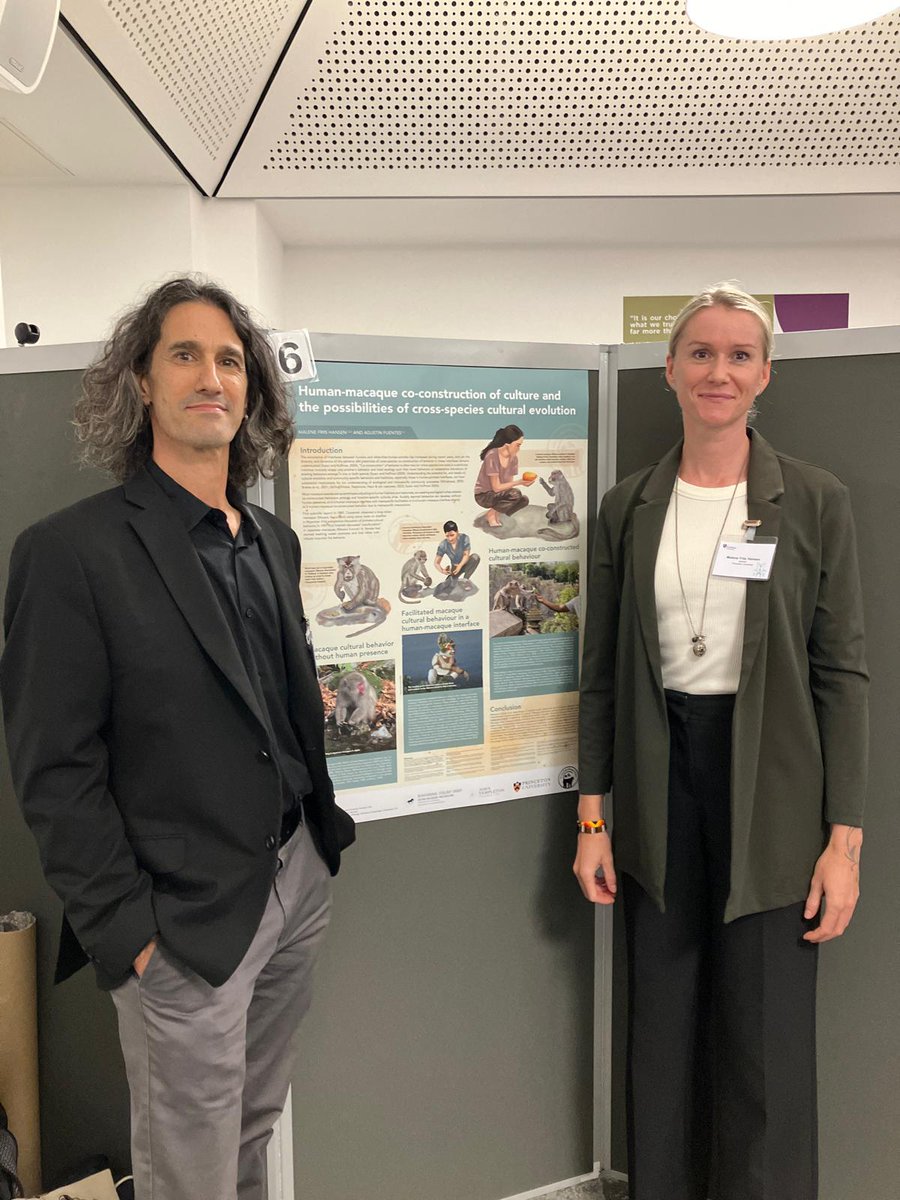
In today's world, human-wildlife interactions are increasing, yet much remains unknown about how culture is co-created between species. Using the long-tailed macaque as a model, they explore the emergence of shared cultural traits in different human-macaque interfaces.
Exploring Shared Cultures
Our co-founders, Dr. Malene Friis Hansen and Prof. Agustín Fuentes, showcased their latest research at the 2024 Cultural Evolution Society meeting in Durham! Their poster highlights the topic of cross-species cultural evolution.
Through community engagement and environmental education, Dr. Yap and her team have made a huge impact, including installing canopy bridges to ensure safe crossings for monkeys and have highlighted the importance of fostering harmony between people and our urban wildlife.
Researcher Spotlight 🔦🌟
Meet Dr. Jo Leen Yap, LMTP researcher and founder of @LangurPenang. Her innovative work focuses on building sustainable strategies to minimize negative interactions between humans and urban macaques in Penang.
Researcher spotlight 🔦
Introducing LTMP researcher, Asst. Prof. Lief Gamalo.
His research on long-tailed macaques sheds light on how these primates adapt their diet when exposed to tourism.
His findings reveal a shift towards human-sourced food due to provisioning, which can lead to negative human-macaque interactions. This research is crucial for informing both habitat conservation efforts and sustainable tourism management in regions where these macaques reside.
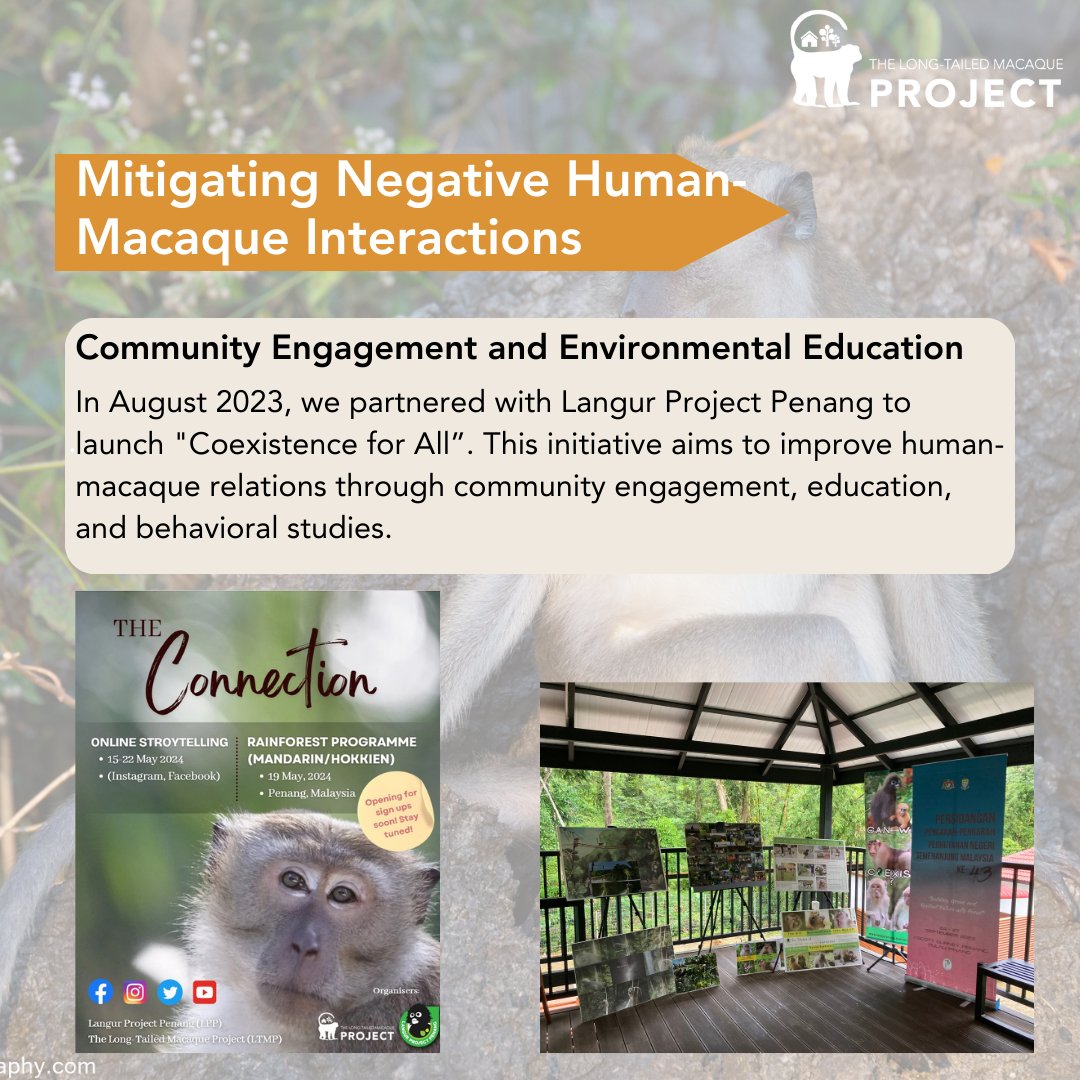
In August 2023, we partnered with @LangurPenang to launch Coexistence for All, promoting harmony between humans and long-tailed macaques in Penang, Malaysia. Led by Dr. Jo Leen Yap, the project addresses human-macaque interactions through education and community engagement.
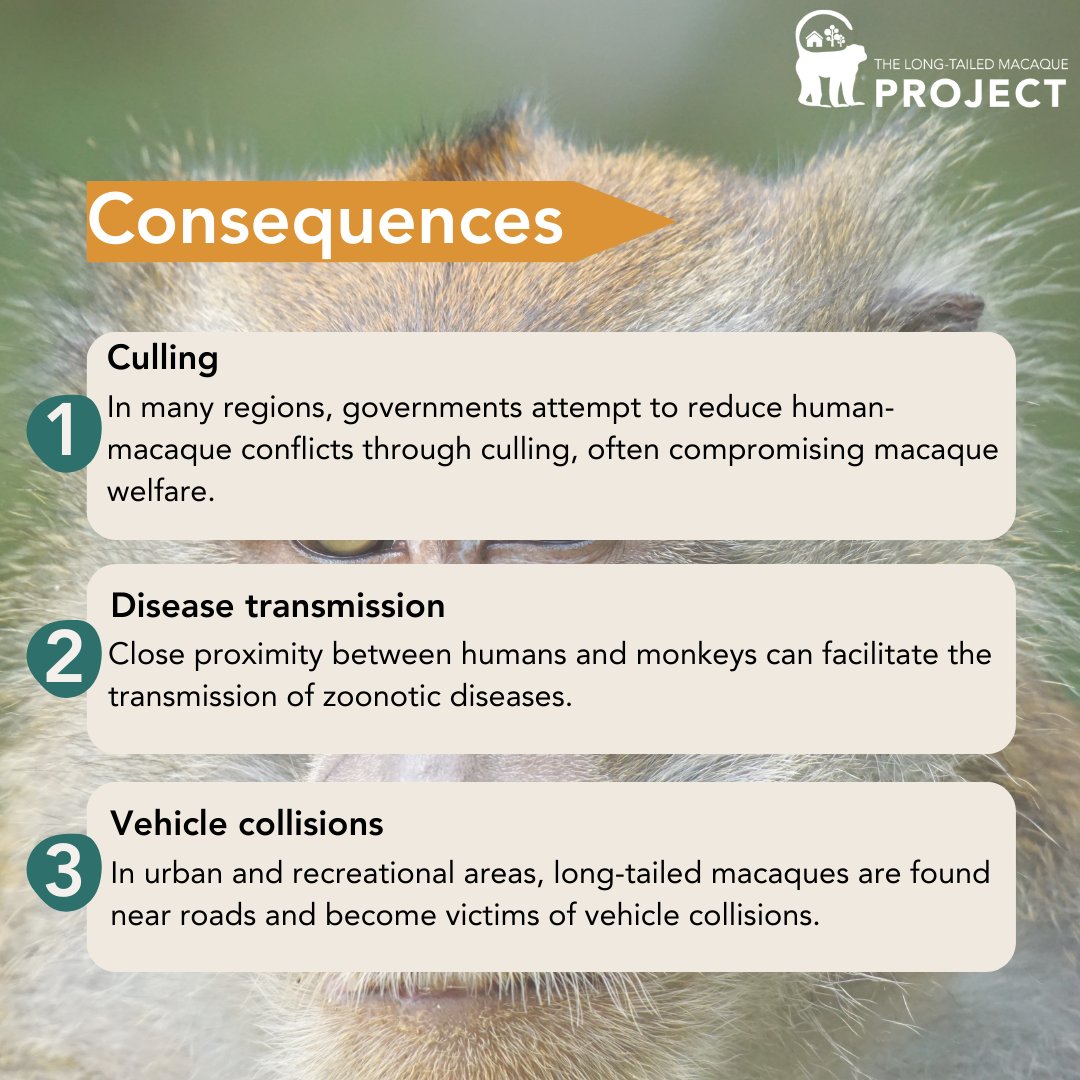
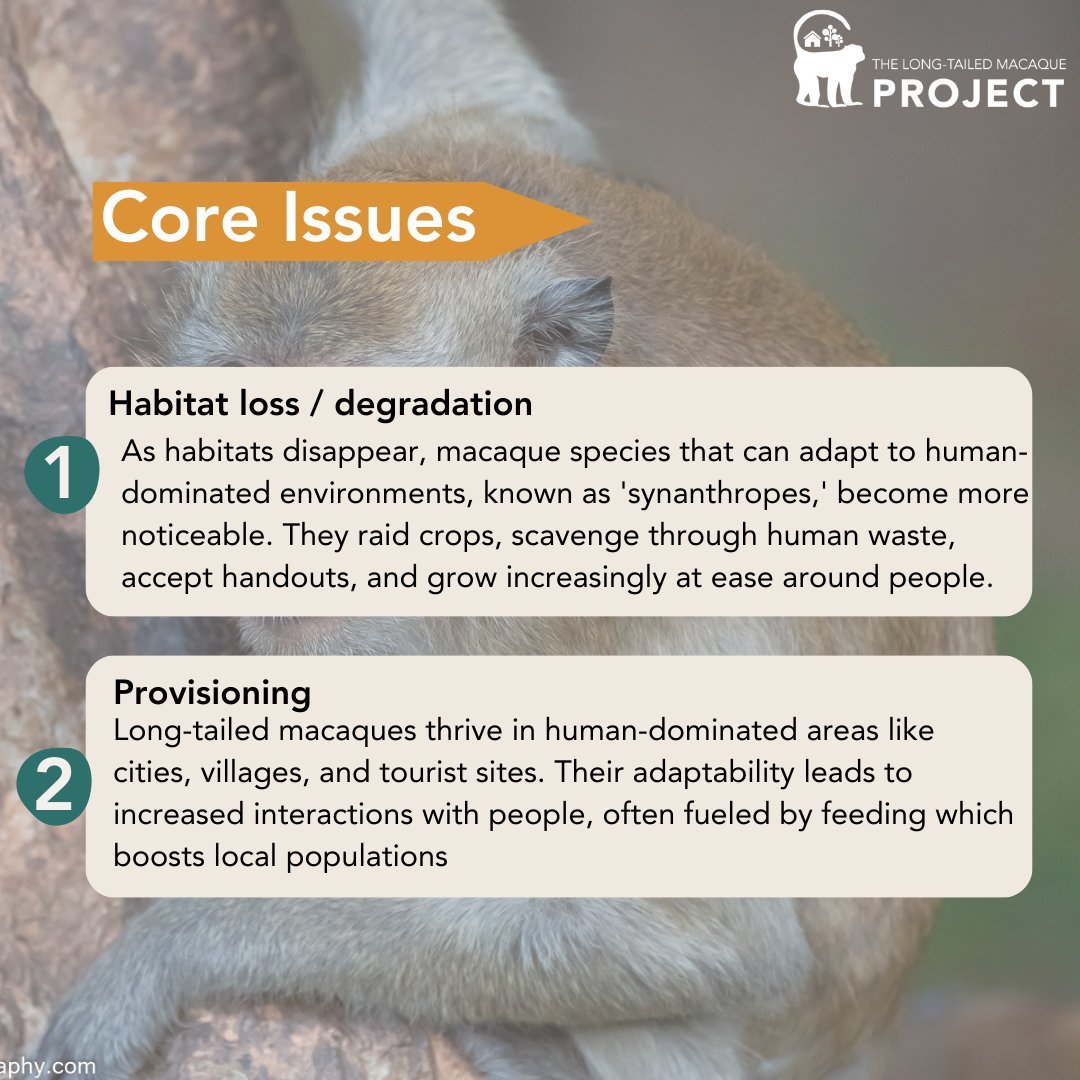
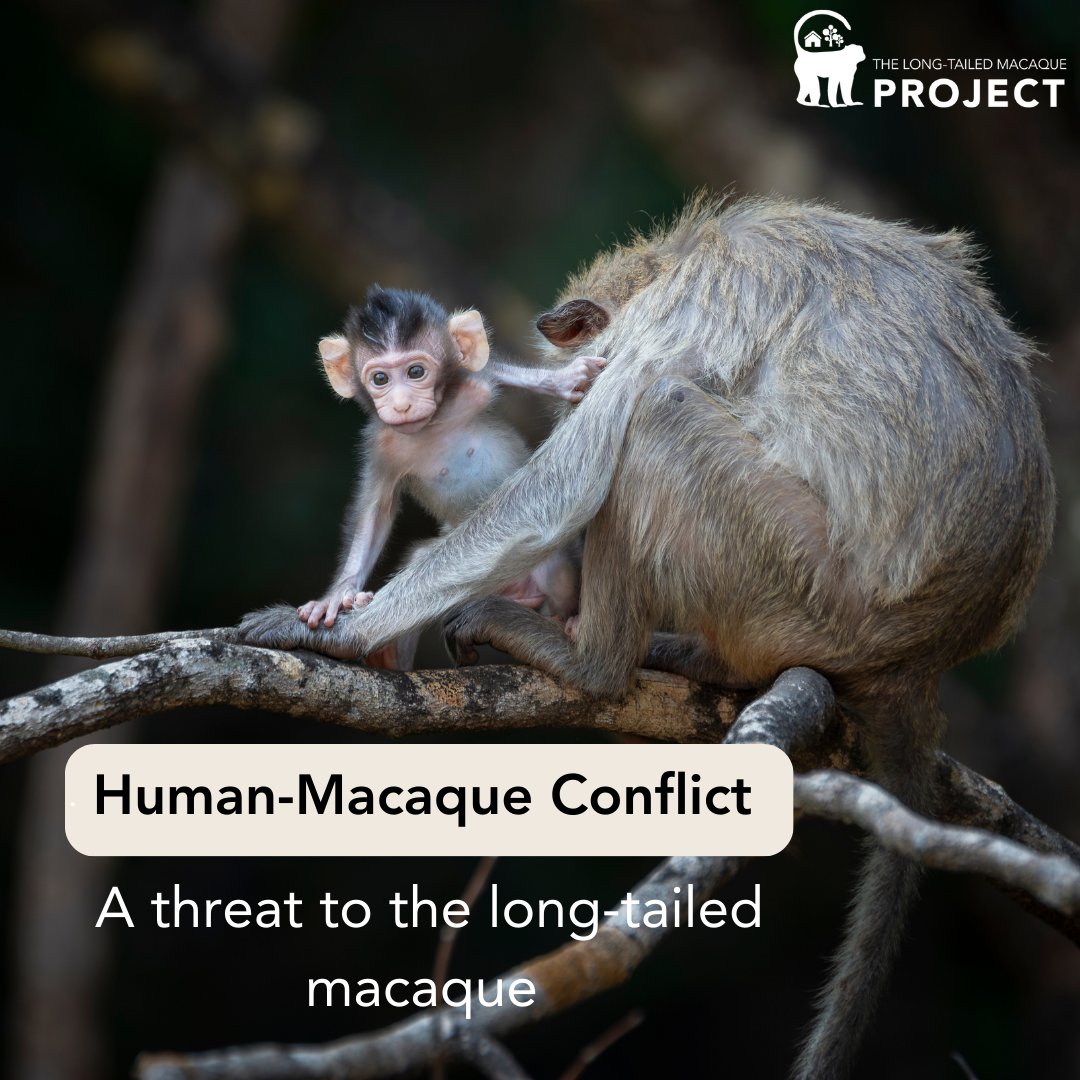
Human-Macaque conflict is one of the major threats to long-tailed macaques. Humans and monkeys have coexisted peacefully for centuries, unfortunately due to the increase in deforestation, habitat fragmentation, and people feeding them their numbers in urban areas has increased
Culling rates have increased due to a rise in human-macaque conflict From 2010 to 2021, an average of 72,500 long-tailed macaques were culled annually in Peninsula Malaysia.