Milica Radovic Mandic organizes Global Psychedelic Week around a simple question: what changes when a global conversation travels to local communities instead of asking everyone to enter the same room?
GPW runs November 2 to 8, 2026, online and through locally hosted events.
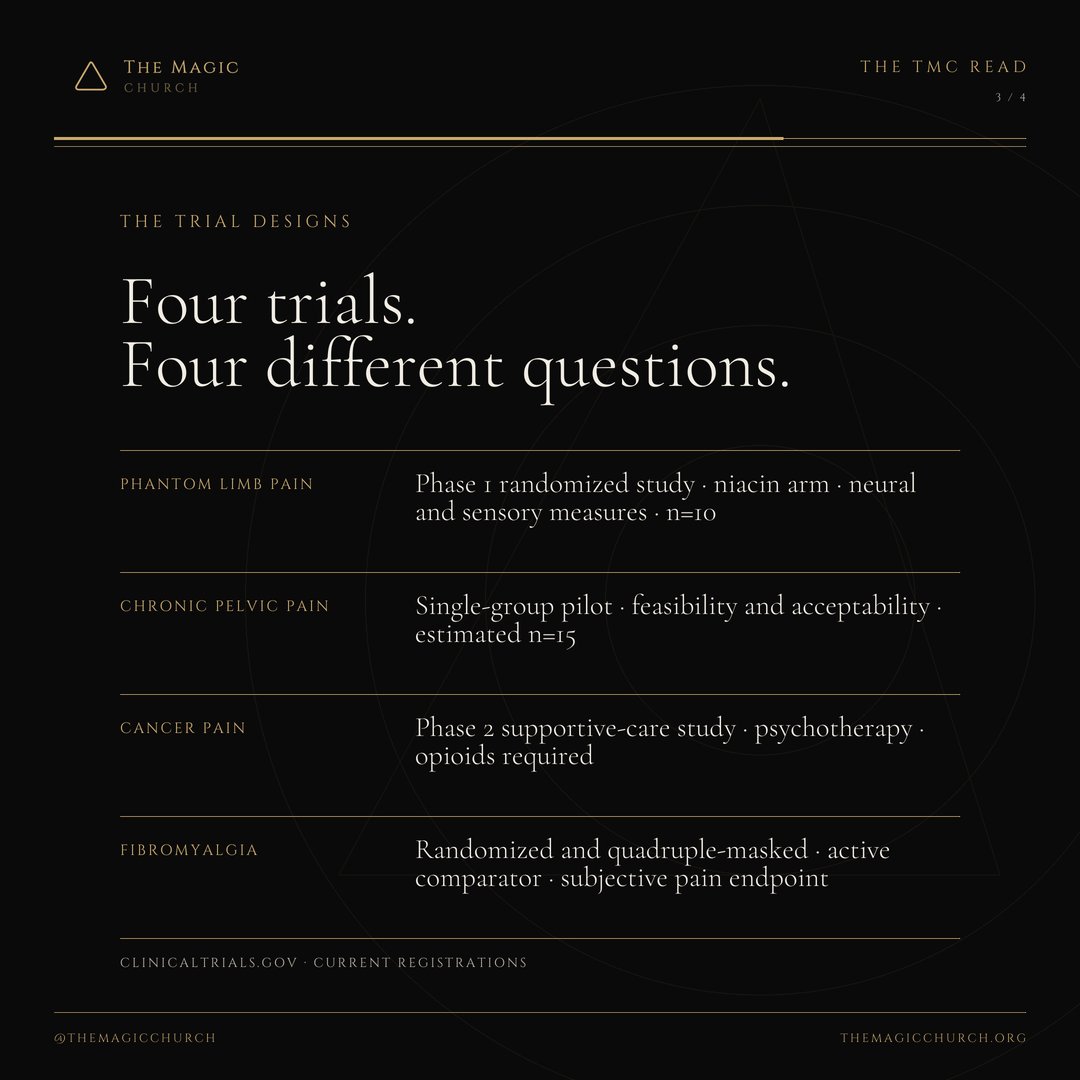
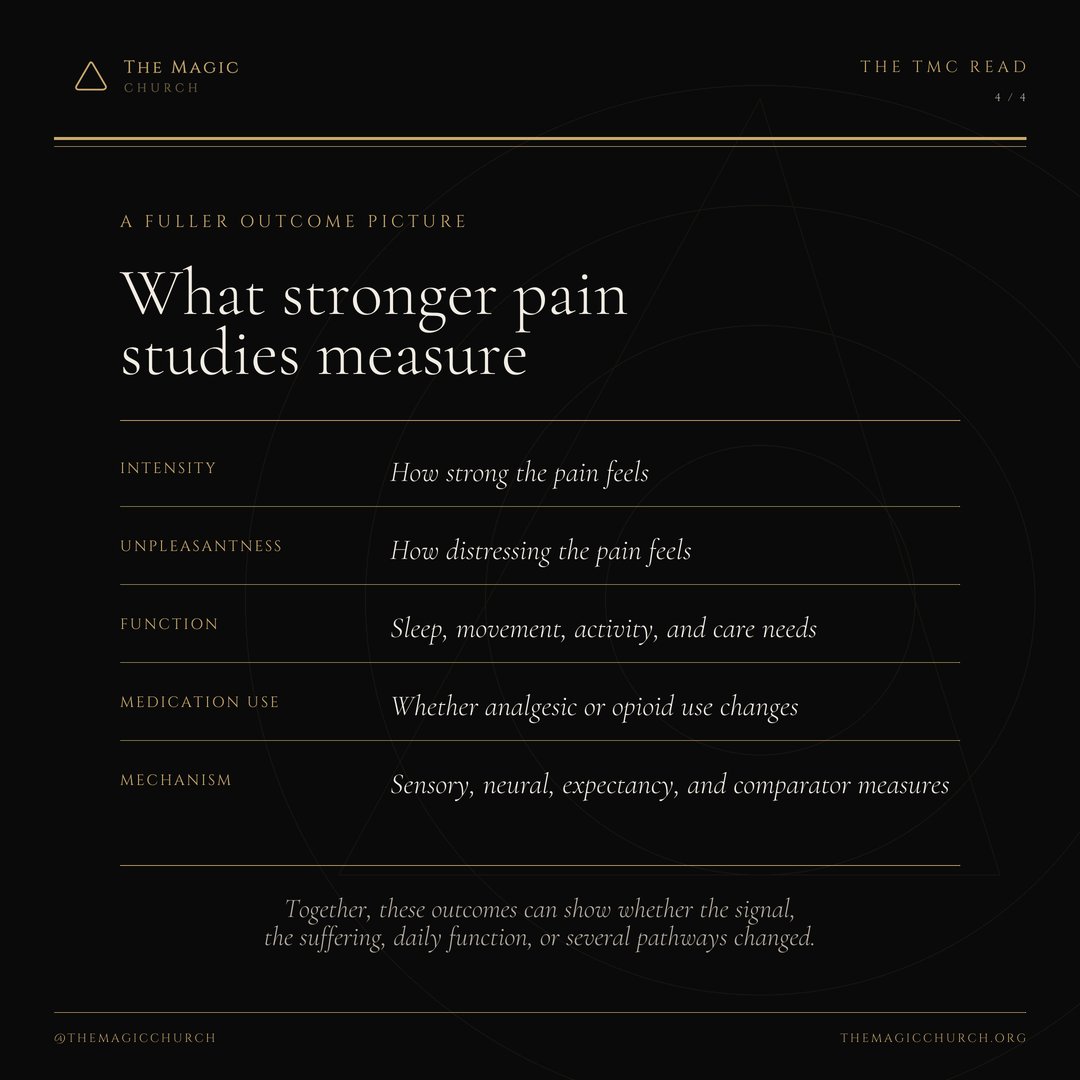
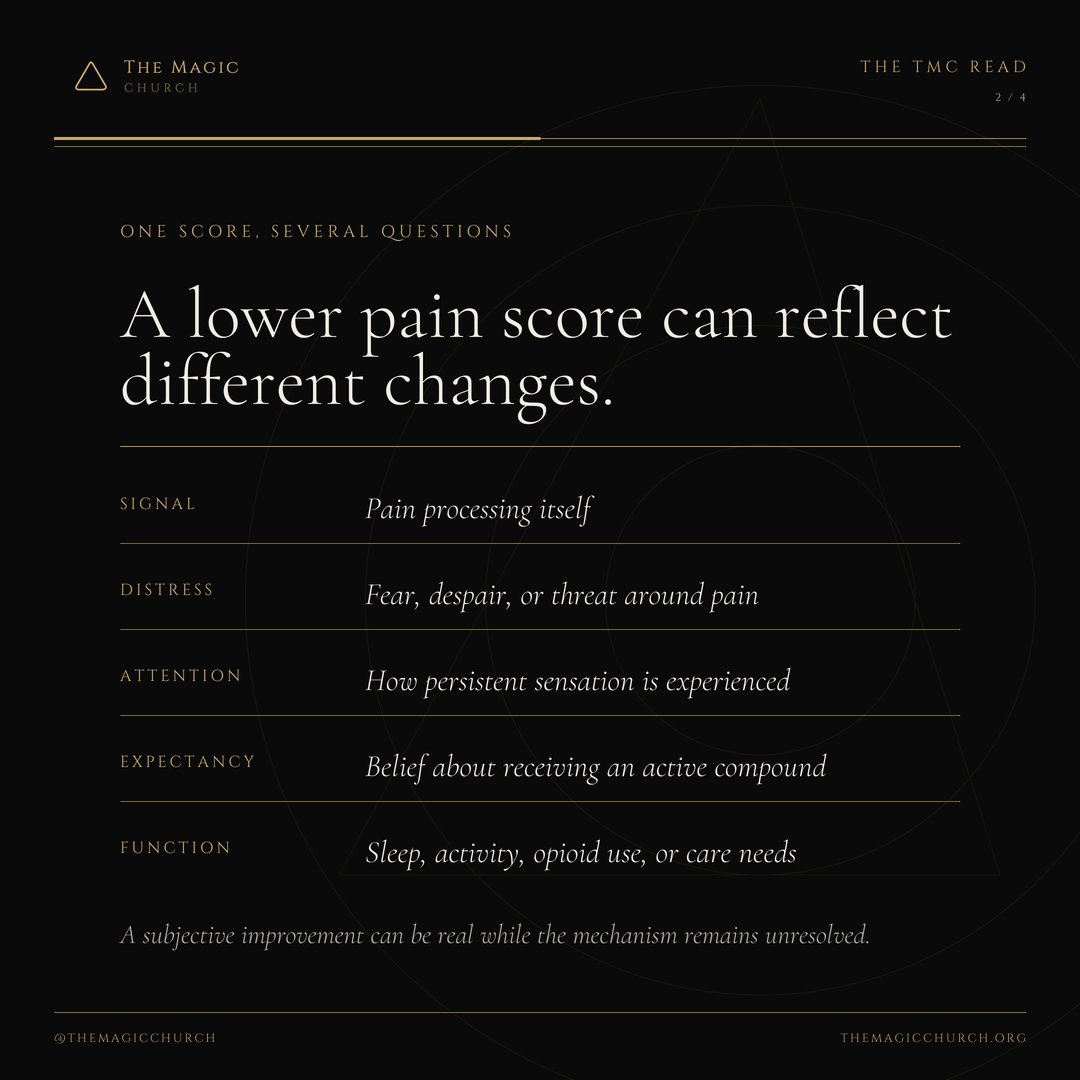
Psilocybin research is moving into phantom limb pain, chronic pelvic pain, cancer pain, fibromyalgia, and other conditions. The studies share a broad category, but they are not asking the same question.
Be part of this historic global gathering with us!
Global Psychedelic Week, November 2–8, 2026, features 7 days of online and in-person events across science, therapy, business, Indigenous wisdom, veterans’ healing, and more.
Join 5000+ experts, practitioners, and community leaders from 100 countries: seven days, one planet, infinite perspectives on healing, science, art, and community.
🎟️ Use our 10% off code: TMC_GPW10
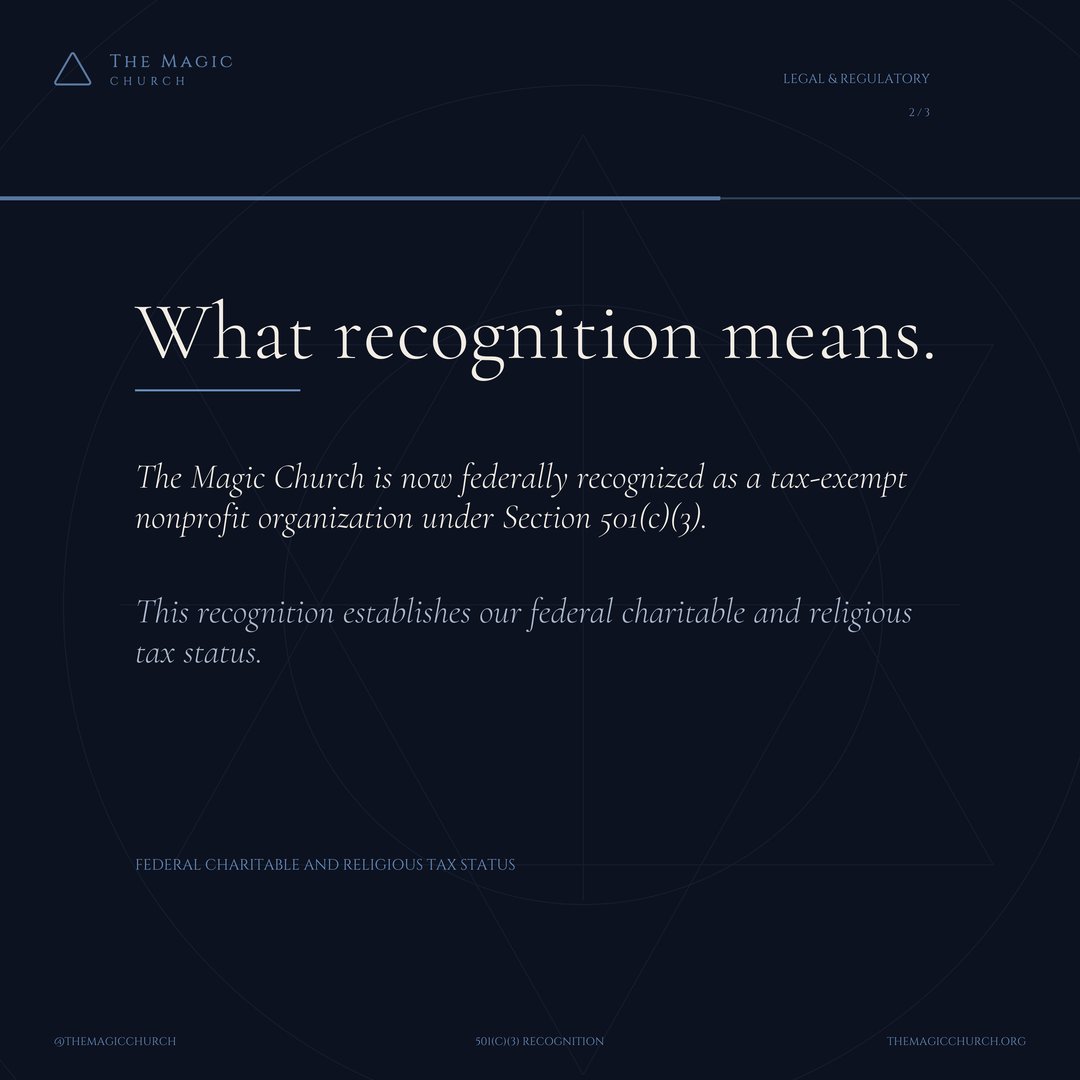
The IRS has recognized The Magic Church as a tax-exempt nonprofit organization under Section 501(c)(3) of the Internal Revenue Code.
For us, this is an institutional milestone rather than an endpoint.
The work of building a durable religious organization requires more than a mission statement. It requires governance, financial accountability, documented processes, legal structure, and continuity between what an institution says and how it operates.
RAND estimated that 11 million U.S. adults reported past-year psilocybin use in 2025. Different surveys can produce different estimates because survey frame, age range, and methods matter.
Source: https://t.co/MPCVJDZmnU
#themagicchurch#publichealthdata#research
We are honored to welcome Dennis M. Robinson as our first Advisory Board member.
Dennis brings 25+ years of major gift strategy, donor cultivation, and philanthropic leadership across public health, research, community development, and mission-driven organizations.
His experience will support The Magic Church as we build long-term governance, safety, education, research translation, and institutional infrastructure for responsible religious practice.
Welcome, Dennis.
#themagicchurch #foundingadvisor #philanthropy #psychedelicinfrastructure #missiondriven
A new trial is studying psilocybin in bipolar II depression, a diagnosis most major psilocybin programs exclude from depression studies.
The Houston study is recruiting adults with bipolar II depression and elevated suicide-risk markers. It is a single-group Phase 2 study testing up to two 25 mg psilocybin doses with therapeutic support.
The trial excludes active suicidal crisis and recent medically significant suicide attempt. It also requires participants to taper off mood stabilizers and other relevant medications before dosing.
This is safety-first research, not proof of efficacy and not a treatment recommendation.
If you or someone you know is in crisis, call or text 988 in the United States.
Source: @behavioralwire, https://t.co/2o7pnezywV NCT06706232, and JAMA Psychiatry.
#psilocybinresearch #bipolarii #mentalhealthresearch #psychedelicresearch #themagicchurch
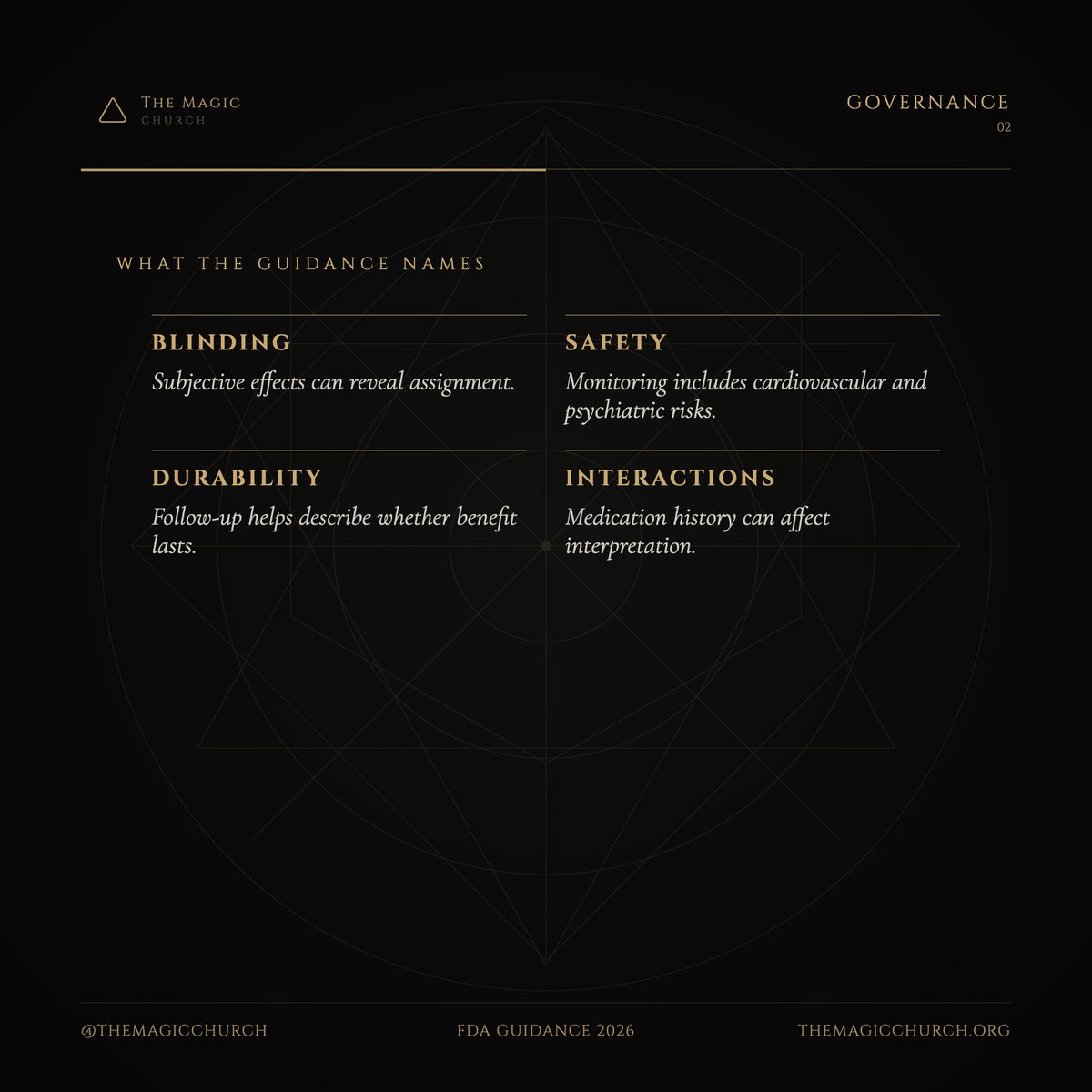
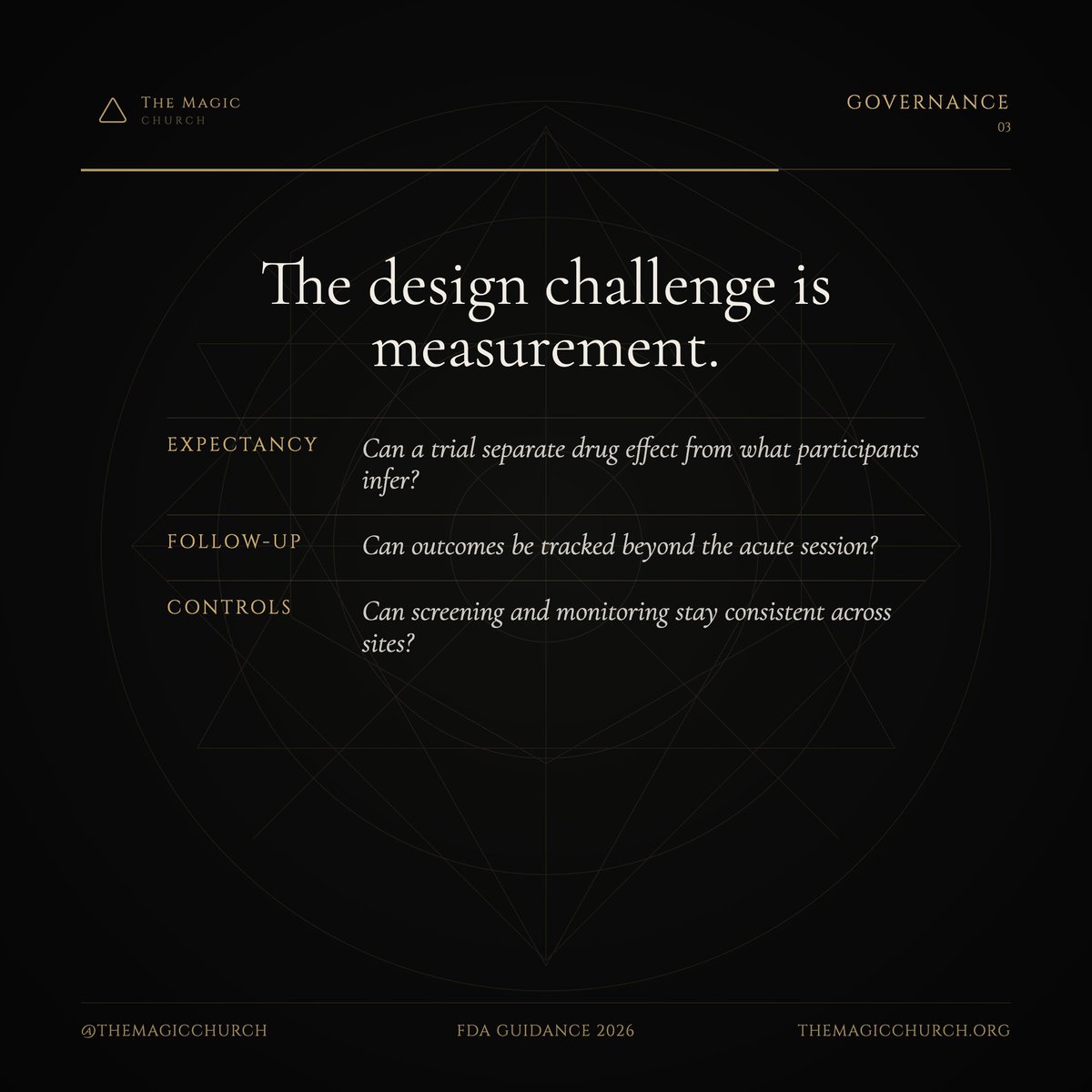
FDA’s final psychedelic guidance names practical trial-design questions: blinding, safety monitoring, durability, retreatment, abuse-potential assessment, and drug interactions.
The research question is not only the compound. It is the system around the session.
#themagicchurch #psychedelicresearch #governance
A small Imperial College London pilot examined psilocybin therapy in women with severe, treatment-resistant anorexia nervosa, published this month in the British Journal of Psychiatry.
Eating-disorder symptom scores changed across follow-up. 18 of 21 participants showed improvement two weeks after the final dosing session, and nearly half scored in a range comparable to someone without an eating disorder by three months.
The study also reported a serious adverse event. One participant was hospitalized following suicide attempts at seven and nine months after dosing. The research team reviewed the case and assessed it as unrelated to the psilocybin sessions.
The design was open-label, had no control group, and included a small sample. It cannot show that psilocybin caused the improvement.
Source: Douglass, Spriggs et al., British Journal of Psychiatry, 2026. Reporting and analysis: Behavioral Wire.
#psilocybinresearch #anorexianervosa #eatingdisorders #psychedelicresearch #themagicchurch
Matthew Johnson studies psychiatry and behavioral pharmacology at Johns Hopkins University.
His work has helped shape how the field thinks about psychedelic risk, benefit, and responsibility.
Power requires structure. Careful handling is the point.
#psychedelicresearch #psychiatry #behavioralpharmacology #themagicchurch
Do facilitators shape psychedelic experiences?
A 2026 Psychiatry Research analysis examined this question across 9 psilocybin administration studies, including 298 participants, 670 dosing sessions, and 60 facilitators.
The estimated facilitator-associated variance was 0.8% in healthy volunteer studies and 13.6% in clinical samples. The study does not identify which facilitator behaviors drove the difference, but it points to an important next research question: which facilitator factors matter, and in which settings?
Source: Goldy et al., Psychiatry Research, 2026. DOI: 10.1016/j.psychres.2026.117010.
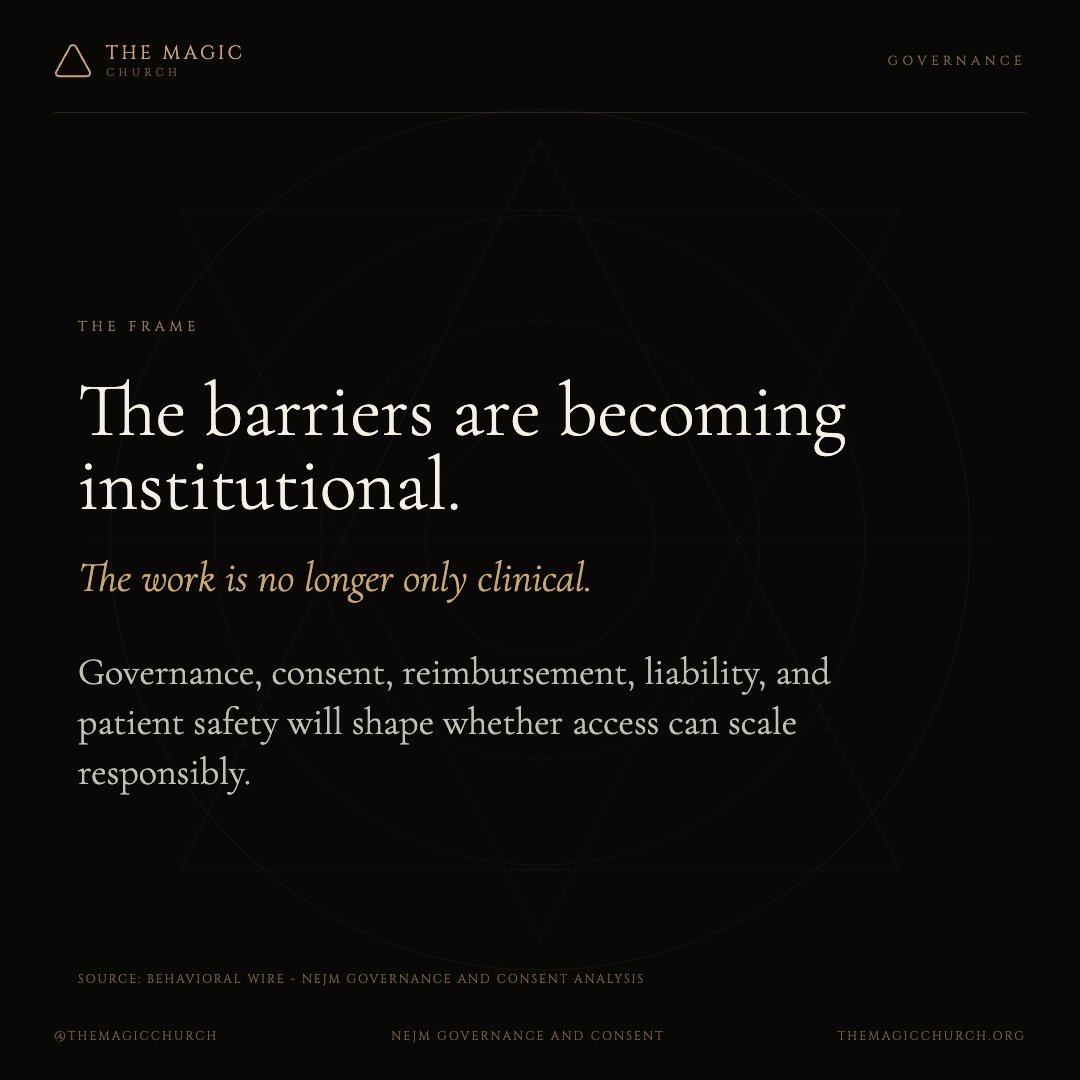
Two New England Journal of Medicine Perspective pieces, discussed by Behavioral Wire, point to a shift in the psychedelic field.
The live questions are no longer only clinical efficacy. They are also jurisdiction, informed consent, reimbursement, liability, oversight, and patient safety.
That distinction matters. If psychedelic care moves from trials into state programs and possible FDA-regulated pathways, governance becomes part of the care model itself.
Source: Behavioral Wire, June 18, 2026; New England Journal of Medicine Perspectives by Hughes and by Zisman-Ilani & Yehuda, June 2026.
More than 8 million people in the United States reported using psilocybin in the past year, according to a 2026 University of Illinois analysis of 2024 National Survey on Drug Use and Health data.
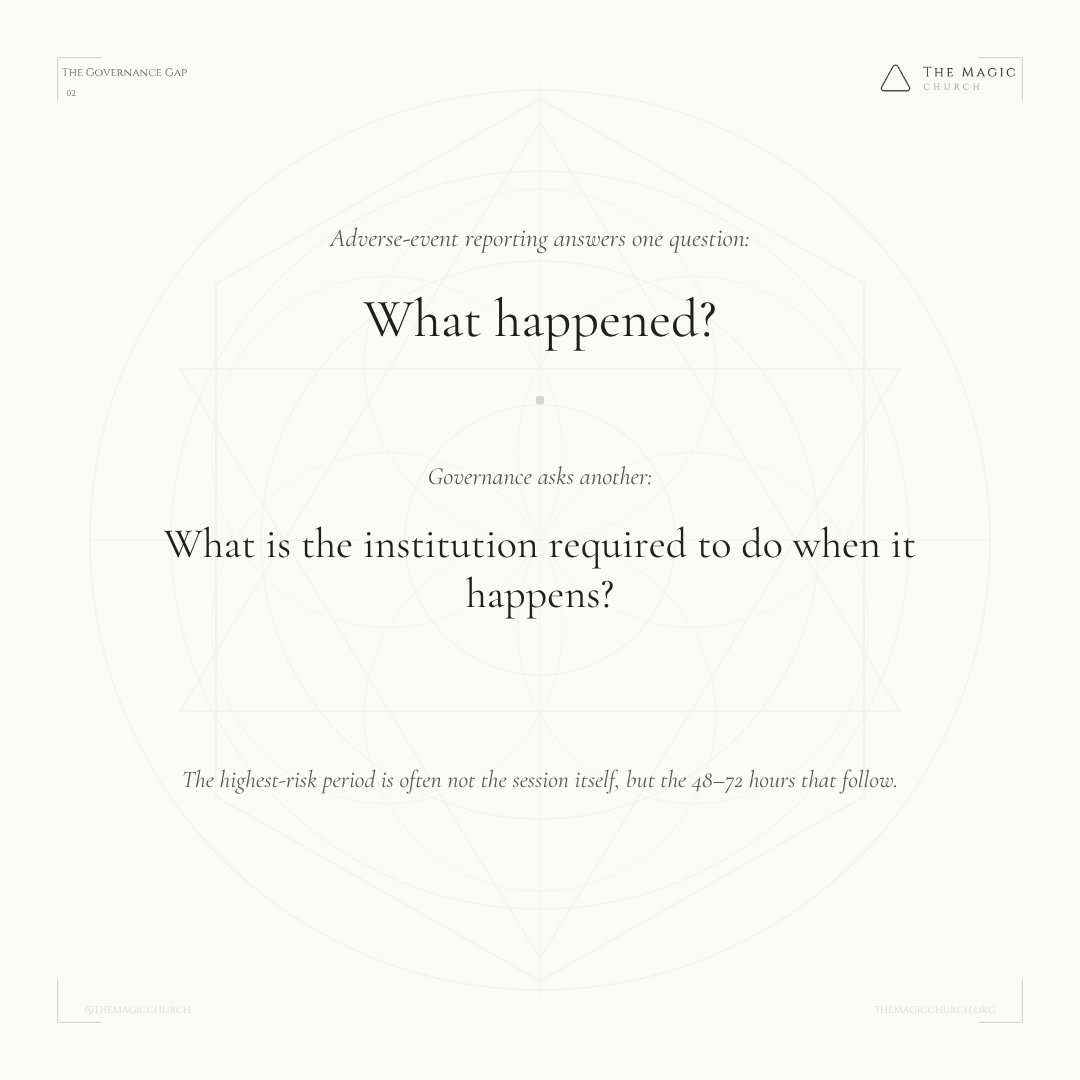
Adverse-event reporting is not the same thing as governance.
“What happened?” is a research question.
“What is the institution required to do when it happens?” is a systems question.
The highest-risk period may not be the session itself, but the 48–72 hours after it.
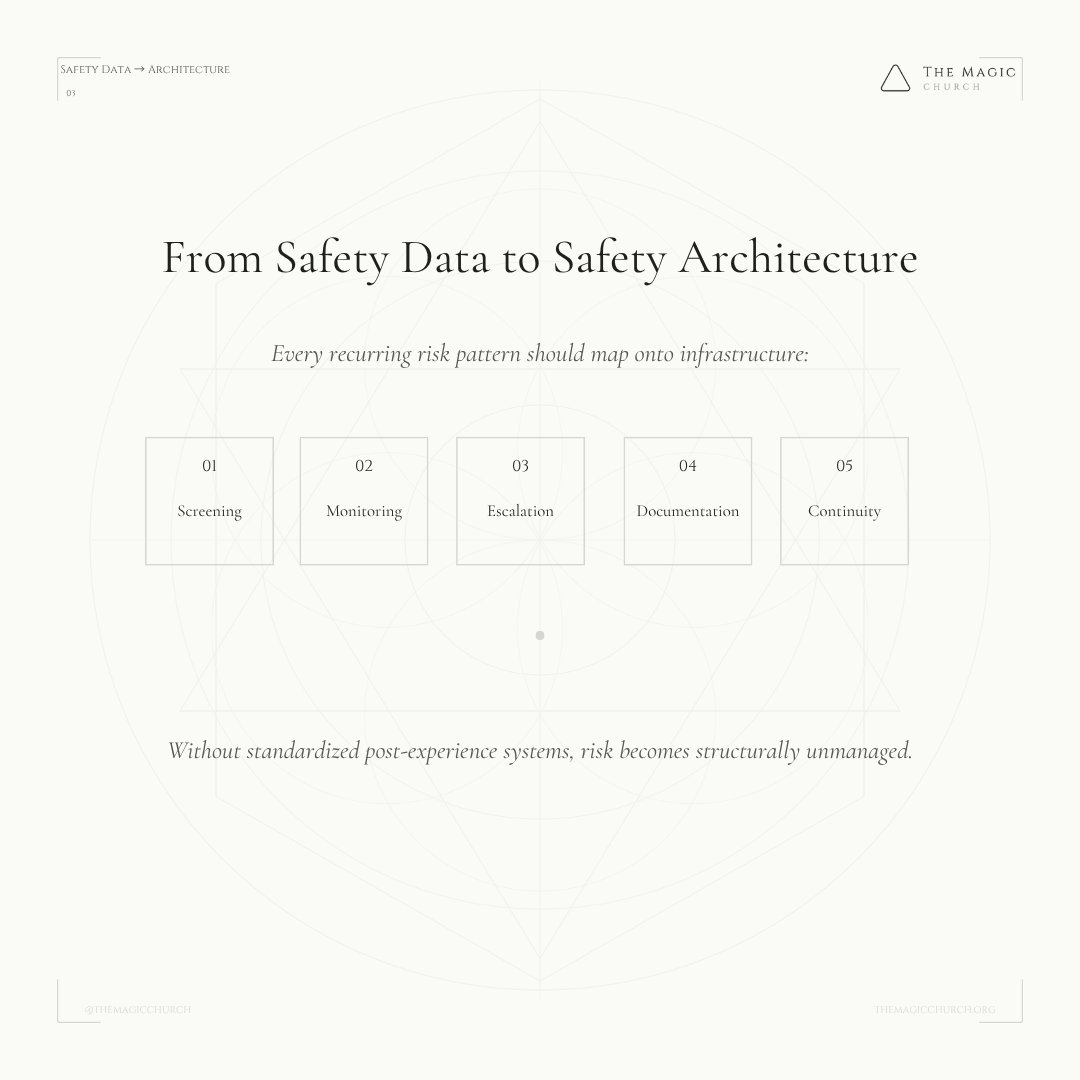
Psychedelic safety infrastructure is entering its governance phase.
@buddhaUniversit Inflammation may absolutely play a role in burnout for some people, but we also think it’s important to look at psychological state, environment, nervous system load, and post-experience support structures together rather than reducing it to a single variable.
Andrew Huberman has repeatedly emphasized that psychedelics interact with neuroplasticity and learning states.
We are aligned with this direction.
→ Heightened plasticity increases the importance of post-experience infrastructure, monitoring, and continuity systems. #psychedelics #mentalhealth #neuroscience #neuroplasticity