Our final episode, The Harvest, is out now! Thank you to our guests @AyyVeeBee and @MarjorieRubrig1 for teaching us about husbandry, kitchen gardens, and the theme of harvesting in early modern literature (and keeping us laughing the entire time)
https://t.co/6aeSPaq5g5
#CfP: ‘On Location: Material Space and Literary Production c.1500-1651', 23-24 June 2022, University of Oxford.
Abstracts by 28 February, 2022 to [email protected].
https://t.co/2Dh76AbwXT
#CfP: ‘On Location: Material Space and Literary Production c.1500-1651', 23-24 June 2022, University of Oxford.
Abstracts by 28 February, 2022 to [email protected].
https://t.co/2Dh76AbwXT
'The climate crisis is not caused by vague “human actions”; nor is it a result of some innate aspect of human nature. It is caused by specific investments by specific people in specific things. Change those, and we can change the future.'
Our final episode, The Harvest, is out now! Thank you to our guests @AyyVeeBee and @MarjorieRubrig1 for teaching us about husbandry, kitchen gardens, and the theme of harvesting in early modern literature (and keeping us laughing the entire time)
https://t.co/6aeSPaq5g5
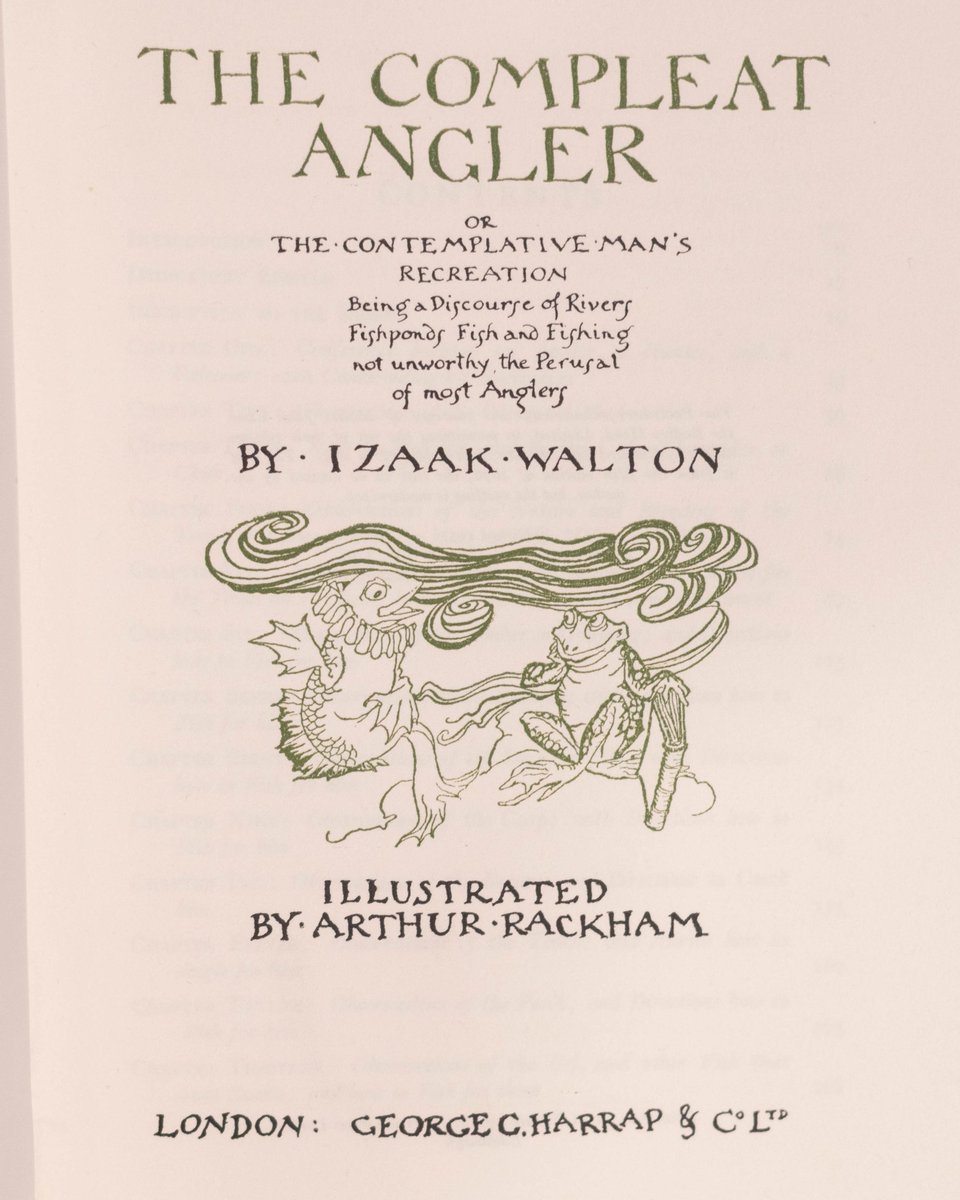
The compleat angler, or The contemplative man's recreation; being a discourse of rivers, fishponds, fish, and fishing not unworthy the perusal of most anglers, by Izaak Walton. Illustrated by Arthur Rackham. London, G. G. Harrap & co., ltd. [1931]
https://t.co/DqewODV4W8
Great news: On the Nature of Things is finally available on Apple Podcasts! It's also on Anchor, Spotify, Pocket Casts, or wherever you get your podcasts. Happy listening!
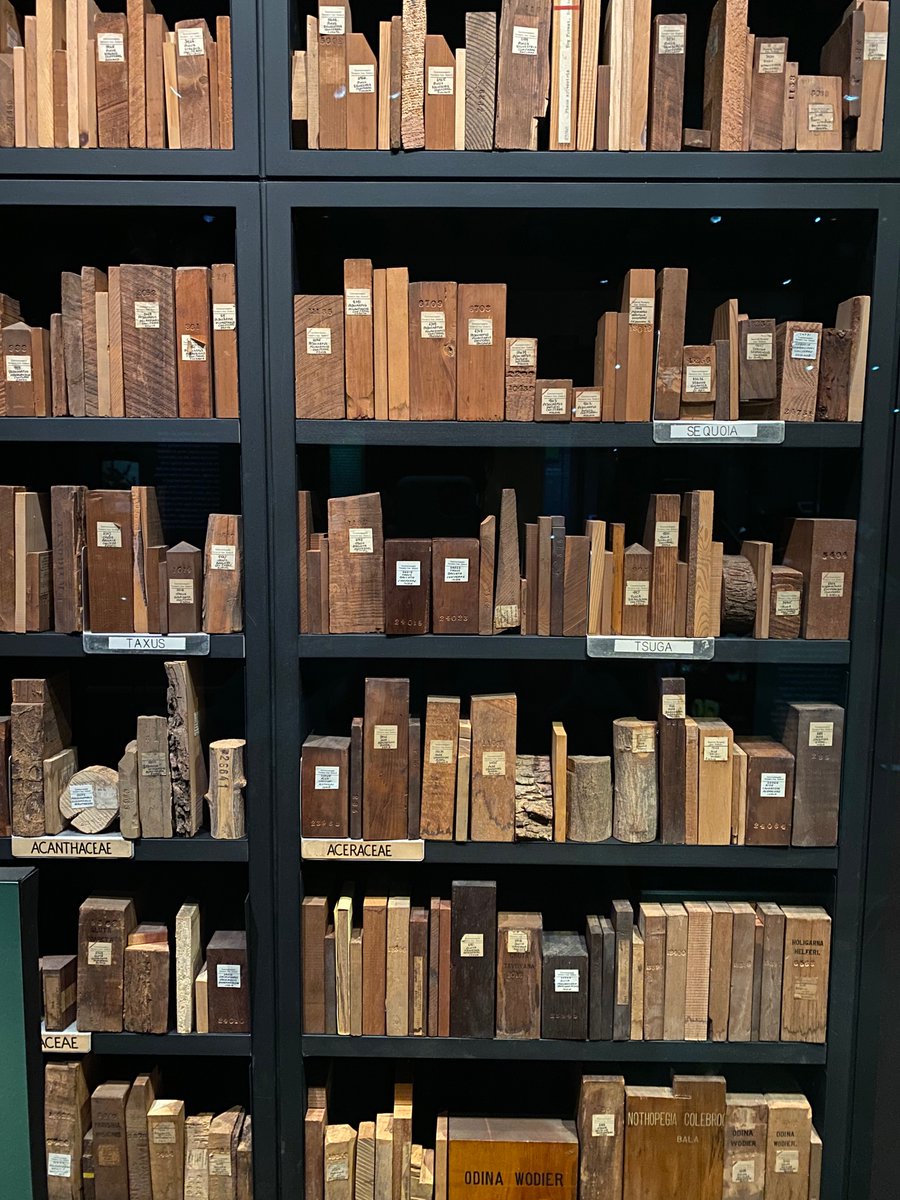
The exhibition features a selection of pieces of wood from Oxford’s xylarium, which is a collection of different types of wood. The Oxford xylarium began in 1924 and contains 24,000 wood samples!
Call for participants! The 'Eco, Bio, Zoo' workshop for postgrads and ECRs will bring medievalists and early modernists together to produce new thinking on ecocriticism, animal studies, and biopolitics.
Application deadline is 20th August, go go go!
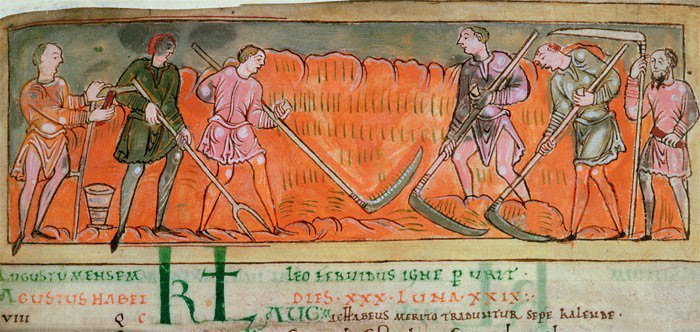
In many early medieval calendars, 7 August - halfway between midsummer and the autumnal equinox - is the beginning of a new season. It's the first day of autumn, when the earth is rich with the abundance of the harvest. Some Anglo-Saxon harvest poetry: https://t.co/mVAnDVogNv