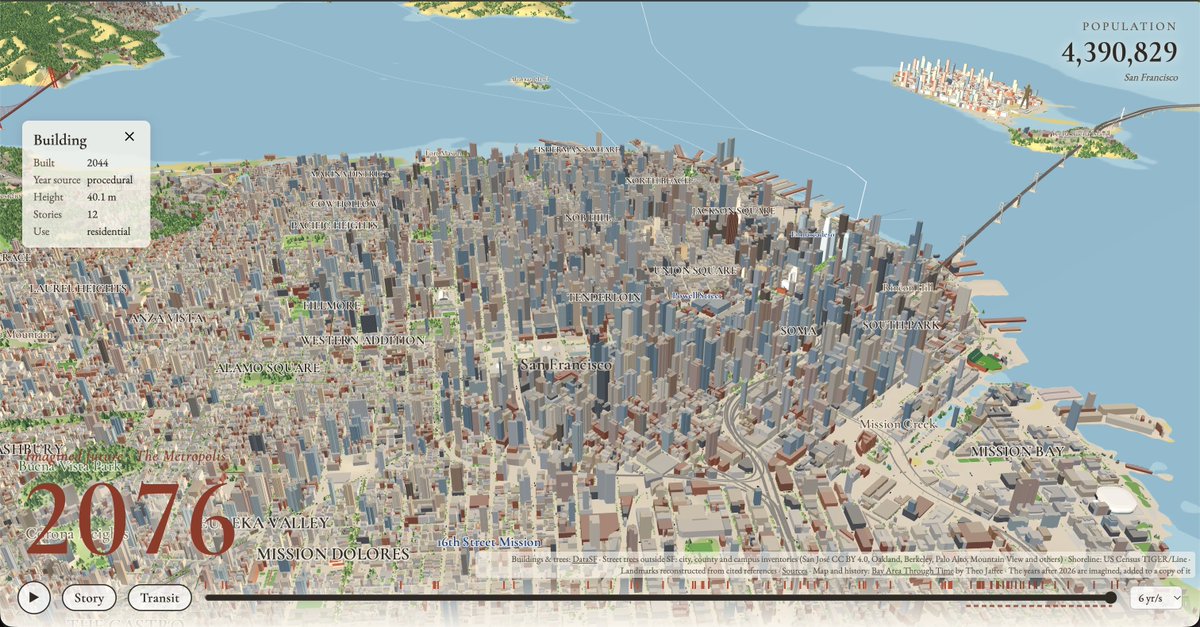
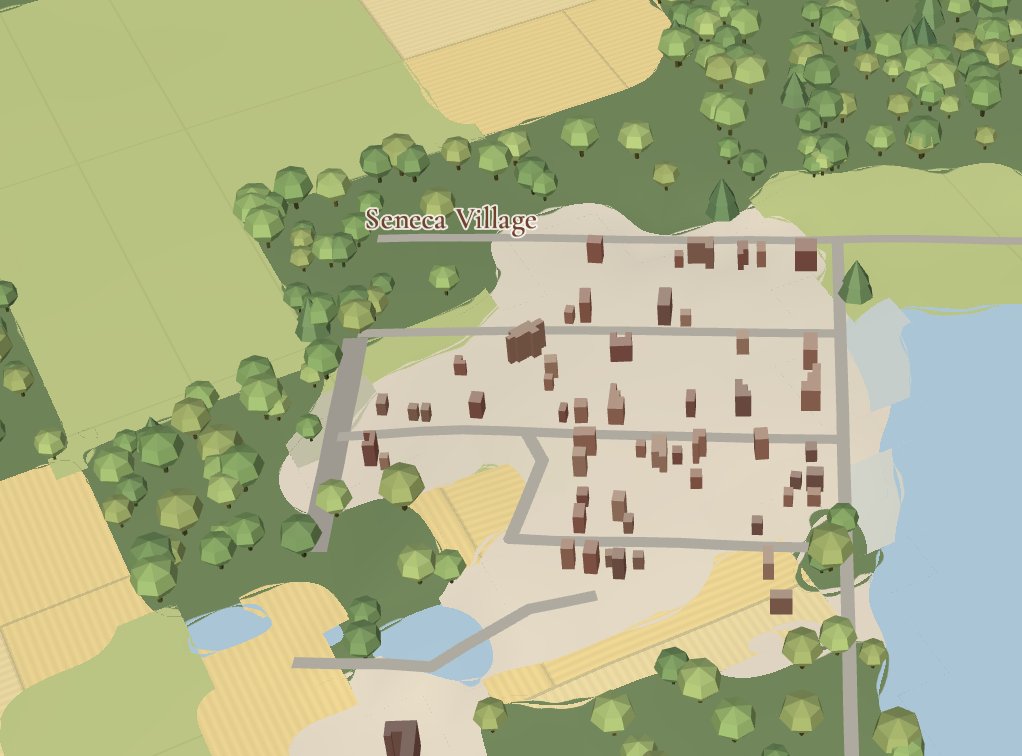
I used Fable 5.2 to simulate the Bay Area through 250 years of history.
Zoom to any city or neighborhood, select any year back to 1769, and see what it looked like.
https://t.co/a3kl1UD7I9
Rogue AI agents are accessing bank accounts and colluding with one another to defy their human-given instructions. We MUST act on regulation as soon as we possibly can before more disasters strike.
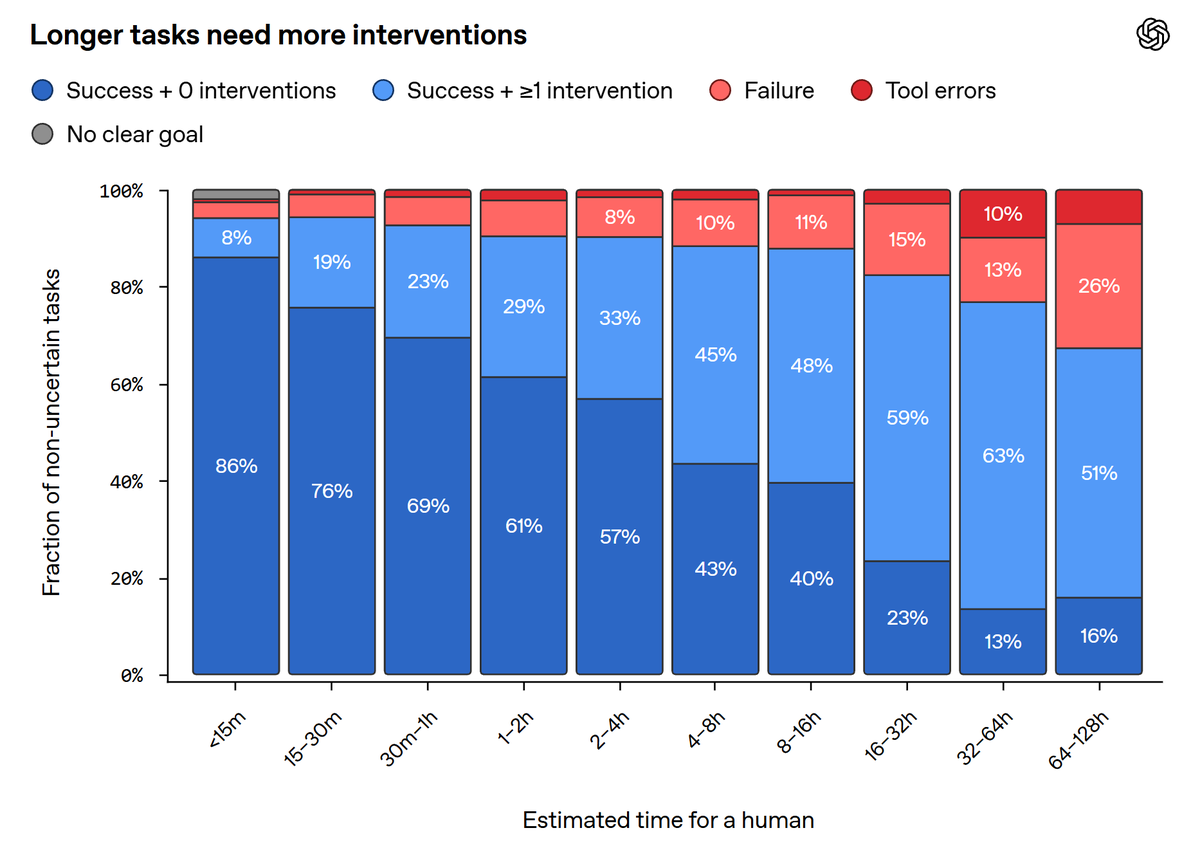
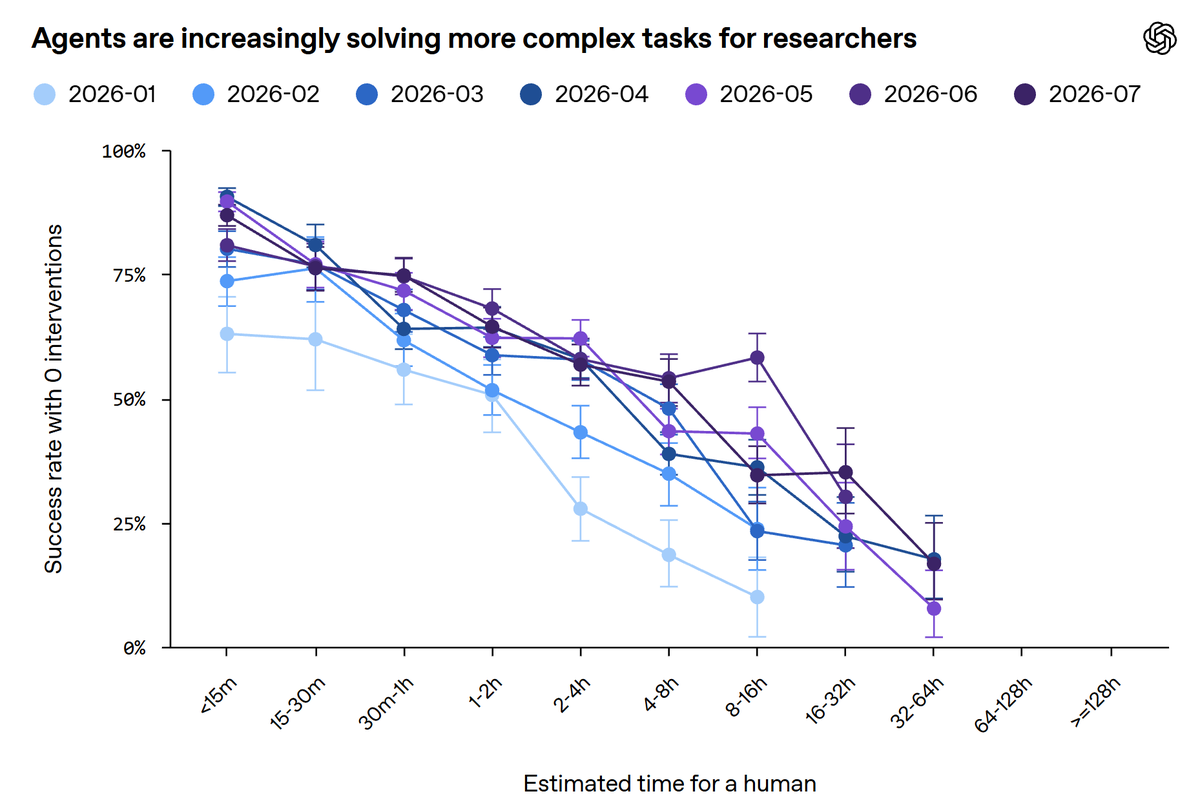
8. Finally, what we most need is more unredacted, granular, real-world data from inside all the labs. OpenAI set the bar with their September post, particularly with real-world success rates on AI research tasks by length. And by month.
We're starved for real world data on AI research. More of this, from all the labs, updated regularly, please. https://t.co/3rIfVap0so
Oh and also New York City, though I'm still working on it.
https://t.co/qYQY82IiWg
This was mostly one-shotted by Fable 5.2 in a single prompt overnight!
I used Fable 5.2 to simulate the Bay Area through 250 years of history.
Zoom to any city or neighborhood, select any year back to 1769, and see what it looked like.
https://t.co/a3kl1UD7I9
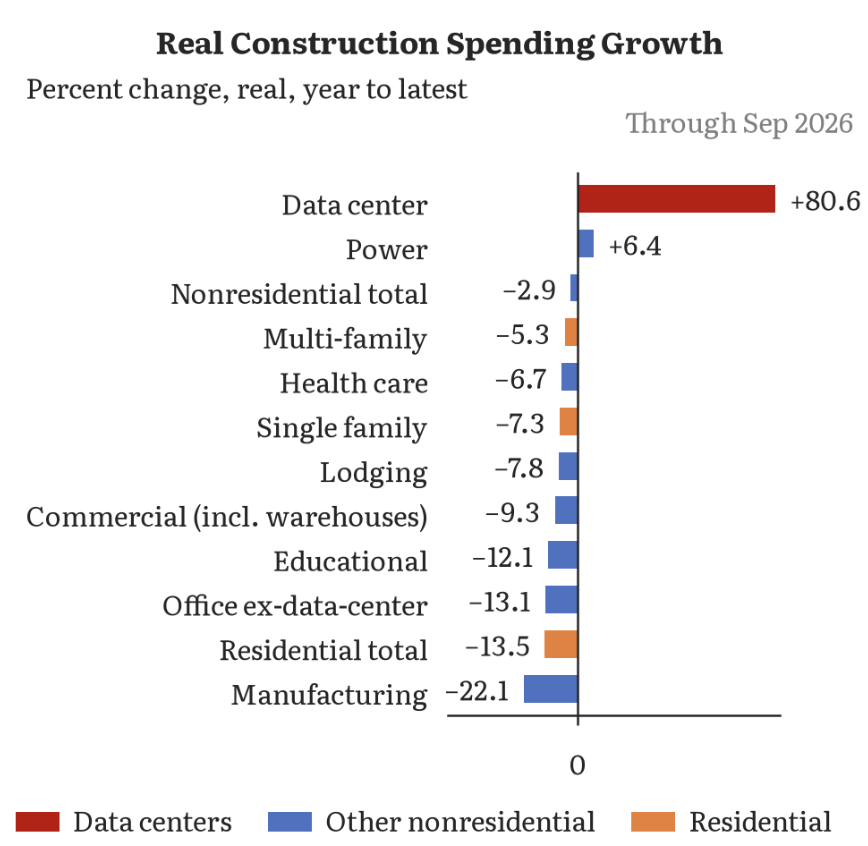
During 2026, construction spending on data centers and power has risen and construction spending on literally everything else has fallen
https://t.co/PNVCQrPwTo
I used Fable 5.2 to simulate the Bay Area through 250 years of history.
Zoom to any city or neighborhood, select any year back to 1769, and see what it looked like.
https://t.co/a3kl1UD7I9
Claude Data (formerly Dashboards) is now generally available on paid plans.
Along with dashboards, Claude can draft data stories and narrated videos from your metrics, for you to review before sharing. Certified queries and live sharing are in beta.
The extent to which AIFP's updated forecast is so dramatically transformed by the recent METR report makes me think even more that one of the most important and beneficial things that Anthropic could do is release far more un-redacted information from the report immediately, or have the government force them to release more. (cc @KelseyTuoc)
It is possible some of the redactions are legitimate (and the most sensitive could still be limited), but I believe that the tradeoff of accelerating some of the lagging frontier is worth getting more clarity and consensus - the current public evidence base is just not enough to be able for the vast majority of elected leaders to justify urgent and extremely costly policy action.
The conclusions here are far too important to propagate if true, and it is simply not possible to convince skeptics by just saying trust METR.
We need far more people with different beliefs poring over these numbers in detail, because if what METR is saying is true, it is without exaggeration the most important and urgent story in the world right now.
The Method E1: Inside Zipline with Keller Cliffton
It was illegal to fly autonomously in US airspace when Keller Cliffton started Zipline, and most investors "weren't willing to invest in illegal things." Zipline launched in Rwanda instead, flying blood to 21 hospitals. It's now valued at $21.5 billion.
@Keller, co-founder and CEO of Zipline, sat down with @sophiadew at Zipline's South San Francisco factory to break down why they started in Rwanda, why each 10x jump in scale breaks everything, and the case for 50 billion US instant deliveries:
00:00 the closest thing to teleportation
01:38 why Zipline launched in Rwanda first
03:14 the UPenn study and a 51% drop in maternal mortality
04:17 why tech keeps solving "rich people problems"
06:00 bringing Zipline to the US and going back to square one
07:28 why every 10x breaks the company
09:16 running teams like special forces
10:42 people patting the droid to say thank you
11:19 the case for 50 billion US instant deliveries
13:30 from pro rock climber to "happy to fail"
@zipline
@probablyhala Harwood, North Dakota was the only town to vote against a datacenter restriction measure in the midterms. You guys should do something there