PeerJ’s flagship journal now welcomes Chemistry, Materials Science, and select Engineering, alongside Biology, Medicine, and Environmental Sciences. Explore the refreshed site + submit: https://t.co/6O2XjSl28r #OpenAccess#OpenResearch
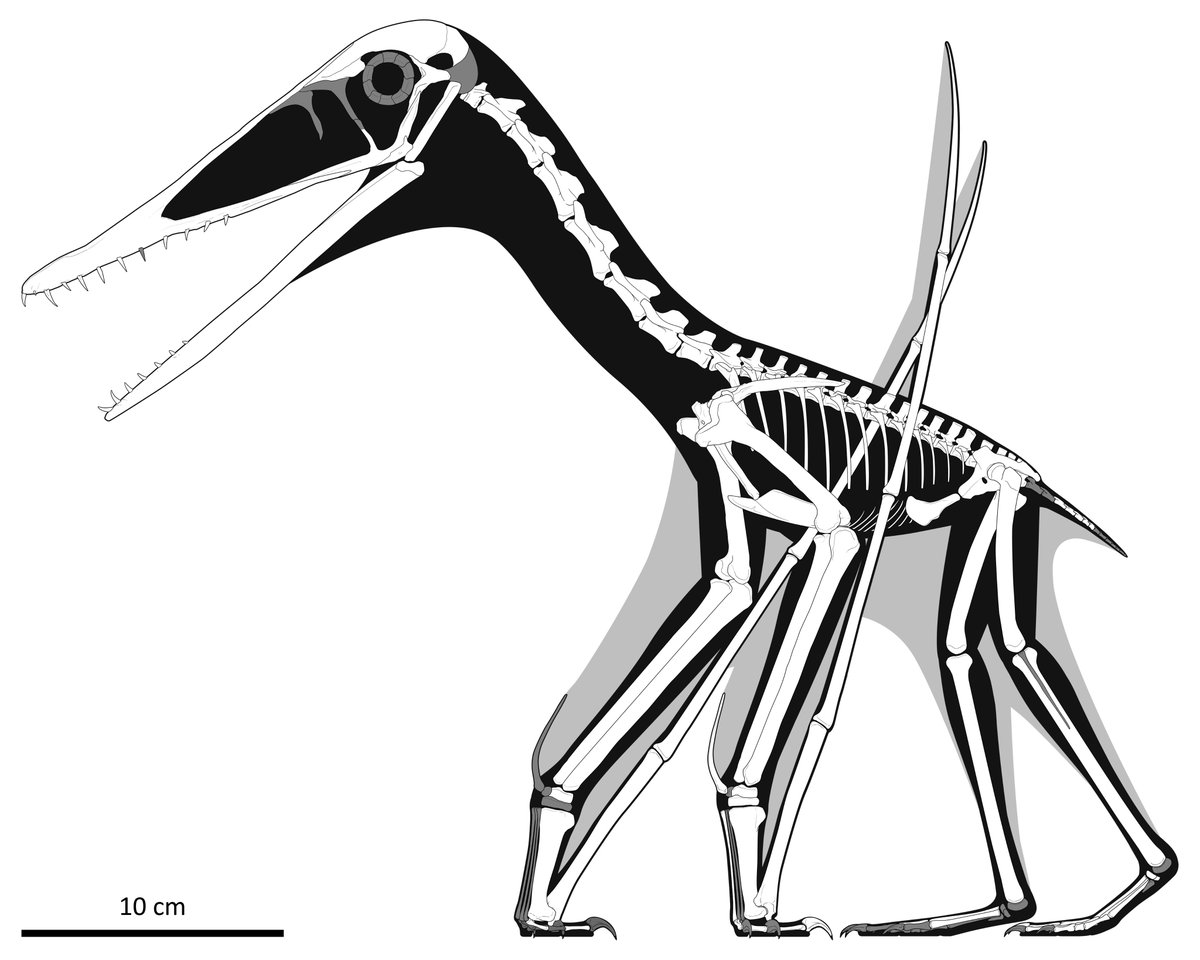
New pterosaur alert!
Laueropterus vitriolus, a new very complete genus from southern Germany that I reconstructed for a new paper in @thePeerJ by Dave Hone:
https://t.co/f2RJr4Vc9O
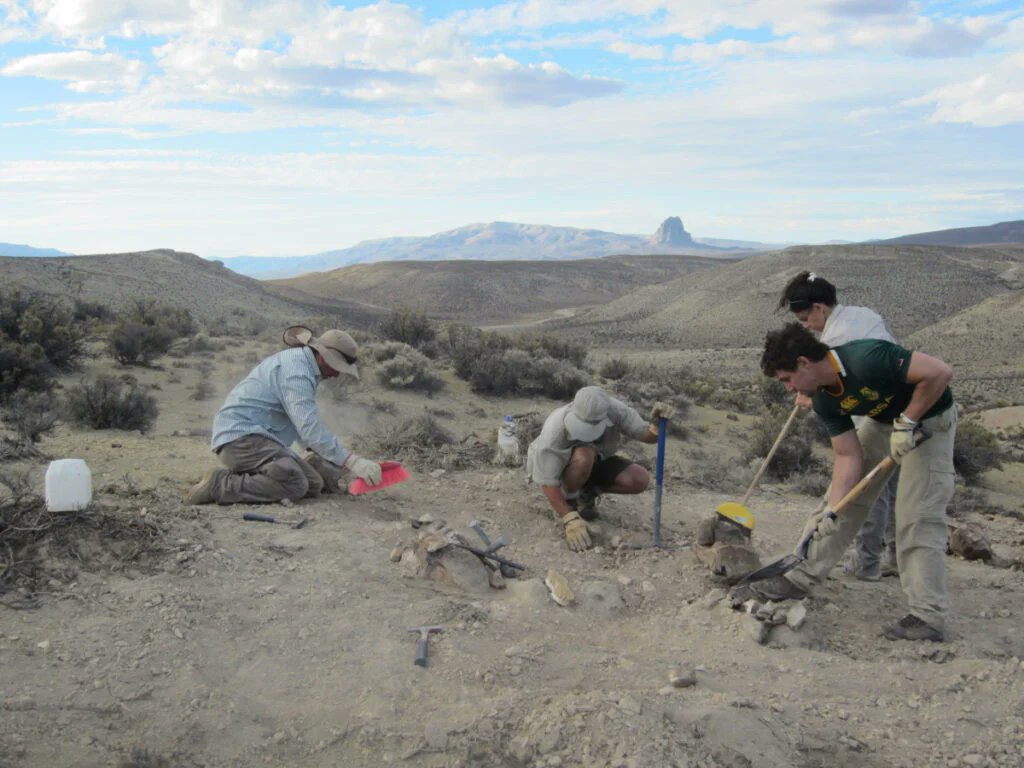
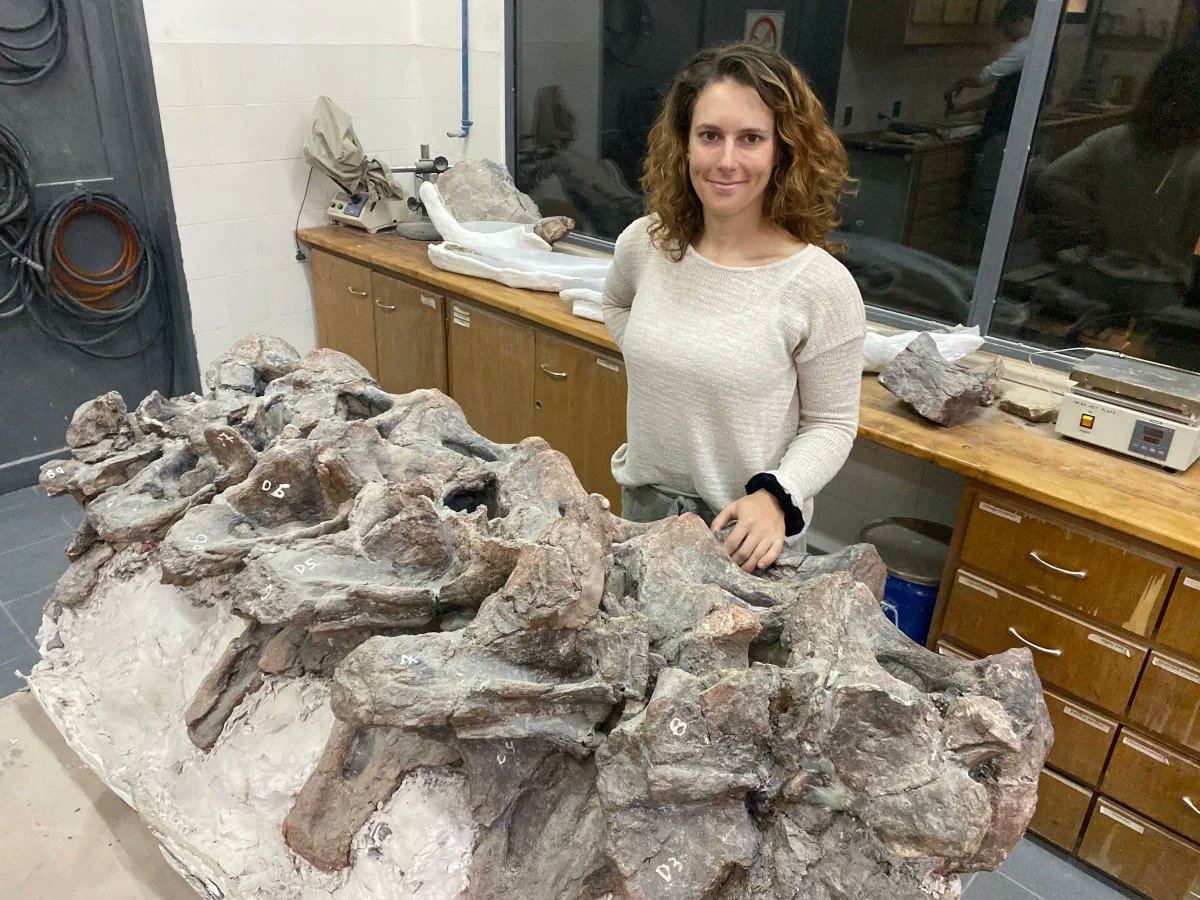
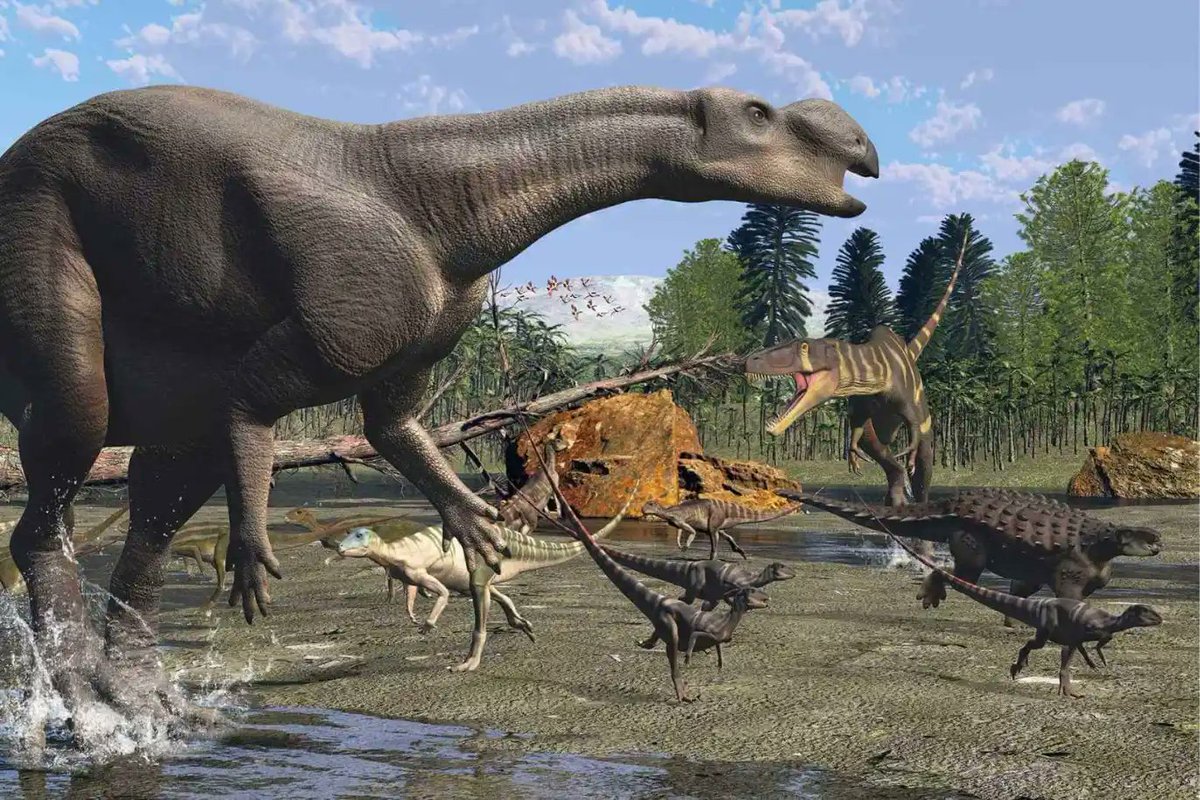
A 155-million-year-old sauropod from Patagonia, Bicharracosaurus dionidei, preserves a rare Southern Hemisphere glimpse of Jurassic giants and combines features seen in brachiosaurids and diplodocids. @thePeerJ https://t.co/1B9XPHbMyr https://t.co/IgrRdN2RV7
Bicharracosaurus dionidei: El nuevo gigante jurásico de Chubut que homenajea al poblador rural q lo halló (@mefpatagonia@thePeerJ)
El descubrimiento aporta claves sobre la diversidad de dinosaurios q habitaron la Patagonia hace unos 160 millones de años. https://t.co/m8x2qI6FuT
Descubren q Muttaburrasaurus, el popular dinosaurio australiano de 96 Ma, escondía una habilidad inesperada en su enorme nariz @muyinteresante@thePeerJ
Análisis del cráneo revela cómo comía, cómo se movía y por qué fue mucho más singular de lo q se creía https://t.co/TV2ZooZAe3
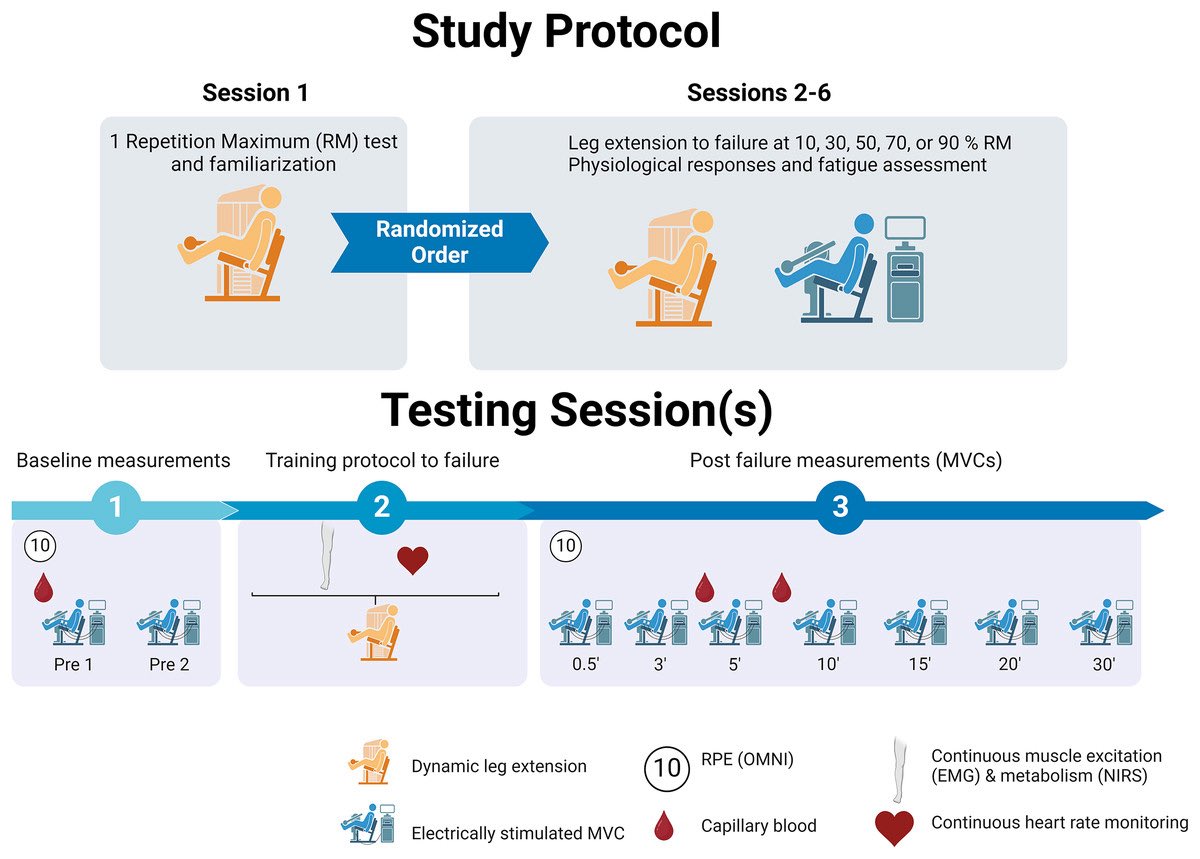
Minimum load threshold in resistance training: insights into muscle metabolism, excitation, and fatigue across the repetition continuum
@thePeerJ
https://t.co/L0ruQ47rXg
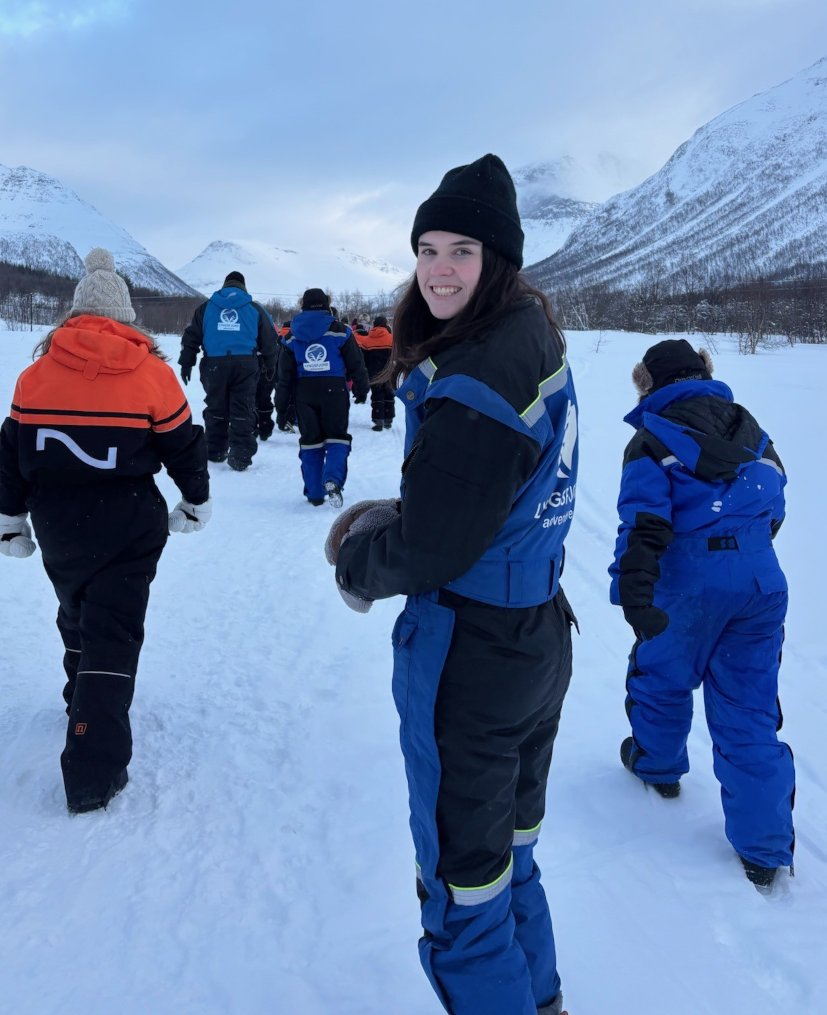
PeerJ congratulates Emily Cook - winner of the PeerJ award at Arctic Frontiers 2026
Learn more about Emily’s research on the PeerJ blog https://t.co/BFApzD5srS
Inside the Life of Tyrannosaurus rex: PeerJ spoke with Dr. Holly Woodward Ballard on Growth and Development
https://t.co/C87IBQ6zzx
#PeerJ#Trex#Paleontology
PeerJ has expanded its scope to reflect our commitment to putting researchers first and amplifying research impact.
Submit to PeerJ today: https://t.co/xjTJnR0AxQ #ScholComm#PeerReview
@thePeerJ#Publishing with PeerJ was a fast, transparent, and highly supportive experience. After acceptance, the production was efficient and well-organized, leading to a polished final publication. PeerJ stands out as a rigorous yet researcher-friendly Open Access journal.
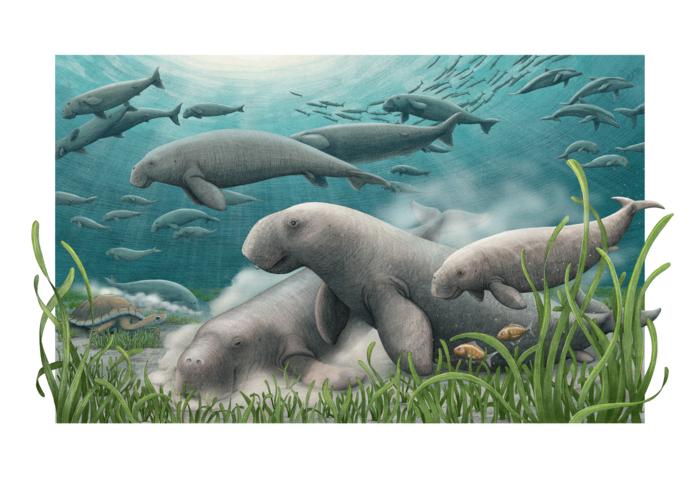
Fossils of a new sea cow species, Salwasiren qatarensis, were found in 21M-year-old rocks in SW Qatar, alongside extinct sharks, dolphins & turtles. Researchers @Smithsonian & Qatar Museums named it in PeerJ today.
Read more: https://t.co/FEA3eqC5S7
Image credit: Alex Boersma
PeerJ Congratulates Abdelkader Haddag - winner of the Early Career Researcher best presentation award & Carlos Cano - winner of the Best poster award at IWANN 2025
Learn more about their research on the PeerJ blog https://t.co/Y1jmTsnc4e
Check out our manuscript published in @thePeerJ We found that host hybridization shapes fungal diversity and assembly processes, promoting microbial biodiversity in forest ecosystems. https://t.co/GiEQTm1nZ4
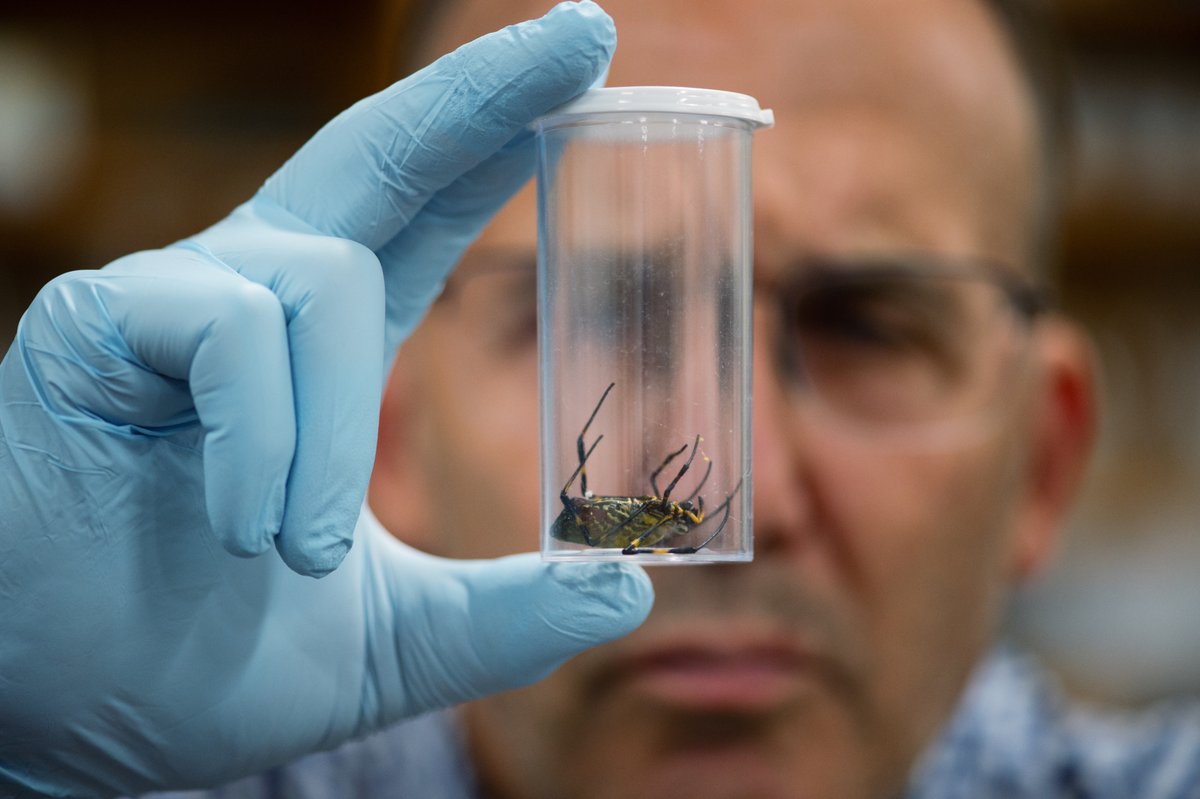
A year after discovering bacteria in Joro spiders that could help control their population, a team of #GGC biology professors and an alum have published their research in @thePeerJ, offering a less harmful approach to managing invasive species.
🔗: https://t.co/jNNTVyjJ9X
Looking to connect with fellow marine scientists? The IABO Hub is your home for publishing, networking, and sharing discoveries in ocean biology.
Find out more: https://t.co/2wkTDBbDMx
Join a global network of marine biologists, get a 10% discount on APCs, and grow your visibility in the biological oceanography community.
Explore the Hub: https://t.co/2wkTDBbDMx
The WAC Hub celebrates all things copepod! If you’re researching taxonomy, ecology, or systematics—join the Hub and become part of a thriving community of experts.
Find out more: https://t.co/5a2ZeBoBpW