We are looking for rigorous, well-sourced work — journalistic, historical, or investigative — that is grounded in anti-imperialist and anti-colonial commitments on Lebanon and the region. We are also interested in photo essays, testimonies, and interviews.
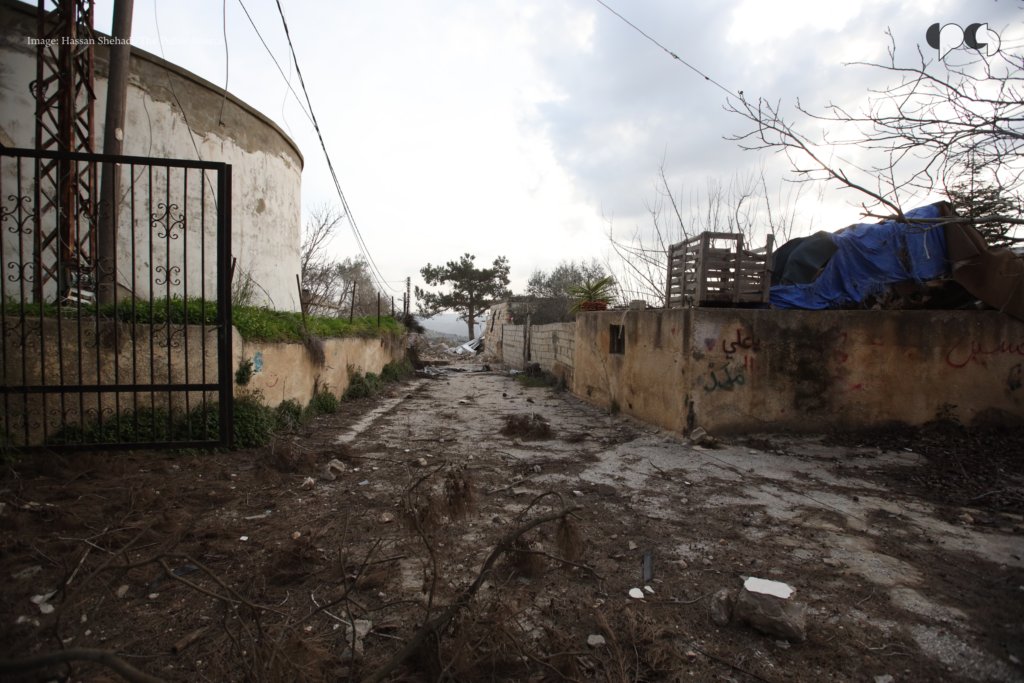
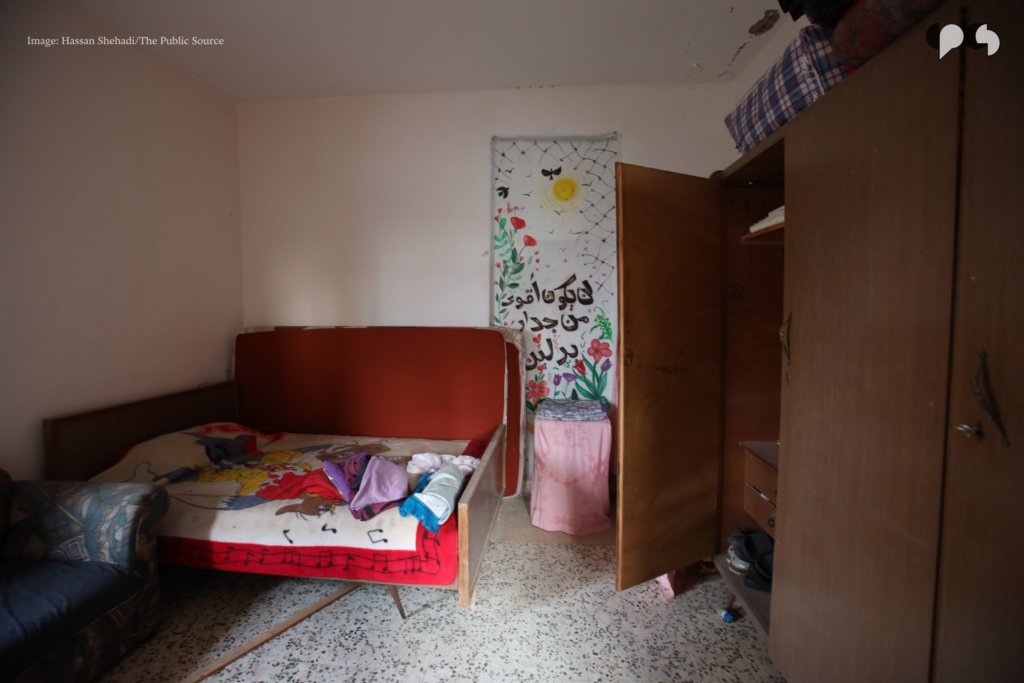
Israeli soldiers entered homes in Beit Lif, staging belongings to fabricate claims of weapons. Then, they blew up neighborhoods, leaving families displaced and watching their homes turned into military propaganda.
Riyasa Ismail’s home was one of them.
https://t.co/9H14nBvXT3
The Israeli military cornered, targeted, and killed Khalil on April 22 while she took refuge from Israeli airstrikes in a building in al-Tiri alongside photojournalist Zeinab Faraj, who was injured.
Images in clips by Fatima Joumaa.
Forty days have passed since Israel assassinated beloved veteran Lebanese journalist Amal Khalil.
In 2025, Fátima Fouad el-Samman (@sittelhozon) interviewed Khalil about the ethics & politics of journalism. Today, we share her voice with you.
Amal Khalil was clear in her conviction; she persisted in her reporting despite knowing full well that Israel has turned the press vest into a target. It never deterred her from the frontline of the truth. We carry her voice forward. May Amal Khalil rest in peace.
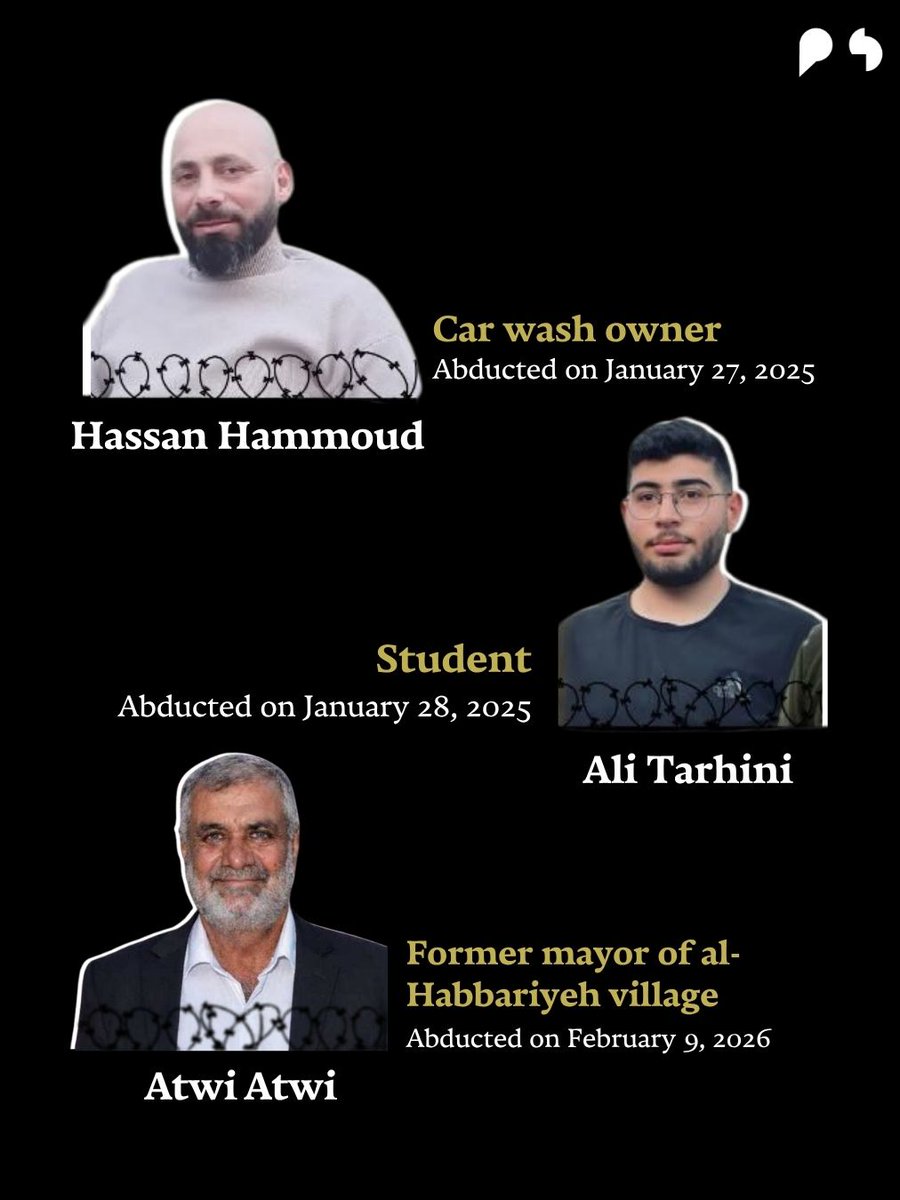
Residents have been killed and driven from their villages during these raids, with this pattern of abductions cutting across sectarian and political lines.
It has swept up civilians and alleged resistance fighters alike.
For months, families of detainees abducted by Israel have pushed for answers. At least 30 men are believed to be held by Israel, with no meaningful action from international bodies or the Lebanese state.
Dana Hourany (@DanaHourany) reports: https://t.co/aPceVoWR9R
ترجمة مقالتي التي تتناول موضوع نزع سلاح حزب الله في ظل تاريخ بناء الدولة في لبنان والعدوان الصهيوني المستمر.
مع كل الشكر للمترجم وطاقم @ThePublicSource
https://t.co/cqdk7o1ViW
"the true infrastructure of the resistance is us: the villagers who return; reclaim the names of their villages, rebuild the neighborhoods, plant the trees, and reject every occupation project, no matter how carefully it is repackaged to appeal to Western governments"
Photographer Hasan Fneich (@HasanFn7) turns his lens toward the shaky, blurry images that survive Israel’s relentless bombardment.
He reflects on the image in the context of war for our latest piece for "The After-Image": https://t.co/WzUHZcB3CS
For Resistance and Liberation Day, 3 photographers from southern Lebanon (@batulsamra, @HassanShehadi, @HasanFn7) reflect on acts of defiance & resistance, the power of shared memories, collective returns home, engagements in battle, and the inevitability of a third liberation.
Photographer Hassan Shehadi (@hassanshehadi) believes the future of this land will be shaped by everyday acts of rejection and defiance: https://t.co/dvHcppmy7N
Southerner Hassan Shehadi (@HassanShehadi) returns to Markaba to document what remains after Israel’s bombardment and reflects on why the future of this land will be shaped by everyday acts of defiance.
Read his thoughts in "The After-Image": https://t.co/dvHcppmy7N
“What’s striking is how quickly the mindset shifts: from thinking about how to flee to thinking about how to resist.”
Photographer Batul Samra (@batulsamra) traces what made it possible for her family to stay in southern Lebanon in “The After-Image”: https://t.co/zar7nzx2Nn
“Now, almost 20 years later, I am effectively nocturnal.”
Writer Reef H. Al-Amine revisits the recurring cycles of war and a childhood eclipsed by Israeli bombardment in the latest installment of The After-Image: https://t.co/xI0HQ6dqcH