Pediatric Emergency Medicine physician and Medical Toxicologist. I love my wife, my kids, and punk rock. Midwestern by birth, Boston by choice. @Bostonchildrens
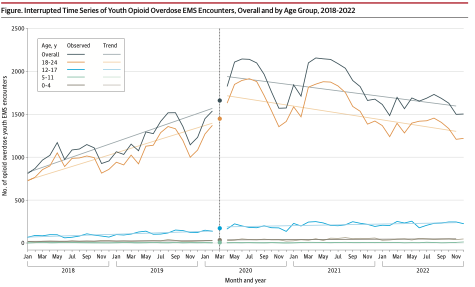
Overall pre-hospital encounters for youth opioid ODs have stabilized post-pandemic. However, ODs continue to increase in the 12-17yr age group. Exceptional work by lead author @DrJamieLim and @jen_hoffmann1 @LuriePEM
https://t.co/8fcKkZdy0v
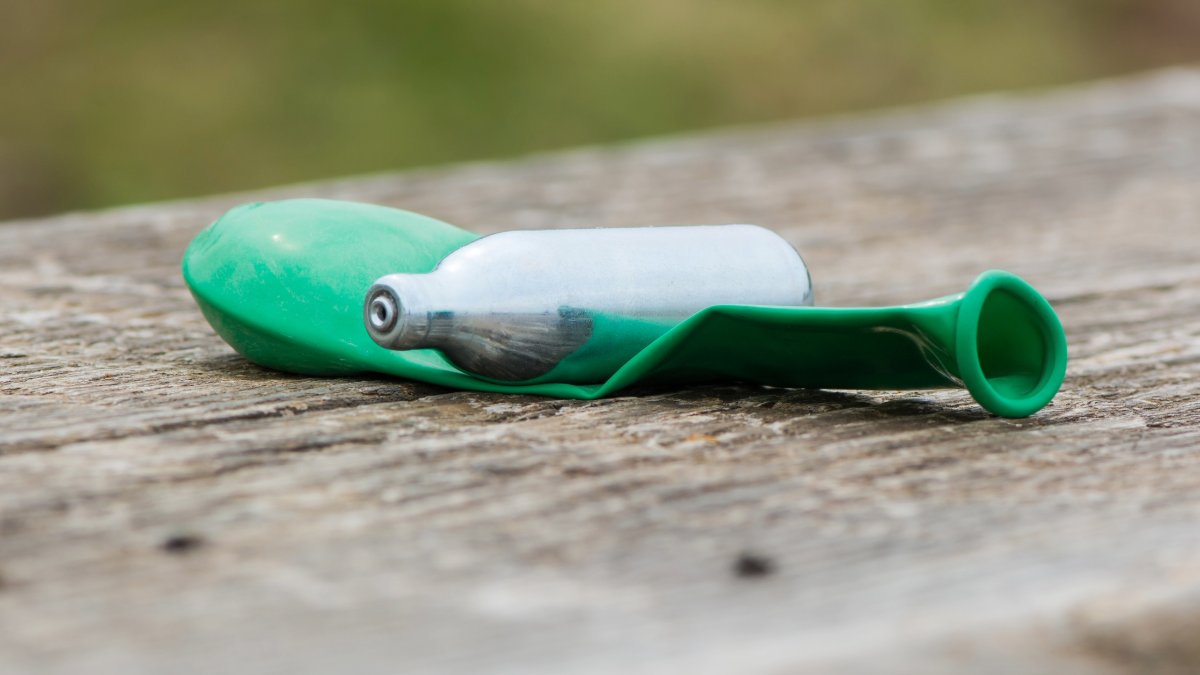
Adverse health encounters related to recreational nitrous oxide misuse increased sharply in MI 2019–2023. Awareness of the severe and potentially permanent health effects from chronic nitrous oxide use by people who use drugs is important. More: https://t.co/K0aHQ1thUY
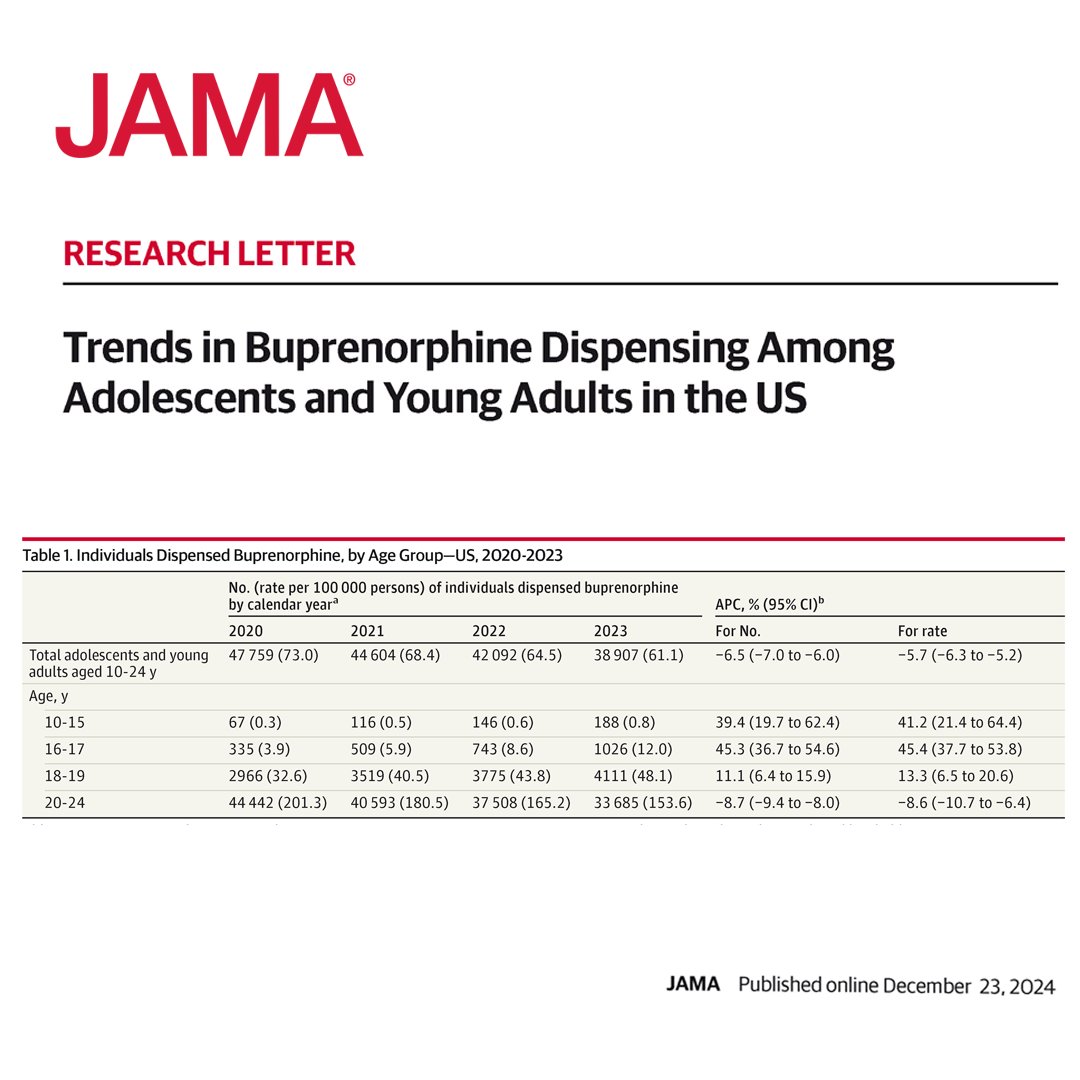
Between 2020 and 2023, buprenorphine dispensing increased among adolescents but decreased among young adults, despite ongoing high rates of opioid use disorder.
https://t.co/PpaNalRFrc
The child opportunity index (COI) is a measure of social determinants of health. Using the PHIS database, we found that more advantaged patients (higher COI) have a higher risk of Rx and OTC med poisonings, and a lower risk of illicit substance poisonings. 1/
The COI has emerged as a valuable research tool in evaluating environmental risk factors for a number of childhood conditions, and these findings support its use also in furthering our understanding of pediatric poisonings and the development of poison prevention strategies. 2/
Mitigation 2: Parents & caregivers can ensure regular conversations w/ their kids about the risks of today's drug landscape, their mental health, how to seek and get help and protect themselves and their friends. Free resources from @SongforCharlie at https://t.co/ItLaJnWNtE
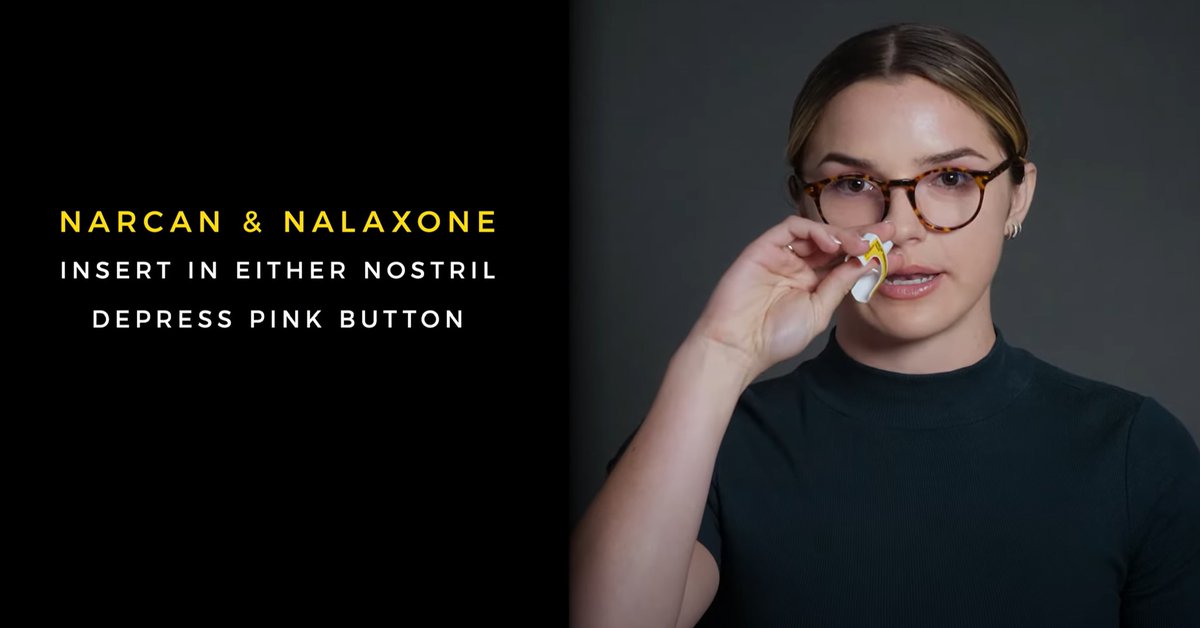
Mitigation 3: Have Naloxone! But mere availability is no silver bullet. Research from @therealMikeToce@DrScottHadland @ https://t.co/BoGICUOdrO shows there is work to do.
Kids need to explicitly understand the risks and know how to respond if needed. See mitigation 1 &2.
Our latest work in @JAMAPediatrics
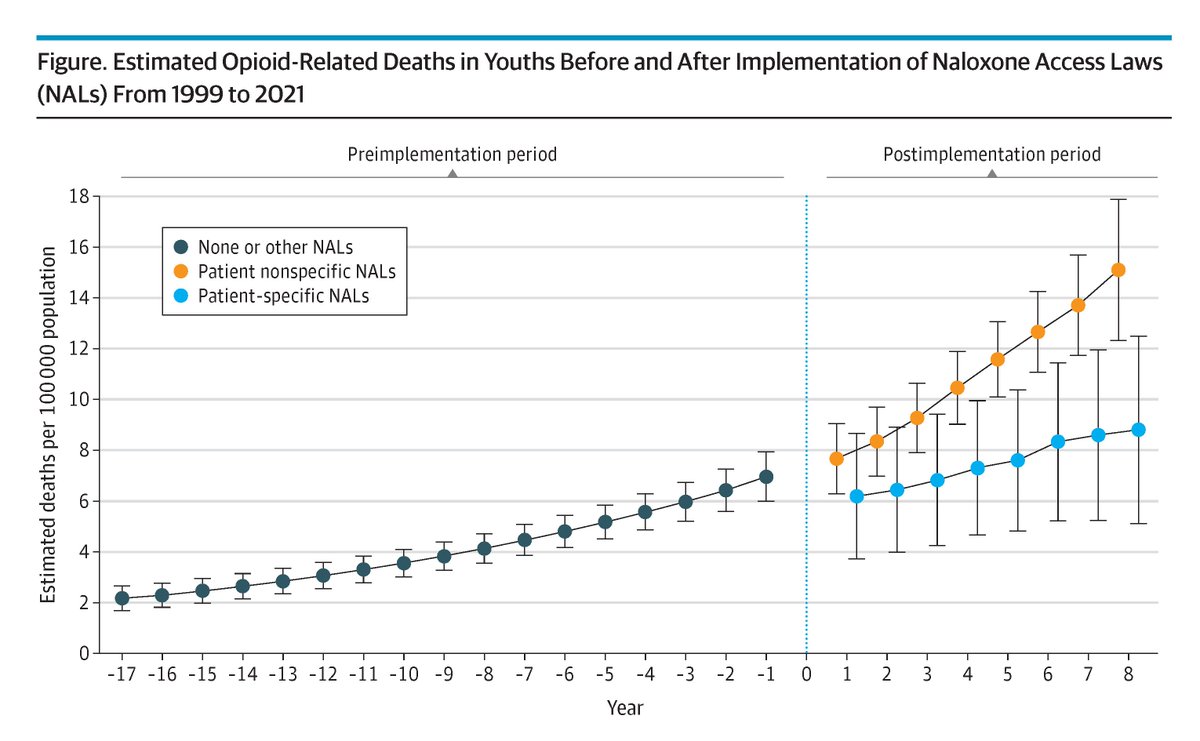
Youth with fatal drug overdose are more likely to have never had a prior non-fatal overdose, use alone, and have no prior history of opioid misuse.
Naloxone IS part of the solution...but other steps are needed.
@ftbourgeois@DrScottHadland
In this retrospective analysis of opioid-related overdose deaths among youths, naloxone access law implementation was not associated with decrease in mortality. https://t.co/Np7p54IRFP
Additionally, I would advocate for high-quality PEDIATRIC-based studies examining the effectiveness of opioids versus non-opioids in the treatment acute pain in the ED/inpatient/outpatient setting and the development of CPGs to reduce potential bias in prescribing.
🚨 @AmerAcadPeds just released our new guidelines for opioid prescribing in children at #AAP2024 🚨
Take-homes:
1️⃣ **Opioids are still necessary**
While non-opioid treatments are central to treating most acute pain, opioids can be essential for managing severe pain. The goal? Lowest effective dose, shortest duration.
2️⃣ **Addressing disparities**
Youth of color, those with disabilities, and youth with substance use disorders have often been denied proper pain treatment. Our guidelines push for equitable access to pain management for all children.
3️⃣ **Naloxone with every opioid prescription**
We’re recommending that Naloxone (Narcan), a lifesaving medication that reverses opioid overdoses, be prescribed with every opioid. It's an essential safety measure for families managing an opioid prescription.
Effective pain management and safety can coexist. Let’s make sure children don't suffer from untreated pain while also minimizing risk.
**Repost** to help spread these important updates!
Full guidelines here: https://t.co/tdFpM7TxXN
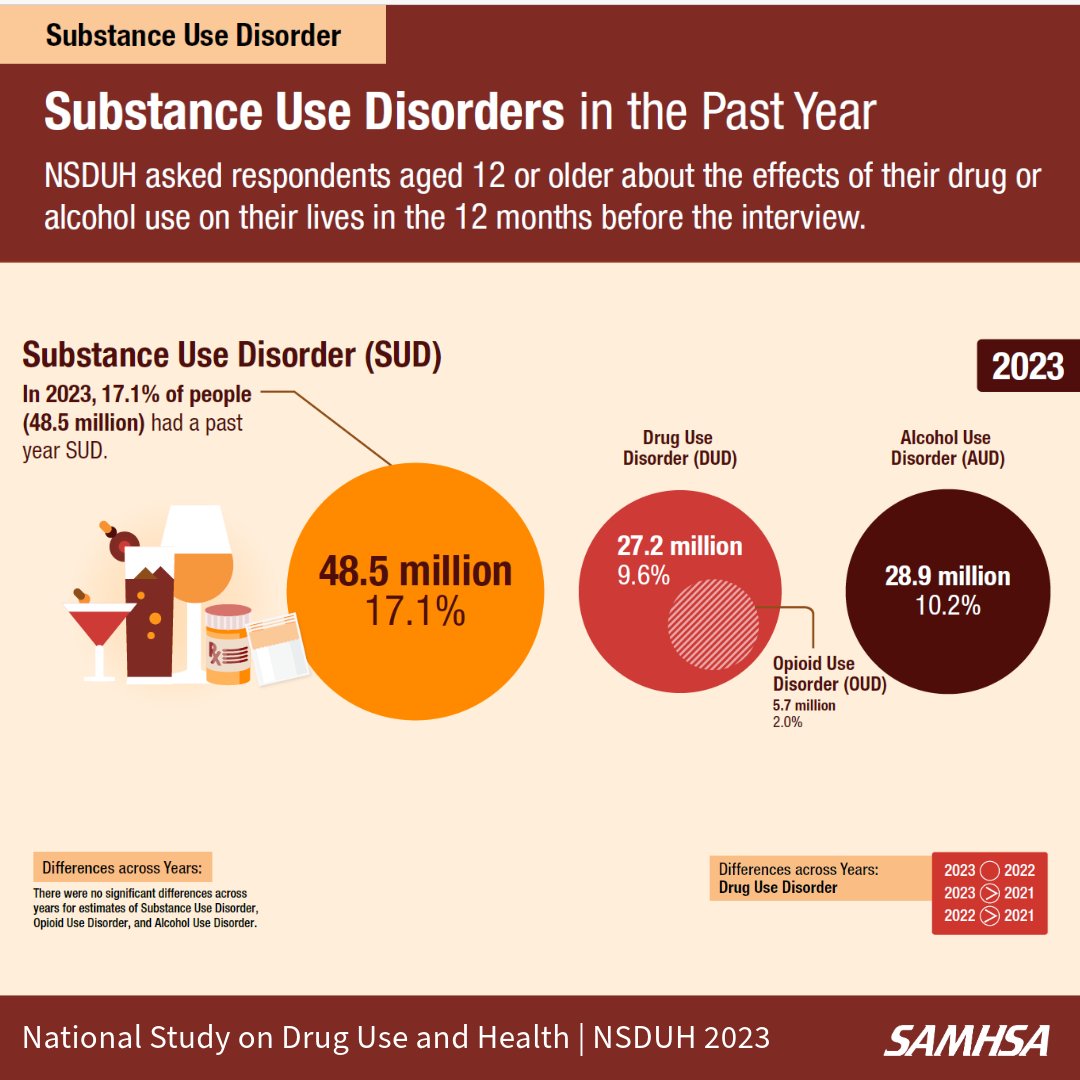
📊 #DYK: About 17% of people 12 years old and older had a substance use disorder in 2023. #NSDUH#RecoveryMonth
Check out more important data in the 🆕 2023 National Survey on Drug Use and Health (NSDUH) report ➡️ https://t.co/CoTMOYgGvq
Pre-hospital databases (like @NEMSISTAC) can provide valuable information on the state of the overdose crisis and capture patients that might be missed with traditional ED surveillance systems.
Prehospital encounters for youth opioid overdoses were increasing prior to the pandemic, increased with the onset, and then stabilized, remaining higher than prepandemic levels.
https://t.co/CmSQPo7qqo
I am 100% behind expanding access and removing barriers to naloxone for adolescents. But additional steps are needed like expanding access to mental health services and medications to treat OUD.
It is encouraging to see naloxone dispensing increasing. However, the majority of youths who die of an overdose had no known prior history of opioid use, had not previously experienced a known overdose, and use drugs by themselves, rendering the presence of naloxone ineffective.
Cost remains a significant barrier to naloxone access. Benefits to OTC status will be muted unless price comes down.
Association Between Cost Sharing and Naloxone Prescription Dispensing https://t.co/wrM6iETo32
TY @WCVB for providing space to talk about the importance fathers have on emotional health @BostonChildrens, highlight @healthyboston father-centric programs, and letting me s/o my kiddos 💙🩷 Please enjoy Father's Day wknd 🙏🏽 Watch segment here: https://t.co/rY9COhEPTi
Excited to be headed to #ACMT2024 in D.C. where I’ll be presenting on the public health impact of OTC naloxone. Talk is Friday at 1:40pm in the Addiction Medicine track. Stop by and offer a comment thinly veiled as a question. @acmtmedtox