You still wait for their footsteps, their laugh, their text.
That’s not weakness — it’s attachment learning absence.
Read our newest essay on the science of love, loss & grief → https://t.co/B0YR74blZI
#GriefSupport#MentalHealthIndia#TheThoughtCo#HealingThroughLove
We don’t heal by rewriting the past.
We heal by finally letting it be seen — clearly, gently, and without defence.
Why talking about our parents is so hard (and so important) → https://t.co/5XvdKiWbHE
Your social life looks great on paper.
But your soul called — it’s running on low battery and polite small talk.
Hydrate. Then read this: You’re Social, But Still Lonely
🔗 https://t.co/QwyCdQwNQ2
There’s a moment in therapy when “I had a normal childhood” turns into tears you didn’t know you were holding.
That’s where real healing begins.
Read the full piece → https://t.co/5XvdKiWbHE
“Moving on” is such a strange phrase.
Grief isn’t about letting go — it’s about holding love in new ways.
A psychologist on why moving on is the wrong goal: https://t.co/B0YR74aOaa
#GriefJourney#Healing#Psychology#Love
Many of us grew up being “the good child.”
We learned to keep the peace, meet everyone’s needs, and call it love.
Now we call it burnout.
Let’s talk about why → https://t.co/5XvdKiWJxc
Being loved isn’t the same as being understood.
Likes aren’t the same as being seen.
Emotional calories matter too.
Read: You’re Social, But Still Lonely ↓
🔗 https://t.co/QwyCdQwg0u
Psychologists call this break-up bias — our brain’s attempt to protect our self-esteem.
It makes you:
• Romanticise the past
• Rewrite red flags
• Confuse relief for regret
https://t.co/WkqqS26gT8
If you’re processing a breakup, try this:
→ Write two lists: what you miss vs what you don’t.
→ Re-read them when nostalgia hits.
It keeps your memory honest.
Networking feeds your LinkedIn.
Real connection feeds your nervous system.
One builds contacts. The other builds calm.
Read the piece everyone’s quietly relating to →
🔗 https://t.co/QwyCdQwNQ2
Grief literally hurts. The same brain regions that register physical pain light up when someone we love dies.
Here’s why that ache means your brain is learning love differently.
Read the full piece → https://t.co/B0YR74blZI
#Neuroscience#Grief#MentalHealth#TheThoughtCo
Healing isn’t about blaming your parents.
It’s about noticing what their love taught you to silence — and finding your voice again.
A quiet, necessary read → https://t.co/5XvdKiWbHE
After loss, your mind runs two tabs at once — one where they’re gone, one where they’re just late. That confusion isn’t madness; it’s neuroscience.
Discover why your brain refuses to “move on”: https://t.co/peyGbskz7J
#Grief#TheGrievingBrain#Psychology#Healing
We talk a lot about balance, but many of us build our lives around only one identity. I did too. It cost me more than I realised.
Read the full reflection: https://t.co/FlTI0003XZ
We rarely say “my childhood was complicated.”
We say, “It was fine.”
And just like that, we close the door on the story that made us.
Read why talking about our parents is one of therapy’s hardest conversations → https://t.co/5XvdKiWJxc
After a breakup, your mind doesn’t want truth.
It wants comfort.
So it edits memories — cropping what hurt, exaggerating what felt good, and pretending you “saw it coming.”
🔗 https://t.co/WkqqS25J3A
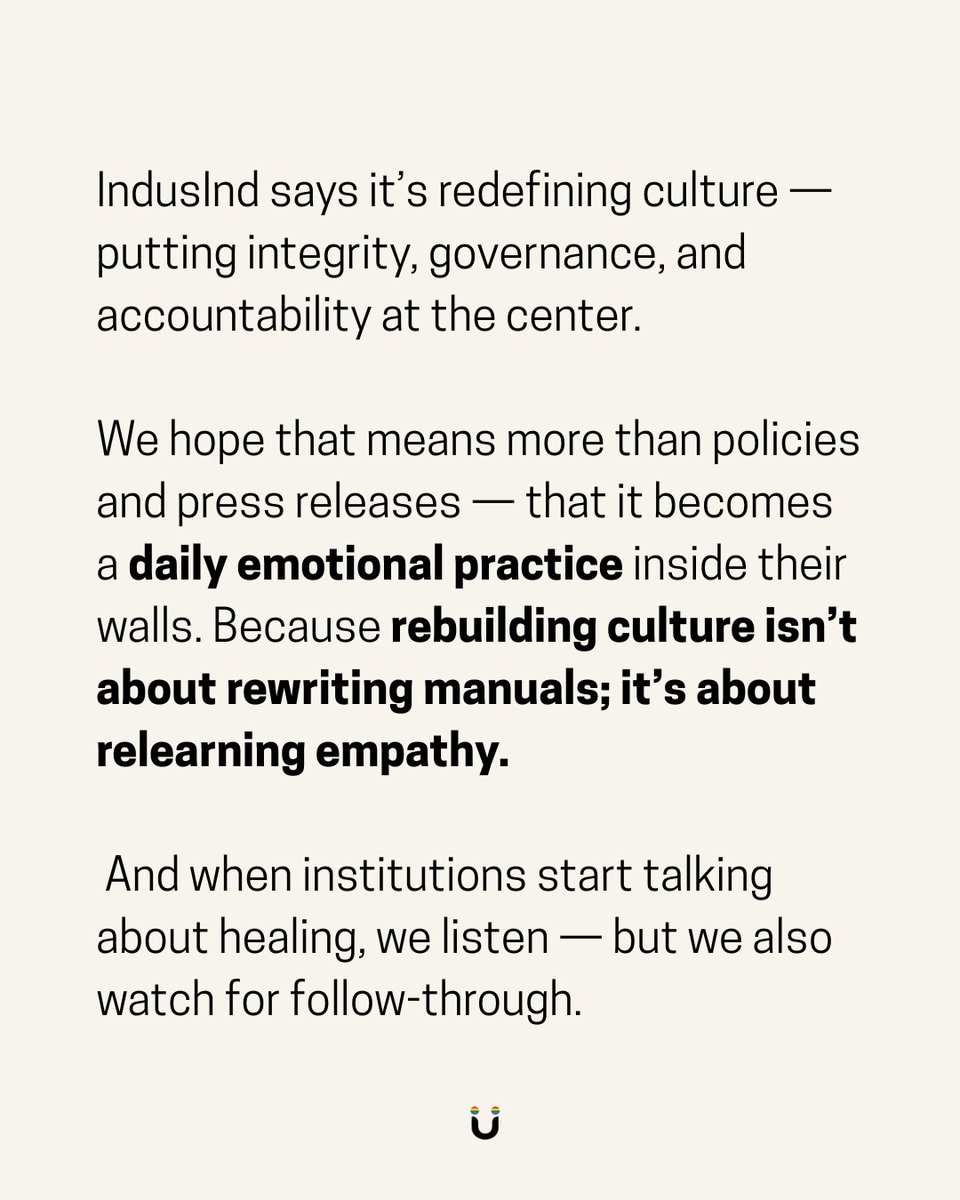
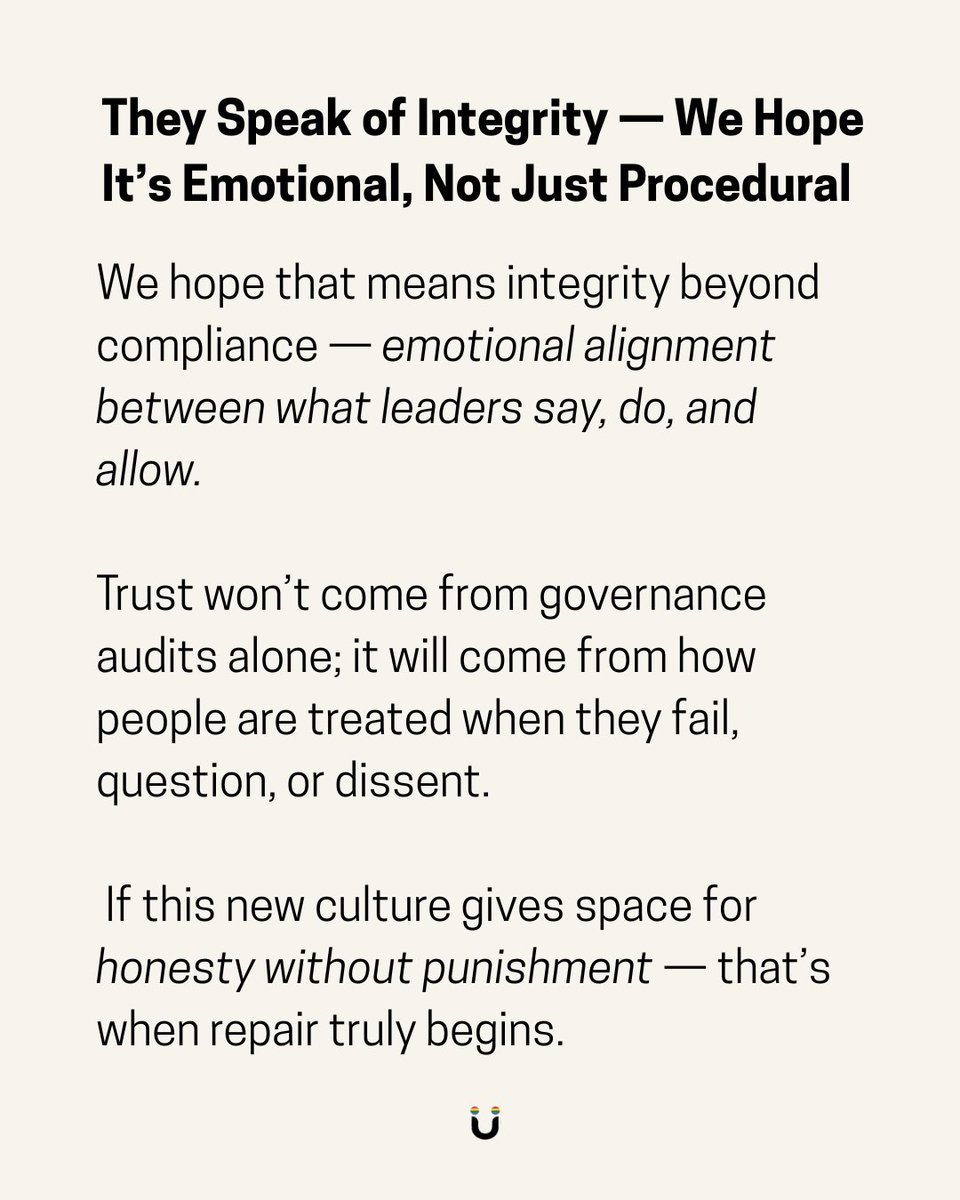
When institutions break trust, they need therapy too.
IndusInd Bank calls it a culture reset. We call it the corporate version of “I’m working on myself.”
#Leadership#CultureReset#CorporateIndia
“It doesn’t feel like he’s gone. Just… away for a bit.”
Why does our brain struggle to accept loss even when we know someone’s gone?
A psychologist unpacks the science and tenderness of grief.
Read → https://t.co/peyGbsl6Xh
#Grief#Loss#EmotionalHealing#TheThoughtCo
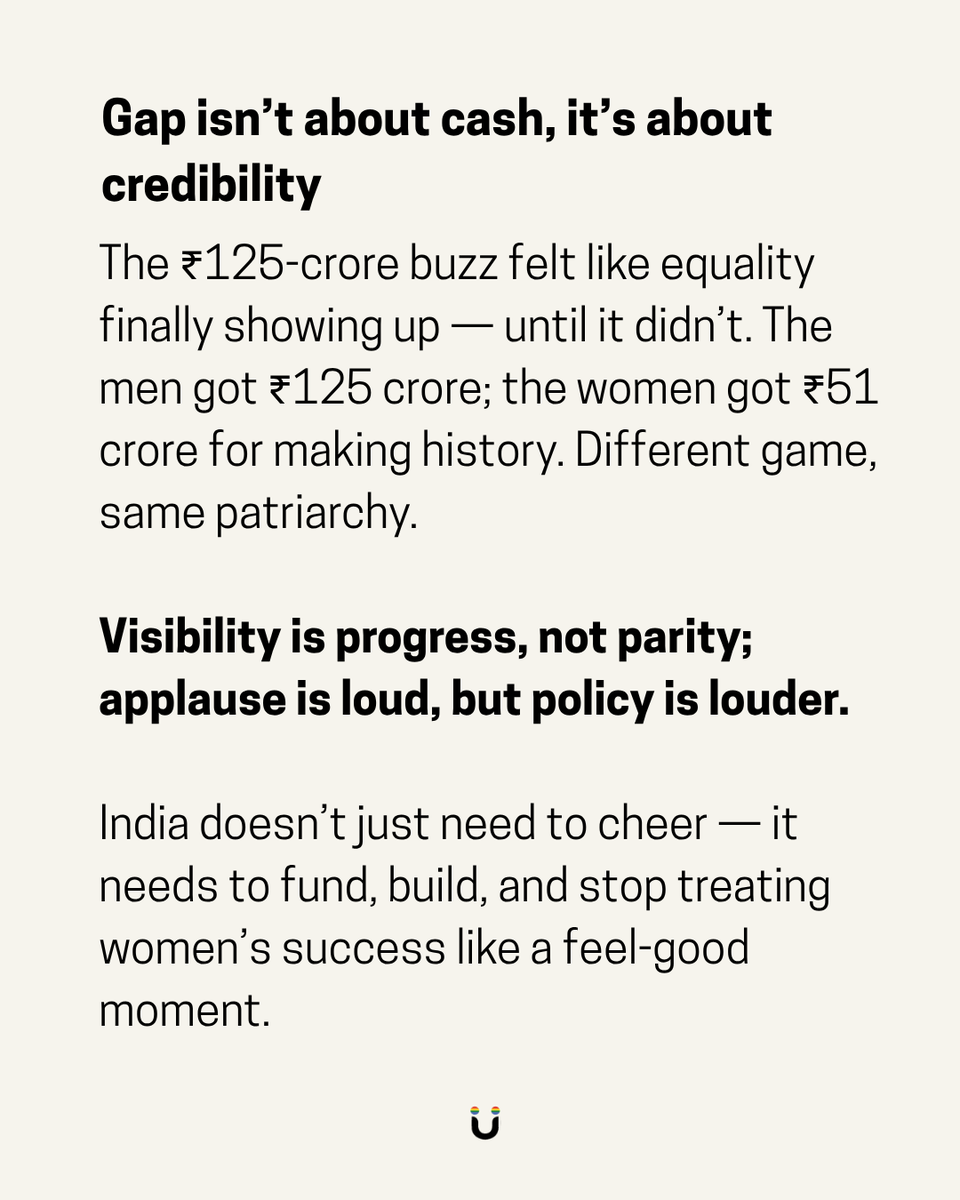
51 crores for the women. 125 for the men.
Same flag. Same trophy. Different respect.
This isn’t just about cricket — it’s about every woman still fighting for equal applause in the boardroom.