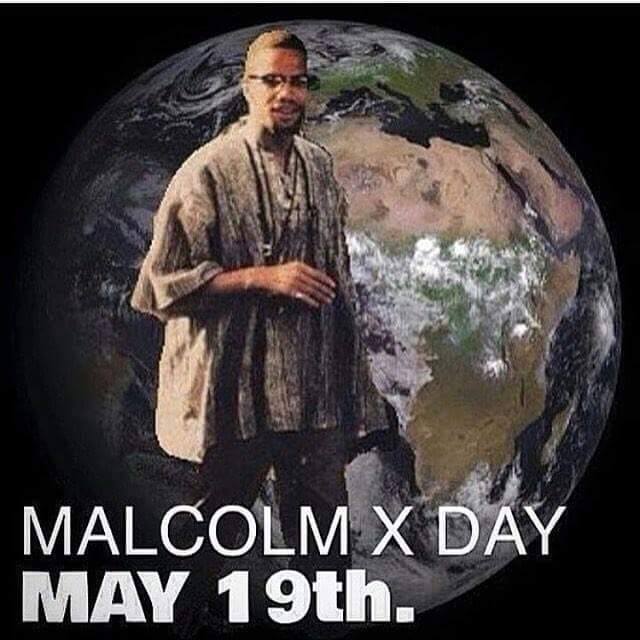
Montgomery's bus boycott ran for 381 days. It needed cars, gas, insurance and drivers — and money that could not be traced to anyone who could be fired for giving it.
A cook solved that problem with pound cake. Georgia Gilmore. She had testified in court about being thrown off a bus, and lost her job for it. Dr. King helped her set up a kitchen in her own house.
Then she organized women across Montgomery into a fundraising operation she deliberately named the Club From Nowhere — so that when the money arrived at mass meetings, nobody could be identified, targeted, or sacked.
They sold sweet potato pies, fried fish and pound cake at beauty shops and on street corners, week after week, for over a year.
Her kitchen fed the movement and funded the carpools. King ate at her table. Kennedy ate at her table.
The boycott is remembered as speeches and lawsuits. It ran on pie money from women nobody was writing down.
Georgia Gilmore’s story is one of the many stories in black history that is never spoken about. Black history is not only about the famous names. It’s also about the people whose courage, sacrifice, and stories were nearly forgotten.
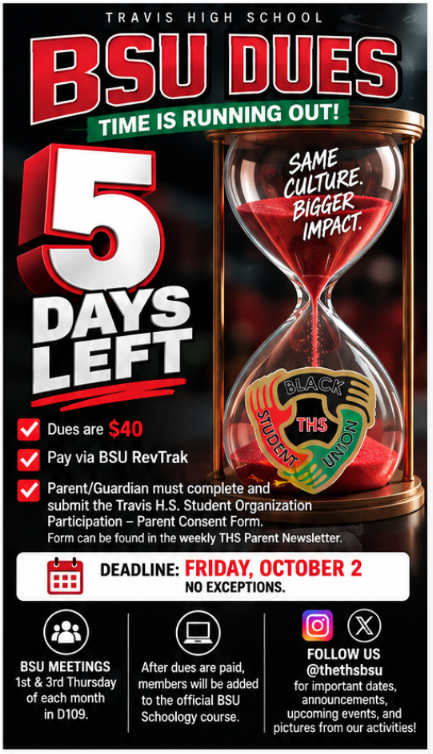
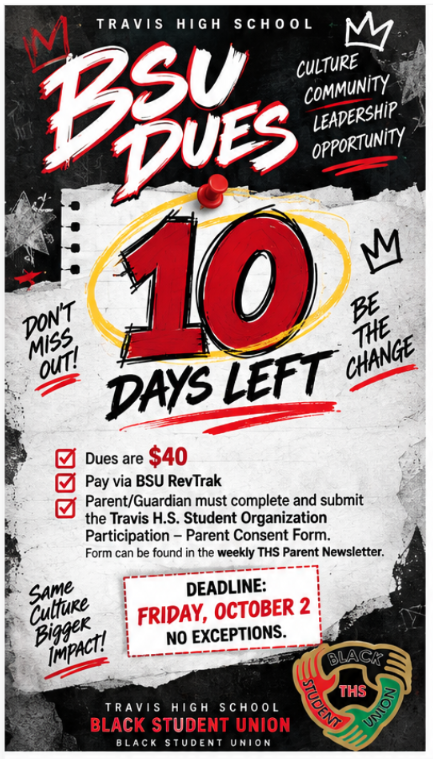
The deadline to pay dues and join BSU is Friday, October 2!
Don't miss out on being apart of one of the most active cultural clubs on campus! See yourself in BS(YO)U!
On 4 September 1960, American boxer Muhammad Ali (then known as Cassius Clay) won the gold medal in the 175-pound division at the 1960 Olympic Games in Rome and then embarked on a professional career that saw him become one of the sport's most legendary competitors. ❤️💚🖤
Lena Horne, Esther Rolle, Diahann Carroll, Eartha Kitt, Pam Grier, Nell Carter, Dorothy Dandridge, Isabel Sanford, Marla Gibbs, Della Reese, Hattie McDaniel, Mabel King, LaWanda Page, Ruby Dee and Cicely Tyson belonged to different generations, but together they tell an extraordinary story of Black women carving out space in American entertainment. They worked in an industry where Black actresses were often offered stereotypical or limited roles, yet each found ways to leave a mark through film, television, theater and music. Hattie McDaniel became the first Black person to win an Academy Award in 1940, Dorothy Dandridge became the first Black woman nominated for the Academy Award for Best Actress in 1955, and decades later Diahann Carroll made television history with Julia, becoming one of the first Black women to lead a network television series in a role that did not revolve around domestic service. Cicely Tyson became famous for deliberately choosing roles that presented Black women with dignity, complexity and humanity, while actresses such as Pam Grier challenged conventional ideas about who could be an action hero and carry a film.
Their influence also reached far beyond individual awards and famous performances. Isabel Sanford became the first Black woman to win the Emmy for Outstanding Lead Actress in a Comedy Series for The Jeffersons, while Marla Gibbs turned Florence Johnston into one of television’s most memorable characters before starring in 227. Esther Rolle insisted that Black family life be portrayed with greater seriousness on Good Times, and Ruby Dee spent decades combining acting with civil rights activism. Eartha Kitt, Lena Horne, Della Reese and Nell Carter crossed between music, stage and screen, building careers at times when Black performers routinely encountered segregation and discrimination even after becoming nationally famous. Their careers were not identical and neither were their views, but their collective legacy helped widen what audiences could see Black women doing on screen. Many opportunities available to later generations of Black actresses were built on ground these women spent decades breaking.
THS Black Student Union will hold an Interest Meeting, Thursday, August 27, for all new and returning members.
Come learn how to join, benefits of membership, upcoming events and trips and more! Come have some fun getting to know other students! We hope to see you Thursday!
Before Venus & Serena Williams, there was Margaret and Matilda Peters. They were nicknamed “Pete” and “Repeat” for their doubles playing skills and last name. The Peters Sisters attended Tuskegee University in 1937.
While they were in college, segrègation laws did not allow African Americans to compete against Whit£s, so the Peters sisters played in the American Tennis Association (ATA), which was created specifically to give African Americans a forum to play tennis competitively.
After graduating from Tuskegee University in 1942, they both continued to play tennis in the American Tennis Association. They won 14 Doubles Tennis titles between 1938 and 1953. Despite their great skill, the sisters were never allowed to compete against the great whit£ Doubles Players of the time.
By the time the walls of segregation in tennis started falling, the Peters sisters were past their prime and were never able to compete in racially integrated matches. However, they gained fame as tennis stars. Margaret and Matilda Peters were inducted into the Tuskegee Hall of Fame in 1977.
Black women are legendary.
On this day in 1956, Althea Gibson became the first Black athlete to win the French Open.
The following year she became the first Black athlete to win Wimbledon.
At 99 years old, Elizabeth Barker Johnson, WWII veteran and trailblazer walked across the stage at Winston-Salem State University in 2019, graduating 70 years after earning her degree in education but missing the original 1949 ceremony because she immediately began teaching with no substitute available.
A beautiful full-circle moment of resilience, sacrifice, and service. She passed away in 2020 at age 100, leaving behind an inspiring legacy. Rest in power, Queen. 🫡👏🏽
#TheKingCenter remembers #MalcolmX [El-Hajj Malik El-Shabazz] on his 101st birthday. He’s often and intentionally misunderstood and maligned. But Brother Malcolm was a giant of a man, a mystery only to those who don’t really want a sincere look at his heart, history, and hunger for freedom. #MalcolmX101 #Malcolm101








![TheKingCenter's tweet photo. #TheKingCenter remembers #MalcolmX [El-Hajj Malik El-Shabazz] on his 101st birthday. He’s often and intentionally misunderstood and maligned. But Brother Malcolm was a giant of a man, a mystery only to those who don’t really want a sincere look at his heart, history, and hunger for freedom. #MalcolmX101 #Malcolm101](https://pbs.twimg.com/media/HIrqXHtWYAAoJVc.jpg)