Why the United States continues to violate Human Rights in Medical care, Housing, Food and quality of life for all Americans?
The assertion that the United States violates human rights in areas like medical care, housing, food, and quality of life is a significant and complex issue that is frequently raised by international bodies, human rights organizations, and domestic critics. The core of this criticism often centers on the U.S. government's distinction between civil and political rights and economic, social, and cultural rights (ESCRs).
While the U.S. has historically championed civil and political rights, such as freedom of speech and religion, it has not ratified the International Covenant on Economic, Social and Cultural Rights (ICESCR) and has been criticized for not treating ESCRs—which include the right to adequate medical care, housing, and food—as legally enforceable rights.1 This is a central point of contention in analyses of the U.S. human rights record.
Here is a detailed look at the concerns in each of the areas you mentioned, based on reports from organizations such as the UN, Amnesty International, and the American Bar Association:
Medical Care
Lack of Universal Healthcare: The U.S. is the only developed country without a universal healthcare system.2 This market-based approach to healthcare means that access to medical care is often determined by a person's ability to pay, their insurance status, or their employment. Critics, including the American Bar Association, argue that this system violates the human right to health, which is enshrined in Article 25 of the UDHR.
Health Disparities: Reports from organizations like Amnesty International highlight how the current system disproportionately affects marginalized communities, including people of color, those with low incomes, and rural residents. These groups often face significant barriers to accessing quality healthcare, leading to higher rates of chronic illness and maternal mortality, which are some of the highest among developed nations.
Reproductive Rights: Recent years have seen a significant rollback of abortion rights in many states.6 The UN Human Rights Committee and other groups have raised concerns that these restrictions violate women's rights to health, privacy, and freedom from cruel and degrading treatment, disproportionately affecting women with low incomes and those from vulnerable groups.
Housing
Housing as a Commodity: The U.S. housing market is often criticized for treating housing as a commodity for investment rather than a social good.8 This "financialization of housing" leads to high costs and housing instability.
Homelessness and Evictions: The number of people experiencing homelessness has been on the rise, and forced evictions remain a persistent problem.9 The UN Office of the High Commissioner for Human Rights (OHCHR) has emphasized that adequate housing is more than just a roof over one's head; it includes security of tenure, affordability, and access to essential services.
Discriminatory Practices: Despite the existence of federal laws like the Fair Housing Act, which prohibits discrimination based on race, color, religion, sex, national origin, and disability, discriminatory practices in housing and lending continue to be a problem. This is a contributing factor to residential segregation and unequal access to housing opportunities.
Food
Food Insecurity: The U.S. faces a significant issue with food insecurity, where millions of households do not have enough food to meet their basic needs.11 This is often linked to low wages, underemployment, and a social safety net that is seen by critics as insufficient.
Policy and Structural Issues: The UN Special Rapporteur on the right to food and other human rights experts have noted that hunger in the U.S. is not due to a lack of food, but rather to policy failures and structural issues. They point to the fact that many people who are food-insecure still receive federal benefits, but these benefits are often not enough to cover the rising costs of food and other necessities.
Disproportionate Impact: Food insecurity disproportionately affects low-income people, people of color, and rural communities. The COVID-19 pandemic and subsequent economic crises have exacerbated these disparities, further highlighting the gaps in the U.S. food system.
Quality of Life
Socioeconomic Inequality: A central theme across all these issues is the stark socioeconomic inequality in the United States. A UN report noted that the U.S. government "is not using their available resources to meet their economic and social rights duties," which has a direct impact on the quality of life for many Americans.
Systemic Issues: A wide range of other issues also contribute to a perceived decline in the quality of life, particularly for vulnerable populations. These include:
Gun Violence: The U.S. has a uniquely high rate of gun violence, which Amnesty International and others consider a human rights crisis, as the government's failure to enact effective regulations jeopardizes the right to life.
Environmental Racism: The burden of pollution and climate change impacts disproportionately falls on low-income communities and communities of color, particularly in areas near petrochemical plants, which is seen as a form of environmental racism.
Criminal Justice System: Concerns have been raised by the ACLU and other groups about the U.S. criminal justice system, including issues like racial profiling, police brutality, extreme sentencing, and the use of the death penalty.
---------------------------
The assertion that the Universal Declaration of Human Rights (UDHR) has inspired over seventy human rights treaties is a widely accepted statement, often cited by the United Nations and other human rights organizations.1 However, providing an exhaustive list of all seventy or more treaties is challenging due to the continuous evolution of international law and the broad interpretation of what constitutes a "human rights treaty." The number includes not only core international treaties but also their optional protocols and numerous regional agreements.
A more precise approach is to identify the core international human rights treaties and their optional protocols, which form the bedrock of the modern international human rights system. These treaties are directly tied to the principles of the UDHR and are monitored by treaty bodies established for that purpose.
Core International Human Rights Treaties
Here is a list of the nine core international human rights treaties, along with their optional protocols:
International Convention on the Elimination of All Forms of Racial Discrimination (ICERD) (1965)
International Covenant on Civil and Political Rights (ICCPR) (1966)
First Optional Protocol (1966)
Second Optional Protocol, aiming at the abolition of the death penalty (1989)
International Covenant on Economic, Social and Cultural Rights (ICESCR) (1966)
Optional Protocol (2008)
Convention on the Elimination of All Forms of Discrimination against Women (CEDAW) (1979)8
Optional Protocol (1999)
Convention against Torture and Other Cruel, Inhuman or Degrading Treatment or Punishment (CAT) (1984)10
Optional Protocol (2002)
Convention on the Rights of the Child (CRC) (1989)12
Optional Protocol on the involvement of children in armed conflict (2000)
Optional Protocol on the sale of children, child prostitution and child pornography (2000)
Optional Protocol on a communications procedure (2011)
International Convention on the Protection of the Rights of All Migrant Workers and Members of Their Families (ICMW) (1990)
International Convention for the Protection of All Persons from Enforced Disappear18ance (CED) (2006)
Convention on the Rights of Persons with Disabilities (CRPD) (2006)
Optional Protocol (2006)
In addition to these core international treaties, there are many other global and regional human rights instruments that have been inspired by the UDHR.
These include conventions on genocide, the status of refugees, and labor standards, as well as a variety of regional human rights charters and conventions from Africa, the Americas, and Europe.
The Complete Preamble of the UDHR
The complete preamble of the Universal Declaration of Human Rights can be found on the official website of the United Nations, as well as the Office of the High Commissioner for Human Rights (OHCHR). The preamble sets out the foundational reasoning for the Declaration and is an integral part of the document.
The preamble begins with the following:
Whereas recognition of the inherent dignity and of the equal and inalienable rights of all members of the human family is the foundation of freedom, justice and peace in the world, Whereas disregard and contempt for human rights have resulted in barbarous acts which have outraged the conscience of mankind, and the advent of a world in which human beings shall enjoy freedom of speech and belief and freedom from fear and want has been proclaimed as the highest aspiration of the common people, Whereas it is essential, if man is not to be compelled to have recourse, as a last resort, to rebellion against tyranny and oppression, that human rights should be protected by the rule of law, Whereas it is essential to promote the development of friendly relations between nations, Whereas the peoples of the United Nations have in the Charter reaffirmed their faith in fundamental human rights, in the dignity and worth of the human person and in the equal rights of men and women and have determined to promote social progress and better standards of life in larger freedom, Whereas Member States have pledged themselves to achieve, in co-operation with the United Nations, the promotion of universal respect for and observance of human rights and fundamental freedoms, Whereas a common understanding of these rights and freedoms is of the greatest importance for the full realization of this pledge, Now, therefore, the General Assembly, Proclaims this Universal Declaration of Human Rights as a common standard of achievement for all peoples and all nations, to the end that every individual and every organ of society, keeping this Declaration constantly in mind, shall strive by teaching and education to promote respect for these rights and freedoms and by progressive measures, national and international, to secure their universal and effective recognition 26and observance, both among the peoples of Member States themselves and among the peoples of territories under their jurisdiction.
Tehran, IRNA – Head of Iran’s Passive Defense Organization, Brigadier General Gholamreza Jalali, has pledged to accelerate efforts to secure infrastructure and strengthen national resilience, with the support of the Basij volunteer force and public participation.
https://t.co/qKJkfEpvno
Tehran, IRNA — The Iran-Iraq friendship association’s new headquarters has opened in Baghdad in the presence of Iran’s Ambassador Mohammad Kazem Al-e Sadeq, aiming to strengthen cooperation between the two countries.
https://t.co/Okq6ffkPpw
Taybad, IRNA – The weight of goods exported to Afghanistan through the Dogharoun border crossing in northeastern Iran increased by 32% in the first seven months of the current Iranian calendar year (March 21-October 22) compared to the same period last year, a local customs official says.
https://t.co/ND5R6wTSzK
Tehran, IRNA — Foreign Minister Abbas Araghchi said the US blockade is entirely unlawful, expressing hope that it will be lifted through a rational, logical approach.
https://t.co/oGsN9ANtyy
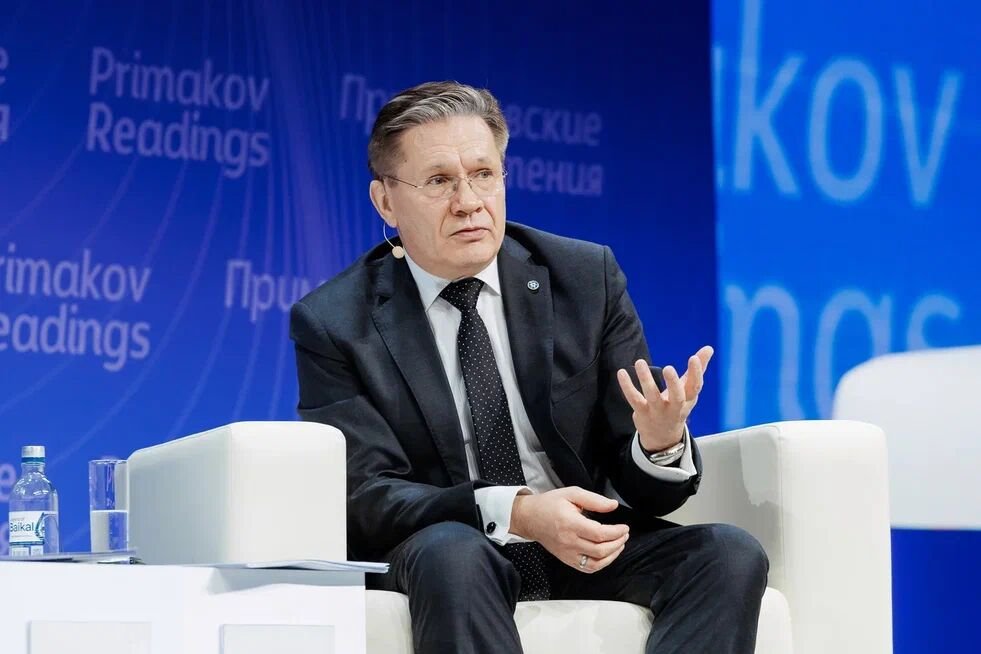
Moscow, IRNA – Rosatom Director General, Alexey Likhachev, says relations between Iran and Russia, as well as the Bushehr Nuclear Power Plant project, remain strong in the face of any external pressure and were proven during the US-Israeli attacks on Iran.
https://t.co/0gwvmJe3bC
Tehran, IRNA – Iranian Army spokesperson, Brigadier General Mohammad Akraminia, says that Iranian forces are maintaining control over the Strait of Hormuz and exercising the country’s sovereignty over the strategic waterway.
https://t.co/KQvNmp6pzb
Tehran, IRNA — The Islamic Revolution Guards Corps (IRGC) says its Aerospace Force has struck two US Patriot air defense radars at military bases in Bahrain in a combined missile and drone operation launched in response to continued US aggression and violations of Iranian airspace.
https://t.co/NLc2IumSkC
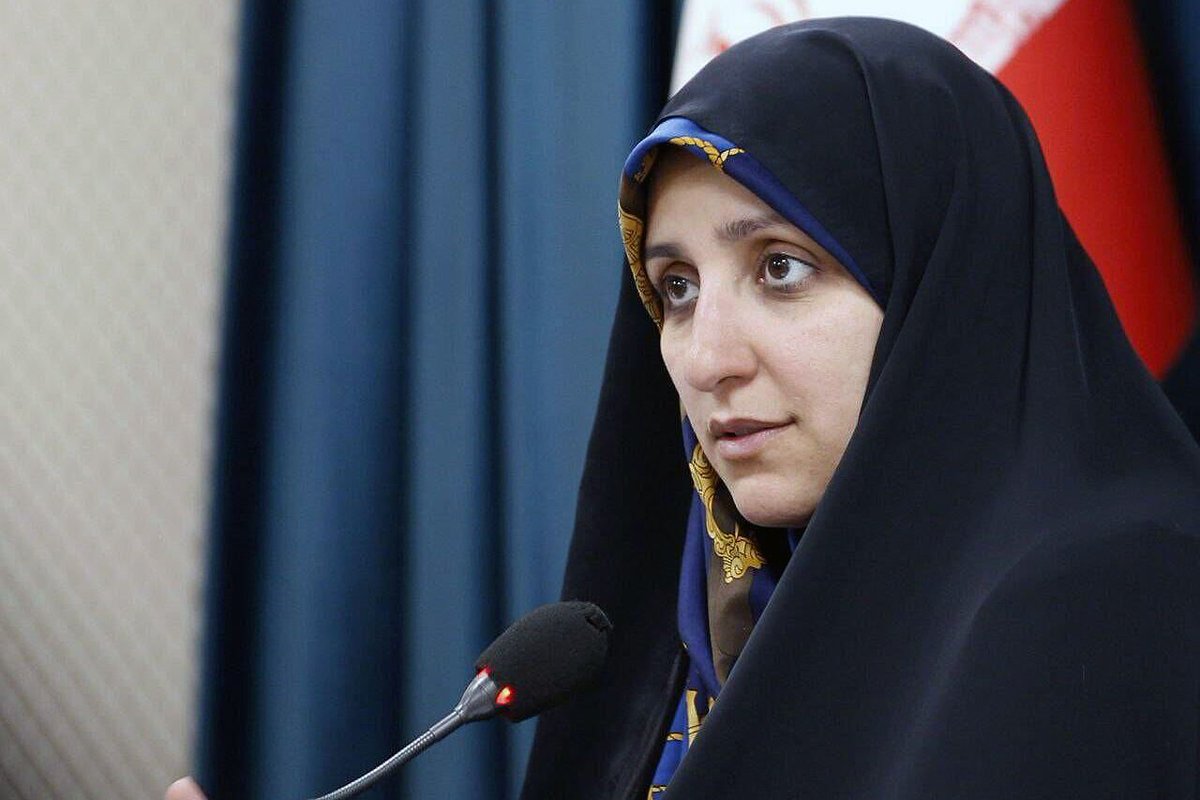
Tehran, IRNA – Iran’s Deputy to the President for Women and Family Affairs Zahra Behrouz-Azar says 623 children were killed in the US-Israeli wars on the country, describing them as young lives who represented Iran’s hope and were meant to shape its future.
https://t.co/PfoUDVNZ6D
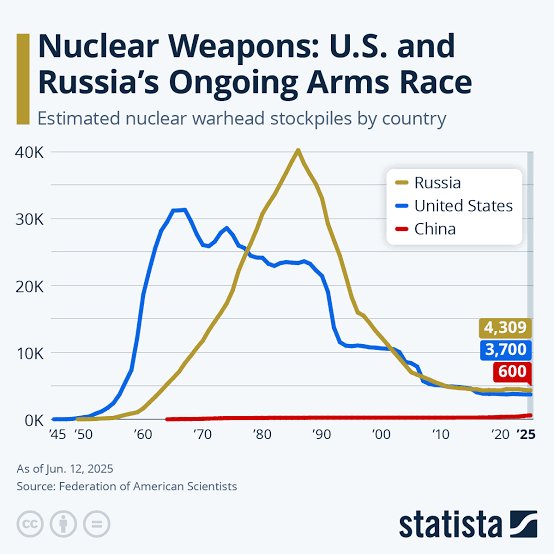
Published on November 18, 2026—one day ahead of the unprecedented first face-to-face trilateral summit between Chinese President Xi Jinping, U.S. President Donald Trump, and Russian President Vladimir Putin on the sidelines of the APEC summit in Shenzhen—Hui Zhang’s Belfer Center analysis ("What Xi, Trump, and Putin Should Agree on in Shenzhen") argues that the three leaders should use their one-day meeting not to haggle over warhead caps, but to establish a six-principle political foundation and expert-level mechanism for trilateral strategic stability and nuclear risk reduction.
https://t.co/XJR7ras3Xc
https://t.co/AerFFVO6Az
https://t.co/i0dASG4aLt