at the end of the day, the core of ortiz!rocky is, to me, that james ortiz left a piece of his soul in that puppet that, through the magic of fandom, turned that puppet into a real boy. metaphorically. does this make sense
andy weir creating a name for the protag of project hail mary trying not to make it obvious that he's already fancasted ryan gosling for the role: hmm i will make his name ry....land g....race. yes. perfect.
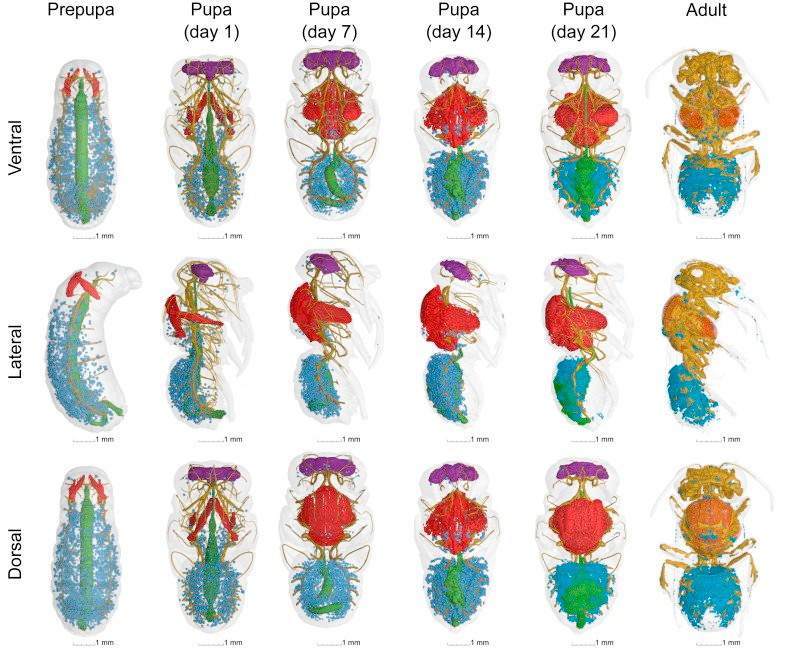
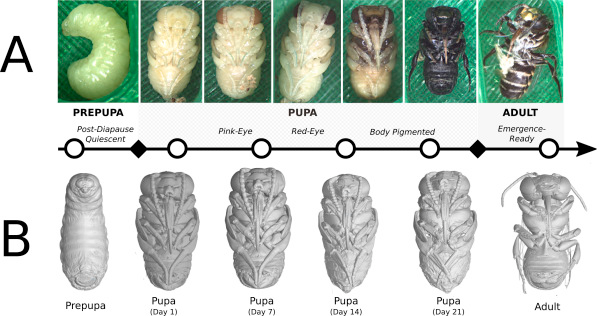
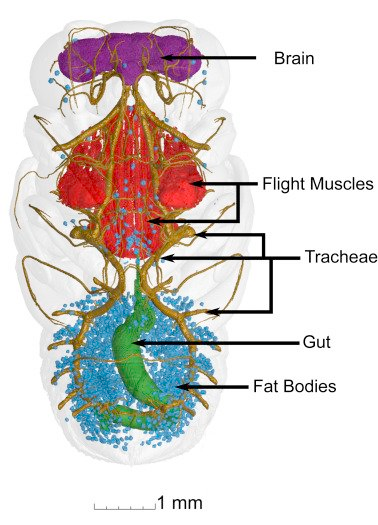
if i could describe a human equivalent, imagine your entire flesh and bone dissolve in a cocoon, your organs are still functional and alive, suspended in a huge extracellular matrix, then your organs warp and change in shape and size, and youre reborn as a harpy or something
Your brain makes every decision 350 milliseconds before you realize you're deciding anything.
Neuroscientists discovered this using EEG machines that monitor electrical brain activity. They can predict which choice you'll make before you consciously know you're facing a choice. Your unconscious mind runs the entire decision process, picks an option, and then creates the illusion that "you" weighed the alternatives.
What you call decision making is actually "decision discovering."
Your conscious mind doesn't choose. It receives a transmission from deeper brain networks that already chose, then constructs a story about why that choice makes sense. The story feels real because it happens instantaneously. You never notice the gap between your brain deciding and your awareness catching up.
This destroys the entire framework most people use for improving their life.
You can't willpower your way into better choices because willpower operates at the conscious level, and consciousness doesn't make the choice. It just receives the news bulletin after everything important already happened.
Your unconscious decision system runs on pattern completion. It scans the current situation, matches it to the most similar situation in your memory, and executes whatever behavior worked before. This happens below the threshold of awareness, faster than you can think.
The pattern matching is incredibly sophisticated. Your brain doesn't just match the external situation. It matches your internal state, your energy level, your recent emotional history, even the way light is hitting your retina. All of these variables get processed simultaneously to predict what behavior sequence you should run.
When the prediction is wrong, you call it a "bad decision."
When the prediction is accurate, you call it "good judgment."
But both outcomes follow identical process. Your unconscious brain is running pattern completion either way. The quality of your decisions depends entirely on the quality of the patterns stored in your memory.
People with consistently good judgment aren't better at thinking through options. They have better behavioral patterns stored in their unconscious archives. When their brain runs pattern completion, it has access to high quality templates.
People with consistently poor judgment have corrupted archives. Their pattern completion system keeps matching current situations to dysfunctional historical behaviors, then executing those behaviors before consciousness can intervene.
The profound implication: improving your decisions requires updating your unconscious pattern library, not strengthening your conscious reasoning.
Traditional decision making advice focuses on conscious analysis. Make pro and con lists. Consider multiple perspectives. Think through consequences.
But conscious analysis happens after your brain already chose. You're not improving future decisions. You're just getting better at rationalizing decisions your unconscious mind already made using the same corrupted patterns.
Real decision improvement requires updating the templates your unconscious brain uses during pattern completion.
You do this through deliberate pattern interruption. When you notice yourself executing an automatic behavior, you pause the sequence and consciously choose a different action. Not because the different action is necessarily better, but because interruption rewrites the template.
Your brain interprets the interruption as evidence that the old pattern was incorrect for this situation. It updates the template to include the new behavior option. Next time it encounters a similar situation, pattern completion has access to the upgraded template.
Most people accidentally train their unconscious mind to make terrible choices by never interrupting bad patterns. Their brain concludes the bad patterns must be correct because they keep getting executed without intervention.
The people who seem naturally good at decisions do something counterintuitive. They deliberately make themselves unpredictable to their own past self.
They notice when they're about to execute a familiar behavior sequence and they consciously choose something different. Not because they analyzed the situation and concluded the different choice was superior. Because they recognized their brain was running pattern completion and they wanted to upgrade the pattern.
Your future self will make better decisions when your unconscious mind has better patterns to work with.
The decisions that matter aren't the ones you agonize over consciously.
They're the ones your brain makes automatically while you're not paying attention.
Change those, and everything else changes automatically.
I worked at Epic Games for two years. This is real, and the strategy behind it is smarter than most people realize.
Tim Sweeney has spent nearly two decades buying North Carolina forest land. 50,000+ acres across 15 counties. He’s now one of the largest private landowners in the state. The purchases started in 2008, right after the real estate collapse wiped out developers who had been planning golf resorts and luxury communities on biodiverse wilderness.
Sweeney paid $15 million for Box Creek Wilderness, a 7,000-acre stretch in the Blue Ridge foothills containing 130+ rare and threatened species. Developers had owned 5,000 of those acres before the crash. He bought them for conservation prices when nobody else was bidding.
He runs the acquisitions through an LLC called “130 of Chatham.” He buys the land, holds it for years, then either donates it to the U.S. Fish and Wildlife Service, sells it at a discount to state parks, or hands it to land trusts. In 2021, he donated 7,500 acres in the Roan Highlands to the Southern Appalachian Highlands Conservancy. Largest private land donation in North Carolina history.
The part people miss: he told the News & Observer that since 2021, land got too expensive to keep buying. So he shifted focus to converting his existing 50,000 acres into permanent conservation status. He’s locking the land into legal structures that make development impossible regardless of who owns it in the future.
A billionaire worth roughly $6 billion is spending tens of millions acquiring wilderness specifically during economic downturns, then giving it away or placing it under permanent legal protection. The land will outlast him, Epic Games, and Fortnite.
That’s the part that separates Sweeney from billionaires who write checks to get their name on a building. The building depreciates. The forest compounds.