Confidential stablecoin custody is coming to The Vault.
Through Hinkal SDK, @thevault_soft is bringing private stablecoin transactions directly into its institutional custody platform.
The product experience stays the same, while privacy is added underneath.
Clients can deposit, send, withdraw, and settle stablecoins without revealing balances, payment amounts, counterparties, or transaction paths on-chain.
This enables enterprises to operate in stablecoins without exposing sensitive financial activity to competitors, counterparties, or the public, while selective disclosure remains available for regulators, auditors, and approved parties.
Same wallet keys, same compliance controls, no custody migration.
Privacy, built into your stack. Powered by Hinkal.
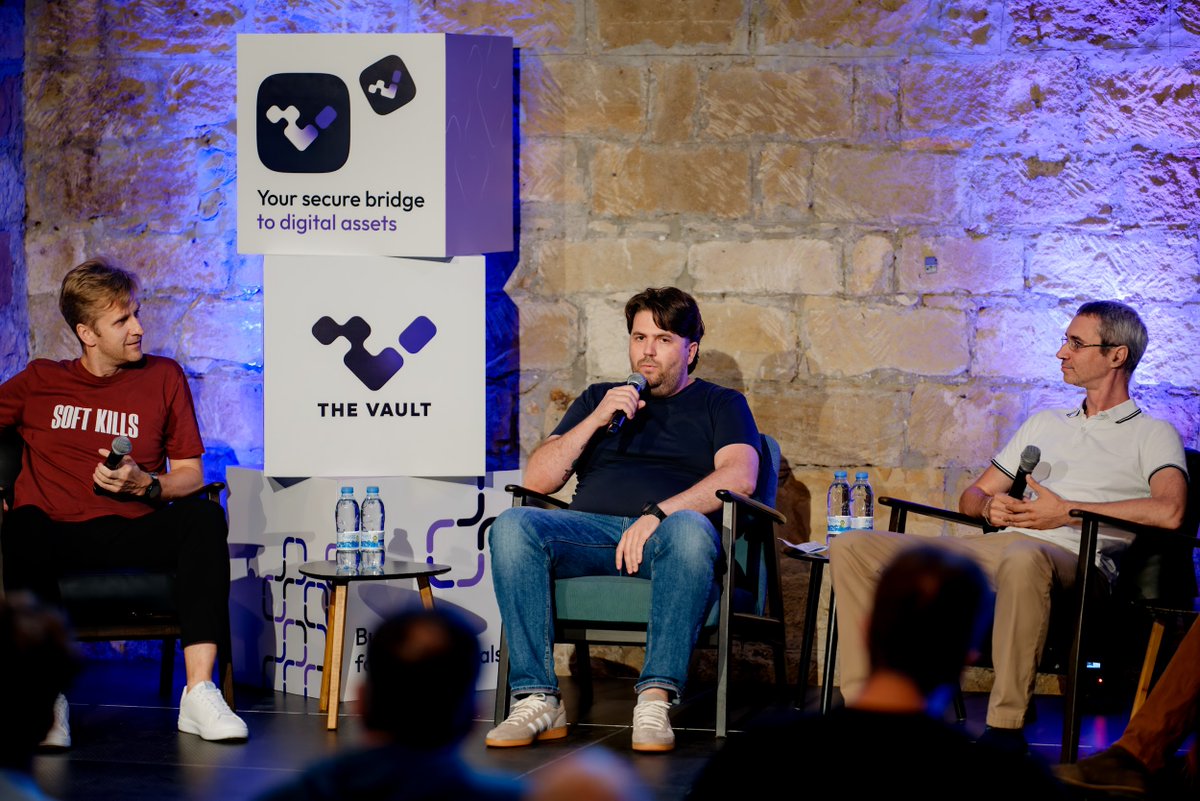
𝗟𝗮𝘀𝘁 𝘄𝗲𝗲𝗸, 𝘄𝗲 𝗵𝗼𝘀𝘁𝗲𝗱 𝘁𝗵𝗲 𝘀𝗲𝗰𝗼𝗻𝗱 𝗧𝗲𝗰𝗵𝗣𝗿𝗼 𝗖𝗼𝗺𝗺𝘂𝗻𝗶𝘁𝘆 𝗠𝗲𝗲𝘁𝘂𝗽 𝗽𝗼𝘄𝗲𝗿𝗲𝗱 𝗯𝘆 𝗧𝗵𝗲 𝗩𝗮𝘂𝗹𝘁.
The discussion focused on a question many engineering teams are facing today: has DevOps become more complex than it needs to be? From evolving toolchains and layered processes to the balance between efficiency and complexity, the conversation brought together different perspectives and real-world experiences from across the industry.
The Vault was represented by our DevOps Platform Lead, Nikita Nadezhin, who joined the discussion and shared his perspective alongside fellow industry experts.
A big thank you to all speakers and our moderator:
▪️Alex Toumazis, Staff Software Engineer at Yelp
▪️Dmitry Kuryanovich, Head of Maintenance at Wargaming
▪️Ruslan Lazukov, Delivery Manager & Co-head of Internal Development at DataArt
▪️Liza Charalambous, Co-founder & CTO at Malloc (Moderator)
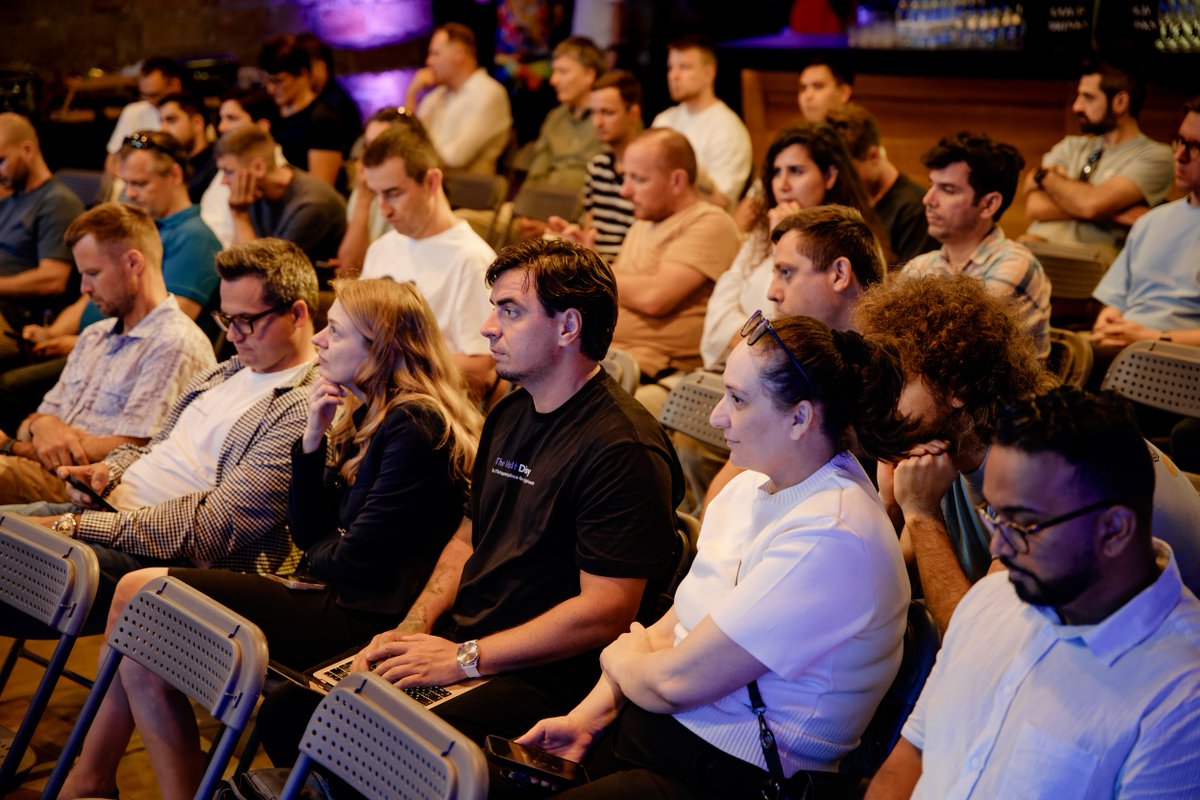
Thank you to TechIsland for another great collaboration and to everyone who joined us, asked questions, shared ideas, and stayed for networking afterwards.
We’re proud to support initiatives that bring the Cyprus tech community together and look forward to the next meetup.
𝗪𝗵𝗮𝘁 𝗶𝗳 𝘁𝗵𝗲 𝗯𝗶𝗴𝗴𝗲𝘀𝘁 𝗿𝗶𝘀𝗸 𝗶𝗻 𝗱𝗶𝗴𝗶𝘁𝗮𝗹 𝗮𝘀𝘀𝗲𝘁 𝘀𝗲𝗰𝘂𝗿𝗶𝘁𝘆 𝗶𝘀 𝘁𝗵𝗲 𝗸𝗲𝘆 𝗶𝘁𝘀𝗲𝗹𝗳?
Most wallets rely on a single private key. If it’s stolen, compromised, or exposed, the attacker gains control.
MPC (Multi-Party Computation) takes a different approach. Instead of storing one complete key, it splits cryptographic control into multiple independent shares distributed across devices and servers. No single share can authorize a transaction on its own, and no complete key exists in one place.
Why does this matter?
In 2025, crypto hacks resulted in more than $3.4B in losses. Many incidents ultimately came down to a single point of failure: one compromised key, device, or credential.
MPC removes that single point of failure. Even if one share is compromised, it cannot be used to move assets on its own.
For institutions managing digital assets, security is no longer just about protecting keys. It’s about eliminating the conditions that make a compromise possible in the first place.
#MPC #DigitalAssets #Custody #CryptoSecurity #Cybersecurity #InstitutionalFinance #TheVault
Last week, our CEO, Artem Stopnevich, took part in The (Un)Banked Conference in Amsterdam, where The Vault was also proud to support the event as a sponsor.
Artem joined a panel discussion moderated by Katie Perry alongside Jody Mettler, COO at BitGo, Thijs van Boven, Head Trader, Digital Assets at VanEck, and James Butterfill, Head of Research at CoinShares.
Together, they discussed what happens when organizations move assets onchain, how institutions balance technology and governance, and the challenges of transitioning from pilot projects to production environments.
One of the strongest takeaways from the event was how closely connected banking, fintech, and digital assets have become. Across the discussions, the focus was no longer on separate industries, but on shared challenges around trust, infrastructure, governance, and the movement of value.
A big thank you to @INPUT_global for bringing together such a strong group of speakers and industry leaders.
We’re proud to be part of such a forward-thinking community and look forward to continuing the conversation.
$𝟏𝟕𝗕 𝘄𝗮𝘀 𝗹𝗼𝘀𝘁 𝘁𝗼 𝗰𝗿𝘆𝗽𝘁𝗼 𝘀𝗰𝗮𝗺𝘀 𝗶𝗻 𝟐𝟎𝟐𝟓.
According to the FTC, nearly 30% of reported scam losses now begin on social media, totaling $2.1B. Investment scams originating from social platforms alone accounted for $1.1B in losses.
The tactics are evolving fast: fake celebrity endorsements, deepfake videos, impersonation of exchanges and wallets through DMs, AI-generated calls, and giveaway scams tied to wallet connections.
For digital asset companies, this creates a different kind of security challenge. Social media is no longer just a marketing channel. It has become part of the attack surface and part of institutional trust.
How a company handles account verification, communication, impersonation attempts, and user education increasingly says a lot about how it handles security overall.
Artem Stopnevich, CEO of The Vault, will be speaking at The (un)Banked Conference on June 3 in Amsterdam, hosted by @INPUT_global during Money20/20 Europe.
The event brings together leaders from banking, fintech, and digital assets to discuss how financial systems are evolving as more infrastructure moves onchain.
This year’s conversations will focus on payments, custody, trading, yield infrastructure, regulation, and the future relationship between traditional finance and digital assets.
The conference will take place at Fosbury & Sons Members Club in the heart of Amsterdam and will feature keynote talks, focused panel discussions, and curated networking with industry decision-makers.
If you’ll be attending, we’d be glad to connect and continue the conversation.
🔗Join the conversation: https://t.co/1eJfs7tJj6
Project Eleven recently published a report warning that more than $3T in digital assets secured by elliptic curve cryptography could become vulnerable to quantum attacks within the next 4–7 years.
Researchers say “Q-Day” — the moment quantum computers become capable of breaking current encryption standards — could arrive as early as 2030.
One of the biggest concerns is that quantum attacks target publicly exposed cryptographic keys, not smart contracts or infrastructure code. According to the report, around 6.9M BTC may already face future exposure because their public keys are visible on-chain.
The report also highlights a much bigger challenge: migrating global financial infrastructure to post-quantum cryptography could take close to a decade and require coordination across institutions, networks, infrastructure providers, and users.
Post-quantum security is quickly becoming a real infrastructure conversation for digital assets and custody systems.
𝗗𝗮𝘁𝗮 𝗲𝘅𝗶𝘀𝘁𝘀 𝗶𝗻 𝘁𝗵𝗿𝗲𝗲 𝘀𝘁𝗮𝘁𝗲𝘀: 𝗮𝘁 𝗿𝗲𝘀𝘁, 𝗶𝗻 𝘁𝗿𝗮𝗻𝘀𝗶𝘁, 𝗮𝗻𝗱 𝗶𝗻 𝘂𝘀𝗲.
Most security infrastructure is designed to protect the first two. But for AI systems and digital asset custody, the biggest risks increasingly appear during the third state, while data is actively being processed inside the system.
This is where Trusted Execution Environments, or TEE, come in. A TEE is a hardware-isolated environment inside a processor where sensitive operations can run separately from the surrounding infrastructure, including the operating system and server administrators.
For custody infrastructure, this matters most during signing operations, when key shares are actively processed inside the system. If a server is breached and an attacker gains infrastructure access, operations running inside the TEE remain isolated from the surrounding environment.
The Vault uses TEE across all server-side key shares to help ensure signing operations happen inside a fully isolated execution environment.
💻 Join The Vault on May 12 at 3 PM Dubai | 1 PM CET | 12 PM London for a focused, practitioner-level virtual session on how digital asset custody actually works.
We'll start with a clear breakdown of how custody architecture has evolved from exchanges and hardware wallets through to multisig and MPC, and what each approach means for institutional security and control.
We'll look at where real-world custody failures have occurred, examining what went wrong, why and what they reveal about the risks organizations face today.
👉𝗥𝗲𝗴𝗶𝘀𝘁𝗿𝗮𝘁𝗶𝗼𝗻 𝗹𝗶𝗻𝗸: https://t.co/yk5ltkSC1n
The Vault offers institutional custody infrastructure built for exactly this. MPC-based, EU-regulated, and deployable entirely on your own servers, so you maintain complete control over your assets, your keys, and your governance. We'll walk you through the platform and capabilities during the session.
We'll keep it concise and close with a live Q&A.
Want to talk before the session? Book a focused 20-minute call with The Vault team 👉 [Schedule a 1:1 here https://t.co/f0eWJX91Fu ]
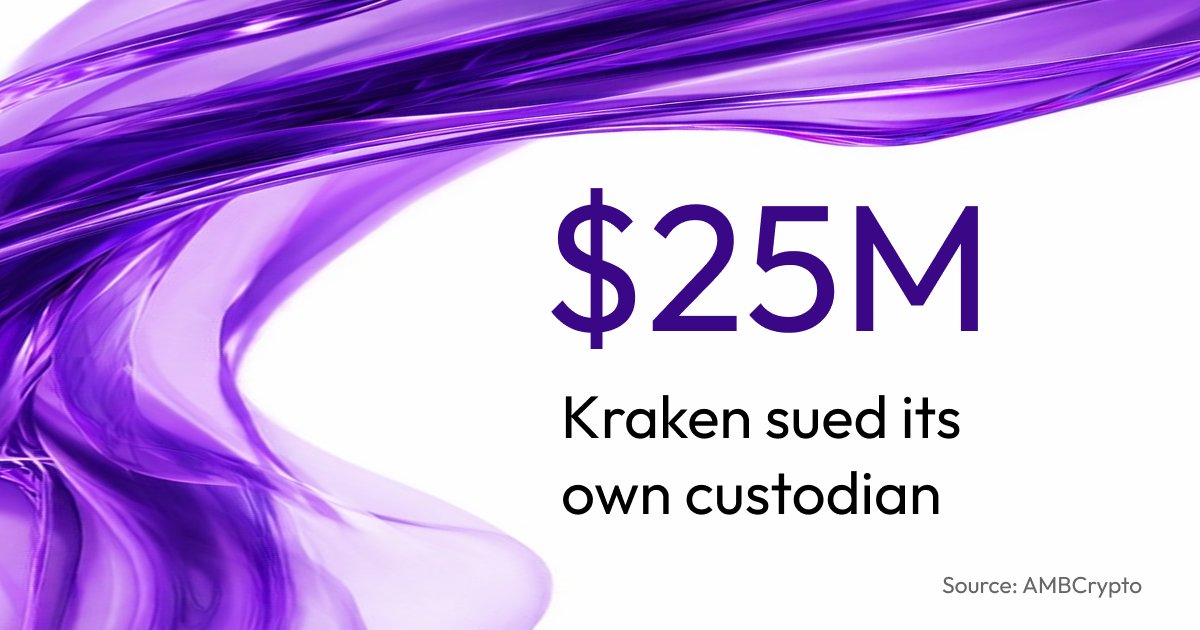
𝗞𝗿𝗮𝗸𝗲𝗻 𝗶𝘀 𝘀𝘂𝗶𝗻𝗴 𝗶𝘁𝘀 𝗳𝗼𝗿𝗺𝗲𝗿 𝗰𝘂𝘀𝘁𝗼𝗱𝘆 𝗽𝗮𝗿𝘁𝗻𝗲𝗿 𝗘𝘁𝗮𝗻𝗮 𝗳𝗼𝗿 $𝟐𝟓 𝗺𝗶𝗹𝗹𝗶𝗼𝗻 𝗶𝗻 𝗺𝗶𝘀𝘀𝗶𝗻𝗴 𝗰𝗹𝗶𝗲𝗻𝘁 𝗳𝘂𝗻𝗱𝘀.
The story goes like this: client assets were mixed with company money, some of it went into investments that did not work out, and the gap was quietly filled with deposits from newer clients. The whole time, account statements kept arriving showing everything was fine.
It only fell apart in April 2025 when Kraken asked for the money back.
What is hard to get past is not really the amount, but the fact that the statements looked completely normal the whole time, and nobody outside the firm had any reason to question them, because nobody outside the firm was required to check.
This is more or less why we are going through the regulatory path rather than just setting up shop and calling ourselves a custodian.
Getting MiCA/CASP authorised takes time and it costs money, and we are doing it anyway, because client asset segregation under MiCA is not a feature, it is a legal requirement, and CySEC is the third party that verifies we meet it, which is a rather different conversation from trusting a dashboard.
𝟕𝟏% 𝗼𝗳 𝗶𝗻𝘀𝘁𝗶𝘁𝘂𝘁𝗶𝗼𝗻𝗮𝗹 𝗮𝘀𝘀𝗲𝘁 𝗺𝗮𝗻𝗮𝗴𝗲𝗿𝘀 𝗽𝗹𝗮𝗻 𝘁𝗼 𝗶𝗻𝗰𝗿𝗲𝗮𝘀𝗲 𝗰𝗿𝘆𝗽𝘁𝗼 𝗲𝘅𝗽𝗼𝘀𝘂𝗿𝗲.
What the data shows: average allocation is already around 7% and ETF assets have reached ~$115B, giving institutions a regulated on-ramp. At the same time, 35% still see regulatory uncertainty as the main barrier, while 32% say clearer rules are exactly what would push them to invest.
What’s driving the shift: regulation is gradually becoming clearer, ETFs have simplified access, and infrastructure is catching up.
As allocations grow, custody becomes the critical link. For asset managers, family offices, and funds, it defines how assets are stored, controlled, and protected at scale.
#thevault #cryptocustody #digitalassets #assetprotection #institutionalinvestors
Not all crypto wallets are built for the same purpose.
Hot, warm, and cold wallets differ in how assets are accessed, controlled, and the level of risk they carry.
🔴Hot wallets are always online. They enable instant transactions and are used for daily operations and liquidity. This also makes them the most exposed.
🟠Warm wallets connect when needed and operate through approval workflows. They balance access and control, with moderate exposure.
🔵Cold wallets stay offline. They are designed for long-term storage and offer the lowest risk profile.
Most institutions use a tiered structure, separating operations, reserves, and long-term holdings across different wallet types.
The right setup depends on how your business actually operates.
#cryptocustody #digitalassets #walletsecurity #cryptoinfrastructure #institutionalcrypto #riskmanagement #Web3 #coldwallet #hotwallet
MiCA is the EU’s regulatory framework for digital assets, covering licensing, custody, and investor protection. 78% of institutional investors already see it as a positive development.
It was introduced in phases: stablecoin rules came into force in June 2024, in December 2024 the framework became applicable to crypto service providers, and by July 2026 the transition period for existing players comes to an end across EU jurisdictions.
What MiCA actually requires:
• CASP licensing to operate in the EU
• strict rules for stablecoins
• AML/KYC compliance
• clear risk disclosures
• ongoing supervision and audits
This is setting a new baseline for how crypto infrastructure is built and how institutional capital enters the market.
#thevault #MiCA #CryptoRegulation #DigitalAssets #CryptoCompliance #Custody #InstitutionalCrypto #Fintech #Web3
Control in digital assets starts with how your infrastructure is built.
Many teams rely on setups where control is shared or depends on third parties. This works until questions of access and ownership come up.
What matters is where keys are generated, how they are managed, and who defines the rules around them.
The Vault provides a structured environment for working with digital assets, combining control, security and flexibility within one system.
Ready to own your infrastructure? Book a demo:
📞 +357 25 259 373
📩 [email protected]
🌐 https://t.co/Kis4kAbnc2
#thevault #digitalassets #keymanagement #cryptocompliance #assetmanagement
𝗔𝗹𝗹 𝗺𝗼𝗱𝘂𝗹𝗲𝘀. 𝗢𝗻𝗲 𝗽𝗹𝗮𝘁𝗳𝗼𝗿𝗺 𝗮𝗿𝗰𝗵𝗶𝘁𝗲𝗰𝘁𝘂𝗿𝗲.
Managing digital assets often means working across multiple systems. Custody, treasury and investments are handled separately, which adds extra steps, reduces visibility and complicates daily operations.
The result is slower execution, fragmented control and harder decision-making.
A unified platform connects these functions into one system. Custody execution, treasury management and investment strategies operate within a single structure, with clear roles, permissions and operational logic.
The Vault brings together custody infrastructure, structured investment strategies and an operational interface for daily asset management in one platform.
Ready to take control of your digital asset operations?
📞 +357 25 259 373
📩 [email protected]
🌐 https://t.co/Kis4kAbnc2
#digitalassets #custody #fintech #crypto #assetmanagement #infrastructure #thevault
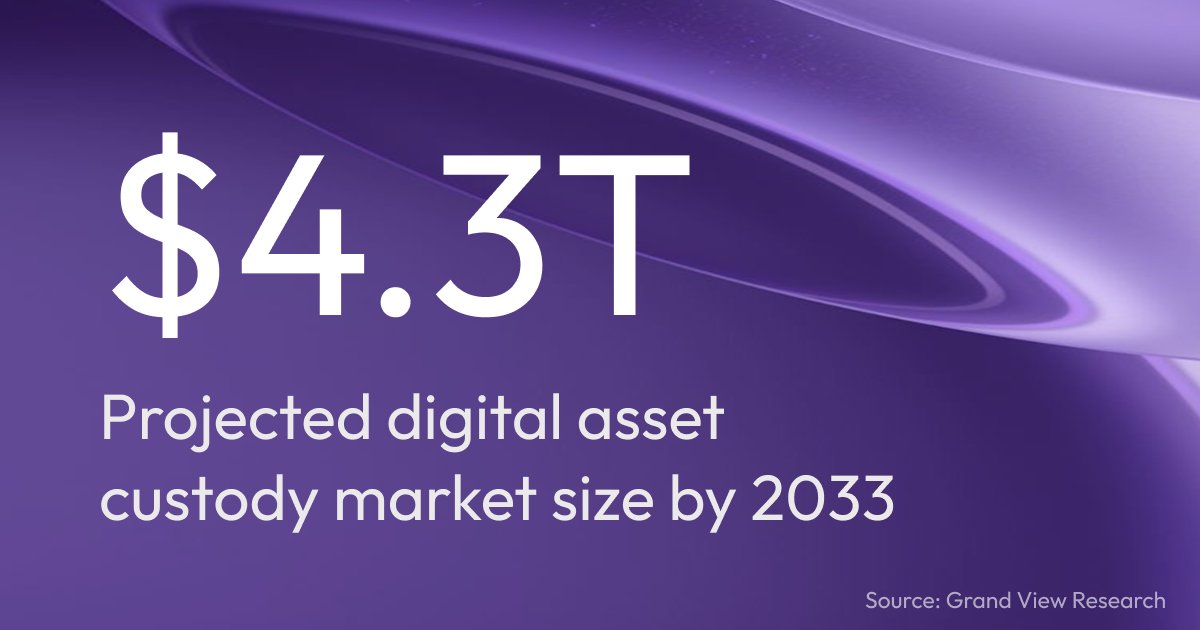
𝗧𝗵𝗲 𝗱𝗶𝗴𝗶𝘁𝗮𝗹 𝗮𝘀𝘀𝗲𝘁 𝗰𝘂𝘀𝘁𝗼𝗱𝘆 𝗺𝗮𝗿𝗸𝗲𝘁 𝗶𝘀 𝗽𝗿𝗼𝗷𝗲𝗰𝘁𝗲𝗱 𝘁𝗼 𝗿𝗲𝗮𝗰𝗵 $𝟒.𝟑𝗧 𝗯𝘆 𝟐𝟎𝟑𝟑📈
This pace of growth is changing how custody is approached. It is becoming a core part of how digital assets are controlled, protected and operated at scale.
Institutional demand is raising the bar. Control over assets, transparency of operations and regulatory alignment are moving into the baseline. Frameworks like MiCA are shaping clearer standards across the market, while on-chain visibility is becoming part of operational logic.
Risk is also evolving. The number of incidents is not the main issue. The size of losses is increasing, and structural weaknesses show up during scaling, transfers and ownership changes.
Custody is turning into infrastructure that defines how the system works over time, especially as complexity grows.
Follow The Vault stay ahead of the market!
#digitalassets #custody #fintech #crypto #infrastructure #regulation






![thevault_soft's tweet photo. 💻 Join The Vault on May 12 at 3 PM Dubai | 1 PM CET | 12 PM London for a focused, practitioner-level virtual session on how digital asset custody actually works.
We'll start with a clear breakdown of how custody architecture has evolved from exchanges and hardware wallets through to multisig and MPC, and what each approach means for institutional security and control.
We'll look at where real-world custody failures have occurred, examining what went wrong, why and what they reveal about the risks organizations face today.
👉𝗥𝗲𝗴𝗶𝘀𝘁𝗿𝗮𝘁𝗶𝗼𝗻 𝗹𝗶𝗻𝗸: https://t.co/yk5ltkSC1n
The Vault offers institutional custody infrastructure built for exactly this. MPC-based, EU-regulated, and deployable entirely on your own servers, so you maintain complete control over your assets, your keys, and your governance. We'll walk you through the platform and capabilities during the session.
We'll keep it concise and close with a live Q&A.
Want to talk before the session? Book a focused 20-minute call with The Vault team 👉 [Schedule a 1:1 here https://t.co/f0eWJX91Fu ]](https://pbs.twimg.com/media/HHye5lDWYAUgPpL.jpg)