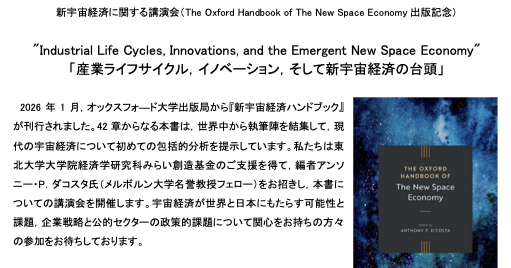
だいぶ近くなってきたのでリポストしま〜す
日時:10月13日(火)15:00〜
場所:東北大学大学院経済学研究科第3講義室
講師:A. P. D’Costa, University of Melbourne
演題: “Industrial Life Cycles, Innovations, and the Emergent New Space Economy”
入場:無料/会場150名。オンラインあります
だいぶ近くなってきたのでリポ��トしま〜す
日時:10月13日(火)15:00〜
場所:東北大学大学院経済学研究科第3講義室
講師:A. P. D’Costa, University of Melbourne
演題: “Industrial Life Cycles, Innovations, and the Emergent New Space Economy”
入場:無料/会場150名。オンラインあります
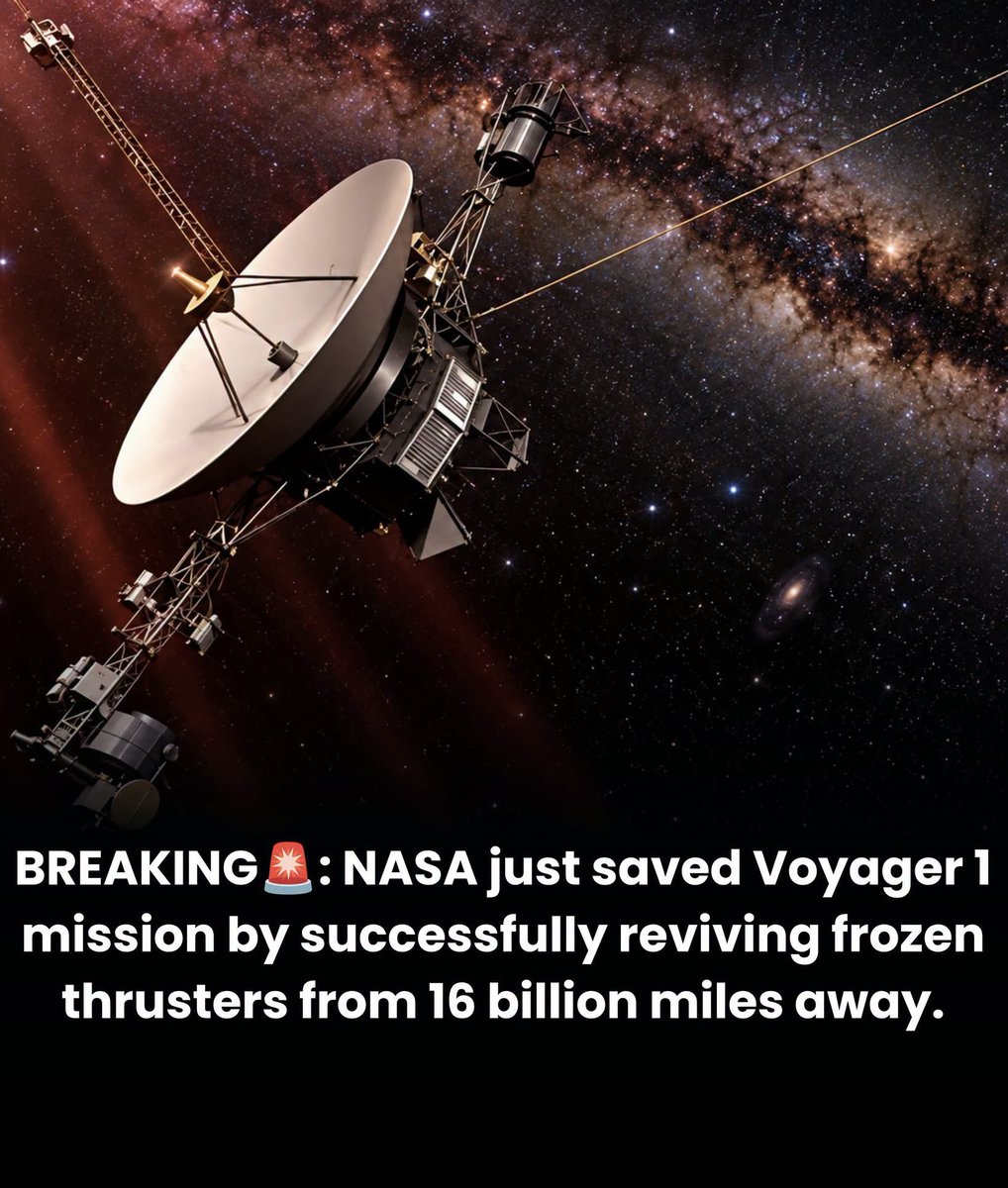
VOYAGER 1 JUST CAME BACK FROM THE DEAD
Something thought to be broken for more than 20 years has suddenly come back to life on a spacecraft more than 15 billion miles from Earth.
NASA’s Voyager 1, launched in 1977, recently faced another problem that could have threatened its ability to communicate with us. Engineers needed backup roll thrusters to help keep the spacecraft’s antenna precisely aimed at Earth. But those thrusters had been considered unusable since 2004 after their tiny heaters stopped receiving power.
Then NASA engineers took another look at the old failure. They suspected the heaters might not actually be dead, but stuck in the wrong electrical state.
So they sent a carefully planned command into deep space.
The signal took more than 23 hours to reach Voyager 1. There was no instant response and no way to intervene if the spacecraft reacted badly. Engineers had to wait.
Then, more than a day later, the telemetry arrived.
The temperature had risen.
The heaters were working.
A system believed to be lost for two decades had been brought back to life from billions of miles away.
The timing matters. Voyager’s working thrusters are slowly becoming less reliable as fuel residue builds up inside their narrow tubes. Meanwhile, the spacecraft’s nuclear power source loses about four watts every year. NASA has already been forced to shut down instruments to conserve its shrinking supply of electricity. Only two science instruments remain operating.
And Voyager 1 is still heading farther into interstellar space.
In November 2026, it is expected to become the first human-made object to reach a distance of one light-day from Earth — about 16.1 billion miles away.
A spacecraft built nearly half a century ago is still whispering information back to Earth from the darkness between the stars.
And somehow, every time it seems ready to fall silent, engineers find another way to keep it talking.
Source: NASA/JPL
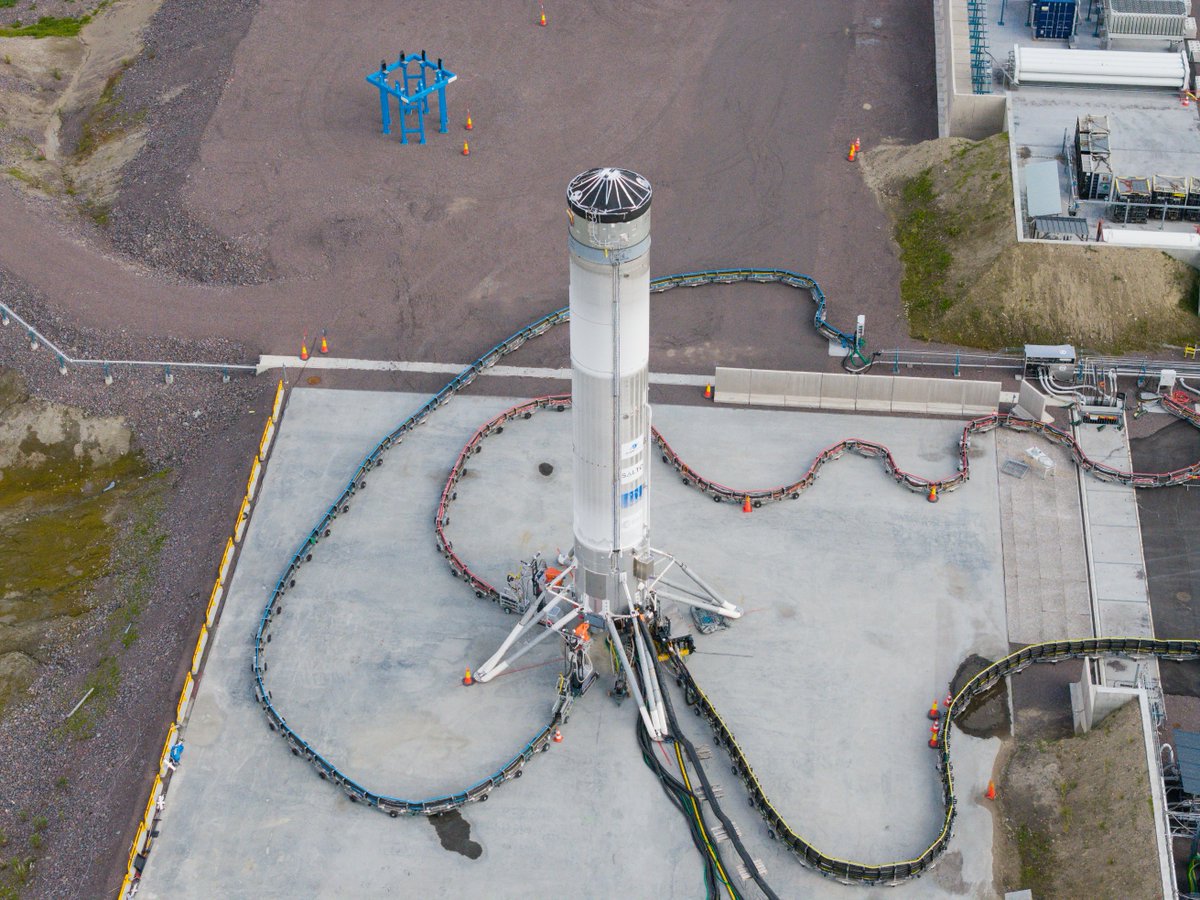
🚀 A major milestone for Themis at Esrange Space Center.
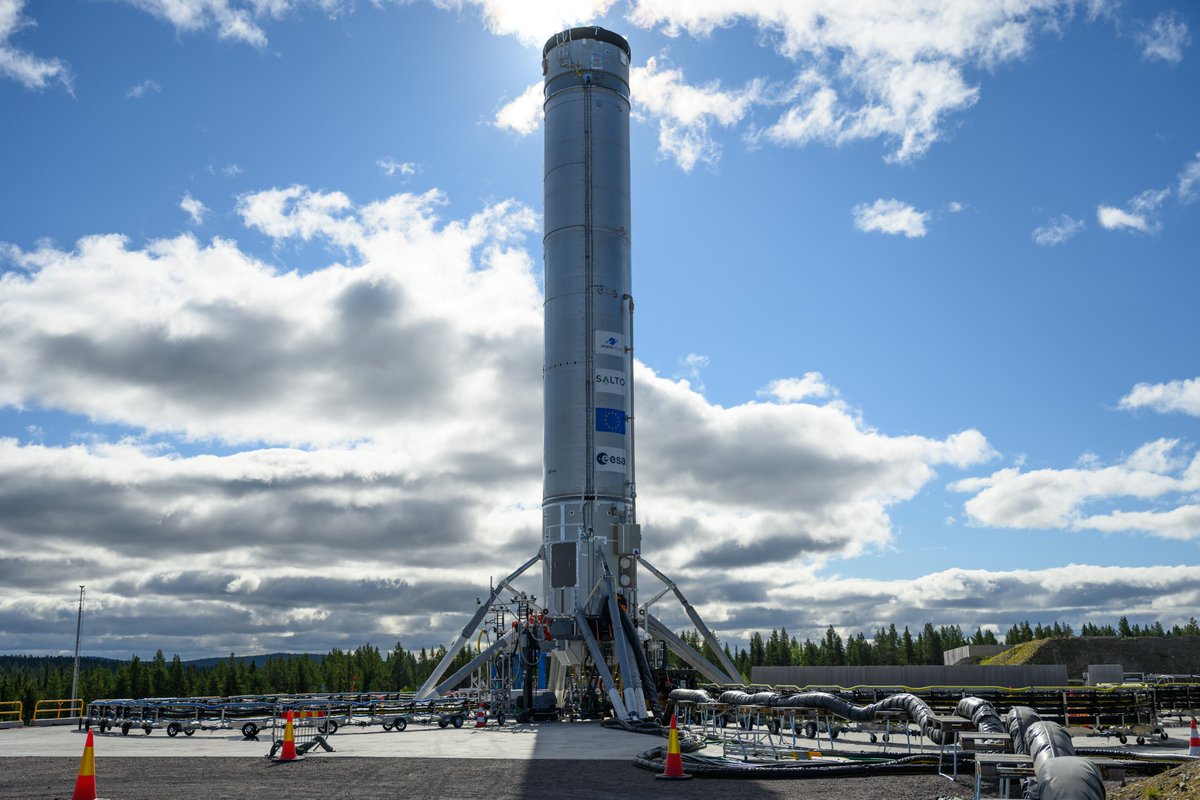
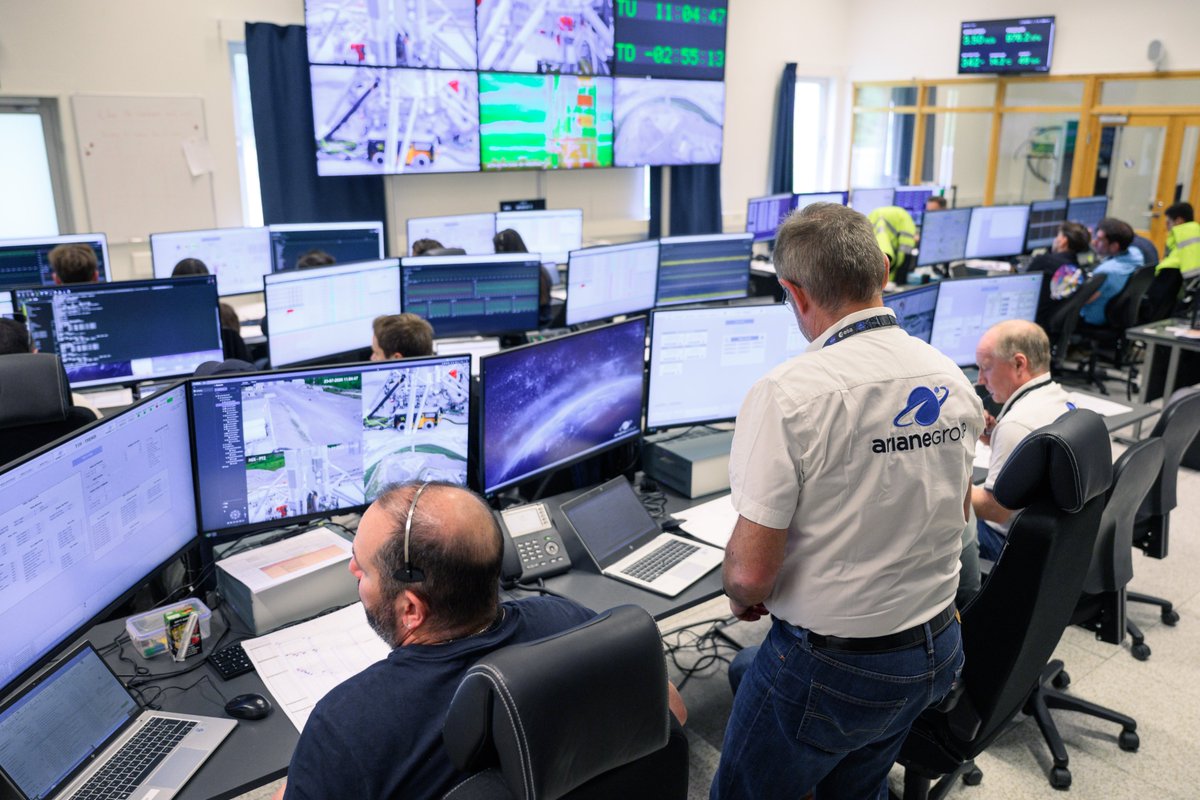
On 23 July 2026, ArianeGroup and SSC Space teams completed a flight chronology rehearsal, also known as a wet dress rehearsal, with the Themis reusable stage demonstrator, as part of the EU-funded SALTO test campaign.
Using liquid nitrogen in place of liquid oxygen and liquid methane, the teams simulated launch operations under cryogenic conditions, with temperatures as low as -200°C.
The full-day rehearsal covered the countdown chronology, from the pre-flight preparation of the demonstrator and launch pad to the post-virtual-launch operations required to safe the site.
This test has provided essential data for the next stages of the campaign and marks further progress towards the Hop Test: Europe’s first flight test with recovery.
Following SALTO’s test-and-learn approach, each successive demonstration helps develop and mature the technologies required for reusability, bringing Europe closer to sovereign capabilities in reusable space technologies.
The teams are now working to define the window for the next test.
#RocketMakers #Civil #Themis
@SSCspace@EU_Commission@ESA_transport@projectsalto