Highlights and MCQs on Economic Survey 2025-26 Chapter 3 on Monetary Management and Financial Intermediation)
1. Multi-Decadal Low in NPAs: The asset quality of Scheduled Commercial Banks (SCBs) reached a historic peak, with the Gross Non-Performing Asset (GNPA) ratio falling to 2.2% and Net NPAs to 0.5% by September 2025.
2. Shift in Monetary Stance: To balance growth with moderating inflation, the RBI shifted its policy stance to "neutral" in June 2025, alongside a 100 bps cut in the repo rate to 5.25%.
3. Robust Credit Growth: Outstanding bank credit grew by 14.5% y-o-y by December 2025, significantly outpacing the 11.2% growth seen in the previous year.
4. Convergence of Credit and Deposits: A key highlight is the narrowing credit-deposit gap, indicating more sustainable bank credit growth compared to previous cycles.
5. Financial Inclusion Milestones: Under PM Jan Dhan Yojana, accounts reached 55.02 crore by late 2025, while the Mudra Yojana crossed ₹36.18 lakh crore in total disbursements.
6. Capital Market Outperformance: Indian stock markets showed resilience against global volatility, with resource mobilisation from primary markets reaching ₹11.1 lakh crore in the first nine months of FY25.
7. Rising Retail Participation: The equity market has seen a surge in unique investors (12 crore+) and Demat accounts (21.6 crore), with young investors now making up roughly 40% of the market.
8. Insolvency and Bankruptcy Code (IBC) Impact: The IBC remains a critical pillar for resolution, with ₹3.6 lakh crore realized from 1,068 resolution plans as of late 2024, achieving 161% of liquidation value.
9. Insurance and Pension Expansion: Total insurance premiums grew to ₹11.9 lakh crore in FY25, while the pension sector saw a 16% y-o-y growth in subscribers by September 2024.
10. Warning Against "Financialization": The survey cautions against over-financialization, where financial markets might compete with the real economy for essential resources like skilled labor and capital.
#upsc #upsc2026
#upsceconomics
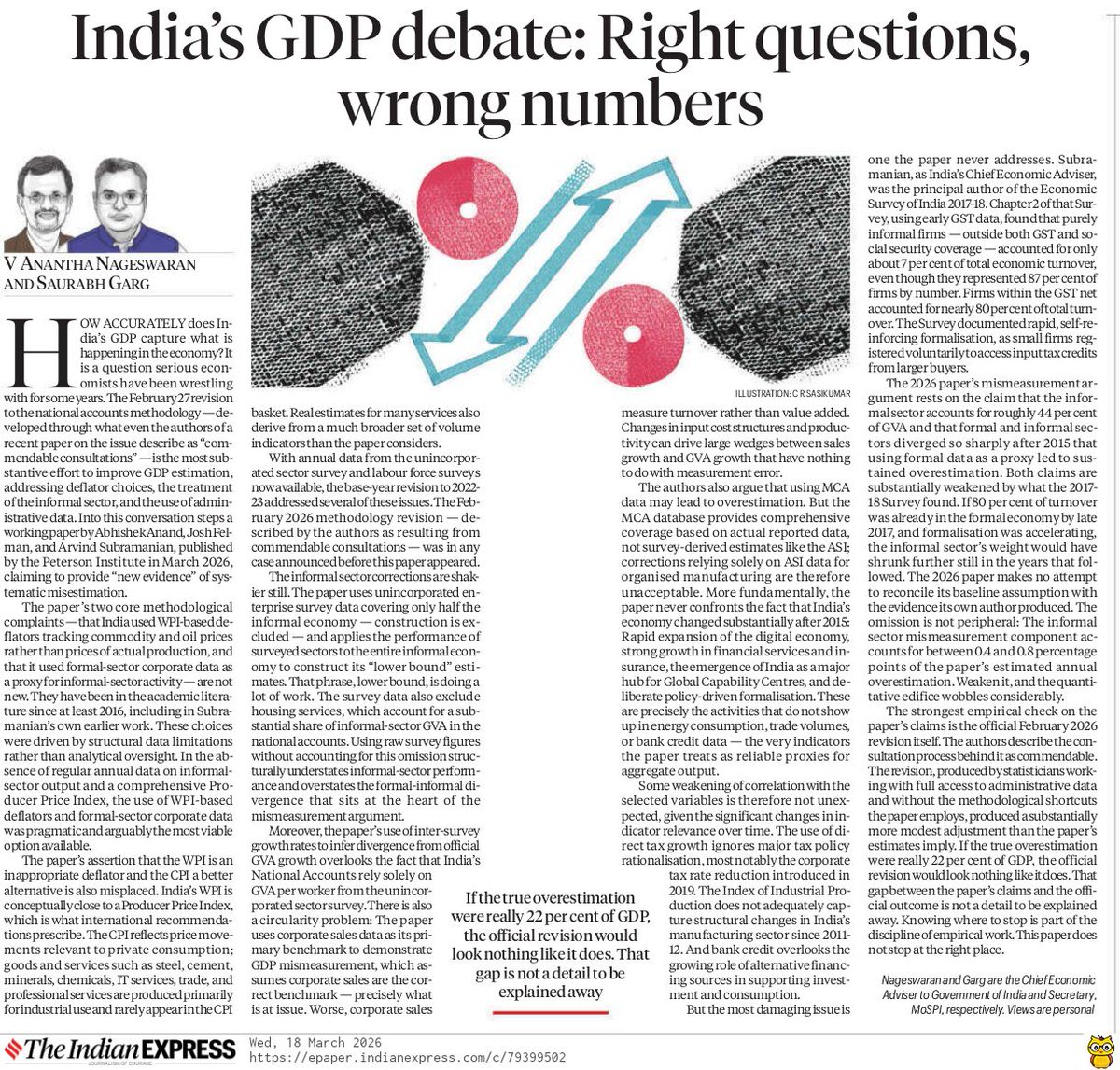
This op-ed by CEA & Statistics Secy is written so lucidly that even someone like me with little to limited understanding of economic measurement can grasp the core arguments.
22% overestimation?: No evidence. 2026 revision shows no dramatic correction.
WPI vs CPI?: WPI = producer prices (correct for GDP.
CPI is for consumers.
• Informal sector mismeasured?: GST + digitalisation have accelerated formalisation, narrowing the gap.
• MCA data inflates growth?
Actually offers far wider coverage than legacy surveys.
Questioning GDP measurement is healthy, but resorting to methodological shortcuts and weak proxies risk producing misleading. via @IndianExpress
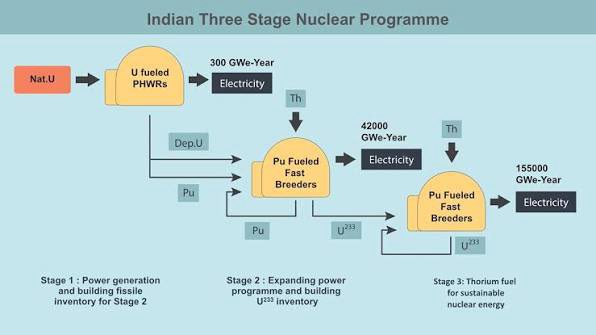
The famous 3 stages of India’s nuclear energy program. (Today we cracked 2nd stage here - BARC calls it 3rd as 2nd was PFBTR (prototype))
Stage 1 : Convert uranium into plutonium..
Natural uranium has very little fissile U-235. In PHWRs, U-235 undergoes fission to produce energy, while the abundant U-238 absorbs neutrons and converts into plutonium-239 (Pu-239).
You generate power and create fissile material for the next stage.
Examples: Rajasthan Atomic Power Station, Kakrapar Atomic Power Station, Narora etc
Stage 2 : Breed more fuel using fast neutrons
Fast breeder reactors use Pu-239 as fuel. When it fissions, it releases high-energy neutrons that convert surrounding U-238 or thorium into more fissile material (Pu-239 or U-233).
Net effect: you create more fuel than you consume (breeding).
Examples: Fast Breeder Test Reactor (critical today and Modi ji called it out, Prototype Fast Breeder Reactor - Base tech demonstrator)
Stage 3 : Thorium to Uranium-233 cycle
Thorium-232 is not fissile, but it absorbs a neutron → becomes Uranium-233, which can sustain a chain reaction.
👉 This enables long-term energy using India’s vast thorium reserves.
Example: Advanced Heavy Water Reactor (planned)
In one line:
Uranium → Plutonium → Thorium → U-233 → Sustainable nuclear fuel cycle
Orange Economy
India’s Animation, Visual Effects, Gaming and Comics #AVGC sector is a growing industry, projected to require 2 million professionals by 2030. I propose to support the Indian Institute of Creative Technologies, Mumbai in setting up AVGC Content Creator Labs in 15,000 secondary schools and 500 colleges - FM @nsitharaman
#ViksitBharatBudget @nsitharamanoffc
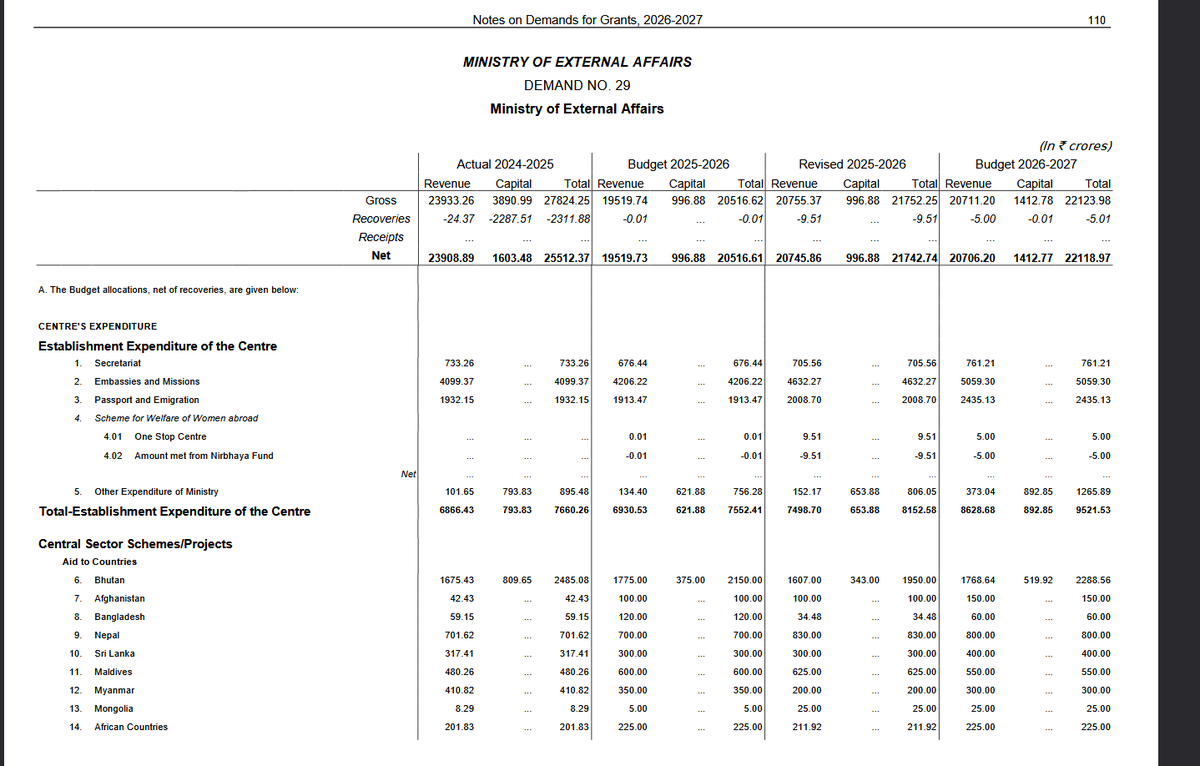
Interesting takeaways from MEA's budget. Bhutan continues to top the list of countries that gets financial assistance from India, followed by Nepal, Maldives and Sri Lanka; Allocation for Bangladesh reduced by 50 per cent; No fund allotted to Chabahar; increased allocation to Afghanistan too
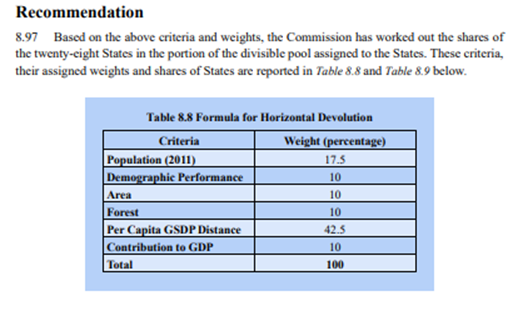
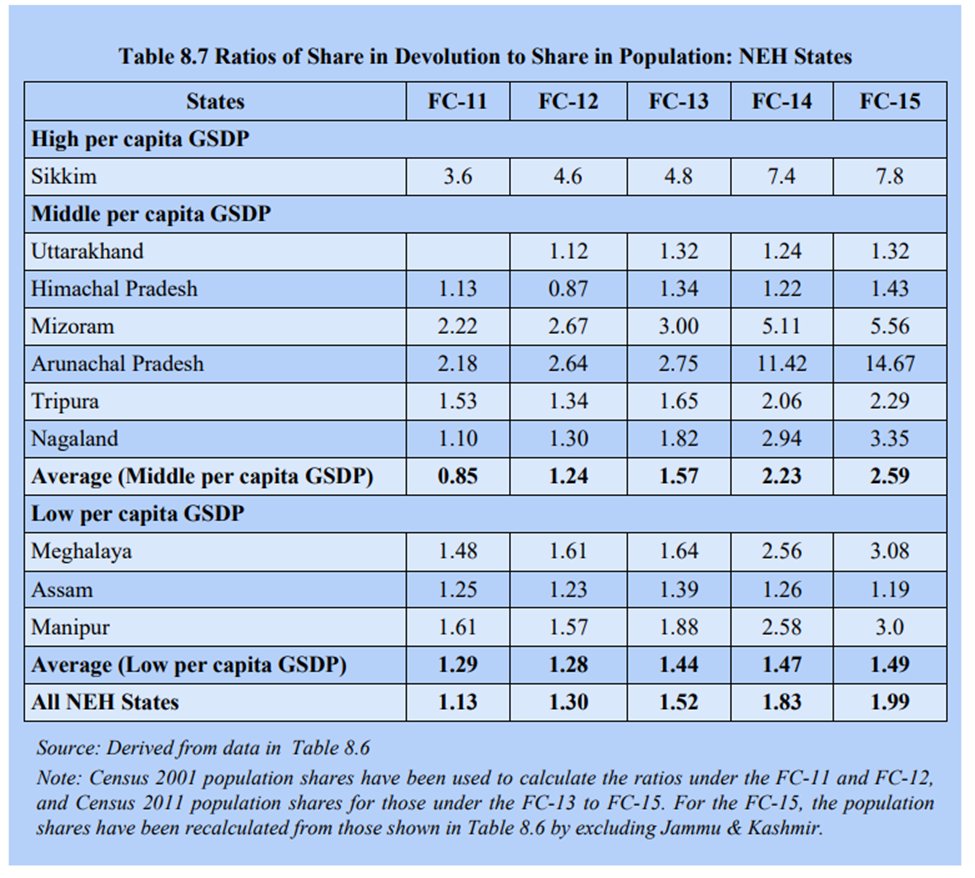
16th Finance Commission is out... Here are the links
Revenue sharing formula stays same at 41% as previous FY
Screenshots below show the devolution formula and share the each state to get under new FC
I will be tweeting some key charts from the report separately instead of the thread
https://t.co/aaUzM2JiyF
https://t.co/BXQw4o1zxh
After watching this small video you will never get any 'Train Problems' wrong.
This video contains the visual explanation and all the PYQs related to this topic.
#UPSC#PRELIMS#CSAT
Indian consumer goes "durable"!!
(The Hindu Businessline)
1. Over the last 10 years, Indian consumption patterns have undergone a structural transformation, Households are not just spending more they are allocating a growing share of expenditure to non-food items.
2. Food now accounts for less than half of total household consumption even in rural India, while spending on "durable goods" has risen across all income groups. This shift signals expanding prosperity, broader aspirations and improved market access for millions.
3. There has been a steady decline in the share of food, and the dramatic rise in spending on durables. Rural spending on durable goods has surged by 217%. Adjusted for inflation, this means a typical rural family of four now spends roughly Rs 13,000 more per year on durable goods than it did a decade ago.
4. Within the durable goods category, the composition of purchases has changed. The share of expenditure on clothing and footwear has fallen. Meanwhile, spending on asset-building items cooking and household appliances, personal tech, and home equipment has risen.
5. In both urban and rural India, a greater proportion of households owns durable assets. Vehicles, mobile phones, refrigerators and TVs-once aspirational purchases-have become commonplace.
6. Durable goods are not mere consumption items. They are investments in productivity and capability: A vehicle expands mobility and job access. A refrigerator improves food security and reduces waste. A mobile phone connects households to information, markets and digital services.
7. The spread of such goods boosts individual efficiency and stimulates broader economic dynamism. This change in consumption pattern has implications for policy. The surge in private vehicle ownership requires investments in urban infrastructure. To harness the benefits of the digital economy, mobile access must be accompanied by digital literacy.
8. Domestic demand accounts for more than 60% of India's GDP, making it far more central to growth than in export-driven economies like China.
9. The latest consumption data are a window into how aspirations are rising; how economic structures are shifting and how policy must evolve.
10. Households are preparing for a new standard of living, and policy must keep pace.
(Pl note: Shamika Ravi, author of the above article, is a renowned economist, and member of the PM's Economic Advisory Council)
@ShamikaRavi
#UPSC #UPSCPrelims2026
#upsceconomics
NGREGS is going to change forever...
All your previous knowledge about the scheme is irrelevant now.
Read this article and while reading, ponder upon these 5 questions:
1. Has MGNREGS significantly contributed to farm labour shortages in India?
2. Why has rural wage growth lagged behind inflation despite government schemes?
3. How does rising female labour participation alter India’s rural economy?
4. What role does rural mechanisation play in changing labour demand patterns?
5. Should NREGS be paused during peak agricultural seasons? What could be the pros and cons?
Follow @ayusshsanghi to understand the Indian Economy in a simplified manner.
📌 An Article in The Hindu You Must Read
“A People-Led Climate Intelligence Movement”
What if the most powerful climate data doesn’t come from satellites or global reports—but from villages, farmers, fishers, and forest communities?
You can read the World Inequality Report 2026 in 10 different languages: English, Arabic, Chinese, French, German, Hindi, Portugese, Spanish, Russian, Thai
Spread the world and join the global fight for equality!
https://t.co/mnkh4fbQFE
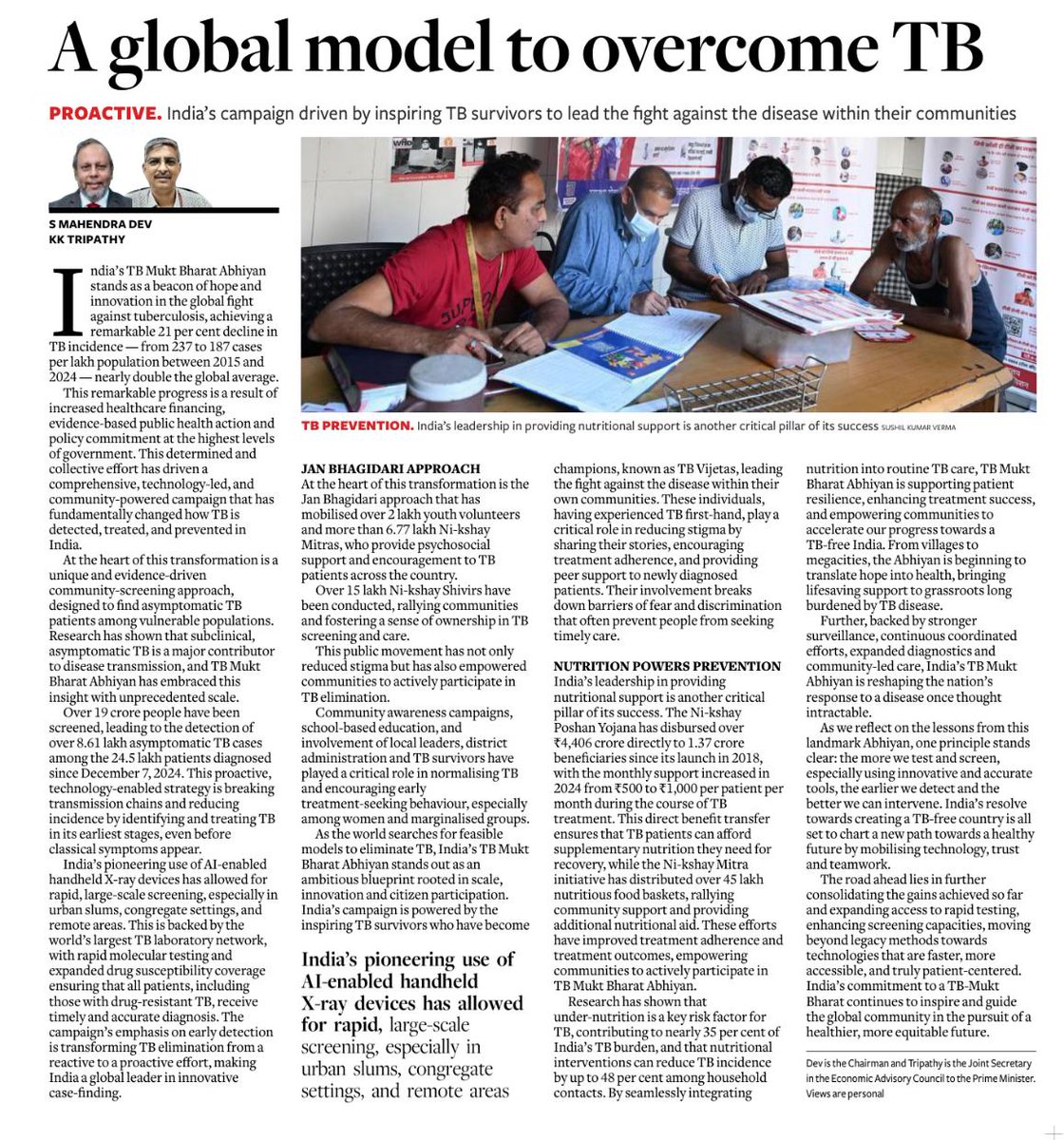
India’s TB Mukt Bharat Abhiyan stands as a beacon of hope and innovation in the global fight against tuberculosis. Hon'ble Chairman Dr S Mahendra Dev and K K Tripathy write on “ A global model to overcome TB”.