Accounting is important for small business owners as it helps the owners, managers, investors and other stakeholders in the business evaluate the financial performance of the business.
A balance sheet is a financial document designed to communicate exactly how much a company or organization is worth - its so-called “book value.” Balance sheet achieves this by listing and tallying up all company's assets, liabilities, and owners' equity as of a particular date.
Unearned income is considered a current liability because it is an amount owed to a customer for an amount received for goods or services not provided. In other words, it a payable to customer who gave us cash and is waiting for us provide the goods or services they paid for.
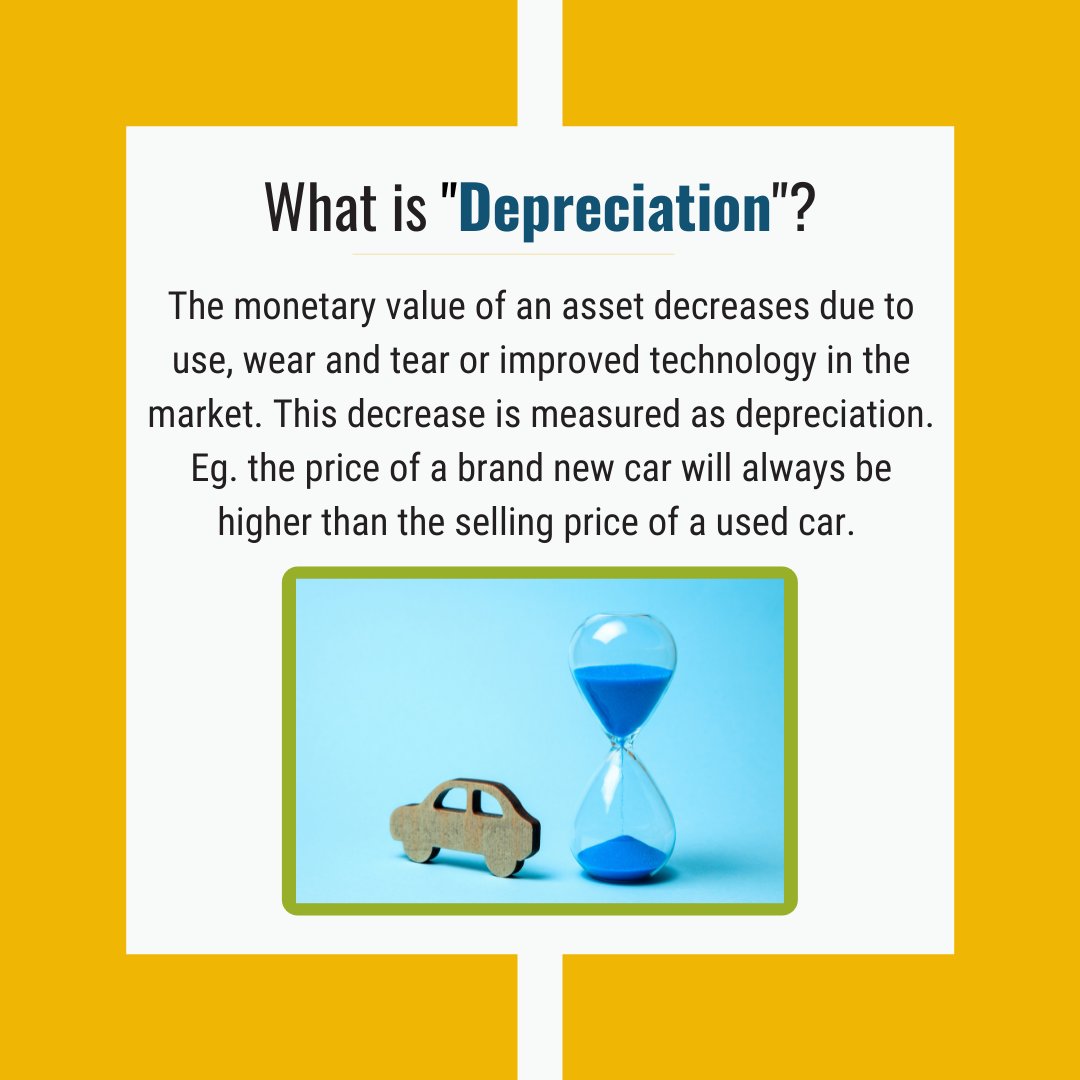
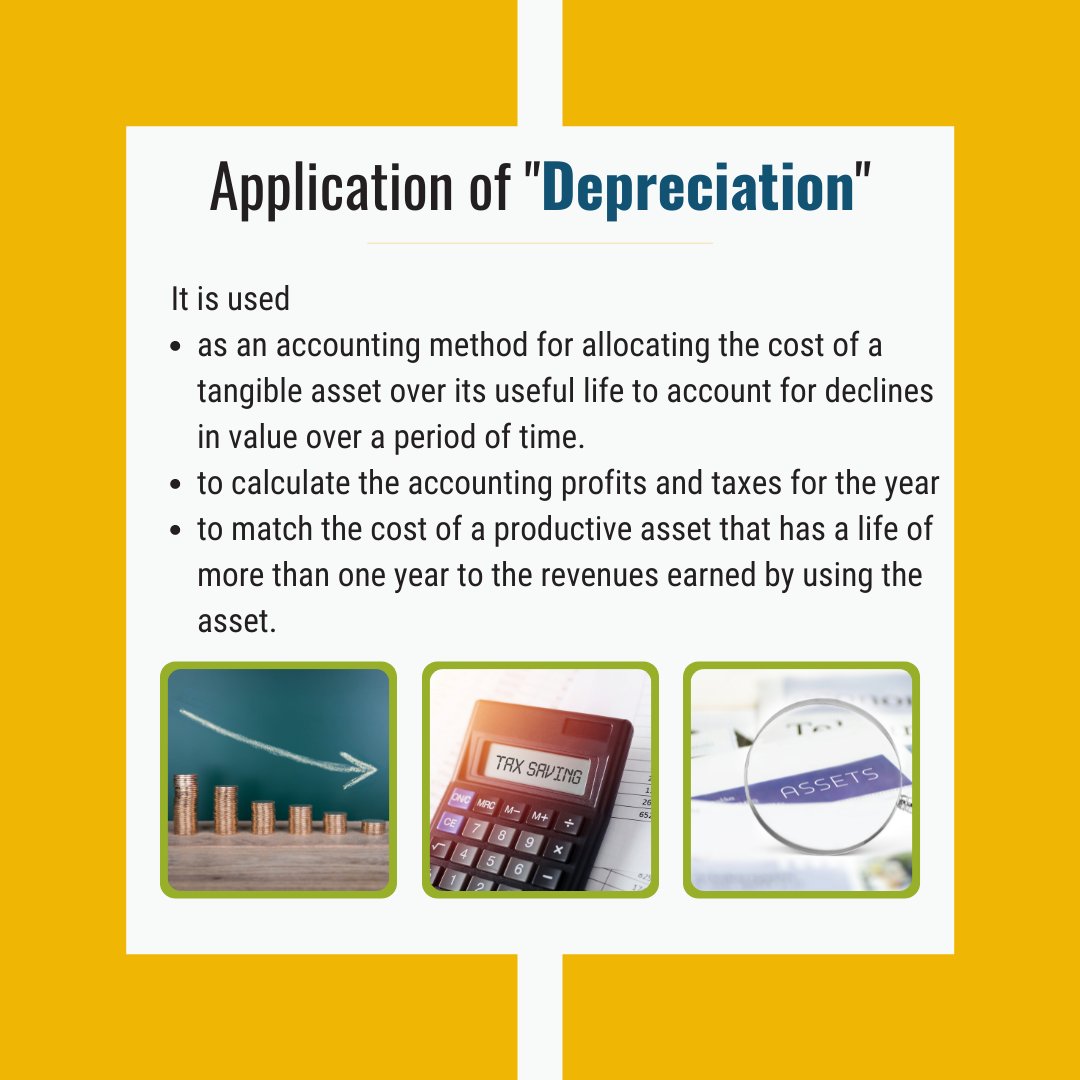
Assets such as machinery and equipment are expensive. Instead of realizing the entire cost of an asset in year one, companies can use depreciation to spread out the cost and match depreciation expenses to related revenues in the same reporting period.
Equity financing refers to the sale of company shares in order to raise capital. Investors who purchase the shares are also purchasing ownership rights to the company. Equity financing can refer to the sale of all equity instruments, such as common stock, preferred shares, etc.
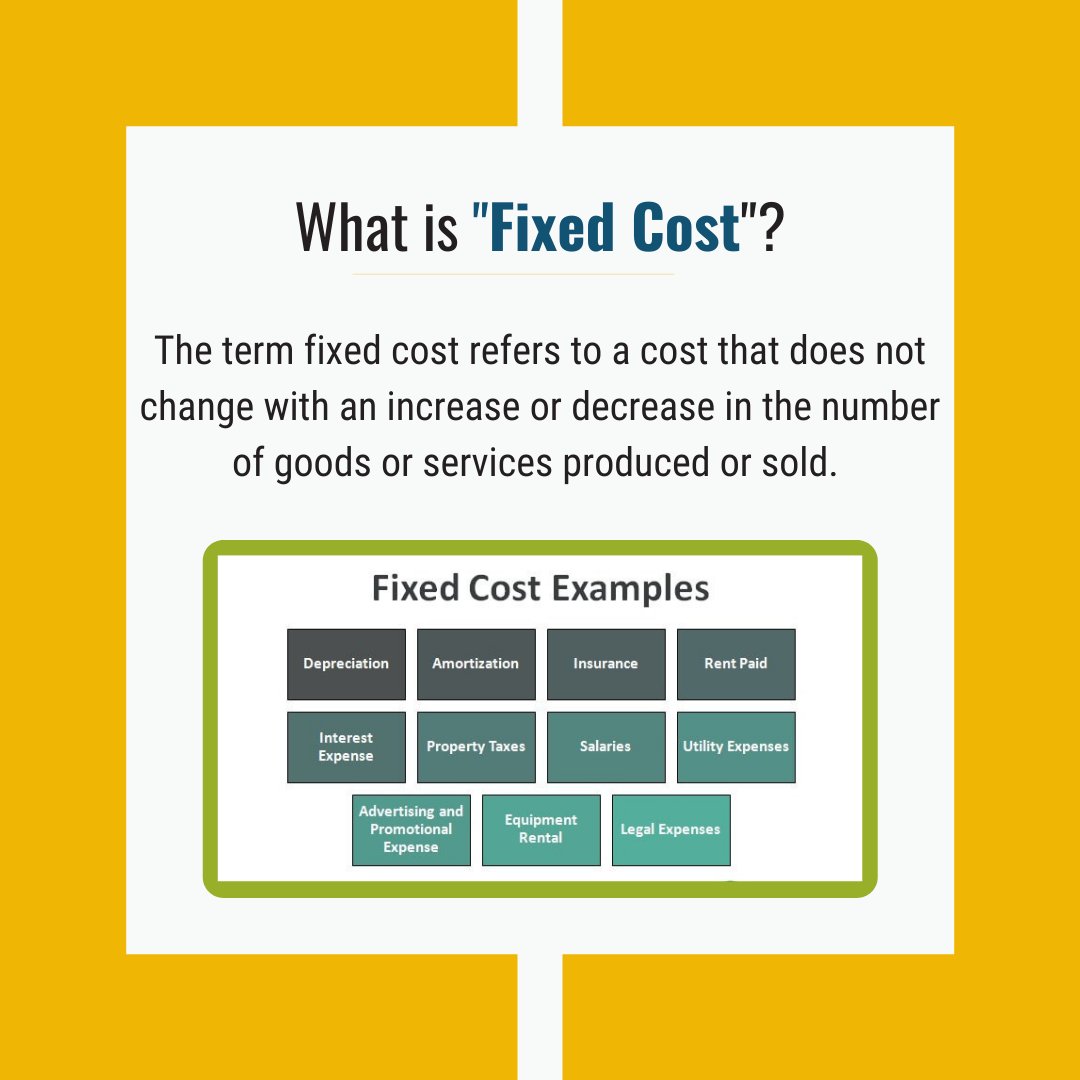
Fixed costs are those that don't change over the course of time. They are usually established by contract agreements or schedules. These are the base costs involved in operating a business comprehensively. Once established, FC do not change over the life of an agreement.
Goodwill is the portion of the purchase price that is higher than the sum of the net fair value of all assets purchased in the acquisition and the liabilities assumed in the process. The value of a company’s brand name, customer base, customer relations, etc consist of goodwill.
Historical cost is what your company paid for an asset when you originally bought it. That cost is verifiable by a receipt or other official record. It's a static snapshot of asset value at the time of purchase and provides no measure of how value may have changed over time.
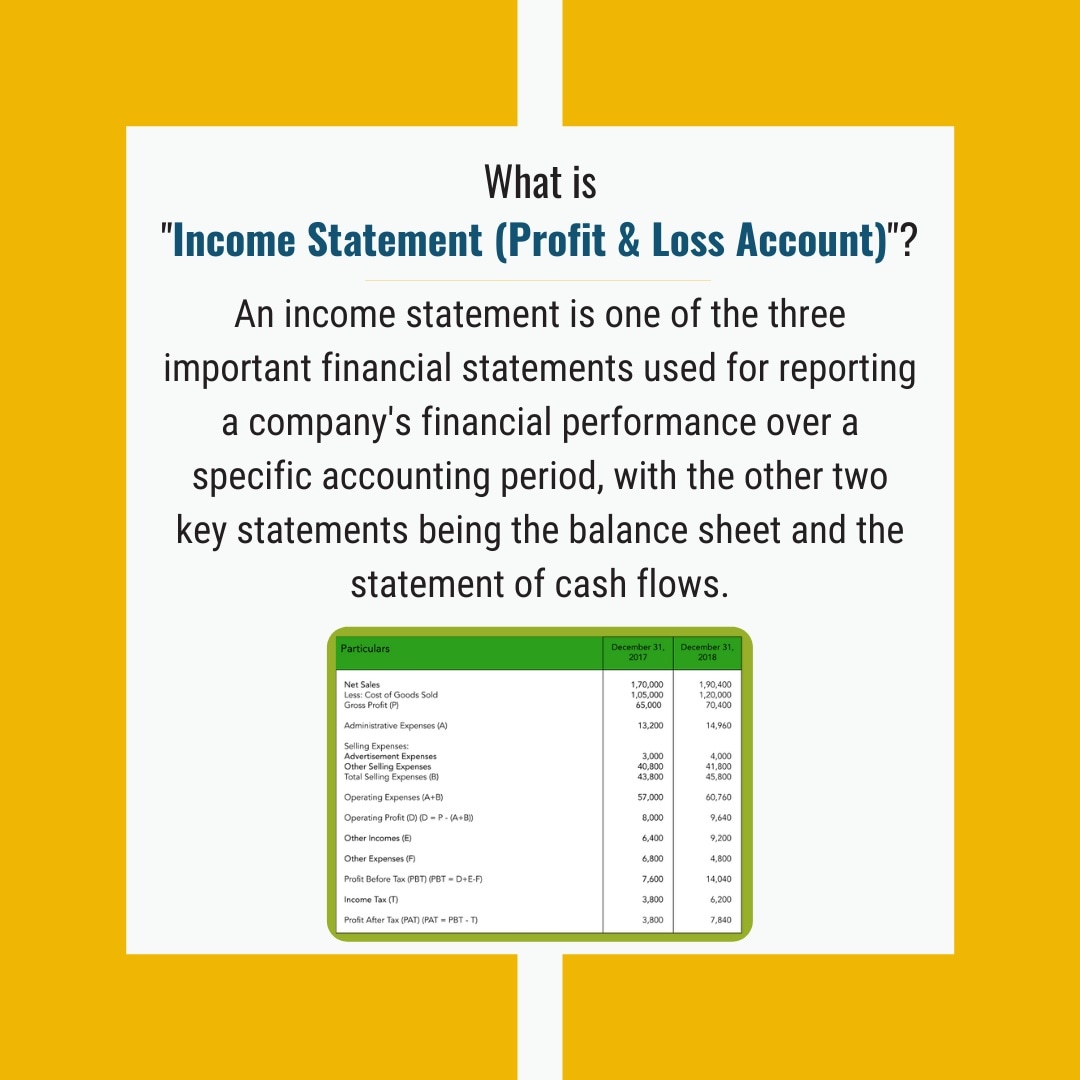
An income statement is a financial report that summarizes the revenues and expenses of a business. This document gauges the financial performance of a business in terms of profits or losses for the accounting period.
.
.
.
.
#accounting#business#finance#incomestatement
A journal entry is a means of recording all of a company's individual financial transactions in its journal. To put it in other words, it is the daily accounting input for each business event noted in the journal.
.
.
.
.
#accounting#business#finance#journal#journalentry
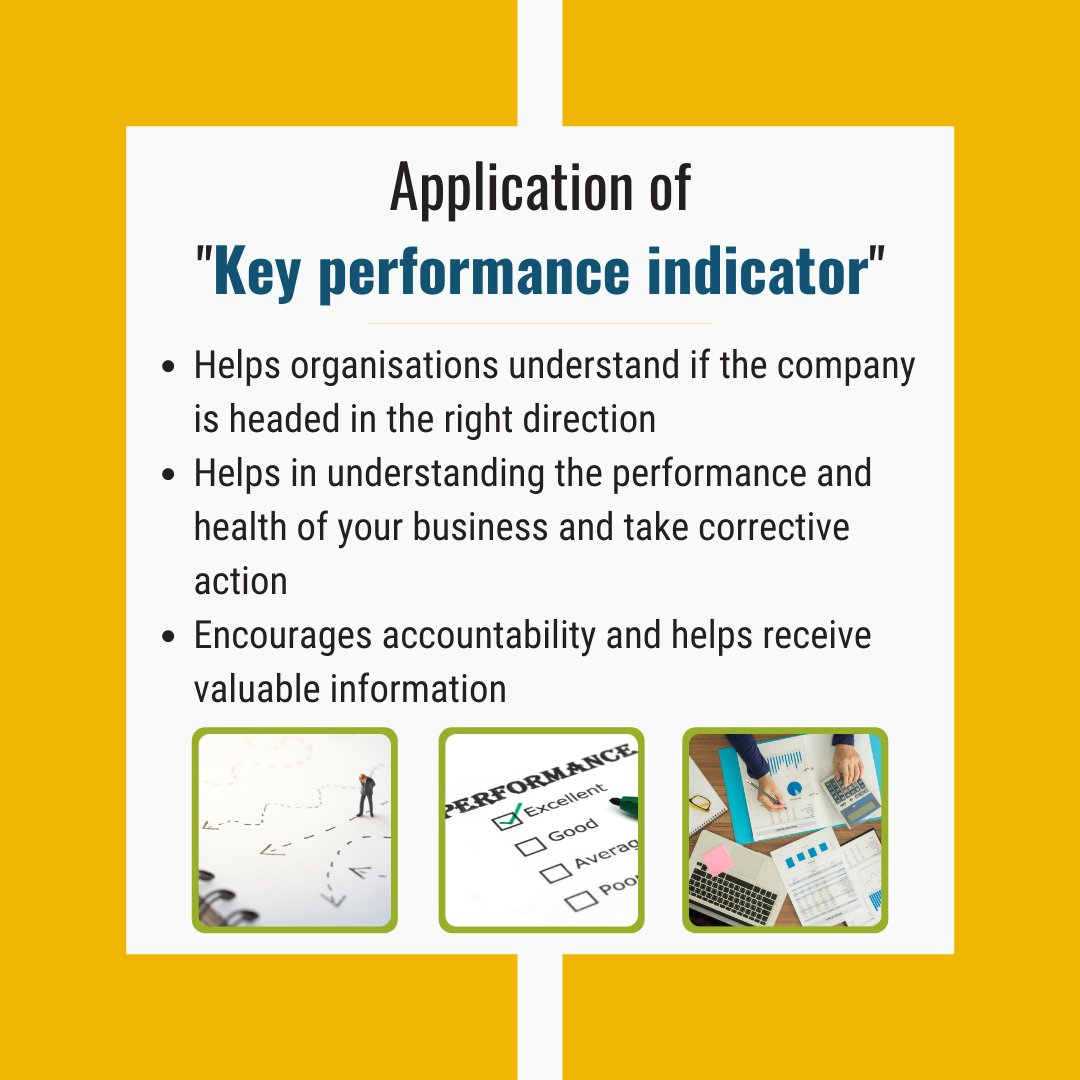
A KPI (key performance indicator) is a metric is used to assess how successfully a company's objectives are being accomplished. Managers can define a variety of key performance indicators (KPIs) for a project to determine how effectively individual personnel are performing.
Capital gains mean the profit earned by an individual on the sale of his investment in assets such as stocks, real estate, bonds, commodities, etc. Basically, it is the 'gain' made on 'capital investment'.
.
.
.
.
.
#accounting#business#finance#accountant#longterm
Mutual Fund is a pool of money collected from investors to invest in share market, bond market etc. Mutual funds give small or individual investors access to professionally managed portfolios of equities and other securities.
#accounting#business#finance#mutualfundsahihai
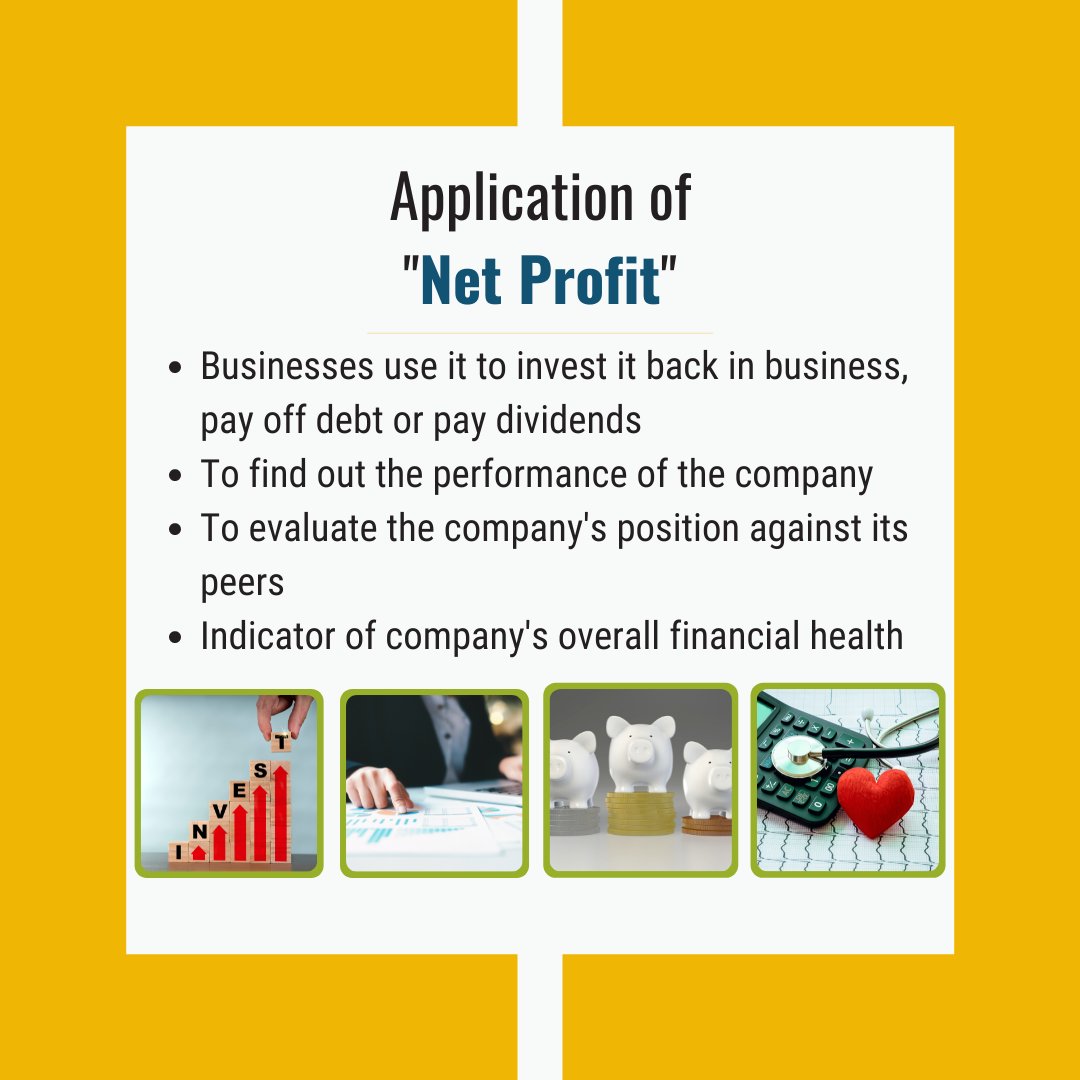
Profit is the portion of a company's income that remains after costs are deducted. However, net profit, which is a single figure that indicates a certain sort of profit, is more specific. The famous bottom line on a company's financial statement is net profit, or net income.
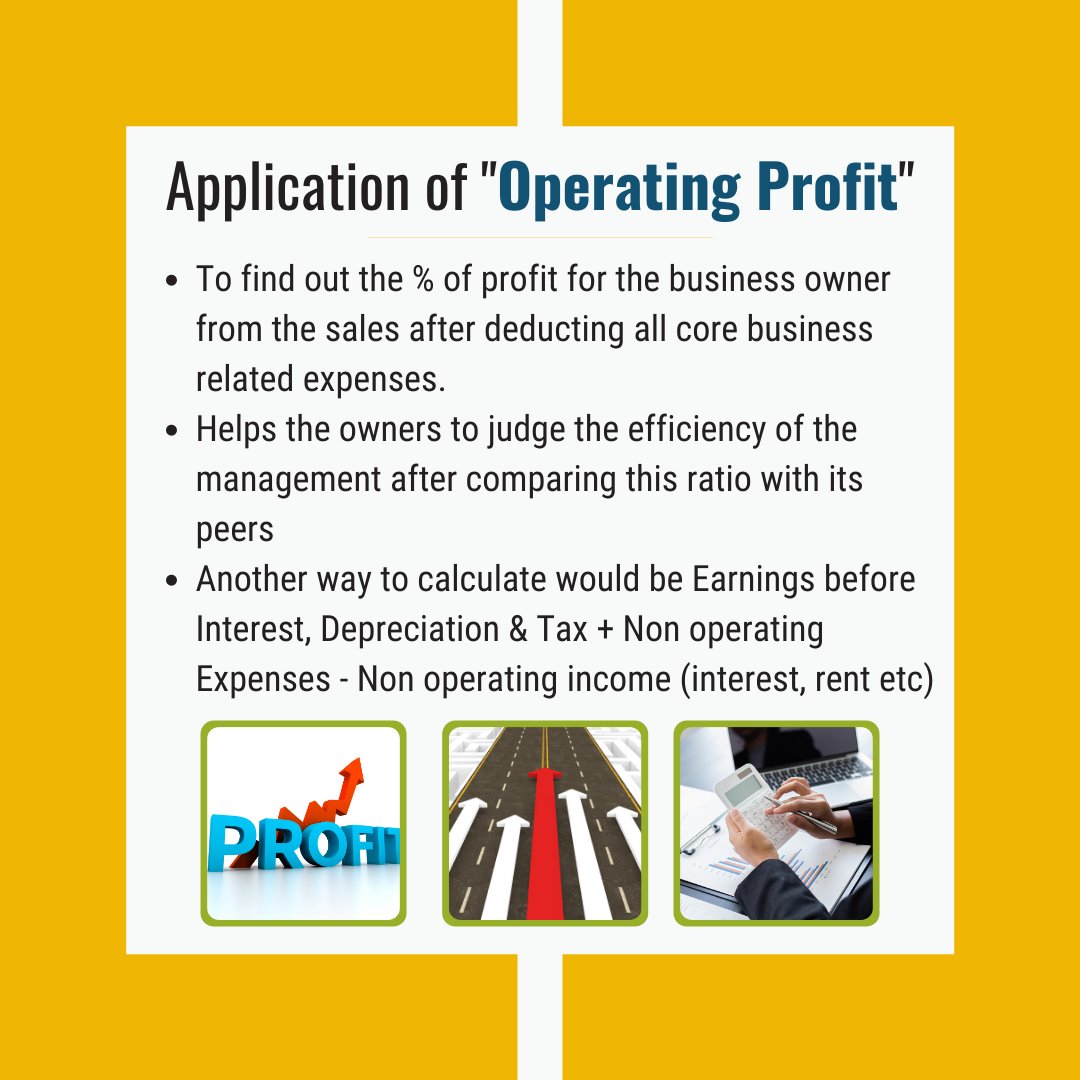
Because it excludes all non-essential components from the equation, operating profit is a very accurate indication of a company's health. Operating profit includes all costs that are required to keep the business functioning,
#accounting#business#finance#accountant
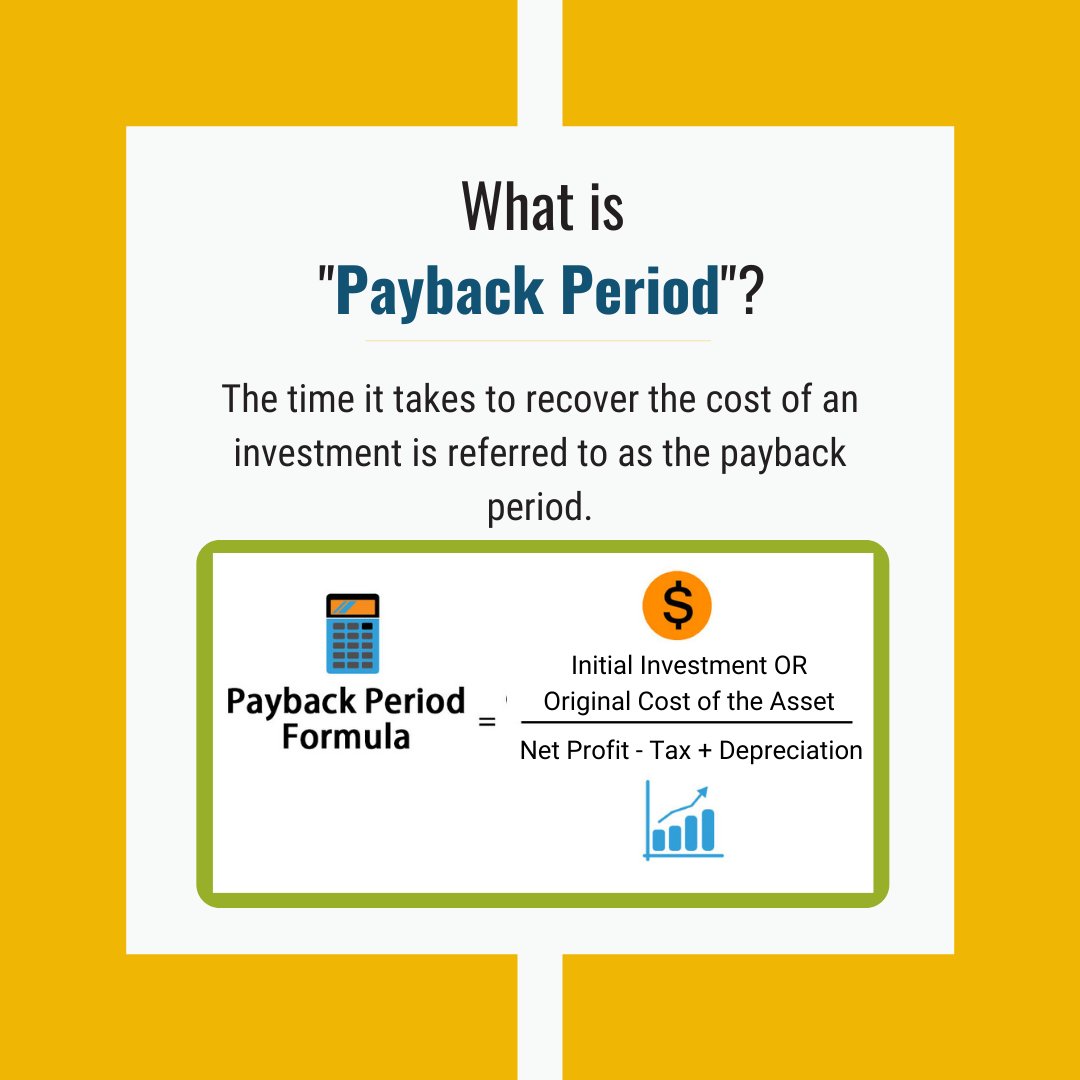
Simply explained, the payback period is the time it takes for an investment to recover the money invested. People and businesses invest money primarily to be repaid, which is why the payback time is so critical.
#accounting#business#finance#accountant#paybackperiod
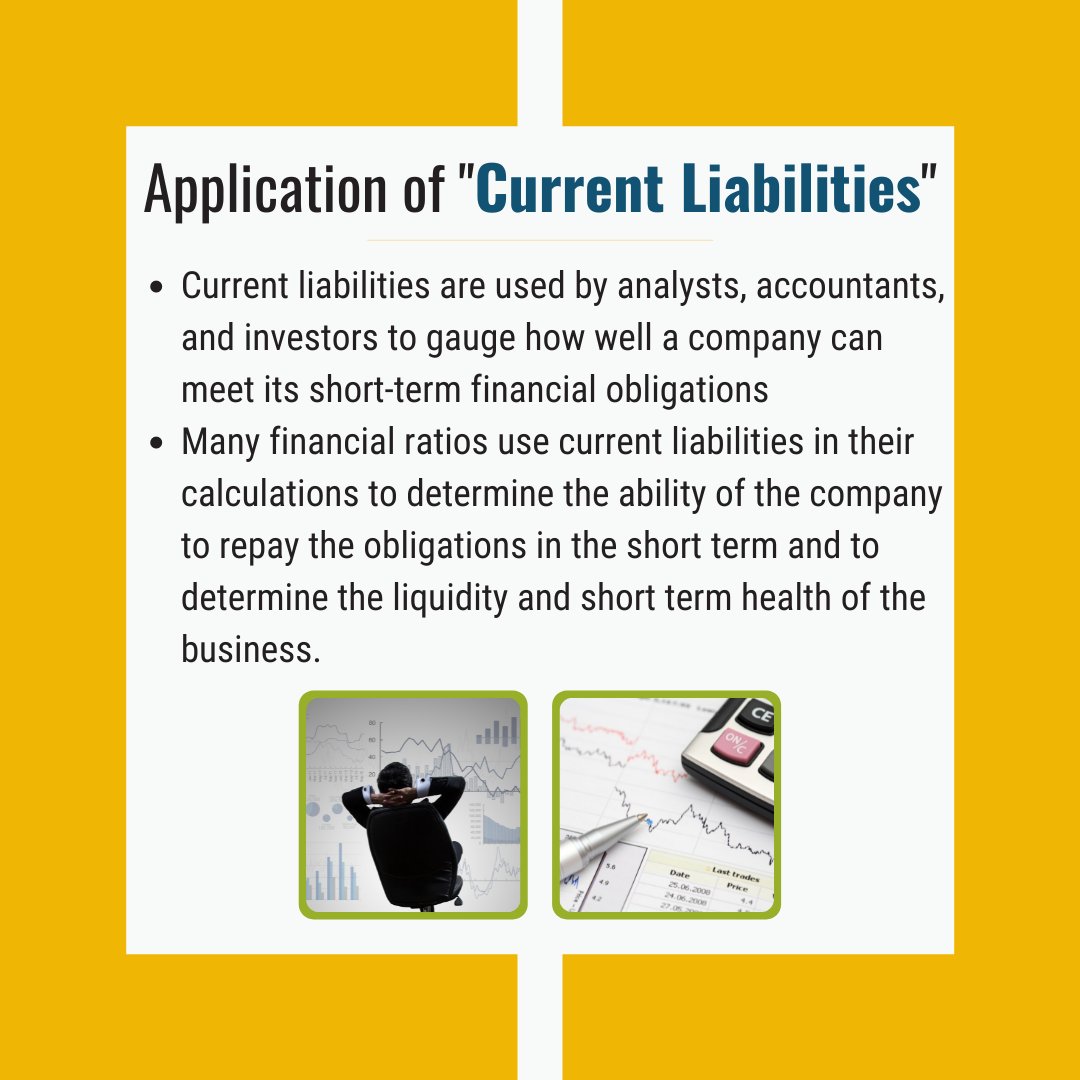
By dividing the total of cash and cash equivalents, short-term investments, and account receivables by the company's current liabilities, the quick ratio is computed. Quick assets are a term for these extremely liquid investments.
#accounting#business#finance#accountant
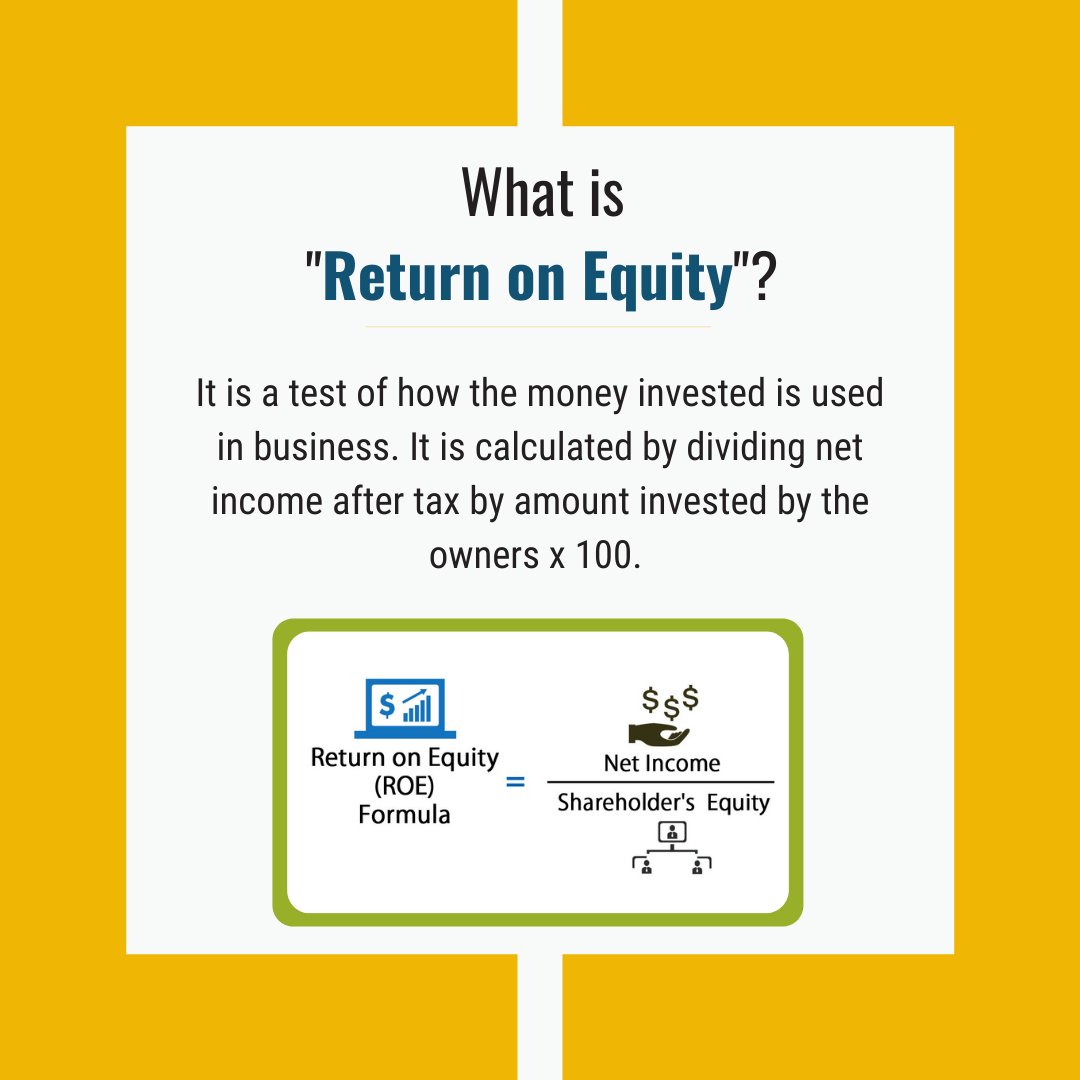
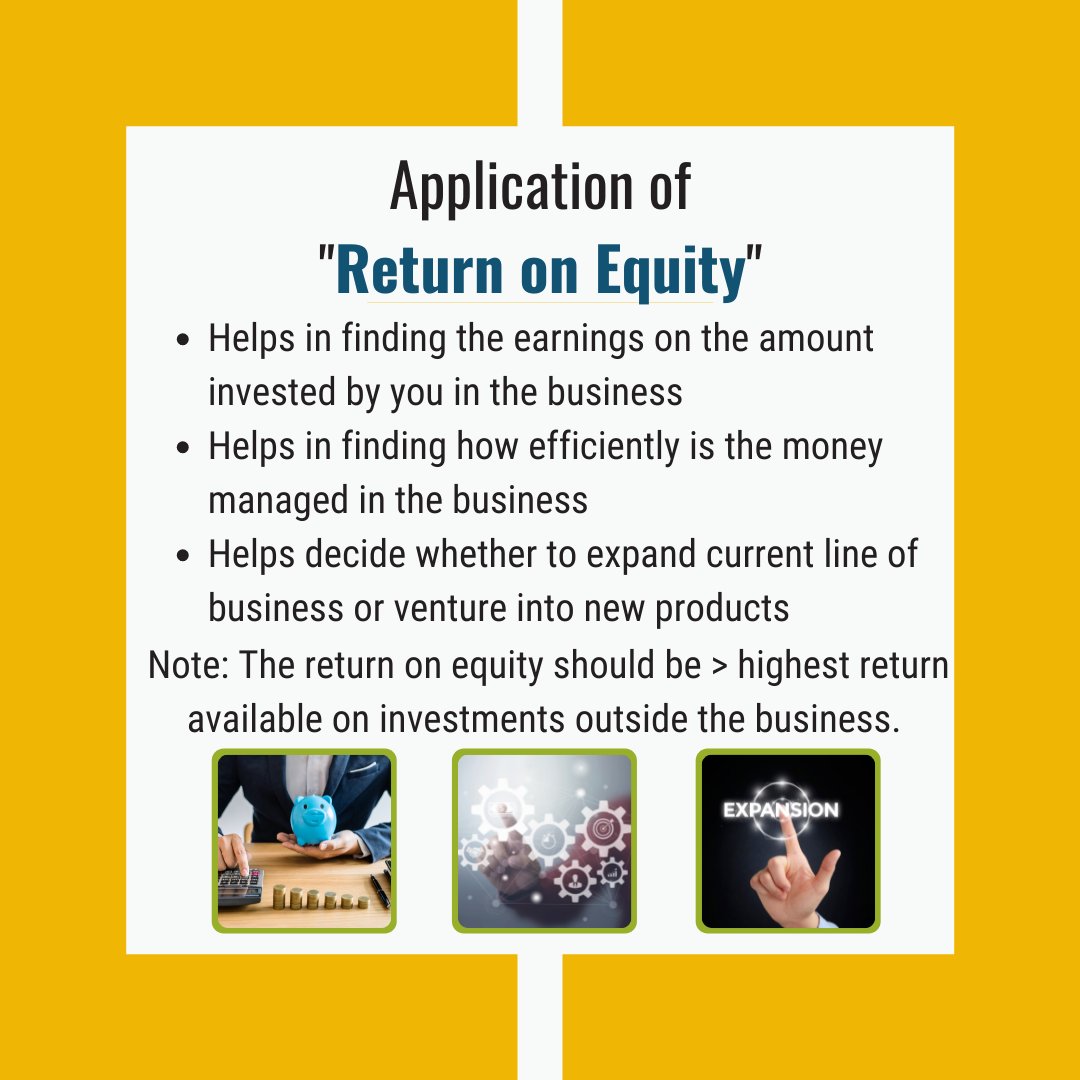
You'll need to compare your company's return on equity to industry standards as well as similar firms in your sector to see if it's acceptable.
Can you name any two companies with ROE greater than 20%?
#accounting#business#finance#accountant#returnonequity#stockmarket
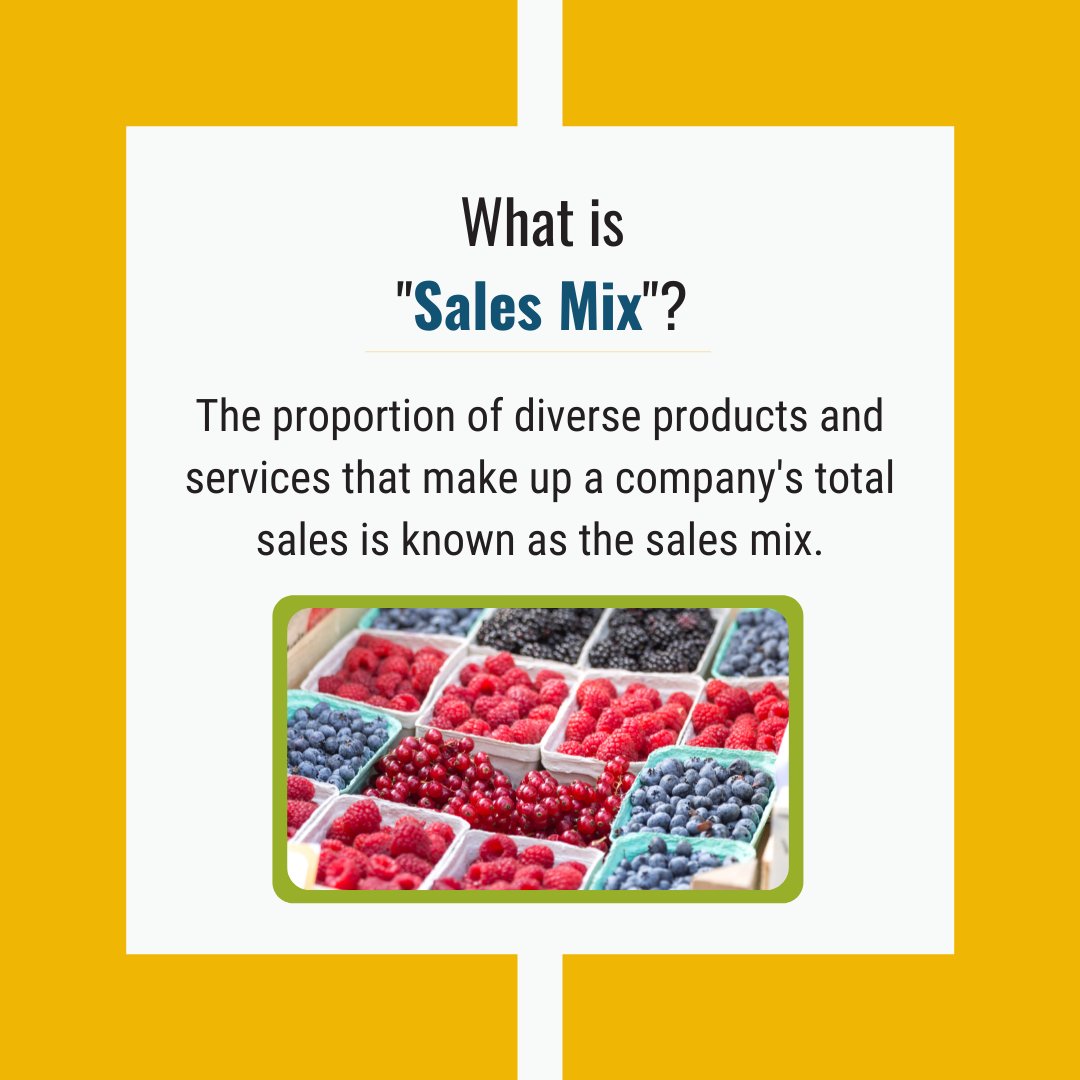
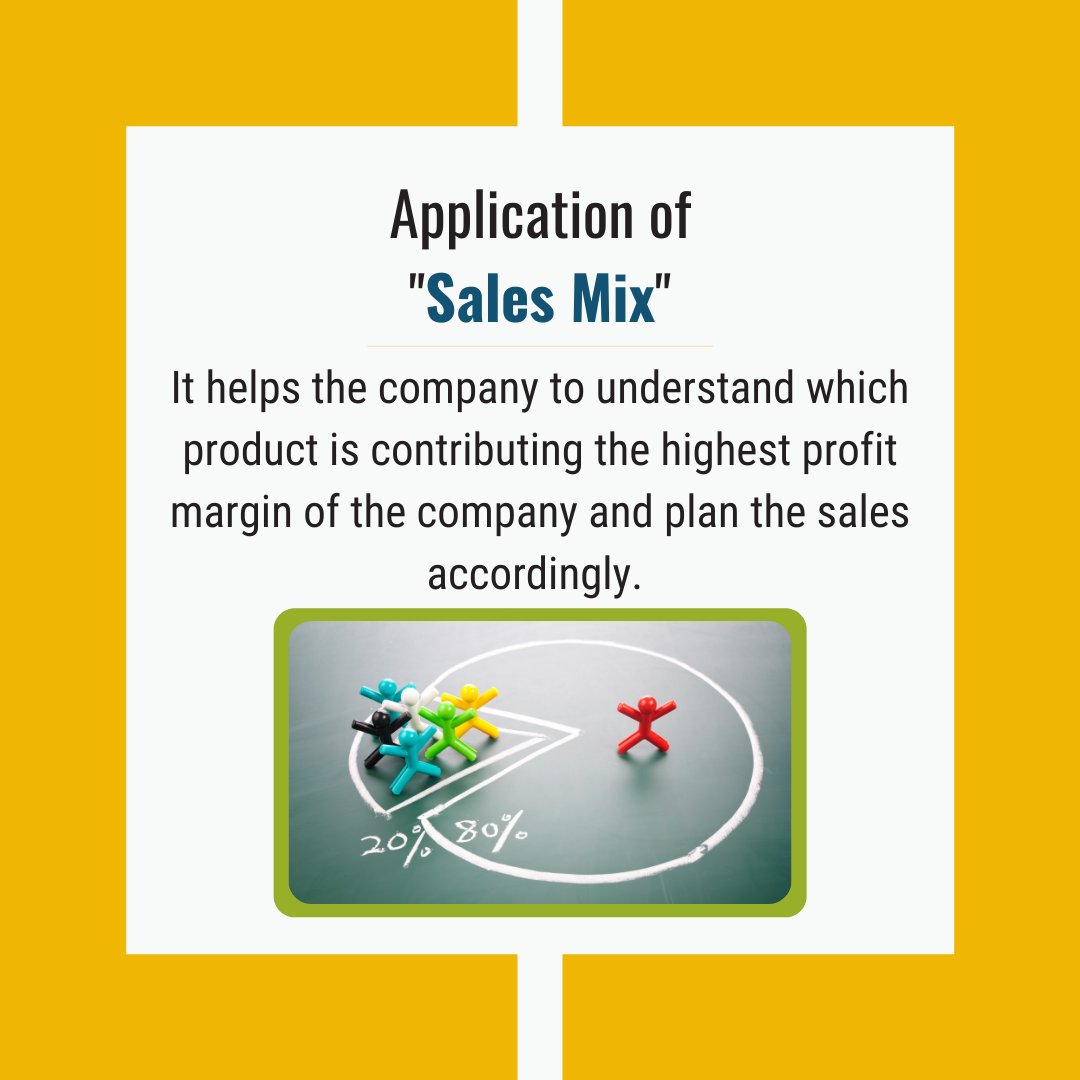
The ratio of your company's various products and services is referred to as the sales mix. It indicates the profit margin generated by each item sold. After all, any product or service your company offers is likely to have its own pricing point and profit margin.