The EU’s CBAM is changing the rules of global trade by putting a price on carbon emissions.
For Indian industry, the challenge is clear: adapt, decarbonise, and stay competitive.
Will CBAM drive greener manufacturing in India?
#CBAM#IndianIndustry#ThinkChangeForum
India has crossed 100 GW of solar capacity, but how dependent is its solar supply chain on China?
As clean energy adoption grows, supply chain resilience and energy security are becoming critical policy questions.
#SolarEnergy#IndiaEnergy#RenewableEnergy#EnergyTransition
India added a record 44.5 GW of renewable energy capacity in 2025.
Yet coal still dominates power generation.
As renewables grow, is India’s biggest energy challenge now generation or integration?
#RenewableEnergy#IndiaEnergy#EnergyTransition#TCF
India’s clean energy transition is driving more than sustainability, it’s creating jobs, attracting investment, and strengthening long-term economic growth.
The green economy is becoming a key pillar of India’s future. 🌱⚡
#ThinkChangeForum#GreenGrowth
India imports 80%+ of its crude oil. One geopolitical disruption = price shocks across the economy.
Energy security isn't optional , it's foundational.
Diversify. Innovate. Transition responsibly.
#EnergySecurity#India#RenewableEnergy
From smarter tax relief to stronger manufacturing competitiveness, experts at Think Change Forum discussed how India can navigate global volatility and drive sustainable growth.
What policy reform is most critical for India's future?
#IndiaEconomy#TradePolicy#GrowthStrategy
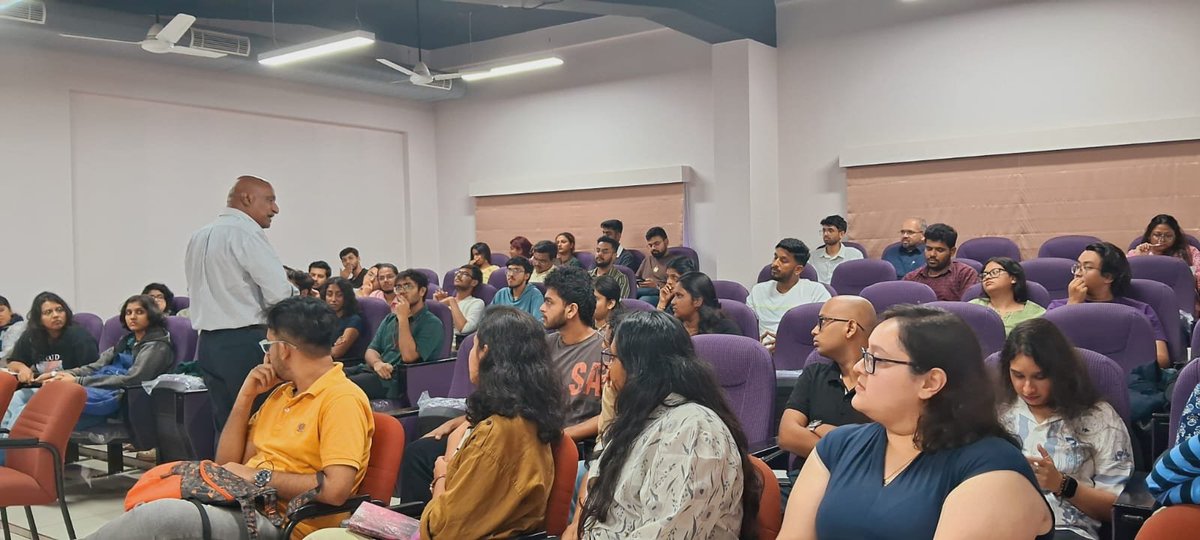
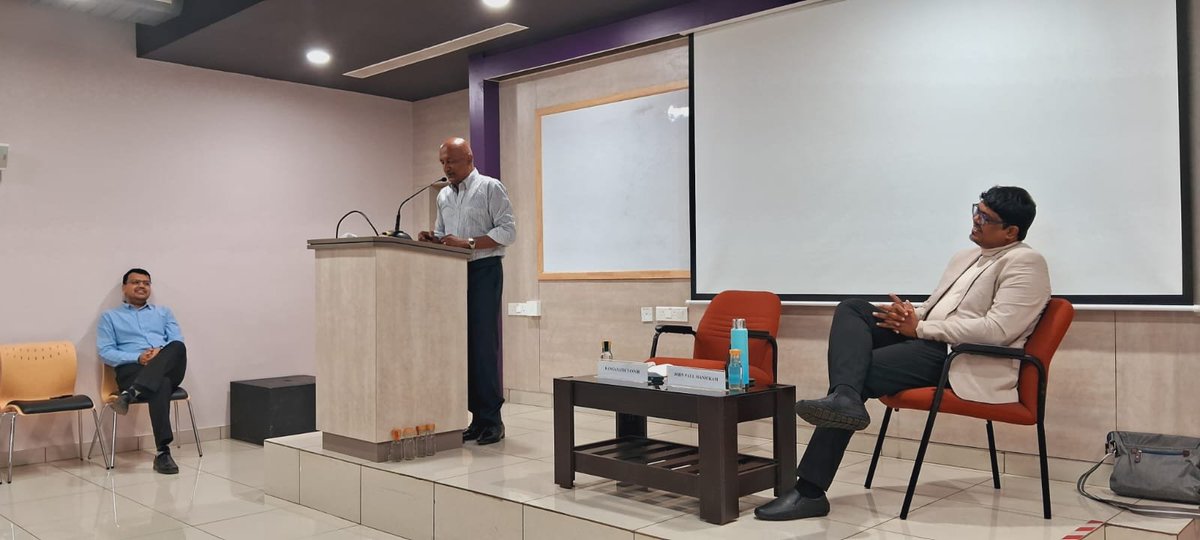
At Think Change Forum's seminar on rising input costs and the West Asia crisis, Mr. Devendra Saksena emphasized that targeted tax incentives can support stressed sectors more effectively than broad subsidies, while reducing fiscal burden.
#ThinkChangeForum#TaxReforms
"Tax incentives are more focused, create less distortion, and involve less litigation than subsidies.”
Insight from Rajat Mohan, Managing Partner, AMRG Global, during Think Change Forum's discussion on rising input costs and smarter policy responses.
#ThinkChangeForum#TaxPolicy
At Think Change Forum’s seminar, “West Asia Crisis, Rising Input Costs and the Case for Smarter Tax Relief, Not Subsidies,” experts discussed the economic impact of rising costs and the need for smarter policy responses.
#ThinkChangeForum#IndiaEconomy#Tax
Experts at the seminar weighed policy responses including tax moderation and import curbs to help ringfence India’s economy from external geopolitical shocks. Read the @ANI coverage:
https://t.co/yB2K3WtL8i
#India#Taxation#IranWar#Economy#WestAsia
Our recent seminar coverage by @Business_Line_ highlighted key discussions around tax reforms, import management, and safeguarding India’s economy during global uncertainty. Read here: https://t.co/DqymNqVsEW
#Taxation#IranWar#WestAsia#India
Our recent seminar was featured by @EconomicTimes . The discussion highlighted why #India needs structural reforms, smarter #tax relief, and stronger domestic competitiveness instead of short-term subsidy responses https://t.co/tubbLU32BG
#WestAsia#EconomicReforms#Policy
In the wake of war in West Asia putting pressure on Indian economy, India needs an urgent economic ringfence amid the West Asia crisis. To discuss this we got eminent experts to deliberate on key issues in a seminar
#WestAsia#India#Economy#IranWar
India issues new regulations for social sustainability, marking a structured step toward integrating ESG into capital markets. A development that could influence how social impact is measured and financed https://t.co/kQBZhmSETM
#ESG#SustainableFinance#Policy
India has rightly expressed its concern on the gaps between the current annual quantum provided under the New Collective Quantified Goal (NCQG) on Climate Finance and the financing need identified by developing countries for climate related efforts - https://t.co/JuJVEZ7VHA
Our Secretary General recently moderated a session on Cyber Security, Business and its Geopolitical Relevance @MAHE_Manipal. Key themes included: Corporate security imperatives, Geopolitical risks in the 21st century, Industry perspectives on emerging threats
#cybersecurity