#WATCH | The first plant commenced operations on 28 February, the second on 31 March, and today, on 4 July, the third plant has begun commercial production. Under the visionary leadership of the Prime Minister @narendramodi, the Union Cabinet approved 12 semiconductor projects. Of these, three facilities have already commenced commercial production, reflecting the rapid pace of implementation. Today, India's semiconductor capabilities have inspired renewed global confidence: Union Minister @AshwiniVaishnaw@PMOIndia@SemiconIndia #PMModiInGujarat
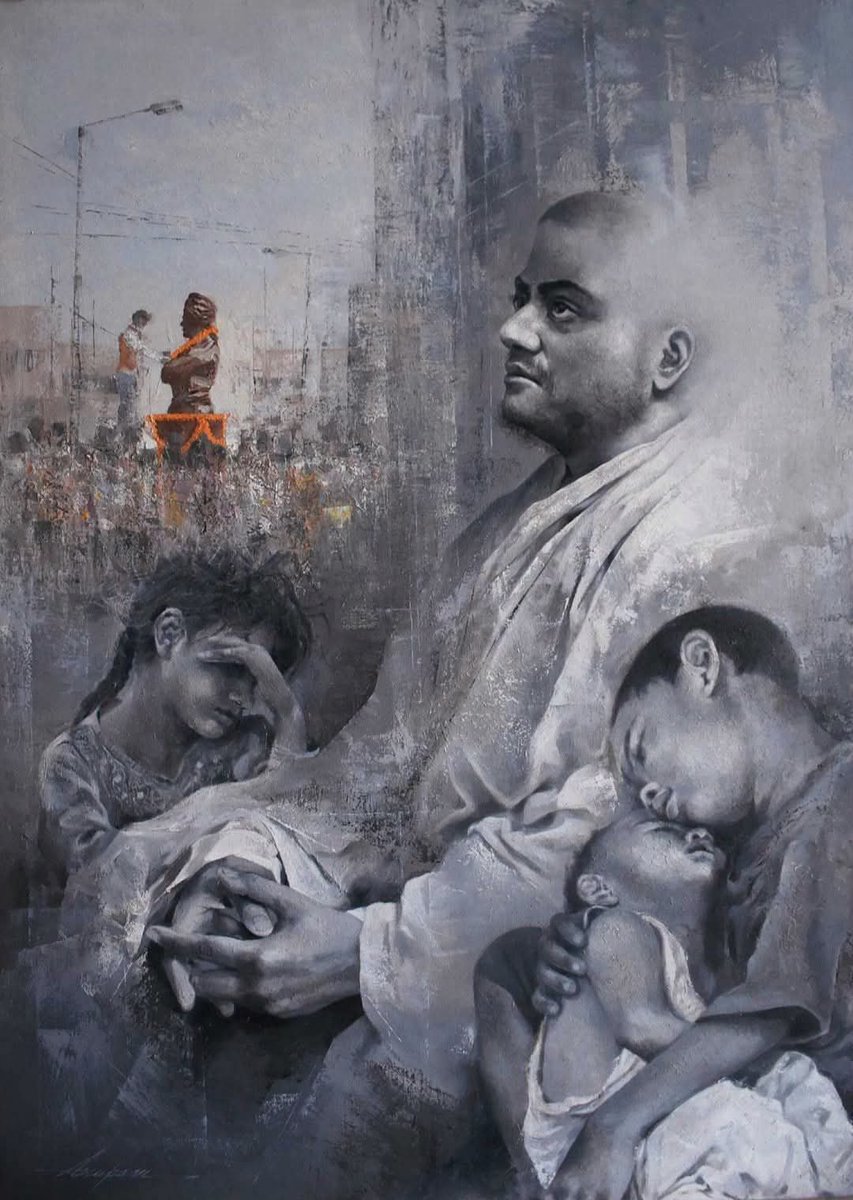
What Were the Final Days of Swami Vivekananda Like?
Swami Vivekananda passed away in 1902 at the age of just 39. It was 9:10 p.m. at Belur Math. At that time, neither Belur Math nor the nearby villages had electricity, although there was a telephone. Yet no news reporters arrived, and remarkably, none of the newspapers published in Bengal carried the news of his death the following day. Nor did any prominent political leader or celebrated Bengali publicly express condolences. It is astonishing to think about. 🔴
Throughout his short life, Swami Vivekananda endured humiliation, neglect, and repeated rejection. After his father's death, he became entangled in legal disputes with relatives over family property and had to appear in court on numerous occasions.
His family lived in extreme poverty. Every morning he would leave home in search of employment, wandering from office to office. Many days, knowing there was no rice, lentils, oil, or salt at home to feed his mother, brothers, and sisters, he would tell his mother, "Don't cook for me today, Mother. I've been invited to a friend's house for dinner." In reality, there was no invitation. He often went hungry so that the rest of the family could eat. It is almost unimaginable. 🍂
He struggled with poverty throughout his life. At the age of 23, he secured a teaching position at the Metropolitan Institution, founded by Ishwar Chandra Vidyasagar. However, the headmaster—Vidyasagar's son-in-law—disliked Narendra Nath Datta and reportedly had him dismissed, alleging that he did not teach well. This happened despite his extraordinary intellect, scholarship, and eloquence.
Once again, he found himself unemployed.
Even abroad, a Bengali religious leader allegedly spread false rumours that Vivekananda had several wives, ten or twelve children, and was nothing more than a fraud and a gambler. 💥
He often endured hunger both in India and overseas. In one of his letters, he wrote:
"Many times I have passed days without food. I felt that perhaps I would die that very day. Then I would rise, crying, 'Victory to Brahman!' and declare: 'I have no fear. I know neither death nor hunger. I am beyond thirst. What power does the world have to destroy me?'"
When the ailing Swami Vivekananda returned to Calcutta after achieving worldwide acclaim, many prominent Bengalis reportedly declined to attend or organise a public reception in his honour. Eventually, Paryichand Mitra agreed but is said to have remarked that since Vivekananda was a Kayastha rather than a Brahmin, he could not truly be a monk and would therefore address him merely as "Brother Vivekananda."
By 1898, Americans were deeply inspired by his speeches and writings, while many in his own homeland remained indifferent.
That same year, the sick Swami consulted the renowned physician Dr. Rasiklal Dutt at his clinic on Sadar Street in Calcutta. The doctor reportedly charged him forty rupees as a consultation fee and another ten rupees for medicines—a considerable sum in those days. The money was paid by Swami Brahmananda from funds collected for Belur Math.
There is no known photograph of Swami Vivekananda after his death. Nor is there an officially preserved death certificate, despite the existence of the Bally–Belur Municipality at the time. Ironically, that same municipality imposed an amusement tax on Belur Math.
Some people even mocked the monastery, dismissing it as a gathering place for idle young men and using insulting nicknames such as "Bichitra Ananda" or "Bibi-ka-Ananda"—
Perhaps that is why, toward the end of his life, he is said to have remarked:
"Only another Vivekananda could truly understand what this Vivekananda has accomplished."
Today, Swami Vivekananda is revered across India and around the world. Yet during his own lifetime, he endured poverty, insults, and neglect. One might even wonder whether, had he witnessed some of today's displays of admiration, he would have dismissed them as empty gestures
Collected n edited
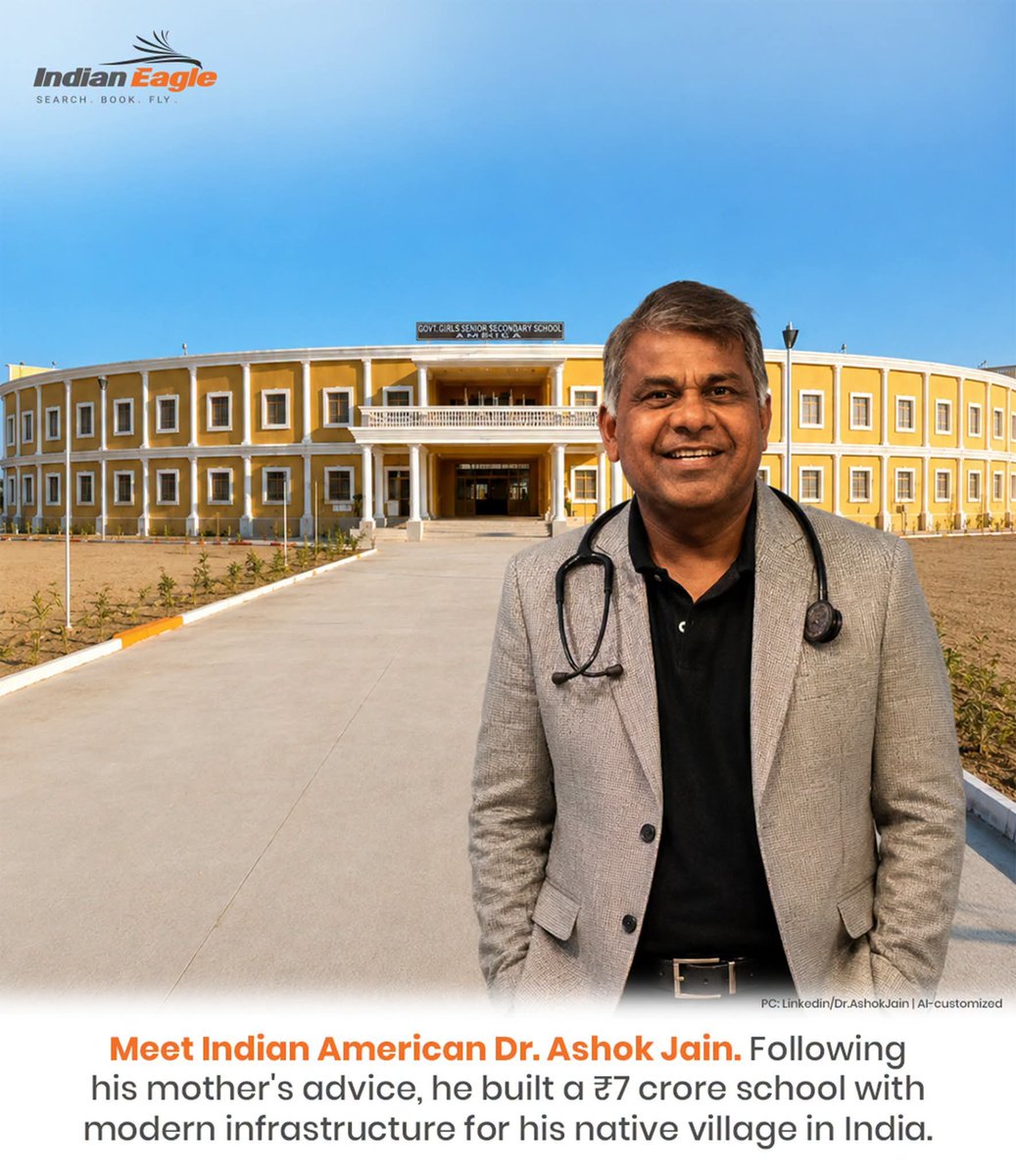
When US-based doctor Ashok Jain visited his childhood school in India in 2020, the principal asked if he could help build a classroom for the students. He happily agreed. But when he shared the idea with his mother, she asked, "What will happen with one room?" Her question inspired Ashok to build an entirely new school for the village instead. Nearly six years later, the ₹7 crore school opened its doors to students in early 2026. Dr. Jain is also honoured with the Bharat Gaurav Award 2026 for his contributions to child healthcare and philanthropy.
Dadal village in Rajasthan is the hometown of doctor and healthcare entrepreneur Ashok Jain. He studied at the village school in the early 1970s, when there were no proper classrooms and children often learned under a tree. His family later shifted to Bengaluru, where Ashok completed the rest of his education. In the mid-1990s, he moved to the US, began his medical career in Chicago in 1998, and later settled in North Carolina. There, he founded KidzCare Pediatrics, which has grown into one of the state's largest pediatric healthcare networks. He also established the 200-bed hospital in Bengaluru.
On 26 January 2020, he was invited as the Republic Day chief guest to his village school. He returned to the school nearly after 40 years, and was saddened to find that many children were still studying in similar conditions. It was during this visit that the school management requested his help. The school project soon became a family dream. Jain's elder brother, Jeetmal Jain, fully supported the idea, and after his mother passed away in 2022, his wife encouraged him to begin construction, reminding him that "education is the greatest charity."
Construction began in 2023, and the whole village came together to make it possible. A local Rajput family even donated three bighas (about 2 acres) of land for the campus expansion. Built in memory of his parents, the new campus, named Shantidevi Chatarmalji Jain Government High School, is designed with architecture inspired by India's Parliament House and can accommodate nearly 1,200 students. It features spacious classrooms, computer labs, a skill development centre, sports courts, a playground, and an open gym.
Story courtesy, @indianeagle!
#IndianAmerican #givingback #EducationMatters #inspiring #RajasthanNews #philanthropy
@Hamzasharif5750@claraemattei Ask Hamas not to hide behind kids. Ensure no human shield of women and children. Don't profit from selling forced tragedy.
But, you people don't really care, do you?
இந்து சமுதாயத்தின் ஒருங்கிணைப்பிற்காக பணி செய்த காரணத்தால் ஜிஹாதி பயங்கரவாதிகளால் படுகொலை செய்யப்பட்ட இந்து முன்னணி பேரியக்கத்தின் மாநில செயலாளர் திரு.வெள்ளையப்பன் ஜி அவர்களின் பலிதான தினத்தில் அவரது தியாகத்தையும், தேசபக்���ியையும் நினைவுகூர்ந்து போற்றி வணங்குகிறேன்.
When Maharaja Chhatrasal was around 80 years old and surrounded by the Mughal forces, with little hope left from other rulers, he turned to the one man he believed could save Bundelkhand Peshwa Bajirao I.
According to a popular tradition, Chhatrasal sent Bajirao the famous couplet:
“The plight of Bundela today is like that of Gajendra caught in the jaws of the crocodile. Bajirao, the fate of Bundelkhand now rests in your hands—protect our honor.”
The message moved Bajirao deeply. It is often said that he immediately rose from his meal. When his wife asked him to finish eating first, Bajirao is believed to have replied:
“If I am late, history will say that a Kshatriya cried out for help while a Brahmin continued eating.”
Without delay, Bajirao marched toward Bundelkhand with extraordinary speed. Tradition holds that he covered a journey of nearly ten days in just 48 hours with a small cavalry force of about 500 horsemen, riding relentlessly to reach Chhatrasal before it was too late.
Bajirao’s swift campaign forced the Mughal commander Muhammad Khan Bangash to retreat and lifted the siege of Bundelkhand. Overwhelmed with gratitude, Chhatrasal is traditionally credited with saying:
“The world has seen only two great Brahmin warriors Parashurama and Bajirao. One humbled arrogant Kshatriyas, the other humbled the Turks.”
Bajirao Peshwa was one of India’s greatest military commanders, remaining undefeated in every major battle he fought. Instead of celebrating fictional cinematic heroes, we should introduce our children to the lives of real warriors like Bajirao, whose courage, leadership, and sense of duty shaped the course of Indian history.
Yasin Malik’s men didn’t stop at raping the 27-year-old Kashmiri Hindu nurse Sarla Bhatt. They then murdered her, engraved the acronym ‘JKLF’ on her body, and mutilated it out of sheer contempt for her Hindu identity. After that, they issued multiple warnings to her family against cremating her remains according to Hindu rituals. The family still went ahead with the cremation, defying the threats. When they went to collect her cremated remains (asthi) later, a mob of around 200 Islamists descended upon the crematorium and stomped over them.
They didn’t stop even at that. They then bombed her family home with a grenade.
Do you really think all 200 of those monsters who showed up at the crematorium were foreign infiltrators, Pakistani terrorists, or JKLF members? These are the questions that make many Kashmiri Muslims very uncomfortable. The moment you raise these issues, especially when they present a narrative portraying their community as victims, they label you an Islamophobe or resort to similar accusations.
I have seen all kinds of Islamists, but the tribe in Kashmir is the craftiest. Many of them pretend to be atheists in private, yet their public behaviour and political leanings tell a completely different story. Very hard to take their words at face value.
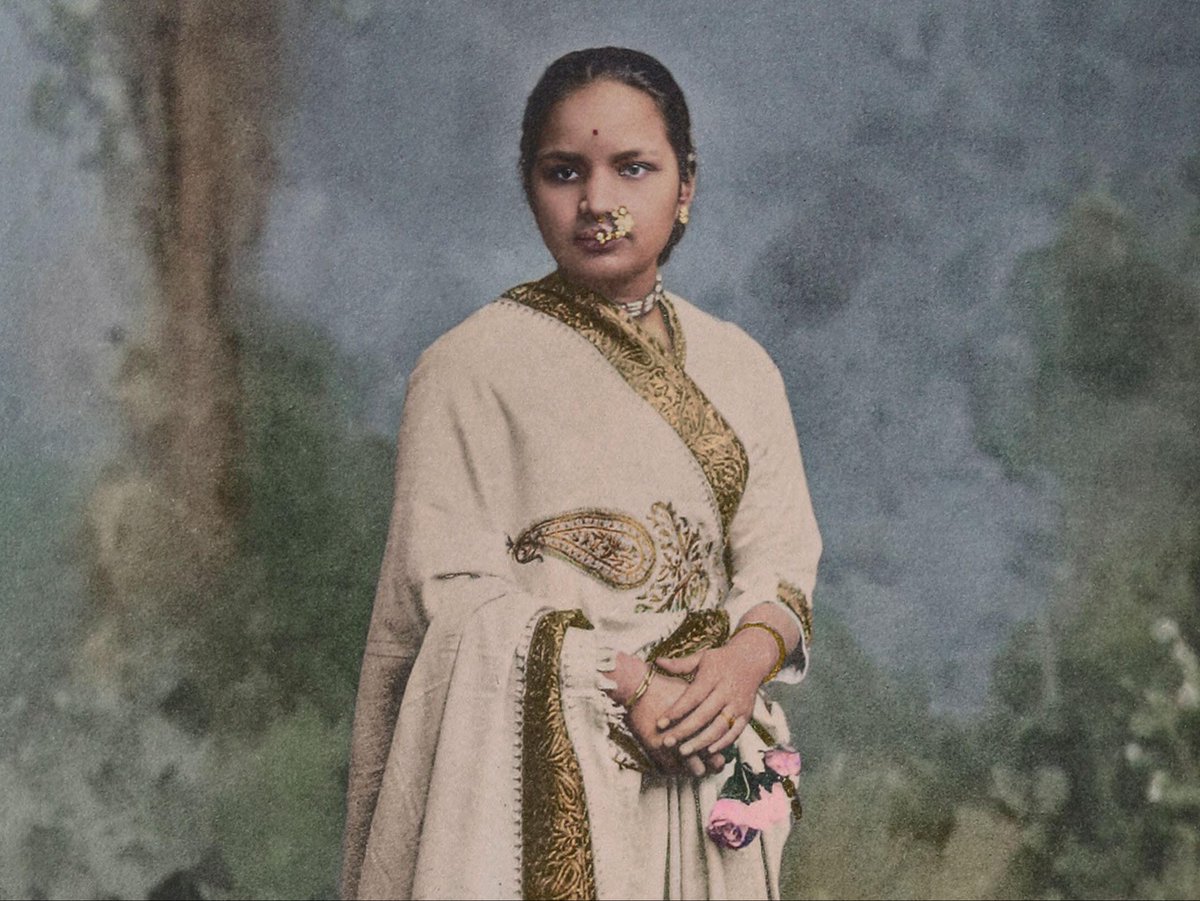
Her name was Anandibai Joshi.
She was born in 1865 near Mumbai and was married at the age of nine to a man much older than her. By the standards of that time, it was considered normal.
At fourteen, she gave birth to a son.
He died just ten days later because there was no doctor and no proper medical care to save him.
That loss changed the course of her life.
She decided she would become the doctor her child never had.
In nineteenth century India, that dream seemed impossible.
Women were not expected to study medicine, and no medical college in India would admit her.
So she did something no Indian woman had done before.
She sailed alone across the world to the Woman’s Medical College of Pennsylvania in the United States.
She was only nineteen.
She refused to give up her saree, her vegetarian diet or her faith, even as the harsh American winter slowly damaged her health.
In 1886, at the age of twenty one, she graduated, becoming the first Indian woman to earn a degree in Western medicine.
Queen Victoria sent her a letter of congratulations.
Back home, she was appointed physician in charge of the women’s ward at the Albert Edward Hospital in Kolhapur.
She had crossed an ocean to return home and care for Indian women.
She never got the chance.
Tuberculosis, which had taken hold during her years abroad, continued to worsen.
In February 1887, just weeks before her twenty second birthday, Anandibai Joshi died.
Her ashes were later taken to the United States by her friend Theodicia Carpenter and buried in Poughkeepsie, New York.
Her name was Anandibai Joshi.
She opened the door for generations of Indian women to become doctors, even though she was given almost no time to walk through it herself.
Follow for stories India deserves to remember.
இந்துக் கோவில்களில் பணிபுரியும் கிறிஸ்தவர்கள்?
இந்து கோவில்களில் உள்ள நடைமுறை பழக்க வழக்கம் தெரியாத��ால்?
தங்களின் ஆண்டவருக்கு செய்த நித்திய தூய்மை பூசையை போல,
கோவில் திருவிளக்குக்கும் செய்த கிறிஸ்தவ பெண்?
#பங்குபோட்ட_பங்குத்_தந்தையர்#சமூகநீதி_சமத்துவம்#பாவ_மன்னிப்பு
திருமணத்திற்கு முன்பு தனக்கு ஒரு பாதருடன் இருந்த தொடர்புக்கு திருமணம் ஆகி இரண்டு குழந்தைகள் பெற்ற பின்பு பாவ மன்னிப்பு கேட்டு
மற்றொரு பாதரிடம் வந்த பெண்ணை முழு கதையும் கேட்டு கொண்டு எனக்கு ஒத்துழைக்கவில்லை என்றால் இதையெல்லாம் அப்படியே உன் கணவரிடம் சொல்லி விடுவேன் என சோலிய முடித்த பாதிரி
தன் சக பாதிரிகள் 6 பேருக்கும் படுக்கையை பங்கிட்டு கொடுத்தார் இந்த 8 பாதிரிகளின் நண்பர் 9வது பாதர் ஒருவர் டில்லியில் இருந்து அவசரமா கேரளா வந்து
லாட்ஜில் தங்கி அப்பெ���்ணை வரச்சொல்ல வேறு வழியின்று அங்கு சென்ற அந்த பெண்ணிடம் எல்லாவற்றையும் முடித்து விட்டு அந்த பெண்ணோட #டெபிட்_கார���டை வைத்தே லாட்ஜ் வாடகை செலுத்த
பணம் எடுத்த மெஜேஜ் அந்த பெண்ணோட கணவன் மொபைலுக்கு குறுஞ்செய்தி யாக போக
புருஷன் அந்த பெண்ணை போட்டு வெளுத்து விரட்டி விட இப்போ அப்பெண் நடு தெருவில்
பாவமன்னிப்பு கேட்காமலேயே இருந்திருக்கலாம்...!
Mohd Salim trapped a married Hindu woman from Tamil Nadu, and had her elope along with her 9-year-old son
Within that week, Salim, along with his accomplice Jaleel, took the child to a mosque in Kerala’s Malappuram and got him circumcised for conversion - without the child’s biological father knowing anything about it
When will such Jihadi crimes on children be treated with the seriousness they deserve?
Last night VIJYANT THAPAR my son fought dutifully for the country's honour but he was not destined to see the beautiful Sunrise on the 29 jun 99 & thereafter. However his legacy has continued to inspire the soldiers and the youth of the country. Love you son. Mother
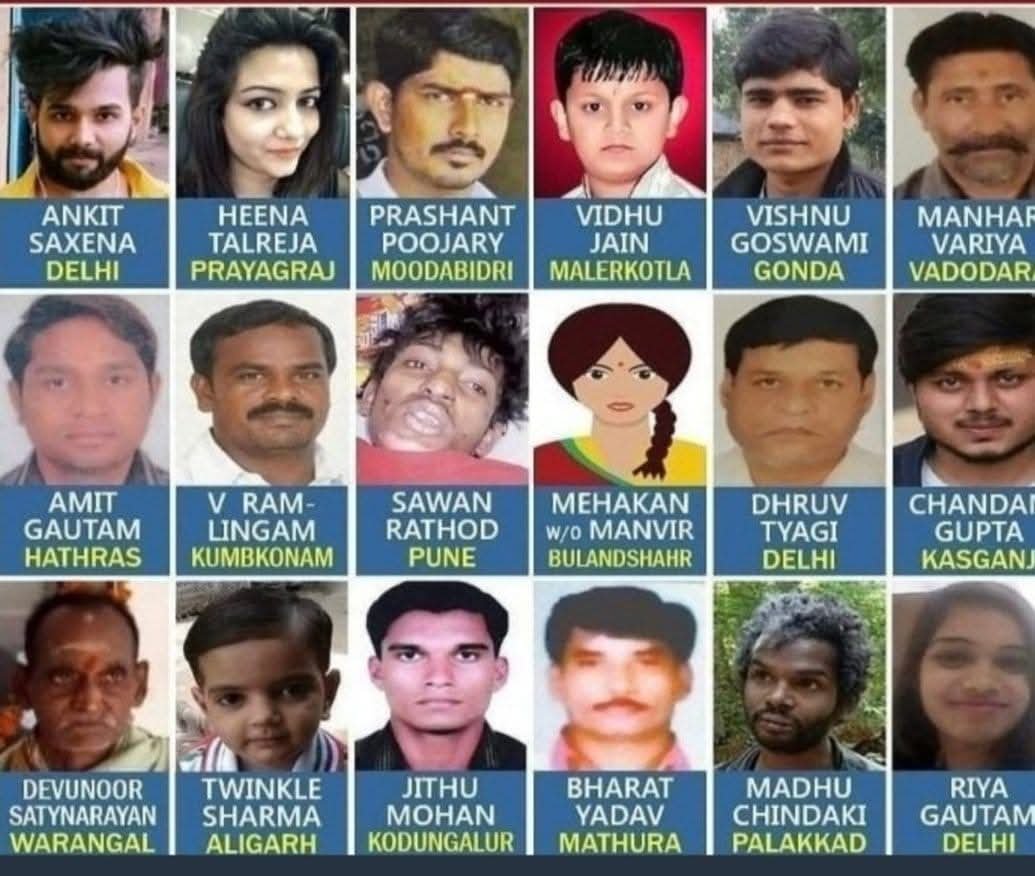
No Religion killed Kamlesh Tiwari
No Religion killed Rinku Sharma
No Religion killed Rupesh Pandey
No Religion killed Kishan Bharwad
No Religion killed Godhra Train Victims
No Religion killed Ratan Lal
No Religion killed Ankit Sharma
No Religion killed Vikas & Bharat Yadav
No Religion killed Vishnu Goswami
No Religion killed Dhruv Tyagi
No Religion killed Ramalingam
No Religion killed Subodh Singh
No Religion killed Ankit Saxena
No Religion killed Amit Gautam
No Religion killed Pankaj Narang
No Religion killed Prashant Poojari
No Religion killed Nikita Tomar
No Religion killed Kanhaiya Lal
No Religion killed millions for hundreds of years in Bharat and worldover.
No Religion killed them 👇🏽
Tomorrow when they come for you and your family they will continue to say No Religion Killed _______
Why?
Terrorism Has No Religion and Hindus Lives Doesn't Matter.
Only way to stop this is Make Hindu Lives Matter by defending Dharma...
His name was Ramaswamy Parameswaran.
He was a Major in the Mahar Regiment of the Indian Army. His men called him Parry. For years he led counter insurgency operations in the northeast and earned a reputation for staying calm under fire.
In 1987, he was sent to Sri Lanka as part of the Indian Peace Keeping Force, into one of the hardest campaigns Indian soldiers had ever fought outside the country.
On the night of November 25, his column was returning from a search operation when it walked straight into an ambush. Militants opened fire from close range in the darkness.
Instead of pulling back, Parameswaran outflanked the attackers and charged at them from the rear.
In the hand to hand fighting that followed, a militant shot him in the chest.
Even then, he did not stop.
Gravely wounded, he wrested the rifle from the militant, shot him with his own weapon, and continued leading his men, giving orders until the ambush had been broken and the attackers driven away.
He died that night.
For his extraordinary courage, he was awarded the Param Vir Chakra, India’s highest gallantry award. He remains the only soldier of the Sri Lanka campaign to receive it.
For years, the war in which he died remained politically uncomfortable, and many felt his sacrifice never received the public recognition it deserved.
Decades later, his own course mates pooled their money to build a statue in his honour, determined that the man they had served with would never be forgotten.
Follow for stories India deserves to remember.
🚨 Reports from Narayanganj, Bangladesh: attacks on Hindu communities and threats of sexual violence against Hindu women are deeply alarming.
The world cannot stay silent on minority persecution.
#SaveBangladeshiHindus
#InfiniteIndia | Long before Oxford, Harvard, or MIT, Ancient India was home to some of the world's greatest centres of learning, including Takshashila, Nalanda, Vikramashila, Vallabhi, Pushpagiri, Sharada Peeth, Kashi, and Kanchipuram.
Established over 2,600 years ago, Takshashila is regarded as one of the world's earliest universities. It nurtured legendary scholars like Chanakya, Charaka, Jivaka, and Panini, whose contributions to economics, medicine, surgery, linguistics, and Sanskrit continue to shape knowledge across generations.
Watch the full program: https://t.co/oQxvZ3sOAm
@authoramish #AncientIndia #Takshashila #IndianKnowledgeSystem #Education #InfiniteIndiaOnDD
#InfiniteIndia | Ancient India was a global pioneer in metallurgy. Texts like the Arthashastra and Brihat Samhita describe advanced techniques for metal extraction, refining, and purity testing, showcasing remarkable scientific knowledge.
South India's legendary Wootz Steel was exported across Persia and Arabia and became the foundation of the famed Damascus swords, celebrated for their unmatched strength, sharpness, and craftsmanship.
Watch the full program: https://t.co/oQxvZ3sOAm
@authoramish #AncientIndia #Metallurgy #WootzSteel #IndianKnowledgeSystem #InfiniteIndiaOnDD