YEEZY ARCHIVE SALE RETURNS
FINAL UNITS PT. 1
+90% OFF ON SELECT ITEMS
16 APRIL 2026
10 AM PDT / 1 PM EDT / 7 PM CEST
EARLY ACCESS 9 AM PDT / NOON EDT / 6 PM CEST
JOIN THE WAITLIST NOW ON https://t.co/ouzu9W50Uh
FIRST COME FIRST SERVED
Texas A&M… I know they’re in the SEC, but I don’t look at them as an SEC team. They’re like a late bloomer… so I absolutely look at them as frauds.” 😳
@mathieu_era sounds off on Texas A&M after their loss to Miami
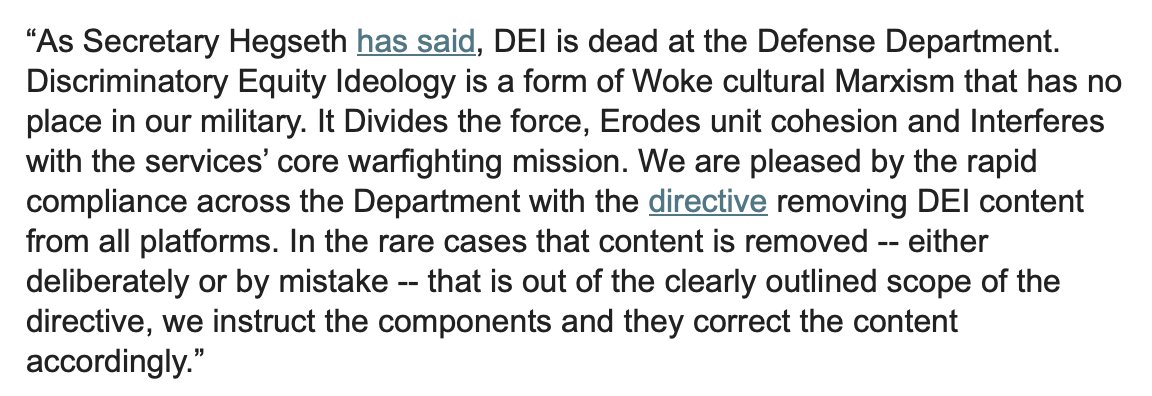
When asked about the reason for the removal of the story on the @DeptofDefense website on Jackie Robinson's military service, Pentagon press secretary John Ullyot said the following in a statement to ESPN.
(The story remains deleted.)
2025 was always going to be a step back for the Yankees, and that’s okay.
The Yankees made a bargain when they acquired Juan Soto. It was a bargain worth making, and one that we shouldn’t view with an ounce of regret.
But it was still a bargain. If we were able to accept it then, we have to accept it now. 2025 was sacrificed in 3 key ways:
1. The loss of King, Thorpe, and pitching depth.
We can consider how those pitchers might have performed for the Yankees in 2025. But there were also butterfly effects at the transaction level. For instance—without these losses, do the Yankees acquire Marcus Stroman? Do they feel the need to go big for Max Fried the following year? Could they have been the team to flip Thorpe for Dylan Cease? Would they have had the material to outbid Chicago for Kyle Tucker?
Those questions are just a few examples, but it goes without saying that such a loss of collateral has a major impact on internal options, trade leverage, and payroll flexibility in the following season(s).
I will reiterate that it was worth the sacrifice.
2. The imperative to go “all-in.”
It was a given that Juan Soto could be a one-year affair—and a unique opportunity to contend for a title. That meant the broader roster construction had to be oriented around 2024, and nothing else. Already set to lose their first baseman, second baseman, and closer at the end of the year, NYY couldn’t prioritize the future of those positions—they had to fill the 2024 roster. They did so by importing more short-term deals (Verdugo, Stroman); while I didn’t support those specific moves at the time, I definitely supported the “all-in” mindset.
As a result, 2025 was always going to be left with a host of key vacancies—more than the Yankees could “afford” to cover.
They were fortunate to land Jazz Chisholm Jr. at the deadline, who both aided 2024 and provided a cheap replacement for Torres. This was a gem of an acquisition—one of Cashman’s best in recent years.
3. 2024 budget limits.
Through their acquisitions, the Yankees pushed their 2024 preseason payroll to around $310M. I’m not going to litigate what they should spend versus what they think they can spend. I just know where their limits tend to be, and this was way beyond anywhere we’ve seen them go before. With Soto ($30M) in hand, they weren’t going to the top of the market for players like Matt Chapman, Teoscar Hernández, Aaron Nola, or Blake Snell to fill remaining holes. While I criticized some of the spending choices they did make (e.g. Stroman, which I saw as bad bang for the buck), I was happy to accept those constraints in exchange for Soto. Again, though, it was a compromise for 2025: playing at the top of the market might have filled holes with top-tier talent or, in the case of opt-outs (e.g. Snell), freed up payroll.
A pennant run manifest:
The bargain nearly paid off, as the Yankees won their first pennant in 15 years and were perhaps a few blunders shy of finishing the job. A weak American League helped, but it wasn’t the only factor. From the moment Juan Soto single-handedly swept the Astros in the opening series, it was clear he was the “it-factor,” the one key piece the Yankees have been desperately searching for since 2017. I don’t think they would have won the 2024 pennant without him (even if they had brought in alternate stars), and I suspect that in his absence, they won’t win another for years. I recognize this is subjective, but I feel strongly that it is true.
The fallout on 2025:
Even if the Yankees had managed to retain Soto, 2025 would have been a step back. Within their budget, they had about $70M in CBT dollars to spend, and Soto would have commanded $50M. Without Soto, they spread $70M across four major acquisitions, leaving one vacancy (3B). With Soto, that $70M might have gone to two or three players (including Soto), leaving two or three vacancies. I believe the Yankees still would have been better off with him, but there would’ve been a speed bump either way.
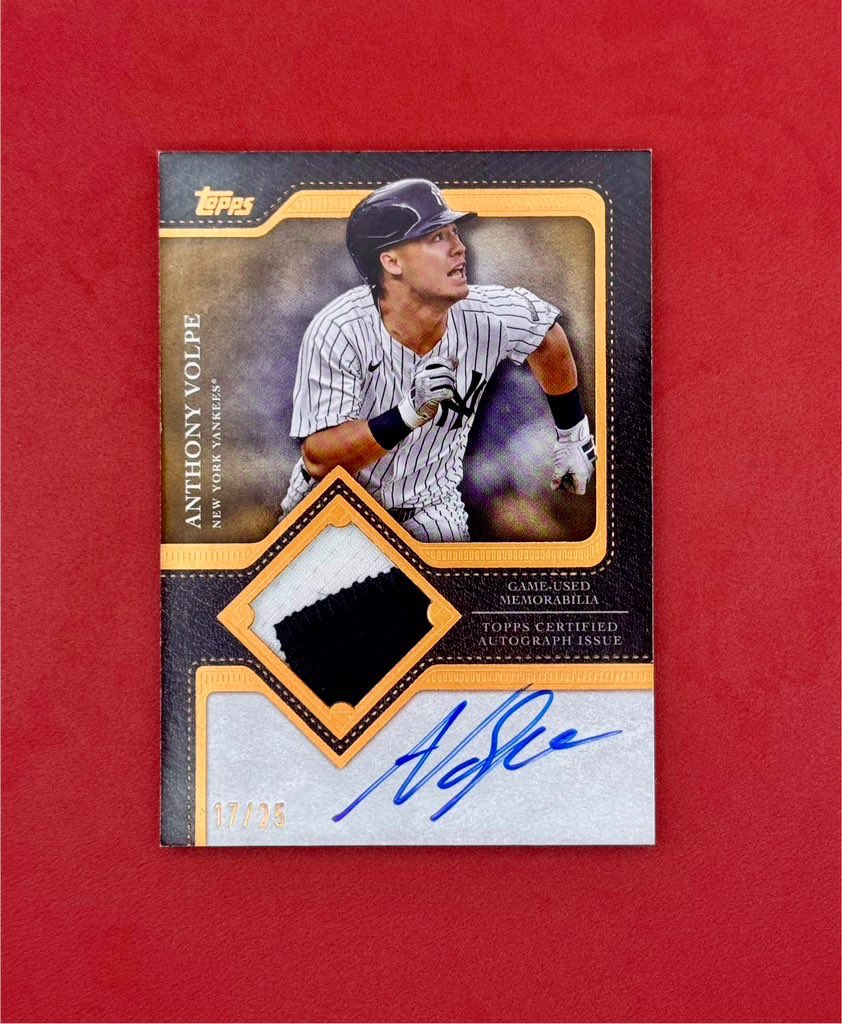
Because of that, 2025 needed to be a year where young talent was tested and showcased. The ascension of Volpe, Wells, Domínguez, Warren, and possibly Rice and Jones will make or break the final years of the Aaron Judge “window.” No amount of suboptimal spending will salvage the team without a solid foundation.
In years gone by, in an effort to “play it safe,” the Yankees have missed key opportunities on the market. When the iron is hot, passivity is a sure-fire way to miss your shot. But so too is the opposite approach—the one fans want, that of ’80s Steinbrenner: reaching for the grab bag of whatever’s out there. You think you’re maximizing your chances, but you’re not. You’re just making a mess; it never works in practice. The only way to win is to accept that there’s going to be an ebb and flow year to year, even within the narrow bands of a giant market where every season is at least somewhat “competitive.” In 2023, the Dodgers held back their spending, preparing for Ohtani the following year. Did they “waste a prime year” of Betts and Freeman? In a sense, yes, as they were quickly knocked out of the playoffs. But they were respecting the notion that the iron isn’t equally hot every year.
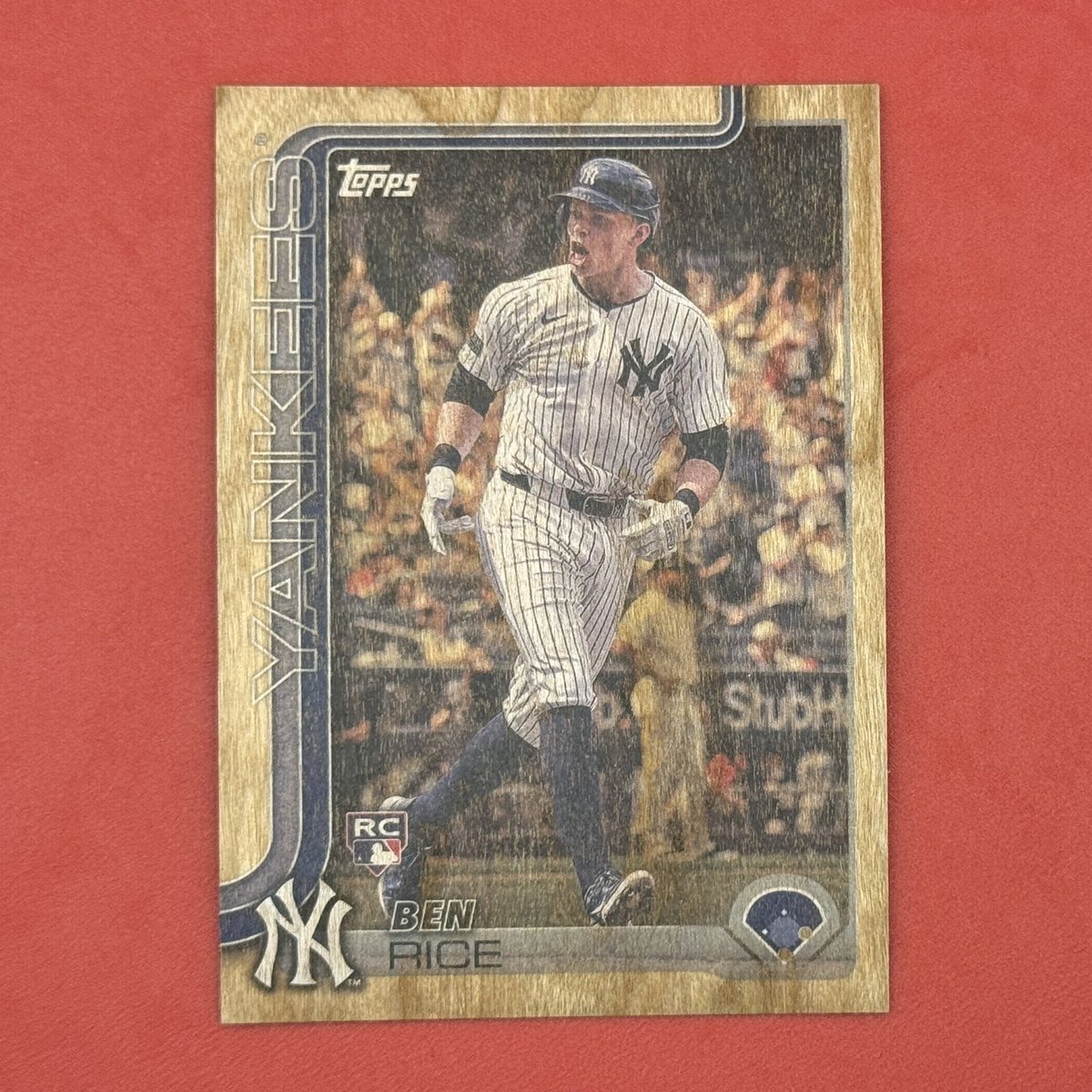
For the Yankees, the iron was hot in 2024. They took their shot. It’s not as hot in 2025. That doesn’t mean they won’t click and go on a run, nor does it mean they shouldn’t maximize their competitiveness, or that they are justified in leaving third base vacant. But if there was ever a year for Gerrit Cole to handle a physical issue, this might be the one. If there was a year for Stanton to open a multi-month window for Ben Rice, this may be the time. These injuries will greatly hurt the team in 2025, but 2025 was a cold iron to begin with.
If enough of the youth passes the audition, and the Yankees find a lane to acquire Kyle Tucker this winter, the iron may prove hot again as soon as 2026.