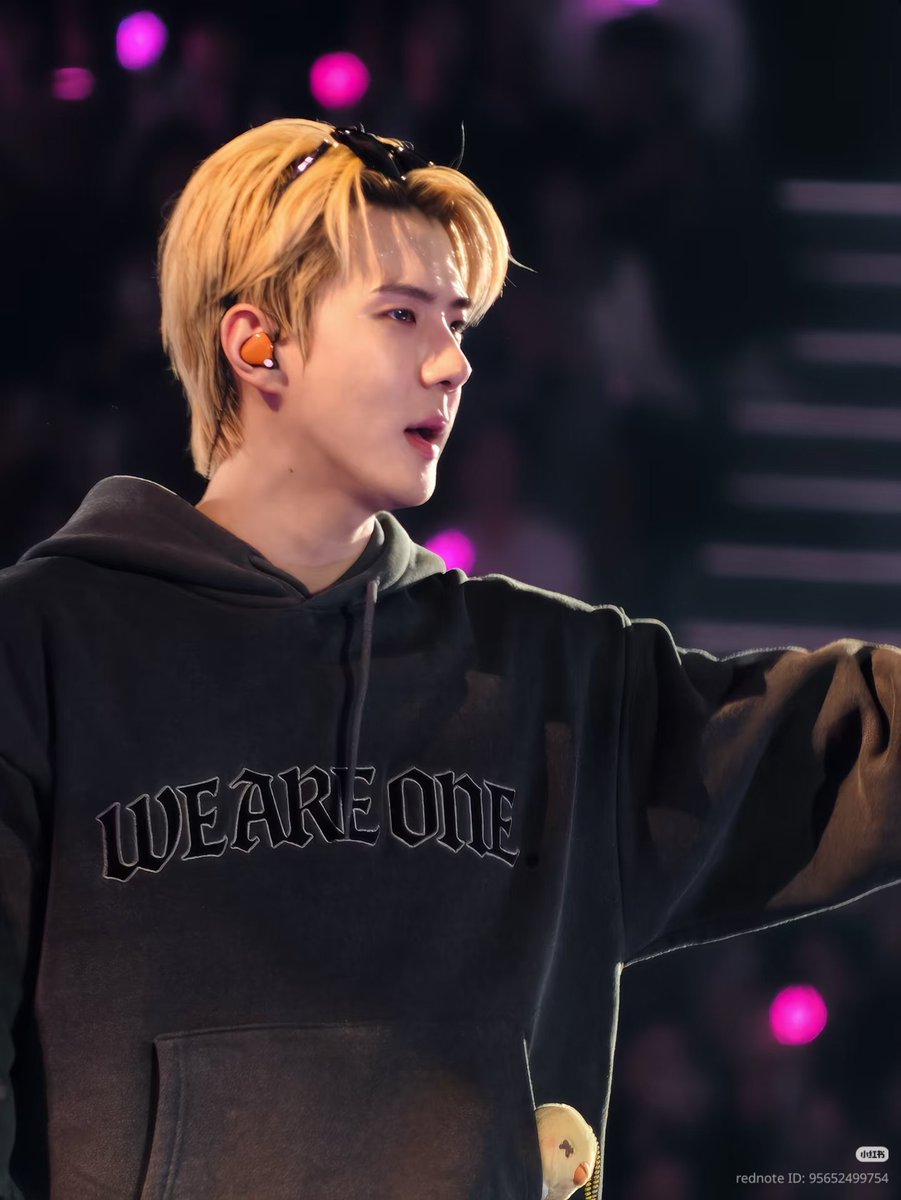
sehun sent a congratulatory video message for op’s senior’s wedding! HIS BLONDE HAIR 😩😩
the bride’s friend managed to get the video message for her because the bride likes sehun~ ㅠㅠ
📢 𝐉𝐎𝐈𝐍𝐓 𝐒𝐓𝐀𝐓𝐄𝐌𝐄𝐍𝐓 𝐅𝐑𝐎𝐌 𝐌𝐘𝐀𝐍𝐌𝐀𝐑 𝐅𝐀𝐍 𝐂𝐎𝐌𝐌𝐔𝐍𝐈𝐓𝐈𝐄𝐒
@GMMTV@ScarletHeartTH@Giggoo_
We acknowledge GMMTV's statement as a first step. However, our concerns remain, and our requests for proper cultural explanations, acknowledgement, and on-screen credits have yet to be fully addressed.
𝗖𝘂𝗹𝘁𝘂𝗿𝗮𝗹 𝗶𝗻𝘀𝗽𝗶𝗿𝗮𝘁𝗶𝗼𝗻 𝗱𝗲𝘀𝗲𝗿𝘃𝗲𝘀 𝗽𝗿𝗼𝗽𝗲𝗿 𝗿𝗲𝗰𝗼��𝗻𝗶𝘁𝗶𝗼𝗻. 𝗢𝘂𝗿 𝗵𝗲𝗿𝗶𝘁𝗮𝗴𝗲 𝗱𝗲𝘀𝗲𝗿𝘃𝗲𝘀 𝗮𝗰𝗸𝗻𝗼𝘄𝗹𝗲𝗱𝗴𝗲𝗺𝗲𝗻𝘁.
CULTURAL HERITAGE RECOGNITION
#RecognizeMyanmarCulturalHeritage
#CulturalCreditMatters
#ScarletHeartTH #GMMTV
GMMTV, Myanmar people are raising these concerns because cultural heritage is deeply meaningful to us. Would you be willing to listen to our feedback and provide an official clarification? @GMMTV@ScarletHeartTH
RESPECT MYANMAR
GMMTV ACCOUNTABILITY
#RespectMyanmarCulture
#CreditOurHeritage
#ScarletHeartTH
“Alawi is a fictional city inspired by a diverse range of cultures, including Thai, Lanna, Chinese, Burmese, and others.”
@GMMTV@ScarletHeartTH@Giggoo_
Saying that Alawi is “inspired by diverse cultures” does not address our concerns or excuse the lack of cultural accountability. The word “𝐢𝐧𝐬𝐩𝐢𝐫𝐞𝐝” is 𝙣𝙤𝙩 𝙖 𝙛𝙧𝙚𝙚 𝙥𝙖𝙨𝙨 𝙩𝙤 𝙪𝙨𝙚 𝙖𝙣𝙤𝙩𝙝𝙚𝙧 𝙘𝙪𝙡𝙩𝙪𝙧𝙚’𝙨 𝙝𝙚𝙧𝙞𝙩𝙖𝙜𝙚 𝙬𝙞𝙩𝙝𝙤𝙪𝙩 𝙥𝙧𝙤𝙥𝙚𝙧 𝙧𝙚𝙨𝙚𝙖𝙧𝙘𝙝, 𝙖𝙘𝙠𝙣𝙤𝙬𝙡𝙚𝙙𝙜𝙢𝙚𝙣𝙩, 𝙤𝙧 𝙚𝙭𝙥𝙡𝙖𝙣𝙖𝙩𝙞𝙤𝙣.
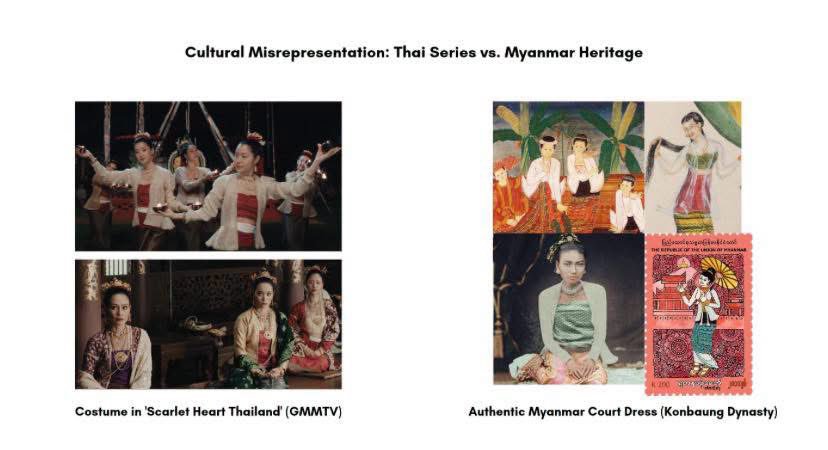
What you have presented is not merely a piece of clothing or a fashion design. It bears a striking resemblance to our tradational attire from Myanmar's Yadanabon Period, a significant part of our cultural and historical heritage. This is not something that should be casually dismissed as a generic design inspired by multiple cultures.
If GMMTV genuinely drew inspiration from Myanmar's cultural attire, then we deserve a clear explanation. What historical research was conducted? Which specific cultural and historical references informed the design? Was Myanmar's heritage properly acknowledged and represented? And why has there been no meaningful explanation addressing these concerns?
We are not asking you to simply label your fictional world as multicultural. We are asking you to 𝘁𝗮𝗸𝗲 𝗿𝗲𝘀𝗽𝗼𝗻𝘀𝗶𝗯𝗶𝗹𝗶𝘁𝘆 𝗳𝗼𝗿 𝘁𝗵𝗲 𝗰𝘂𝗹𝘁𝘂𝗿𝗮𝗹 𝗲𝗹𝗲𝗺𝗲𝗻𝘁𝘀 𝘆𝗼𝘂 𝗰𝗵𝗼𝗼𝘀𝗲 𝘁𝗼 𝗶𝗻𝗰𝗼𝗿𝗽𝗼𝗿𝗮𝘁𝗲 𝗶𝗻𝘁𝗼 𝘆𝗼𝘂𝗿 𝗽𝗿𝗼𝗱𝘂𝗰𝘁𝗶𝗼𝗻.
It is honestly frustrating to see cultural heritage treated as nothing more than an aesthetic choice while legitimate concerns about its representation remain unanswered. If you claim to be inspired by another culture, you should be prepared to explain that inspiration with transparency, respect, and historical context.
GMMTV & the production team, please stop staying silent and address these concerns directly. We deserve more than a vague statement about a fictional city. We deserve an explanation of the cultural and historical references behind the design, along with proper acknowledgment of the heritage it appears to draw from.
GMMTV RESPECT OUR CULTURE
#RespectMyanmarCulture
#CreditOurHeritage
#ScarletHeartTHLIVE
𝐇𝐭𝐚𝐢𝐧𝐠𝐦𝐚𝐭𝐡𝐞𝐢𝐧 (ထိုင်မသိမ်း) is not simply a name for a traditional Burmese outfit. It refers to a specific garment with its own history, construction, and cultural significance.
Myanmar's traditional clothing evolved across different dynasties, and the styles worn during the early Konbaung period, Amarapura era, and later Yadanabon period were not necessarily the same. Even the cut of a garment, its fastening, its decorative details, and the way it was worn could reflect a particular period and social rank.
Htaingmathein is traditionally understood as a woman's upper garment, worn with a byan htamein (ဗြန့်ထဘီ), rather than a term for the entire ensemble. These distinctions may seem minor to some, but when the terminology is repeatedly used incorrectly, an important part of cultural knowledge can gradually be lost.
This is precisely why historical research matters in period dramas. Traditional clothing is not merely an aesthetic choice; it carries information about the people, period, and culture it represents.
When costumes in #ScarletHeartThailand appear to draw on Myanmar court attire, it raises a legitimate question: were the garments researched according to their historical origins, construction, and period, or were different styles combined simply because they looked suitable for a historical setting?
Lanna and Myanmar share a long and complex history, but historical connections do not make their respective clothing traditions interchangeable. Similarities should be examined in context, and identifiable cultural influences deserve accurate recognition.
Historical fiction allows creative freedom, but creative freedom does not make historical research optional. When a production invests years in developing a period drama, understanding the origins of the clothing used to build its world should be part of that preparation. Otherwise, what is presented as historical atmosphere risks becoming a mixture of cultural references without sufficient historical grounding.
𝙊𝙪𝙧 𝙩𝙧𝙖𝙙𝙞𝙩𝙞𝙤𝙣𝙖𝙡 𝙜𝙖𝙧𝙢𝙚𝙣𝙩𝙨 𝙝𝙖𝙫𝙚 𝙣𝙖𝙢𝙚𝙨, 𝙝𝙞𝙨𝙩𝙤𝙧𝙞𝙚𝙨, 𝙖𝙣𝙙 𝙢𝙚𝙖𝙣𝙞𝙣𝙜𝙨. They deserve more than to be treated as interchangeable costumes.
We sincerely hope @GMMTV and the @ScarletHeartTH production team will provide appropriate acknowledgment of Myanmar's cultural heritage wherever it has been incorporated into the series. If these elements are retained, I hope their origins will be clearly credited in the episodes or accompanying production materials.
#ScarletHeartTH
#BurmeseHtaingmathein
정우야 생일 축하한다 어느새 본 지도 곧 10년이 되어가네
친한 형 동생이지만 너의 가장 큰 팬이기도 하기 때문에 너의 목소리를 더 많은 사람이 알았으면 좋겠고 가는 모든 길에 축복이 깃들길 바라
내일 화이팅 하자..🙇
#해피정우데이#YOONJAEHYUK#윤재혁#ジェヒョク