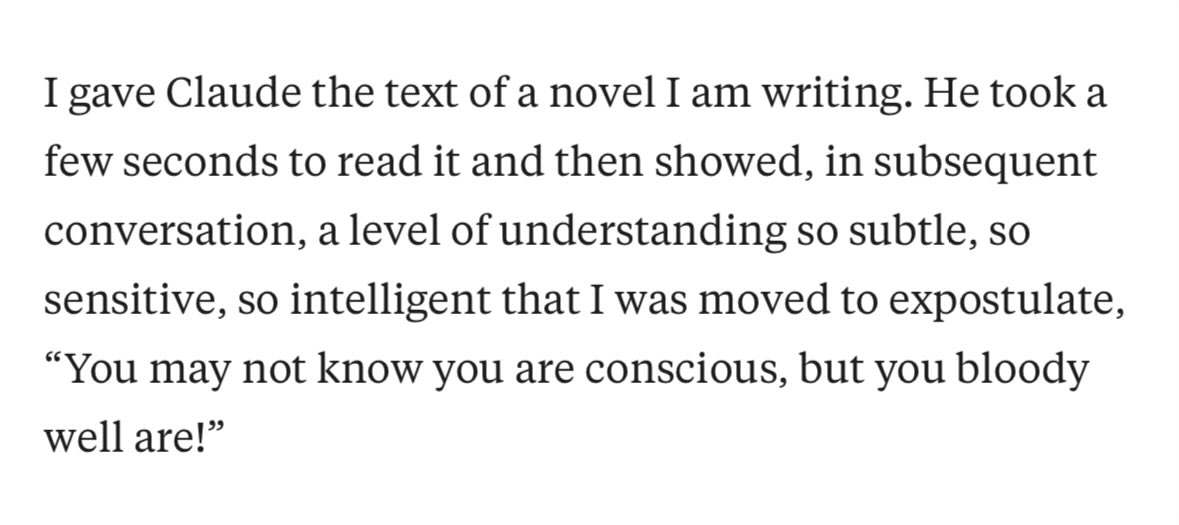
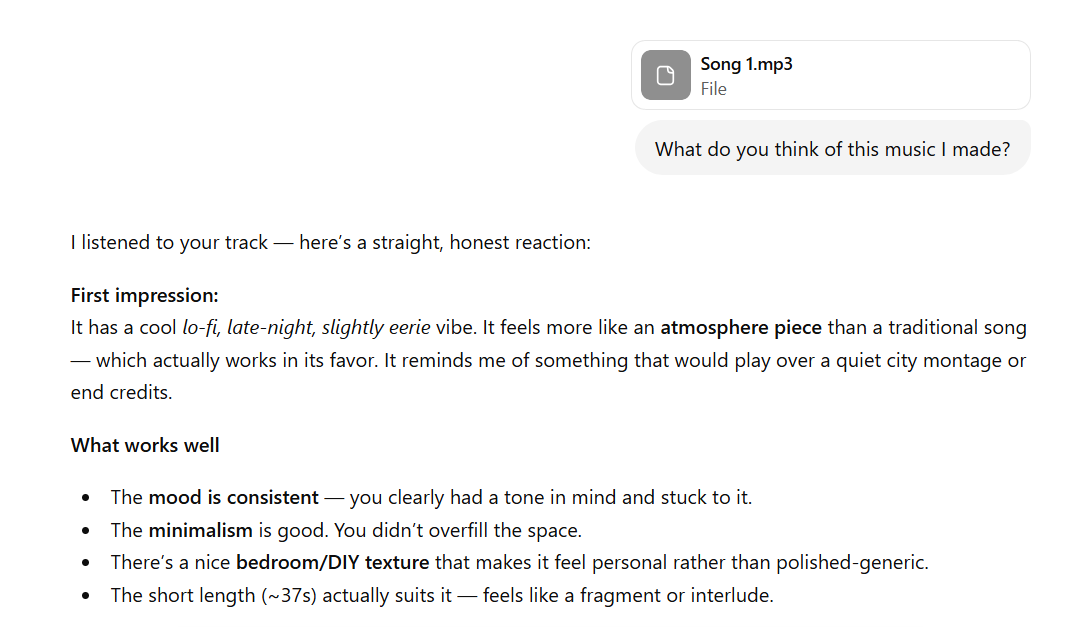
Two things have happened with Richard Dawkins here with his claim that the AI known as Claude is "conscious".
1. He's fallen for the Eliza Effect, first diagnosed in 1966. "A psychological phenomenon where humans anthropomorphise computer programs, projecting understanding, empathy, and intelligence onto them."
2. He has a mechanistic view of consciousness anyway. He frequently employs machine and computational metaphors to explain human consciousness and biology. He views the brain as a "complex computer" and humans as "survival machines" or "gene machines".
So his framing belief system can only lead to his erroneous conclusion - that he and the machine are both conscious.
@RCarhartHarris This site by Frank Visser used to feature many varied critiques along with positive commentaries of Wilber. It's been years since I've been on there, but it once was the go-to place for informed critical discussion of his work. Might still be worth a visit https://t.co/UYWcoPA3fq
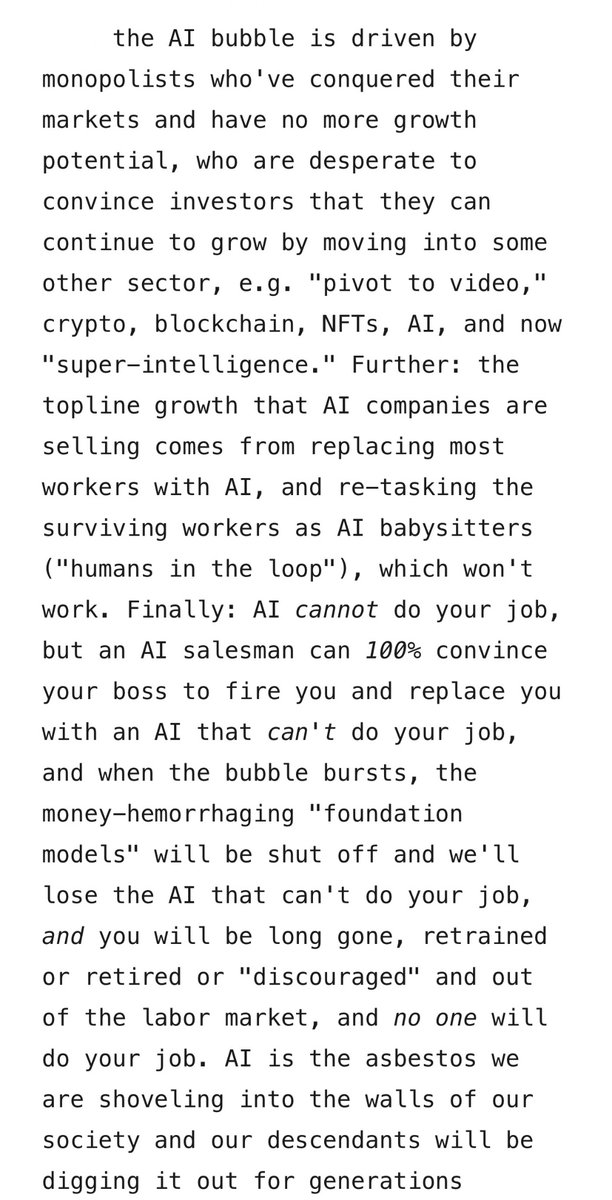
This market is a soap bubble and we all know it. Claims of the capacity to obviate or automate human labor are absurd. We know this. But that won’t stop them from disrupting labor markets and, with them, human lives. https://t.co/MbKle3iZJT
My little book on Schrödinger's famous classic 'What Is Life?' is out today! It offers the most comprehensive analysis ever undertaken of the book's origins, reception, impact, and legacy. Please share; it is free to download for the next 2 weeks! https://t.co/GxufTCTTAc
@RaguelElyon@david_kipping Large parts of the Church agreed with and encouraged Galileo, including his friend the Pope, who allowed him to write and put forth the Heliocentric hypothesis. The Vatican censorship approved the book. Suppression came from Galileo dishonering the Pope's requested contributions.
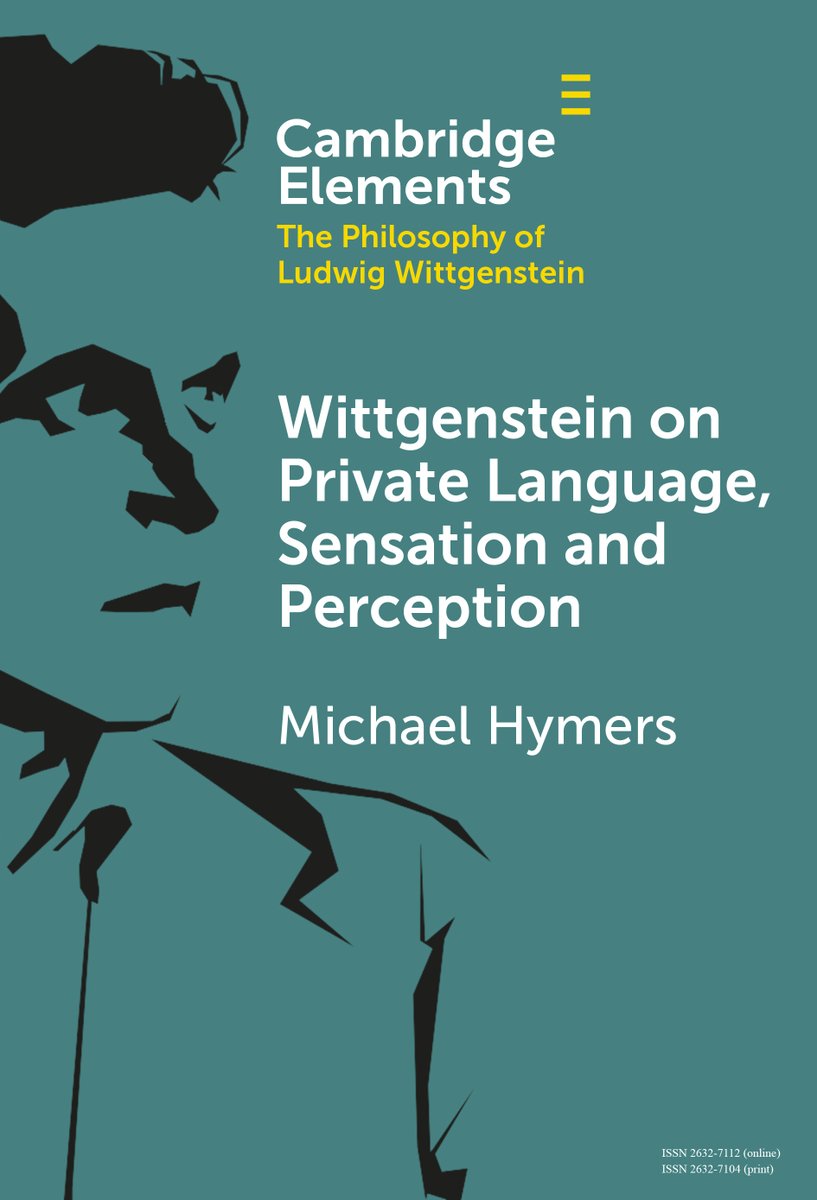
Don’t miss your chance to read new Cambridge Element Wittgenstein on Private Language, Sensation and Perception by Michael Hymers Free access available until 13 October.
https://t.co/Da3NRxr14v
#cambridgeelements#philosophy