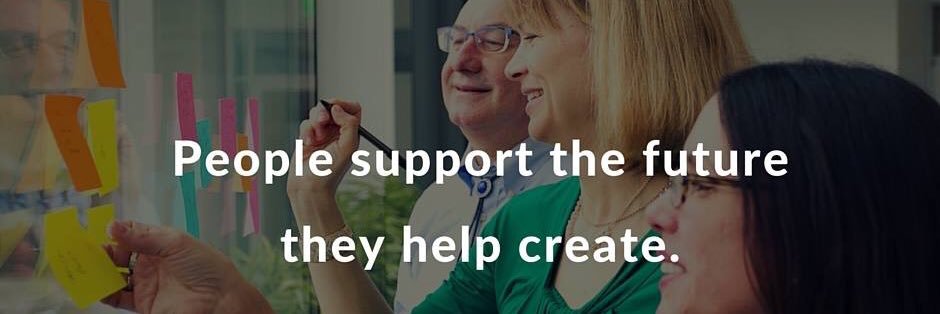
Need to get a retreat together sometime this year? Wondering where to even start? We’ve got you. DM to set up a design session to explore your goals and discuss how we can partner to build the right retreat for you and your team.
How long should your team retreat be? Once we get a sense of goals/how in-depth those goals are, we estimate how long we’ll need to achieve them.
½ day: One topic/question/opportunity/problem
1 day: 2-part planning/team-building session
2-4 days: Build lasting work/go in-depth
What do we do (Thrive At Work Team) to make team retreats special?
-Everyone participates
-Energy moves
-We’re creative/flexible
-We follow up after
-Your work lives on a virtual whiteboard
-We co-create
-People learn, connect, solve problems, get creative
-We flex/adapt
Happy Friday! 🎁 We have a gift for you! 🎁 If you are looking to get started planning a team retreat, check it out. It's everything you need to think about so you can get going with planning an awesome team retreat. https://t.co/9eYtmjPp9O
What makes for a great team retreat? They create opportunities for:
-retreat activities/facilitation around clear outcomes
-meaningful connection
-finding alignment, feeling rejuvenated/energized, providing opportunities to have important conversations
-clear decision-making
Great retreats create opportunities for:
🚩 Clear outcomes and thoughtful activities and facilitation around those outcomes
🙌 Meaningful connection
🏖 Alignment, rejuvenation, energy, learning, and important conversations
☝ Clear decision-making and what happens next
We co-design/facilitate retreats for clients that fall into five types. Sometimes we mix/match or we create something completely new, but overall teams gather away from work for 🗺 Planning 💫 Purpose 🙌 Teambuilding 🧡 Healing 🌊 Deep diving ✏ Learning https://t.co/txjwlbNk2f
Making time for a team retreat yearly gives you time to:
-Build connections that fuel the velocity of work
-Improve communication & collaboration
-Brainstorm new solutions that get pushed off in everyday work
-Learn new skills
-Reflect & set goals
-Celebrate successes
-Recharge
Check out Evan's new blog on the do's and don'ts of great retreats. With remote teams, it's important to get an offsite scheduled every year to build the kind of connections that fuel collaboration and get work done when you're back at your desks.
https://t.co/pAHD9jbB3m
We’re excited to find out if by adopting a community framework, workplaces not only do amazing, productive work but could it tap into the way we’re wired so people feel: fulfilled, connected, supported, valued, engaged, competent and resilient?
What do you think?
We're wired to be in #community and do “good work” that helps others. We're pairing that information with a framework for “work as a community.” This will help shape our brand-new offerings to help leaders and teams do really good work, together, no matter where you work.
"How are we doing?" Love this powerful question for checking in on how things are going with someone you care about whether a colleague, friend, or family member.
https://t.co/f39kdXBxTS
In the coming months, we’ll share our thinking, our framework, and questions that come up along the way for you to test out with your teams. Let us know what you think about workplaces as communities. What do you see as the upsides and downsides to designing work as a community?
If we start understanding and structuring our workplaces as communities, would:
❓️people thrive in ways we haven’t seen?
❓️belonging/engagement increase?
❓️initiative, ownership, and accountability go up?
❓️we see more compassionate leadership?
❓️wellbeing go up?
We form #communities based on shared needs and shared experiences. Healthy communities leverage the assets of members, are a container for people with similar values, provide room for people to participate, and help people understand themselves in the context of a larger good.
Human beings are wired to be in a #community. It’s our nature, it’s how we feel, work, and live best. When in a community, we feel positive feelings that people describe when they describe work as a family: trust, care, support, belonging, care, purpose, and meaning.
Community (not family) describes our workplaces as healthy, friendly, and caring, with meaningful bonds among colleagues while honoring structures that support working together toward a shared purpose. We’re building a framework to help see workplaces as communities - more soon!
Reasons why NOT to use the family metaphor for work:
Families can be dysfunctional
We can’t fire or pay family
It's hard for new people to feel welcome
No one wants to work for “Mom and Dad” or be seen as "misbehaving kids”
How do we set boundaries when we work with “family?”
Have you found yourself missing that feeling of family at work?
We often hear our clients describing their workplace as “family” and it always makes us cringe a little bit. There’s an argument for the family metaphor being the wrong one for the workplace.
https://t.co/eoHr1Eq7ep