The Power of Land
This book by @mikealbertus argues that throughout history land ownership determines whether a society is egalitarian, develops economically & cares for the environment. It discusses cases from around the world
For a quick overview, see: https://t.co/bqWQZU2gPT
Join us for a paid summer research placement!
We are looking for a PhD student or postdoc to help us put together a history of how and why CRASSH was founded 25 years ago, its evolution, and its impact on research at Cambridge and beyond
https://t.co/8i9cJqhB0x
Apply by 28 June
Economies are failing not by coincidence, but by design. If the best ‘good’ economics can offer is correcting for market failures (e.g. public goods) or government failures (e.g. commons), it is not surprising that ‘good’ is hard to achieve.
In my new book The Common Good Economy, I argue that we must replace corrections with objectives where the how is as important as the what. Purpose, participation, reciprocity, shared learning and benefits, and accountability are not additions, they must go to the core of how we design the economy.
On 23 May, I’ll be at @hayfestival in conversation with @zannymb, Editor-in-Chief of @TheEconomist, to discuss my new book The Common Good Economy. Links in replies.
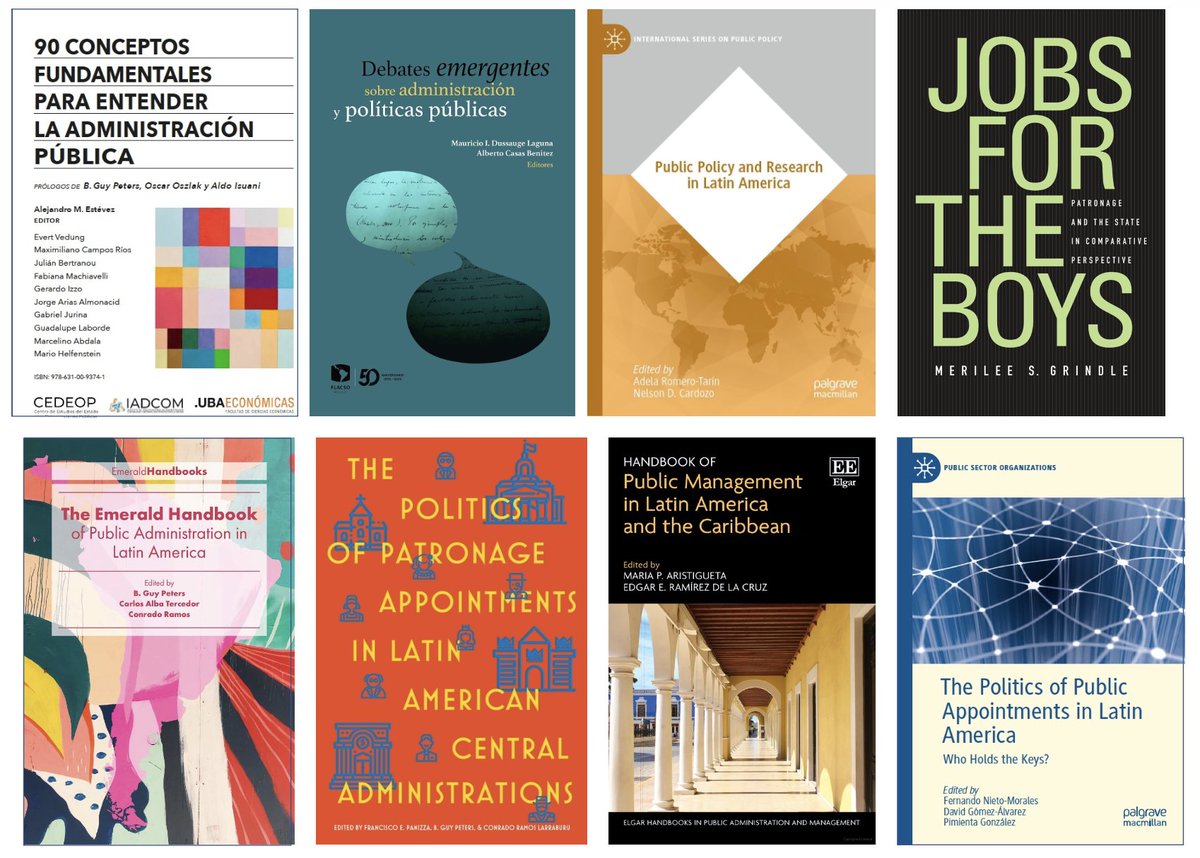
El estudio de la Administración Pública
Estas son algunas fuentes que hacen aportes importantes al estudio de la Administración Pública en América Latina👇
Es una selección de un campo vasto que nos da pistas para estudiar y entender a los Estados latinoamericanos.
I'm excited to announce that we are organizing a workshop on June 5 for journalists and other fact-gatherers to discuss the threats posed by AI to information integrity, and responses to those threats. If you are a technologist / company building authentication or verification tools and would like to participate, we'd love for you to apply: https://t.co/ge689aHJFR
The workshop is invite-only but we will publish a report after the event.
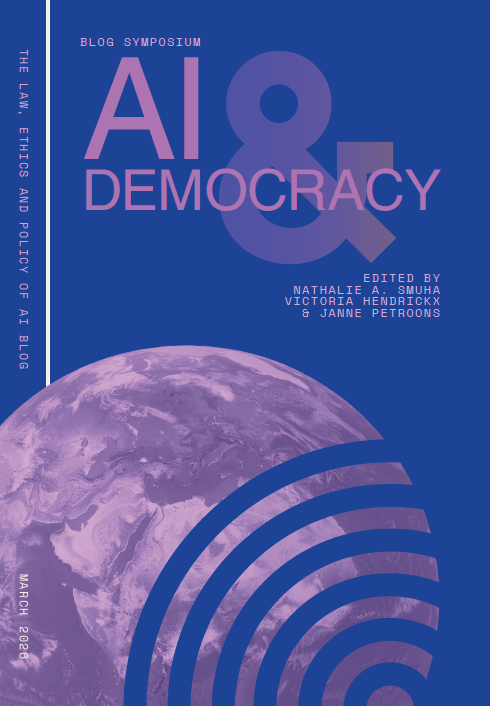
We are proud to launch the Booklet of our Symposium on #AI and #Democracy!
This publication gathers all the original Symposium contributions, as well as the editors’ reflection on the implications AI poses for democracy.
You can access the Booklet here: https://t.co/HDi7YL99u9
My next book "Understanding Artificial Intelligence" @polity will be out and available later this year. It's a textbook designed specifically for students and educators in the non-STEM disciplines, aka humanities, social sciences and the arts.
https://t.co/qUfV9HikNp
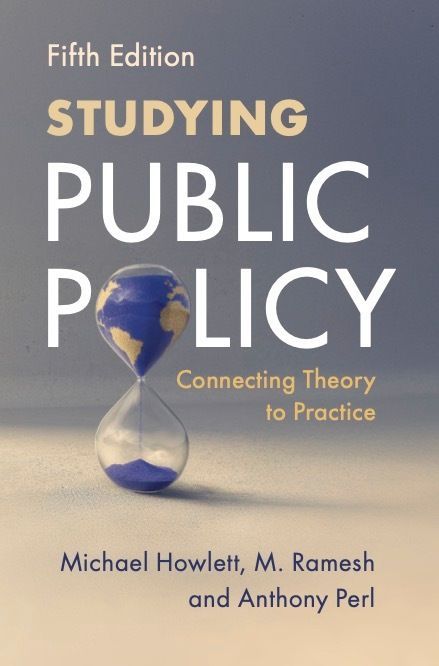
Coming soon! With Cambridge University Press - Studying Public Policy: Connecting Theory to Practice, Fifth ed. by Michael Howlett, M. Ramesh and Anthony Perl - June 2026
https://t.co/1UgqT2fURl
Stay tuned! The book Digital Solidarity Economy in Latin America (Bristol University Press and Policy Press) is coming in October 2026! Edited by me, Belén Albornoz, and Alessio Bertolini. Foreword by Nick Couldry
https://t.co/pVfmr5GWUb
¿Conocés nuestros recursos educativos? Están en español en inglés.
▪️Crea tu GPT de Finanzas climáticas: https://t.co/pNCy4N3xpp
▪️Guía para hacer investigaciones con datos climáticos abiertos: https://t.co/Qpr2LVZOmw
Last month, after I wrote my story about giga-scale data centers, two journalists at The Washington Post reached out to use Cleanview's data for one of their stories. Their piece just came out and it's a great read.
Using our data, and a few other sources, @evanhalper and @niko_tinius found that the average planned data center is expected to be 10x larger than current operating ones.
Yesterday's data centers used as much power as a small town. Today's are expected to use as much as a city with 500,000 people. But the largest ones could use as much power as Philadelphia (population: 5.7m).
These data centers come with important consequences. As Evan and Niko write:
"Such facilities will create a major climate challenge. By the mid 2030s, forecasts show the world’s data centers could drive as much carbon pollution as the New York, Chicago and Houston metro areas combined."
@evanhalper and @niko_tinius consistently publish awesome work. To read more of their work, subscribe to The Washington Post's Climate Lab and give them a follow here on X.
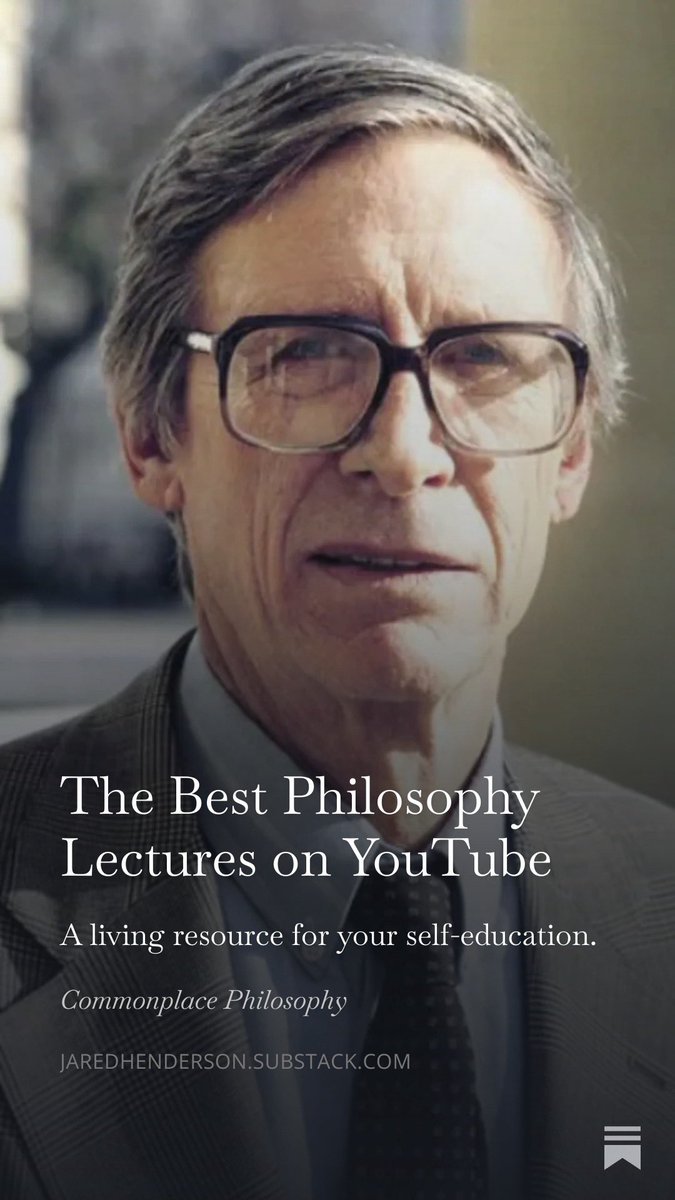
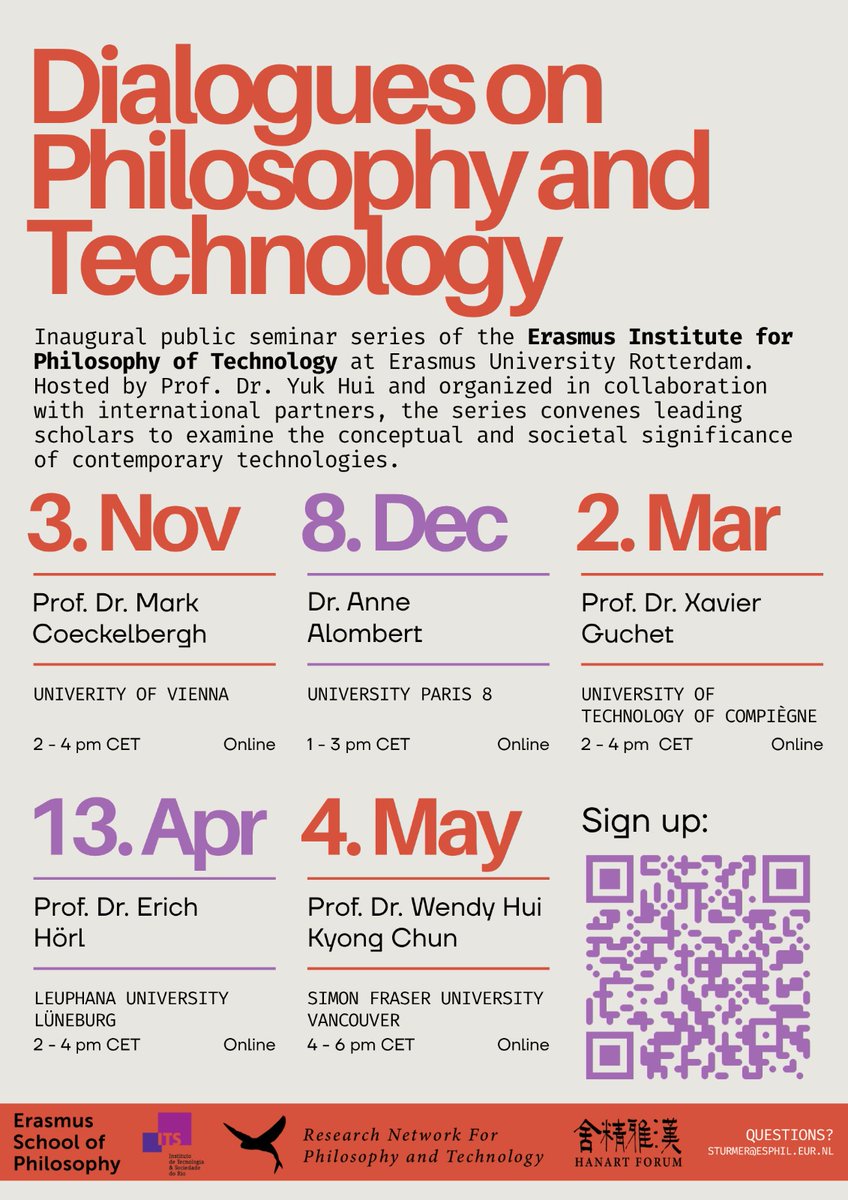
Glad to announce the new edition of Dialogues on Philosophy and Technology, which will start on 3rd November with @MCoeckelbergh. The previous edition with Malabou, Galloway, Feenberg, Parisi among others could be found here: https://t.co/y4Kz7dbloe